REVIEW · ROME
Haunted Rome Ghost Night Walking Tour
Book on Viator →Operated by Carpe Diem Tours · Bookable on Viator
Rome at night has a darker side. This walk strings that feeling through real streets, with stories tied to Campo de’ Fiori and Castel Sant’Angelo, plus guides who bring it to life like Youssef or Ana. It’s a heat-saving way to see key stops in one go, and it avoids cheesy ghost vibes by leaning into history, warnings, and public punishment.
The two things I love most: the strong route of famous-and-odd sites (including Madonelles and Mastro Titta) and the varied storytelling style that keeps families, teens, and first-timers engaged. One possible drawback: you may run into a louder group setting where it’s harder to hear clearly if you’re farther from the guide, so plan to stay close and prepared for night road noise.
In This Review
- Key Highlights You’ll Feel on This Walk
- Why This Haunted Rome Tour Fits a First Evening
- Price and What You’re Really Paying For
- Route Logistics: Start at Campo de’ Fiori, End at Castel Sant’Angelo
- Stop-by-Stop: What Each Location Adds to the Story
- Stop 1: Campo de’ Fiori
- Stop 2: Piazza Farnese
- Stop 3: Via del Mascherone & Vicolo dei Venti
- Stop 4: Ponte Sisto
- Stop 5: Fontana del Mascherone
- Stop 6: Chiesa di Santa Maria dell’Orazione e morte
- Stop 7: Via di Monserrato
- Stop 8: Chiesa di Santa Maria in Monserrato degli Spagnoli
- Stop 9: Via Giulia
- Stop 10: Via dell’Arco dei Banchi
- Stop 11: Castel Sant’Angelo
- The Guide Makes It Work: What I’d Watch For
- How to Dress and Plan for a 2-Hour Night Walk
- Who This Tour Is Best For
- Should You Book This Haunted Rome Ghost Night Tour?
- FAQ
- How long is the Haunted Rome Ghost Night Walking Tour?
- Where does the tour start and end?
- What is the price per person?
- What language is the tour offered in?
- How big is the group?
- Is there any private tour option?
- What should I expect from the stories?
- What if I need to cancel?
Key Highlights You’ll Feel on This Walk
- Night timing that cuts crowds and heat, so you’ll move comfortably through the center
- Stoppages packed with dark local legends tied to exact addresses and monuments
- Campo de’ Fiori to Castel Sant’Angelo as one continuous evening route
- Madonelles and warning sights that make Rome feel lived-in, not textbook
- Executioner Mastro Titta and the Cenci family stories that add real bite
- Guides with humor and energy, from Antonio to Dominica, for a spooky-but-straight tone
Why This Haunted Rome Tour Fits a First Evening
A night walk in Rome is smart. You dodge the worst daytime heat and you beat the worst daytime lines. This tour also has a clear theme: Rome’s sinister past, told through the streets you can actually walk, not through a lecture hall.
I like that the approach is spooky without turning silly. The stories you get are more about human wrongdoing, warning signs, and the consequences of power than about jump-scares. And since the route runs from Campo de’ Fiori to Castel Sant’Angelo, you end in a great spot to keep exploring after the two hours.
One more practical win: the pacing is designed for a group. You’re not sprinting between stops. You’re stopping often enough to catch the mood and picture what happened there.
You can also read our reviews of more tours and experiences in Rome.


Price and What You’re Really Paying For
At $35.07 per person for about 2 hours, this isn’t a budget bargain. It is, though, good value if you care about two things: seeing a lot of landmarks by foot and getting a guide to connect them with stories you’d likely miss on your own.
You also get a few value multipliers:
- The tour is in English.
- It’s capped at 20 travelers, which is small enough to feel personal when the guide is good.
- You start in one of Rome’s most recognizable piazzas and finish near one of its most famous river landmarks—so it naturally fits your evening plans.
- Stated admission at stops is free, which means you’re mostly paying for the guide and the walking route.
If you’re traveling with people who want more control, there’s an upgrade to a private tour. That can be worth it if you want quieter conversation, slower pacing, or more questions without worrying about group sound levels.
Route Logistics: Start at Campo de’ Fiori, End at Castel Sant’Angelo
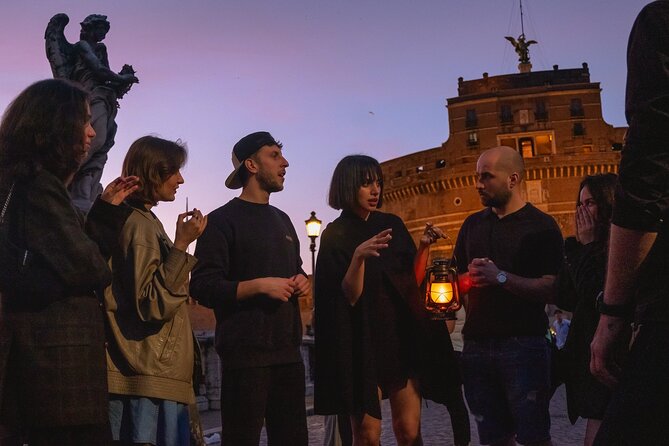
The meeting point is Piazza Campo de’ Fiori. The end point is Castel Sant’Angelo, at Lungotevere Castello, 50. That matters more than it sounds.
Campo de’ Fiori is central and easy to orient around. Castel Sant’Angelo is a natural “wrap here” ending: you can keep walking along the river, wander nearby streets, or simply grab dinner in the area and keep your evening rolling.
It’s also scheduled as a night experience, so plan on street-level walking with uneven surfaces and low light. You’ll be on foot for the full time, and you’ll likely want to wear shoes you trust.
Stop-by-Stop: What Each Location Adds to the Story
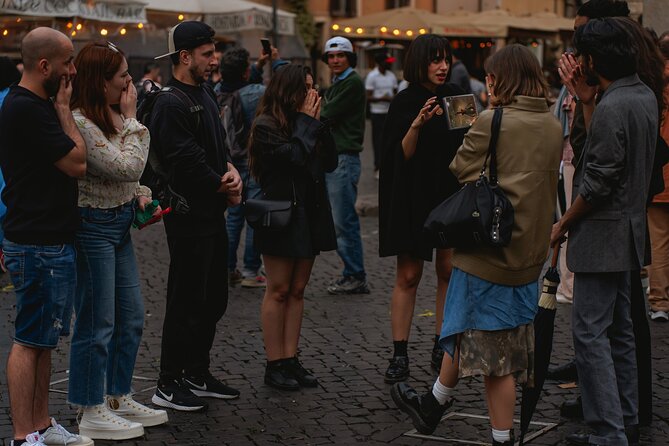
This tour is built like a chain. Each stop is a new clue about how Rome used fear, religion, and punishment to shape behavior.
Stop 1: Campo de’ Fiori
You begin in Campo de’ Fiori, a classic Rome piazza that’s busy now with bars and restaurants. The key twist: it was once used as an execution site. That contrast sets the tone instantly—people laughing and drinking above a darker past.
For me, this opener works because it gives you a mental “before and after.” You’re not just seeing a famous square; you’re seeing a place that changed roles over time. Even if you’re not a hardcore ghost fan, that kind of history hits.



Stop 2: Piazza Farnese
Next is Piazza Farnese, a beautiful square tied to a scandalous legend involving a secret passageway and two popes. Legends like this are fun because they feel tied to power and secrecy—things that always show up in Rome.
This is one of those stops where you’ll probably look around and start spotting details you missed at daytime speeds. At night, the stories feel more personal, because you’re in the streets that match the legend’s vibe.
Stop 3: Via del Mascherone & Vicolo dei Venti
Then you head into smaller lanes around Via del Mascherone and Vicolo dei Venti. Here the theme shifts from grand squares to street-level protection: you’ll hear about madonelles, the “little madonnas,” and how they were used in the past to help stop crime.
I like this shift. It makes Rome feel like a lived map of daily life, not just monuments for photos. You also get a chance to slow down and watch the small-scale city details—signs, corners, and niches that could easily pass as decorative at first glance.
Stop 4: Ponte Sisto
You cross to Ponte Sisto, described as the oldest bridge in Rome. The story here is gruesome: tragic accidents, power struggles, theft, and suspicious deaths. Bridges are perfect for this kind of storytelling because they’re both practical and symbolic—crossing points between places, times, and rules.
This stop gives you an “edge.” It’s not gentle spooky. It’s the kind of legend where you get the feeling people feared the route as much as they used it.
Stop 5: Fontana del Mascherone
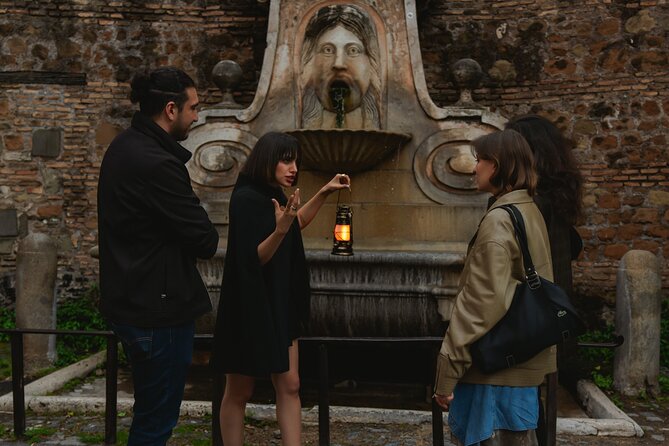
At Fontana del Mascherone, you’ll see something unusual: a fountain with a warning to those who dare drink from it. That’s the exact kind of detail that makes a night tour feel like more than generic storytelling.
Even if you don’t believe every tale, warnings are interesting. They tell you the city once expected danger. In Rome, that kind of sign turns a common sight into a plot point.
Stop 6: Chiesa di Santa Maria dell’Orazione e morte
Next is Chiesa di Santa Maria dell’Orazione e morte, a 17th-century church decorated with human remains. Death is not just a concept in this story—it’s part of the decor.
This stop can land in two ways. If you like dark, specific details, you’ll find it memorable. If you prefer light travel, it might feel intense. Either way, it explains why Rome can feel so different at night compared to midday sightseeing.
Stop 7: Via di Monserrato
You then reach Via di Monserrato, now described as a haunted apartment block. It was the site of one of the worst prisons in Rome’s history.
This is a strong reminder that buildings keep changing jobs, but memories don’t always vanish. The “haunted apartment block” framing makes modern Rome feel connected to its worst chapters—without pretending it’s something spooky and imaginary.
Stop 8: Chiesa di Santa Maria in Monserrato degli Spagnoli
At Chiesa di Santa Maria in Monserrato degli Spagnoli, the vibe turns slightly more dramatic. You’ll hear a saucy story, described as worthy of a telenovela.
I like how this stop adds emotional color. Not every moment on the tour needs to be grim. It gives you variety, so the whole walk doesn’t feel like one long downbeat march.
Stop 9: Via Giulia
You walk to Via Giulia, where the former bar had an even earlier history as a beauty shop. Here you’ll learn about a story where cosmetics can kill.
This is a clever pivot into everyday danger. It’s easy to think of historical crime as distant from ordinary life. This stop makes it feel closer: beauty, status, and risk all tangled together.
Stop 10: Via dell’Arco dei Banchi
Next is Via dell’Arco dei Banchi, tied to Rome’s famous executioner Mastro Titta. This stop is all about the person behind the punishment.
It also helps the theme stick. You’ve heard about execution sites, deaths, and warnings. Now you get a named figure, which makes the darker pieces connect into one clearer picture.
Stop 11: Castel Sant’Angelo
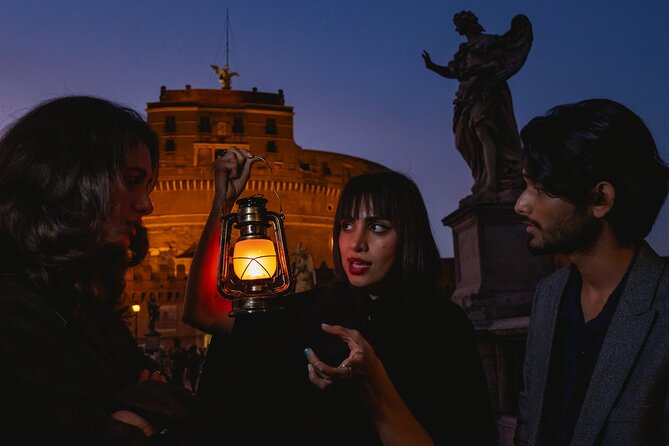
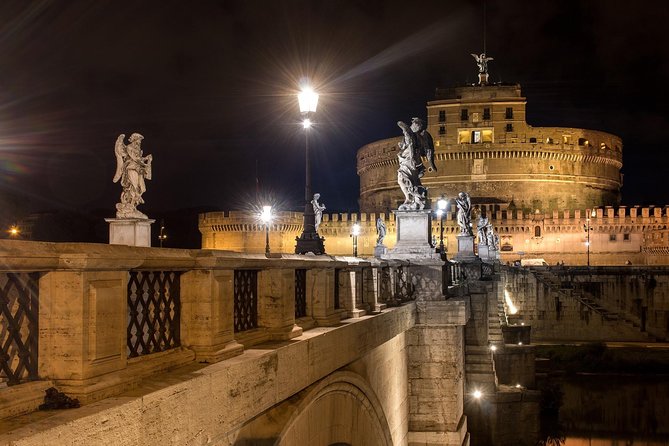
The finale is Castel Sant’Angelo. The story here is centered on public warning: the bridge was used to expose bodies of the executed. Today it’s surrounded by statues of angels, and the tour connects the site to the Cenci family and their fatal end.
This ending works well for you because it’s both dramatic and practical. You’ve finished at a major landmark, so you can decide what you want next: more wandering, more dinner time, or simply resting while the night air and river views reset your brain.
The Guide Makes It Work: What I’d Watch For
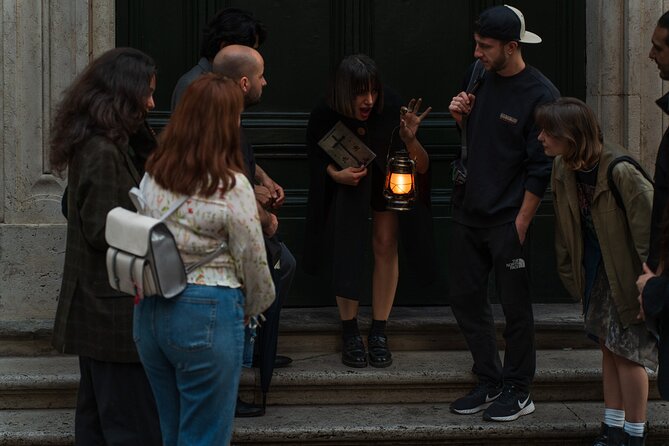
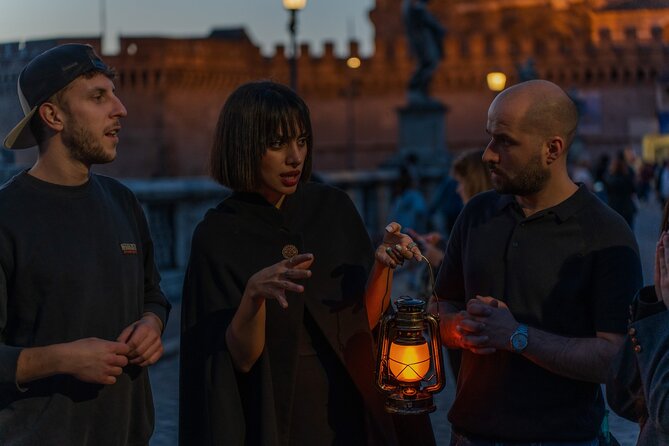
The best part of this tour is the storytelling energy. The guide names show up again and again in the feedback: Yousef, Antonio, Ana, Dominica, Simon, Dina, Anna, Maham, Domenica, Dinara, and Sarah.
Across those different guides, the pattern stays the same:
- Funny, engaging delivery without getting campy
- Clear pacing and explanations that keep you from feeling lost
- A focus on darker history that still feels accessible for kids and teens
One caution from experience with night group tours: sound is everything. There’s at least one reminder that a guide can be hard to hear in busy streets or with a larger group. My practical advice is simple: stand closer to the guide at each stop and don’t hang back if you want the full story.
Also, Rome guide skills vary. If your guide is strong, this tour can feel like it’s “ticking” in your mind as you walk. If your guide is less strong, you’ll still see a lot of locations—but you may wish you’d brought a bit more focus.
How to Dress and Plan for a 2-Hour Night Walk
This is a two-hour walking experience with frequent short stops. You’ll likely be on cobblestones, uneven pavement, and dim lighting.
Here are the practical things that matter:
- Wear comfortable shoes with grip.
- Bring a light layer. A reviewer specifically flagged that in colder months you should bundle up.
- If rain is possible, plan for slick streets and slow down on bridges and steps.
Also, don’t stack too many other plans right after it ends. Castel Sant’Angelo is a great finish, but you’ll still be tired from walking. Build in time for wandering or a relaxed dinner.
Who This Tour Is Best For
This tour is a strong fit if you want a Rome experience that’s not just temples and selfies. It’s also good if you like suspense and dark stories, but you don’t want loud theatrics.
It’s especially good for:
- First-timers who want a night route that covers multiple key areas quickly
- Families with teens who can handle spooky themes without being bored
- History-minded travelers who like specific locations and named stories
If you’re sensitive to scenes involving human remains, you’ll want to think carefully about whether that stop works for you.
Should You Book This Haunted Rome Ghost Night Tour?
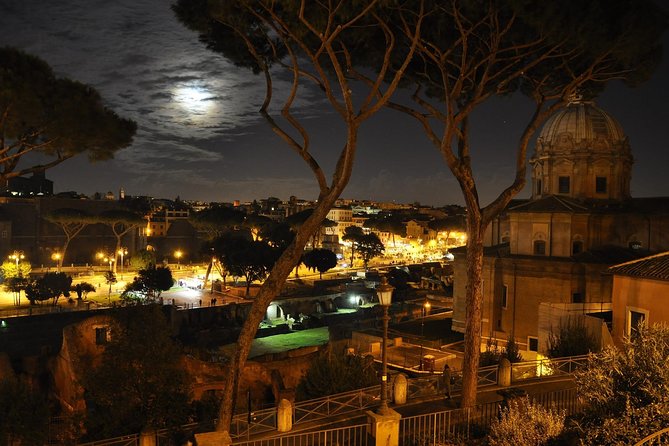
I’d book it if you want an evening that feels different from daytime Rome. For $35-ish, you get a compact two-hour route through major sights, plus story links that make everyday streets feel like part of the plot.
I’d skip it if you hate walking at night, dislike dark themes, or you know you’ll struggle with group audio in loud streets. That one hearing issue can be real on any night tour, and you can’t totally control it.
If you’re flexible and you like history with a spooky edge, this is the kind of tour that can actually improve your entire trip. You’ll leave with Rome in your head as more than architecture—you’ll remember the warnings, the legends, and the places where the city once scared people on purpose.
FAQ
How long is the Haunted Rome Ghost Night Walking Tour?
It runs for about 2 hours.
Where does the tour start and end?
You start at Piazza Campo de’ Fiori and end at Castel Sant’Angelo (Lungotevere Castello 50).
What is the price per person?
The price is $35.07 per person.
What language is the tour offered in?
The tour is offered in English.
How big is the group?
The tour has a maximum of 20 travelers.
Is there any private tour option?
Yes, you can upgrade to a private tour for a more personalized experience.
What should I expect from the stories?
The tour focuses on Rome’s darker history and eerie legends tied to the places you visit, and it’s not just about traditional ghost scares.
What if I need to cancel?
Free cancellation is available up to 24 hours in advance for a full refund. Canceling within 24 hours does not get you a refund.