REVIEW · ROME
COMBO: Rome’s Capuchin Crypts Tour & Rome’s Dark Side Ghost Tour
Book on Viator →Operated by Dark Side City Tours · Bookable on Viator
Bones and ghosts meet Rome’s landmarks. This combo pairs Capuchin Crypts entry with a guided Dark Side ghost route that re-reads famous streets through murder, legend, and grim rumor.
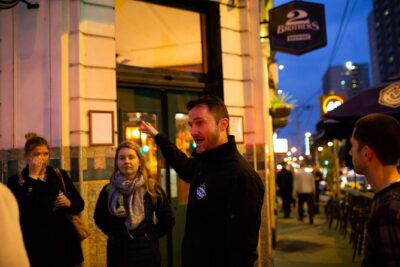
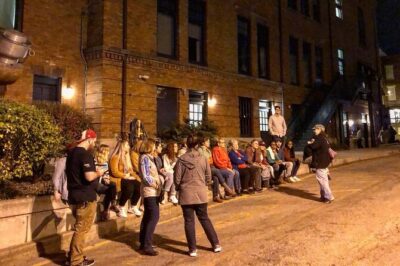
I love the way this is organized for small groups (max 15), so the guide can actually talk with you instead of racing past your questions. I also like that the stories drop right into big-picture sights you already know, including the Trevi Fountain and the Pantheon area, with darker reasons attached instead of just scary vibes. One possible drawback: it’s a night-leaning, spooky-themed walk starting at 5:00 pm, so if you’re not into ghost stories or dark history, you may feel the tone more than the sights.
In This Review
- Key Things to Know Before You Go
- The Value of a 4-Hour Capuchin Crypts + Dark Side Ghost Combo
- Meeting at 5:00 pm and How the Route Fits Together
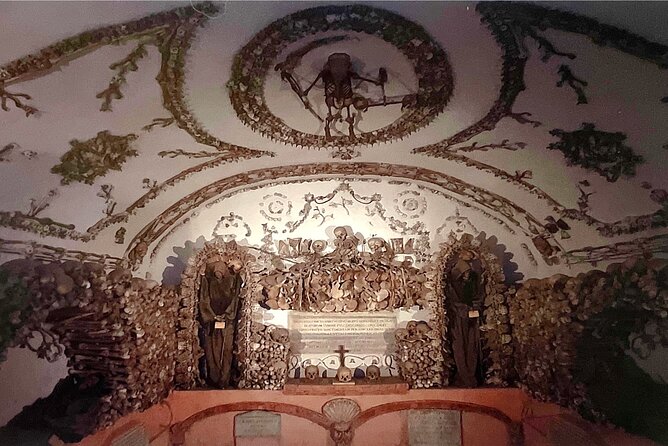
- Entering the Capuchin Crypts: Where 3,500 Skeletons Shape the Story
- Via Rasella: A Modern Dark Tale from World War II Rome
- Trevi Fountain from a Spooky Angle: Beauty with a Bitter Backstory
- Piazza della Rotonda and the Pantheon Area: Legends on the Other Side of Awe
- Piazza Navona: Haunted Window Stories and a Marble Head Watching
- Campo de’ Fiori: Giordano Bruno and Why the Statue Doesn’t Look Happy
- Vicolo delle Grotte: The Self-Proclaimed Magician Who Won’t Leave
- Ponte Sisto: A Woman from Poverty to Power, and a Bridge with a Reputation
- Chiesa di Santa Maria dell’Orazione e Morte: Unusual Decorations and Unusual Monks
- Via di Monserrato: Where a Notorious Prison Leaves the Past Loud
- Via dei Banchi Vecchi: The Story of a Prolific Poisoner
- Via del Banco di Santo Spirito: The Executioner Who Served for Over 60 Years
- Castel Sant’Angelo: Cenci Family Tragedy and a Bridge-Adjacent Haunting
- Guides Make This Work: Ben, Ivana, and Alethea as Proof of the Tone
- Who This Combo Is Best For (and Who Should Skip)
- Should You Book This Rome Dark Side Combo?
- FAQ
- What’s the price and length of this combo tour?
- What language is the tour offered in?
- Is the Capuchin Crypt entrance included in the price?
- How many people are in the group?
- Where do you meet and where does the tour end?
- Can I cancel for a full refund?
Key Things to Know Before You Go
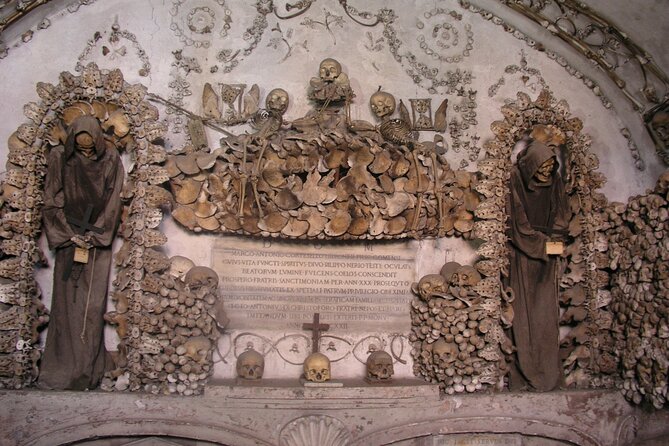
- Capuchin Crypts are the anchor: you get the entrance included, plus the “why” behind how the place became what it is.
- A max of 15 people means the guide can slow down, point out details, and keep the mood personal.
- Trevi Fountain, Pantheon area, and Piazza Navona are treated like story stages, not just photo stops.
- You’ll hear modern and old tragedies side by side, from Second World War events to centuries-old executions and legends.
- Expect a real walking loop: travel time includes moving between stops, so comfy shoes matter.
- Stories come with humor and care—guides like Ben, Ivana, and Alethea are praised for making it engaging for everyone, including teenagers.
The Value of a 4-Hour Capuchin Crypts + Dark Side Ghost Combo
At $66.01 per person for about 4 hours, this combo makes sense if you want two experiences in one smooth night. The big money saver is that Capuchin Crypt entrance is included. Everything else on the route is described as included stops (no extra admissions listed for those segments), so you’re paying for the guide experience and the one hard-ticket component.
It also helps that the pacing is built for short stops. You’re not being asked to sit through long museum lectures. Instead, you move from place to place, hearing stories that connect streets and squares to real crimes, punishments, and legends that grew around them.
And yes, it leans spooky. This is the kind of tour where the guide’s job is to make Rome’s “pretty” side and “violent” side feel connected, not separated.
You can also read our reviews of more tours and experiences in Rome.


Meeting at 5:00 pm and How the Route Fits Together
You start at Via Vittorio Veneto, 19 (near public transportation), with a 5:00 pm start time. The walk ends at Castel Sant’Angelo on Lungotevere Castello, 50. Even though it’s “just” about 4 hours, travel time includes the walking between stops, so plan your evening around movement rather than standing around.
There’s also mention of an optional snack and drink stop. That matters because the route is story-heavy. If you’re hungry, you’ll enjoy the history more with a bit of fuel in your body.
Finally, the group size cap at 15 is not just a nice detail. Smaller groups generally mean the guide can point at the right thing in each square and keep the flow from turning into a rapid-fire slideshow.
Entering the Capuchin Crypts: Where 3,500 Skeletons Shape the Story
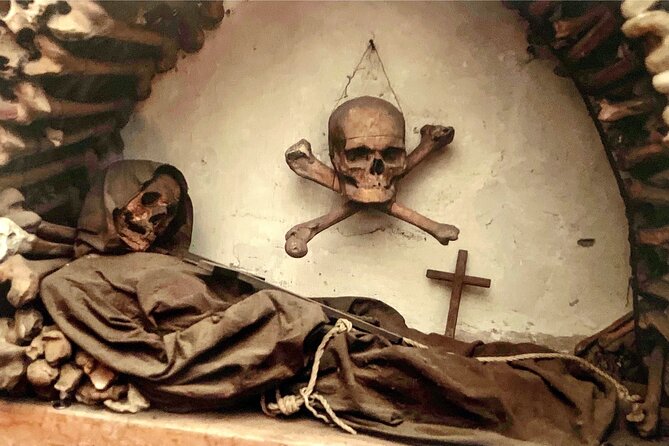
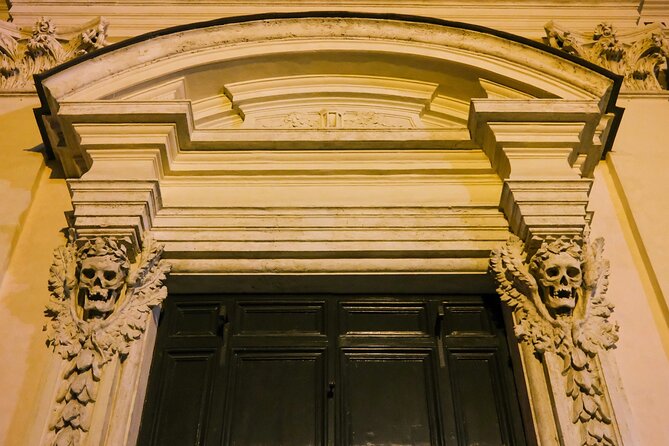
The first stop is the Museum and Crypt of the Capuchins Friars, with the Crypt portion being the highlight. You’re there for about 40 minutes, and the Capuchin Crypt admission is included.
What makes this stop different is the “macabre decoration” isn’t just shock value. You’ll hear the story behind how the crypt became known for its bone-based display, and you’ll get context for why this place has held attention for so long. It’s one of those experiences where your brain keeps doing math. How does a religious setting become a visual language built from remains? The guide helps you connect those dots without turning it into a lecture.
In the reviews, guides are praised for bringing the Capuchin Monks into the experience in a way that feels personal rather than distant. Ben, for example, is mentioned for knowing Rome’s dark secrets, and people repeatedly call out how the bones come across as eerily beautiful, not just grim.
Tip: this stop can be emotional or uncomfortable if you hate skull-and-skeleton aesthetics. If that’s you, go anyway, but brace for the mood you’re choosing.
Via Rasella: A Modern Dark Tale from World War II Rome
After the crypt, the tour shifts gears to Via Rasella for a short stop. It’s only about 5 minutes, but it’s a big tonal change. You’ll hear one of Rome’s more modern dark tales, tied to a tragic event during the Second World War.
This matters because it keeps the tour from becoming only folklore. Instead of ghosts all night, you get the reality that violence has different eras, and the city remembers each one. It also sets up the rest of the walk: crimes and legends aren’t separate from the buildings you see, they’re part of how those places got their layers.
Trevi Fountain from a Spooky Angle: Beauty with a Bitter Backstory
Next up: Trevi Fountain for about 10 minutes. You’ll see it from a new perspective—behind the beauty is a darker tale involving longing and murder, plus a discussion of why it may still feel haunted today.
Trevi is one of Rome’s most photographed spots, which can make tours feel generic. The value here is that the guide tries to get you to look past the obvious. Instead of only taking in marble and crowds, you’re listening for the human story under the postcard.
If you like your sightseeing with emotional friction, this is a good stop. If you prefer a lighter tone at night, remember the tour is built around the “dark angle” on purpose.



Piazza della Rotonda and the Pantheon Area: Legends on the Other Side of Awe
You’ll spend about 10 minutes in Piazza della Rotonda, with the Pantheon as the famous anchor. The twist is the focus on what’s directly opposite: a building with a gruesome past, and legends said to have inspired similar stories elsewhere.
This is a classic Rome setup. You have one of the city’s most admired monuments, and a few steps away are darker associations. The guide uses that contrast to make the space feel like a living timeline, not just a famous landmark cluster.
Even if you’ve seen the Pantheon before, this kind of approach gives you a reason to look again. You’re trained to notice what you usually ignore.
Piazza Navona: Haunted Window Stories and a Marble Head Watching
Piazza Navona gets about 20 minutes, and the tour leans into the idea that a long-lived square collects legends. You’ll hear two tales, including a haunted window, plus the mystery of a marble head that watches over the square even now.
This is one of the best “storytelling squares” on the route because Piazza Navona naturally supports drama. You’re in open view, surrounded by architecture that looks theatrical even in normal daylight. At night, the stories feel even better matched.
A practical note: Piazza Navona can be lively. The guide’s job is to keep you anchored to the specific story beats. If you wander off for photos, you might miss the point.
Campo de’ Fiori: Giordano Bruno and Why the Statue Doesn’t Look Happy
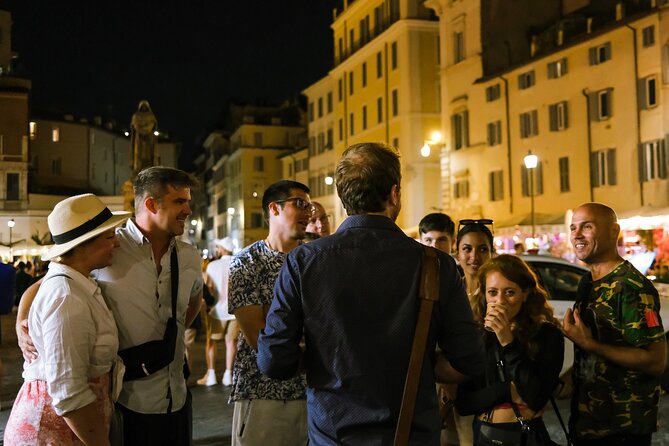
At Campo de’ Fiori you’ll hear about Giordano Bruno and why his scientific and philosophical ideas weren’t welcomed by the Church. This stop runs about 15 minutes, and the tour connects that history to why the statue’s expression is read as unhappy.
This part works well if you like your dark history tied to actual people rather than pure fantasy. Bruno isn’t a faceless legend. The story gives you a name, a conflict, and a reason the square remembers him.
If you’re traveling with teenagers, this is also the type of stop that can land. In reviews, guides are praised for keeping even younger audiences engaged with humor and clear storytelling.
Vicolo delle Grotte: The Self-Proclaimed Magician Who Won’t Leave
Next is Vicolo delle Grotte for about 10 minutes. The story here is about a self-proclaimed magician said to haunt the street still.
This is where the tour becomes more atmospheric than factual. You’re walking a tighter lane, hearing a tale built from reputation and rumor. The guide helps you treat it as part of the street’s identity, not just a scary campfire story.
If you’re the kind of traveler who likes urban legends, this stop is a highlight. If you prefer only verifiable history, you may treat it as folklore while still enjoying the mood.
Ponte Sisto: A Woman from Poverty to Power, and a Bridge with a Reputation
Ponte Sisto takes about 10 minutes. The tour tells the story of a woman who rose from poverty to rule Rome, and it frames her as a reputed haunting on the bridge.
Bridges are perfect for ghost stories because they’re made for passing through. Even when you’re standing still, you can imagine movement, reflection in water, and the way footsteps echo. The guide gives you a reason to stand there longer than you usually would.
Expect chills if you’re primed for the tone. If not, it can still be a fun way to turn a normal walk across the river into a small performance.
Chiesa di Santa Maria dell’Orazione e Morte: Unusual Decorations and Unusual Monks
This church stop lasts about 10 minutes. You’ll see a church with unusual decoration and hear about monks with a role in public life that’s presented as unusual.
The value here is that it isn’t only about skeletons. It’s about how religious institutions responded to death, suffering, and social needs. It’s the practical side of the story behind the theatrical side.
In other words: you’ll get spooky, but you’ll also get structure. That’s what keeps the tour from feeling like pure shock.
Via di Monserrato: Where a Notorious Prison Leaves the Past Loud
At Via di Monserrato, you’ll spend about 10 minutes with a prison-related story. The pitch is that tortured souls are still heard today, and you’ll learn why when you arrive with the guide.
This stop is short, but it adds a hard edge to the night. It reminds you that many haunting tales aren’t just spooky talk. They’re how people processed injustice, punishment, and fear when it was part of everyday life.
Wear shoes you can stand in. You might pause more than you expect because the street atmosphere helps the guide bring the story into focus.
Via dei Banchi Vecchi: The Story of a Prolific Poisoner
Via dei Banchi Vecchi is another about 10-minute stop. You’ll hear about one of the most prolific poisoners in history, with the tour framing why some people thought she was doing the best job for women of Rome.
This is one of those moments where the tour tries to widen the moral lens. Instead of only naming harm, it points at why someone might become infamous in a society with limited options.
If you’re the kind of traveler who likes the human reasons behind criminal legends, this stop may stick with you. If you prefer “crime details” over social context, you may want to ask the guide follow-up questions.
Via del Banco di Santo Spirito: The Executioner Who Served for Over 60 Years
Another 10-minute stop: Via del Banco di Santo Spirito. Here the tour tells you about Rome’s official executioner, who served in the role for over 60 years.
That number matters. It turns a one-off tragedy into an institution. The guide’s framing aims to shock, but the deeper takeaway is how routine violence becomes when a system keeps needing it.
This is also a good moment to notice how your feelings change as the tour moves from crypts and ghosts into administration and careers. The tour is doing more than scaring you. It’s showing how death was organized.
Castel Sant’Angelo: Cenci Family Tragedy and a Bridge-Adjacent Haunting
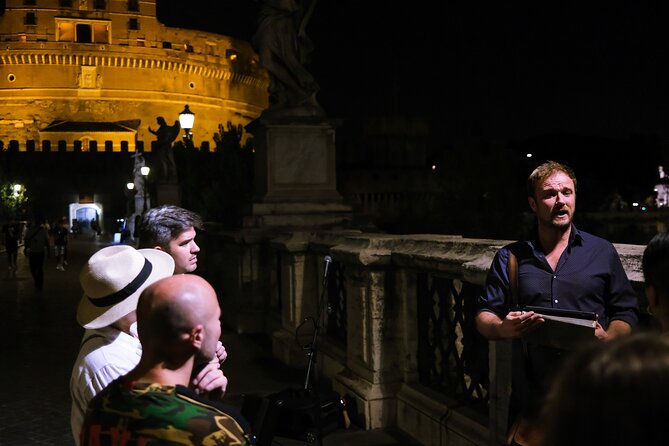
You finish at Castel Sant’Angelo, with the final stop about 10 minutes at the bridge approach. The story connects Castel Sant’Angelo to execution history and adds a haunting claim tied to the victim of one of Rome’s most tragic tales: the Cenci family.
This ending works because the location is already loaded with cinematic energy. You get to wrap the night with a place that looks like it belongs in a thriller, while the guide ties it back to the theme: in Rome, stories can live in stone.
It’s also a smart way to end the loop geographically. After the last tale, you’re already in the Castel Sant’Angelo area, which tends to be convenient for continuing your night.
Guides Make This Work: Ben, Ivana, and Alethea as Proof of the Tone
A lot of tours can show you dark streets. Fewer can make the darkness feel like it has structure, humor, and personality. In the reviews, guides like Ben, Ivana, and Alethea are repeatedly mentioned for engaging storytelling and for taking care of small groups.
You’ll feel that in how the stories land. People highlight personal touches and guides that know how to keep the pace from turning into rambling. Another plus: one review calls out that Ivana made it engaging for teenagers, which tells me the guide’s style is explain-it-clear, not lecture-heavy.
So when you book, you’re not only buying access to crypts and landmarks. You’re buying a night of narrative.
Who This Combo Is Best For (and Who Should Skip)
This combo is best for you if you:
- like spooky storytelling paired with real settings you can still visit on your own
- want one guided plan that hits Capuchin Crypts plus major landmarks without separate bookings
- enjoy contrast: legends alongside World War II and execution-era stories
- travel in a group small enough to get attention from the guide
You might skip if:
- you’re highly squeamish about bones and crypt décor
- you want a light, romance-first Rome night
- you don’t want a tour that starts at 5:00 pm and keeps moving for about 4 hours
Should You Book This Rome Dark Side Combo?
I’d book it if you’re the type who gets more out of travel by asking what a place went through, not just what it looks like now. The included Capuchin Crypt entrance saves you the hassle of figuring out timing on your own, and the small-group format helps the guide make each stop feel connected.
If you only have one night for a guided experience and you want both a famous monument set and Rome’s darker footnotes, this is a strong use of time. For me, the best reason to book is simple: you’ll walk away seeing Trevi Fountain, Piazza Navona, and even the Pantheon area with new context, not just new photos.
FAQ
What’s the price and length of this combo tour?
The price is $66.01 per person, and the duration is approximately 4 hours.
What language is the tour offered in?
It’s offered in English.
Is the Capuchin Crypt entrance included in the price?
Yes. Capuchin Crypt entrance fee is included.
How many people are in the group?
The tour has a maximum of 15 travelers.
Where do you meet and where does the tour end?
You start at Via Vittorio Veneto, 19, 00187 Roma RM, Italy and end at Castel Sant’Angelo, Lungotevere Castello, 50, 00193 Roma RM, Italy.
Can I cancel for a full refund?
Yes, free cancellation is available. You can cancel up to 24 hours in advance for a full refund.