REVIEW · ROME
Ancient Rome’s Dark Side: Ghosts, Murders & Imperial Blood
Book on Viator →Operated by Dark Side City Tours · Bookable on Viator
Rome feels different after dark.
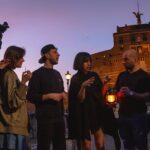
This 2-hour nighttime walk turns famous landmarks into a story of imperial murder and haunting legends, moving from Julius Caesar’s assassination site all the way to a dramatic Colosseum finish. I like that the guide focuses on clear, place-based storytelling rather than vague spooky talk, and I especially like the small-group setup (max 15) that keeps things personal and easy to follow. One thing to consider: it’s outdoors and includes a couple sets of stairs, so wear grippy shoes and keep a moderate pace in mind.
I also like the value angle here. At about $30.10 per person for an English-speaking storyteller guide, you’re paying for a focused route (no museum ticket required) and a lot of context packed into a short evening. You’ll also get a mobile ticket, and there’s an optional stop for snacks and drinks—handy if you’re doing dinner afterward.
In This Review
- Key Highlights You’ll Feel During the Walk
- A $30.10 Night Walk Through Rome’s Darkest Corners
- Largo Argentina: Standing Over Julius Caesar’s Assassination Site
- Teatro di Marcello and Livia’s Alleged Poison Power
- Capitoline Hill: Forum Views and Caligula’s Haunting Reputation
- Carcer Tullianum: Execution Steps and Underground Prison Realities
- Via dei Fori Imperiali and Domitian’s Erased Name
- Monti After Dark: Messalina and the Suburra Streets
- Scalinata dei Borgia and the Idea of Cursed Streets
- Colosseum Finale: Conquest, Blood, and a Night View
- Who This Works Best For (and Who Should Think Twice)
- Tips to Get the Most From the Evening Stroll
- Should You Book Ancient Rome’s Dark Side?
- FAQ
- How long is the tour?
- Is the tour indoors or outdoors?
- What language is the tour in?
- What group size should I expect?
- Where does the tour start and end?
- Can I get a full refund if I cancel?
Key Highlights You’ll Feel During the Walk
- Ceasar’s assassination location in Largo di Torre Argentina: you’ll stand at the exact kind of ground where Rome’s power drama ignited.
- Imperial intrigue, not just gore: Livia, Caligula, Domitian, and Messalina are framed as political actors with deadly stakes.
- Outdoor sightseeing with no museum entry: you get the stories without juggling timed tickets or indoor crowds.
- Nighttime timing that cools things down: the tour runs at 8:00 pm, which usually means more comfortable walking and fewer crowds.
- A small group that stays on track: max 15 guests helps keep the pacing human and the route manageable.
- Stops that connect like scenes in a film: the tour links execution sites, cursed streets, and imperial palaces into one flowing narrative.
A $30.10 Night Walk Through Rome’s Darkest Corners
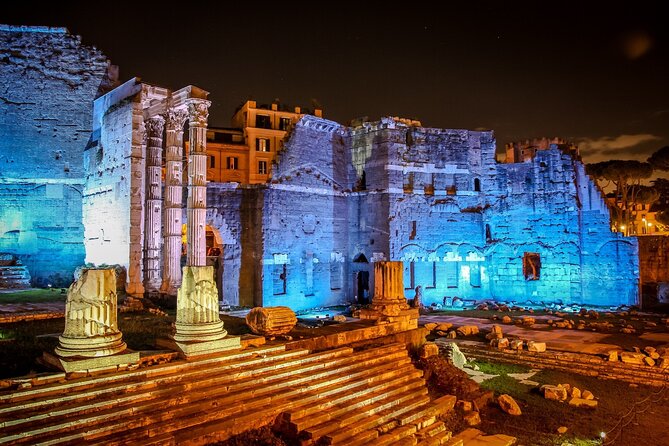
You’re paying about $30.10 per person for a guided 2-hour nighttime experience in English, led by an expert storyteller guide. That price makes sense if you remember what you’re actually buying: a route, a narrative arc, and a guide who can connect what you’re seeing to why it mattered in Roman power struggles.
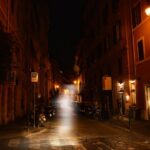
The timing is a big part of why this works. It starts at 8:00 pm, and you’re walking key areas in the cooler, darker hours. Even if you’re not chasing “spooky,” the night light does something practical: it slows the whole city down just enough for the stories to land.
One more smart clue: this tour is often booked about 31 days in advance, which usually means the dates go quickly when the schedule is tight. If you’re traveling in high season, I’d treat it like a popular ticket and plan ahead.
You can also read our reviews of more tours and experiences in Rome.
Largo Argentina: Standing Over Julius Caesar’s Assassination Site
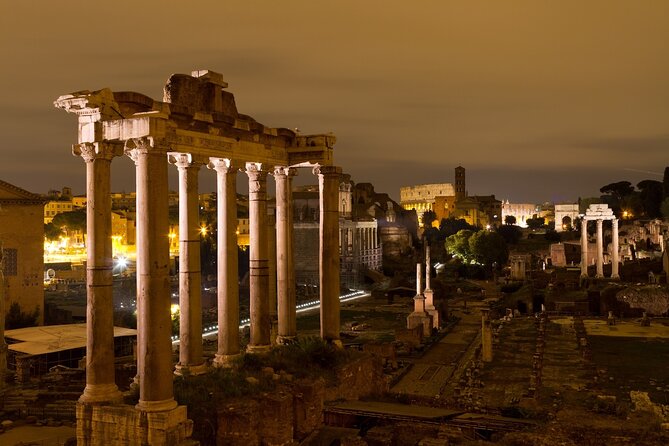
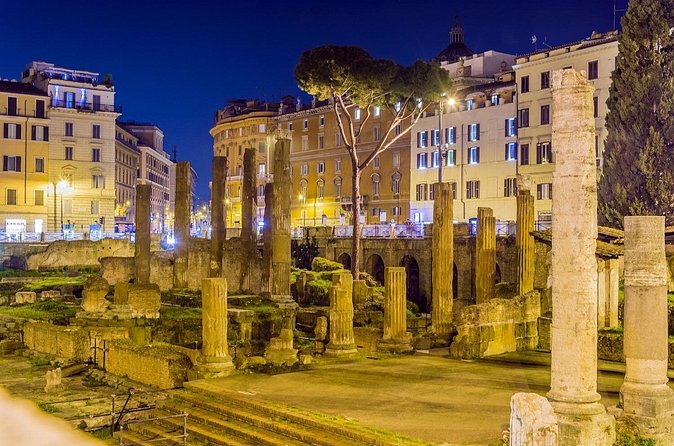
The evening begins at Largo di Torre Argentina (near public transport). From the first stop, you’re anchored to one of Rome’s most explosive turning points: the assassination of Julius Caesar in 44 BCE.
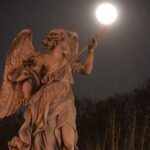
What I like about this opening is how it sets the tone without turning everything into generic “ghost history.” The story hits the real ingredients—betrayal, immediate chaos, and the way political violence ripples forward. You’ll also hear the chilling legends of a Caesar ghost, framed as the kind of myth Rome could grow around guilt and unfinished business.
Practical note: this is a standing-and-listening moment. No museum rooms, no ticket gates. So your best move is simple—stay close to the guide, keep your phone brightness reasonable for night vision, and watch your footing as you shift positions.
Teatro di Marcello and Livia’s Alleged Poison Power
Next you’ll head to the Teatro di Marcello, a ruin that feels like it’s still holding its breath. It’s famous not just for being an old surviving theatre, but for how it sits in the city’s living framework.
Here the tour pivots from Caesar to the next layer of Roman power: imperial ambition and the rumored methods used to remove rivals. You’ll hear about Livia, accused of eliminating opponents, including her own stepson, as she aimed to secure the throne for her son.
Even if you’ve studied Rome before, this kind of framing is useful. It pushes you to see “history” as people making ruthless choices under pressure. The guide ties the setting (a massive structure from Rome’s public life) to the private violence (family politics and survival). That contrast is a big reason the tour stays interesting.
Capitoline Hill: Forum Views and Caligula’s Haunting Reputation
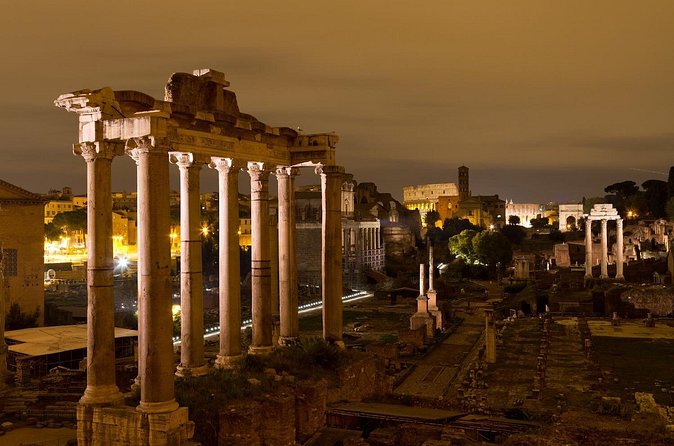
At Capitoline Hill, you get one of the most valuable “why this place exists” moments: a view out over the Roman Forum and Palatine Hill. Seeing the layout matters, because it helps you understand how emperors ruled from a physical world of symbols, access, and visibility.
Then the story turns darker with Caligula. You’ll hear how his supposed descent into madness ended in assassination, and how the legends say his ghost kept haunting the palace halls afterward. Again, it’s not only about the supernatural angle. It’s also about how Rome handled legitimacy after a ruler died—especially when the story stayed messy.
This stop is also a great reset point. You catch your breath, look around, and connect what you’re hearing to what you’re seeing. If you’re the kind of person who likes to understand geography, you’ll enjoy this more than you might expect.
Carcer Tullianum: Execution Steps and Underground Prison Realities
Then you get to Carcer Tullianum, the infamous execution and imprisonment area tied to the state’s coldest punishments. You’ll stand near the steps where traitors and enemies of the state were executed and left to rot. The tour also brings you toward the entrance to the Tullianum prison, where powerful prisoners were strangled underground and denied proper burial.
This is one of those stops where the “dark side” label stops being marketing and starts being a sensory lesson. The guide’s job here is to help you picture a place that no longer functions like it once did. I like that the focus stays on the human consequence—punishment as control—rather than only on sensational violence.
Practical consideration: this part can feel more intense emotionally. If you’re traveling with teens or you don’t love grim themes, you’ll still be fine, but it helps to know what tone you’re walking into.

Via dei Fori Imperiali and Domitian’s Erased Name
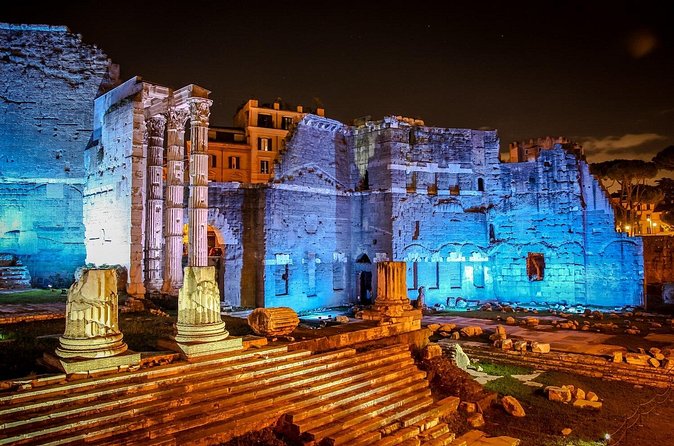
On Via dei Fori Imperiali, the tour shifts again to imperial paranoia and fate. You’ll hear about Domitian’s forum and the story that he tried to escape a prophecy about his death. Spoiler—Rome’s prophecy business didn’t go his way.
The guide explains how Domitian was murdered at the predicted hour, and how his name was erased afterward. The ghost story adds another layer: servants who survived him feared the legend that he still haunted the area.
What I find smart here is how the tour treats “erasure” as a political act, not just a creepy footnote. Rome didn’t only punish bodies. It also tried to control memory. When you’re walking the city at night, that idea lands harder, because you can feel how the physical space hides what it once loudly announced.
Monti After Dark: Messalina and the Suburra Streets
Next comes Monti, with a focus on what used to be the Suburra, Rome’s rougher, more scandal-coded district. This is where the storytelling gets street-level.
You’ll hear about Messalina, the emperor’s wife, accused of roaming the streets at night. And the legend continues into the dark—her ghost is said to linger in the shadows.
This stop is a nice change of pace because it’s less about buildings and more about atmosphere. It also helps you see Rome as a lived city, not just a set of monuments. That’s valuable if you’re used to “big sights” tours that forget people were the point.
If you’re sensitive to the more adult-coded rumors in Roman political myth, keep that in mind. But the guide usually keeps it understandable and connected to the broader theme of power, fear, and reputation.
Scalinata dei Borgia and the Idea of Cursed Streets
At the Scalinata dei Borgia, near the ancient Vicus Sceleratus, the tour brings in a Roman belief system that ties violence to long-lasting consequence. You’ll learn about the story of a Roman princess who drove her chariot over her murdered father’s body, and how Romans believed violent acts could curse entire streets.
This is one of the most “myth meets meaning” moments of the walk. Even if you don’t take ghost stories literally, you can see the logic: societies need explanations for trauma, and myths become the language that carries guilt and fear through generations.
From a tour-experience standpoint, I like this stop because it teaches you to listen for the pattern. The guide shows how stories repeat: murder, fear, memory, and a haunting that helps people cope with what happened.
Colosseum Finale: Conquest, Blood, and a Night View
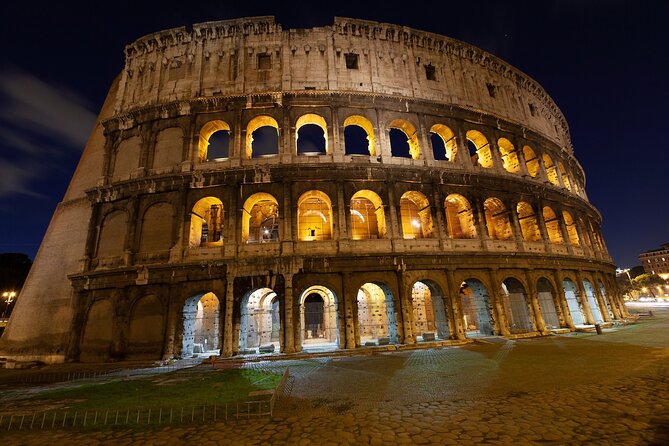
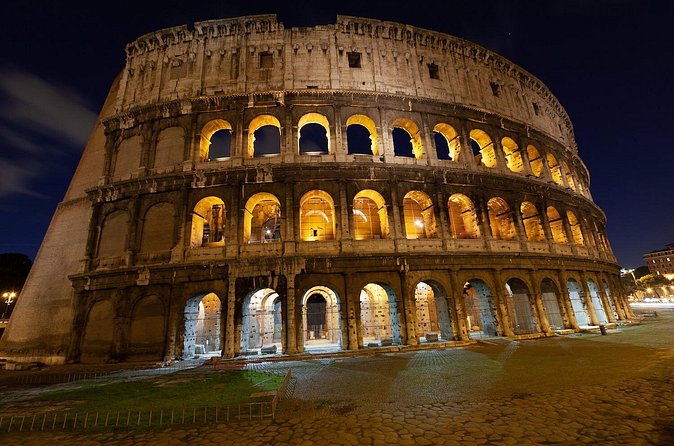
You end with a dramatic view over the Colosseum. The tour frames the arena as something built from conquest—then filled with blood—plus the legends that gladiators and prisoners denied burial might still be present in the form of ghost stories.
Even if you’re familiar with the Colosseum, ending here at night changes how you experience it. You’re not looking at it like a daytime postcard. You’re looking at it like a monument that carries noise it no longer makes.
Logistics matter at the end, too. The start is clearly set at Largo di Torre Argentina, and the finish is around the Colosseum area, noted as Piazza del Colosseo, 1 and also described as above the Colosseo metro stop at Largo Gaetano Agnesi. Either way, plan to link the walk with your next transport or dinner without rushing at the end.
Who This Works Best For (and Who Should Think Twice)
This is a great fit if you want more than ruins. If you like stories with cause-and-effect—how a ruler’s choices lead to execution, exile, or a rewritten reputation—you’ll enjoy the way the tour connects stops.
It’s also ideal if you prefer night sightseeing. The experience runs at 8:00 pm, and that’s a practical advantage: you’re likely to face less heat and fewer crowds than mid-day.
One consideration is physical. You need moderate physical fitness, and there are a couple sets of stairs along the way. It’s not an obstacle course, but I’d choose shoes that you’d happily wear on a hilly city sidewalk.
Finally, this tour leans into murders and betrayal. So if your ideal Rome is mostly sunshine and marble sweetness, you might want a different style of tour. If you like the darker human side of history—without it becoming cartoonish—you’re in the right place.
Tips to Get the Most From the Evening Stroll
Here’s how to set yourself up for a smooth, fun night:
- Arrive a few minutes early so you don’t start stressed. The tour begins at 8:00 pm.
- Bring grippy shoes. The route includes stairs, and it’s a nighttime walk.
- Use the mobile ticket you’ll receive on booking, and keep it accessible.
- If you’re doing dinner afterward, plan for the optional snack/drink stop. Snacks are not included, but there is a chance to buy something along the way.
- Keep your expectations balanced: this is an outdoor route with no museum entry, so you’re walking more than you’re “touring inside.”
Small-group pacing helps a lot. When max 15 people share the path with the guide, you get better story delivery, fewer bottlenecks, and more time to hear the details.
Should You Book Ancient Rome’s Dark Side?
I’d book it if you want a night activity that feels like a story you can walk through. The value holds up because you’re not paying extra for museum entries, and you’re getting an English-speaking guide for about two hours at a clear, reasonable price.
I’d skip it if you’re hoping for a light, family-friendly walk with minimal violence. This tour leans into executions, betrayals, and spooky legends tied to real power plays.
And if you care about guide quality, look for the human signal in the feedback: guides like Ivanna are praised for keeping the evening entertaining while still making the history make sense. That balance—facts plus atmosphere—is exactly what makes this type of tour worth your time in Rome.
FAQ
How long is the tour?
It runs for about 2 hours.
Is the tour indoors or outdoors?
It’s an outdoor walking tour. You won’t need entry to archaeological sites or museums as part of the experience.
What language is the tour in?
The tour is offered in English.
What group size should I expect?
It’s a small group experience with a maximum of 15 travelers.
Where does the tour start and end?
It starts at Largo di Torre Argentina, 00186 Roma RM, Italy and ends around the Colosseum area—listed as Piazza del Colosseo, 1, 00184 Roma RM, Italy, with the finish also described as Largo Gaetano Agnesi above the Colosseo metro stop.
Can I get a full refund if I cancel?
Yes. You can cancel for a full refund up to 24 hours before the tour starts.