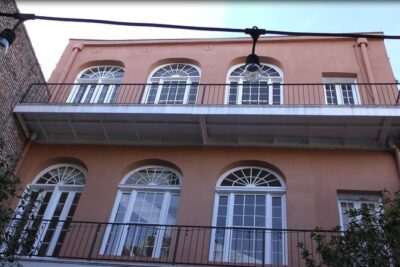
London gets creepier when night falls. The Fading Light London Ghost Walk turns well-known landmarks into a guided horror story, with chances to stop for photos as you go. I like that it’s built around big names and bigger legends, from Queen Isabella’s dark reputation to demon-dog folklore. One possible drawback: it’s mostly walking, and you’ll hit a small amount of stairs at a couple points.
At $16.44 for about two hours, it’s a budget-friendly way to see central London after dark without paying extra for every stop. This is also a small-group style tour, with a max of 30 people, and it runs in English. If you want spooky stories tied to real places, this kind of format usually works well.
In This Review
- Key things to know before you go
- A 7:30 pm London ghost walk built for photos and chills
- Cheapside to St Magnus House: timing, route pace, and comfort
- Greyfriars to Old Bailey: Queen Isabella and the Newgate web
- From Temple Bar to St Mary Le Bow: gates, necromancy, and church chills
- Bank of England to Fish Street Hill: Sarah Whitehead and haunted Underground lore
- The Monument and London Bridge: Great Fire shadows on the Thames
- What you’ll hear from a ghost hunter and horror author
- Value check for $16.44: what’s included and where your money goes
- Should you book this ghost walk?
- FAQ
- How long is the Fading Light London Ghost Walk?
- What time does the tour start?
- Is the tour in English?
- Where do we meet for the tour?
- Where does the tour end, and which Tube station is closest?
- What’s included in the ticket?
- Is the walk easy, or are there stairs?
- Are service animals allowed on the tour?
- What is the cancellation policy for a full refund?
Key things to know before you go
- Horror + history at real landmarks, with crime-and-ghost stories tied to each stop
- Photo breaks along the route so you’re not just walking past famous sights
- Free access listed at each stop, so your ticket is mostly paying for the guide’s storytelling
- A ghost hunter and horror author guide, so the tone stays in the horror lane
- Mostly easy walking, but expect a few stairs
A 7:30 pm London ghost walk built for photos and chills
This tour is all about London after dark. It starts at 7:30 pm, when the city feels calmer and the shadows feel more dramatic—perfect conditions for ghost stories. You’ll be out on foot near some of the most recognizable names in central London, and the guide uses those settings as the backdrop for legends you might not hear anywhere else.
I like that the tour doesn’t treat you like you’re just collecting spooky facts. It’s structured as a sequence of stops, with short story hits at each one, so you stay oriented while the night unfolds. You’ll also get those built-in moments to pause and take photos of landmarks as you explore, which turns the whole walk into more than a narration-only experience.
The horror angle is part of the draw. Expect stories with murderous queens, grave-robbing crimes, demon-dog lore, and haunted church and “underground” legends. This is a good fit if you enjoy scary history—think urban legend energy with recognizable London locations.
You can also read our reviews of more tours and experiences in London.


Cheapside to St Magnus House: timing, route pace, and comfort
The route begins at 150 Cheapside, London EC2V 6ET, in the EC2 area. It ends at Saint Magnus House, 3 Lower Thames St, London EC3R 6HD, and the closest Tube station at the end is Monument. Since it’s a walking tour, you’ll want to plan for an evening stroll through busy central streets.
The tour runs for about 2 hours, and the stop timing is tight—each location is given roughly 6 minutes. That’s helpful if you hate tours that drag. You get a short, focused story at each stop, then you move on while it’s still interesting and fresh.
Comfort-wise, it’s described as pretty easy overall, with a small number of stairs. That matters if you’re sensitive to uneven pavement or if you prefer flat routes. Also, the tour allows service animals, and it’s offered in English with a mobile ticket.
Group size is capped at 30, which usually means you’re not lost in a crowd. And because the tour tends to be booked about 16 days in advance on average, it’s smart to reserve sooner rather than later if your dates are fixed.
Greyfriars to Old Bailey: Queen Isabella and the Newgate web
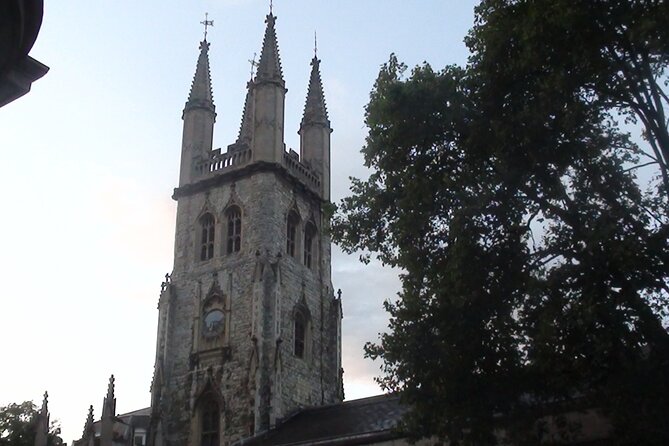
Your night opens at Christchurch Greyfriars Church Garden, where the story starts with Queen Isabella, wife of King Edward II. She’s tied to the chilling nickname She Wolf of France, and the guide uses both the location’s past and the ghost legend to set the tone. This is a strong opening stop because it mixes political history with an instantly memorable supernatural persona. It also gives you that early “OK, this is the vibe” moment—right when you’re settling in.
Next up is Holy Sepulchre London, described as the largest parish church in the city. Here, the emphasis shifts to real-world horror: the grisly practice of grave robbing, especially during the late 18th and early 19th century. Even if you’re not typically into crime history, the setting makes it easier to imagine how fear and opportunism could flourish in a city. It’s also a different type of scare than a typical “boo” ghost story—more like dread with facts attached.
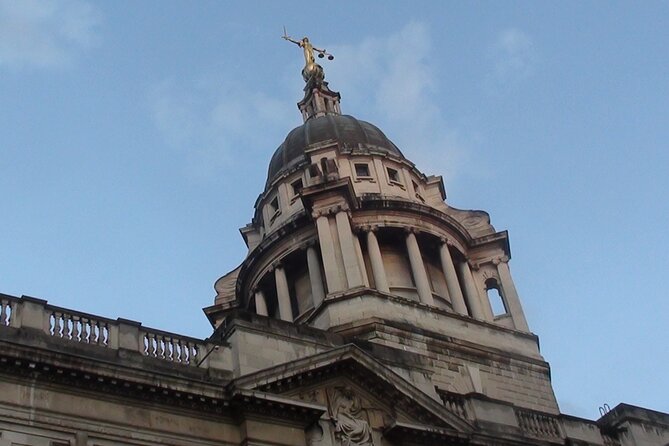
Then you’re outside the Old Bailey, once connected to the infamous Newgate prison. This is where the tour leans harder into the judicial side of London’s dark past. The guide gives you a quick history of the location and then shares ghost lore said to haunt it. If you like your ghosts with legal drama and prison atmosphere, this is one of the stops where the theme clicks.
The next stop is Amen Court, framed as the lair of the Black Dog of Newgate. This demon-dog story is the kind of legend that keeps getting retold because it’s simple, scary, and easy to picture. The guide connects it to a terrible crime said to have birthed it, which turns the legend into something that feels rooted in human actions rather than random spooky chaos.
Together, these early stops do a great job showing you the tour’s core idea: ghosts are part of the same London web as crime, punishment, and rumor. You’re walking through places where scary stories can grow naturally.
From Temple Bar to St Mary Le Bow: gates, necromancy, and church chills
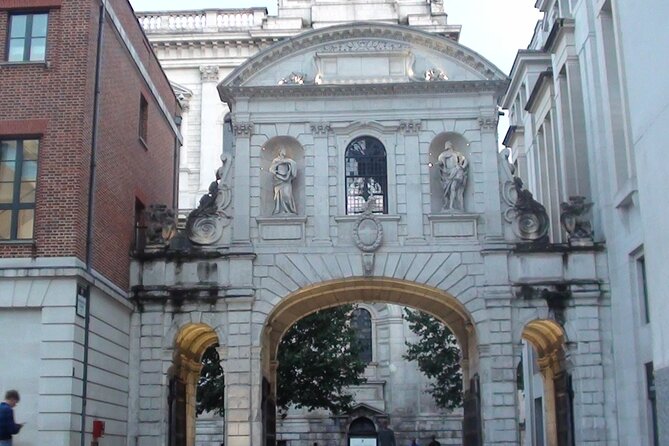
After the Newgate thread, the walk moves toward the city gates and major church landmarks—still creepy, but with more “London sightseeing” baked in. One of the highlights here is Temple Bar, described as the last of the London Gateways. You’ll hear about its gate history plus a truly terrifying ghost story retold to the guide by someone who experienced the event. That personal-retelling style matters; it keeps the stories from sounding like something pulled from a dusty book.
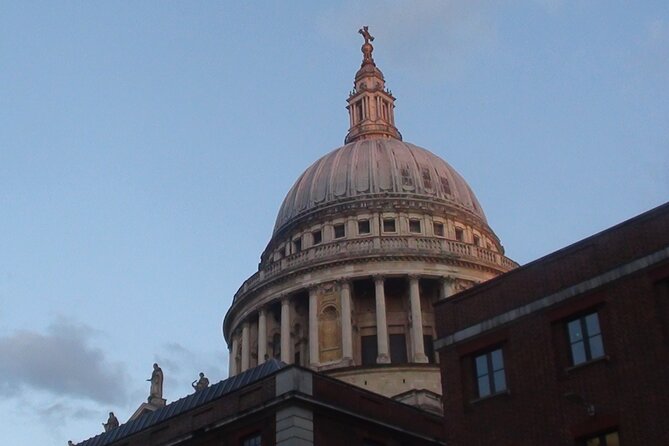
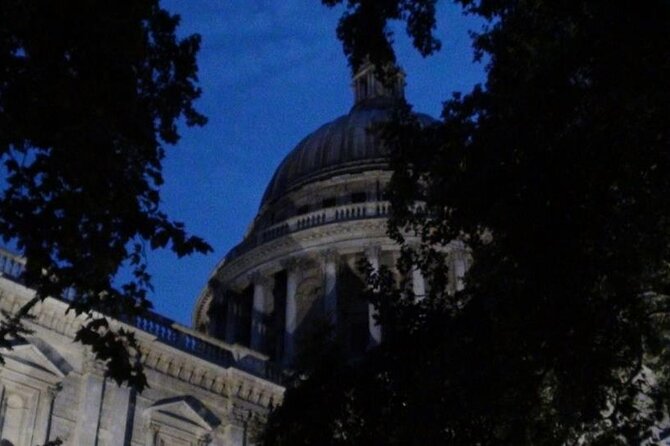
From there, you pass St. Paul’s Cathedral and stop outside it for a short history and a ghost legend said to haunt the area. This is one of those moments where you get to switch gears: famous architecture in full view, and then the horror side layered on top. If you’re taking photos, this is also a strong spot because St. Paul’s is such a recognizable silhouette in evening light.
Just nearby is Paternoster Row, still within St. Paul’s shadow. Here the story focuses on an open-air pulpit and connections to necromancy and witchcraft. It’s a sharp pivot from prison-crime horror into occult folklore. Even if those terms sound extreme, the point is that the guide uses the location to explain how fear and belief mixed into everyday rumors.
Next comes St. Mary Le Bow Church, where you’ll hear a brief building history and creepy events said to have taken place there over its long timeline. This stop is valuable because it reminds you that London’s ghost stories aren’t all about one era. They’re layered—church to church, decade to decade—like the city keeps filing away fear until someone tells it again on a night walk.
If your ideal ghost tour balances famous architecture with stories you can actually connect to place, this mid-route section tends to deliver.
Bank of England to Fish Street Hill: Sarah Whitehead and haunted Underground lore
Now you’re moving from church and gate legends into money and movement—the Bank of England, and then the weirdly creepy world of “haunted Underground” lore.
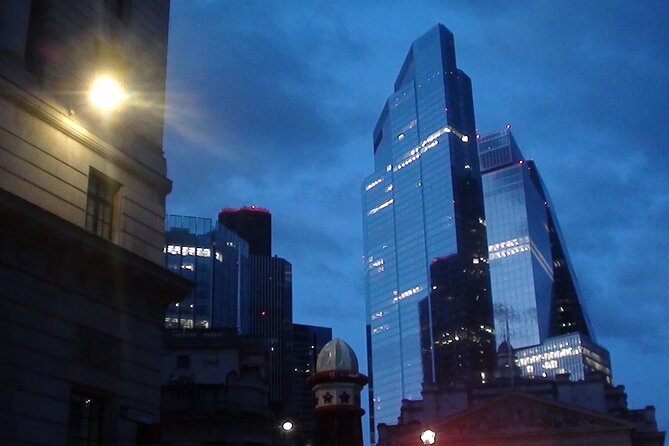
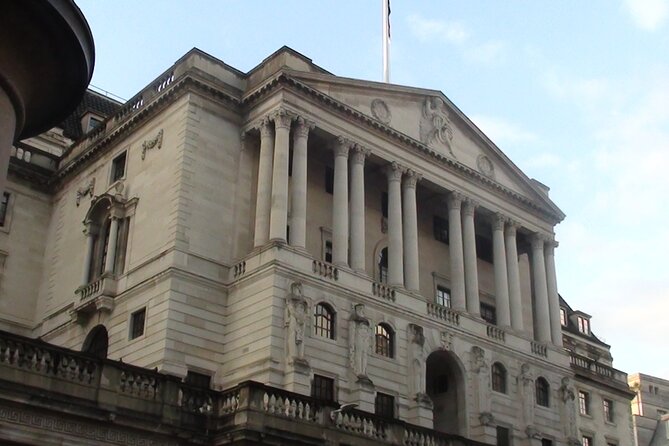
At the Bank of England, the guide brings in a ghost story tied to the early 19th century: Sarah Whitehead, said to have haunted the location. This is an intriguing stop because it’s not a graveyard or prison. It’s commerce and power. That contrast is part of what makes haunted-city stories work so well—you start to think about what people hide behind impressive buildings.
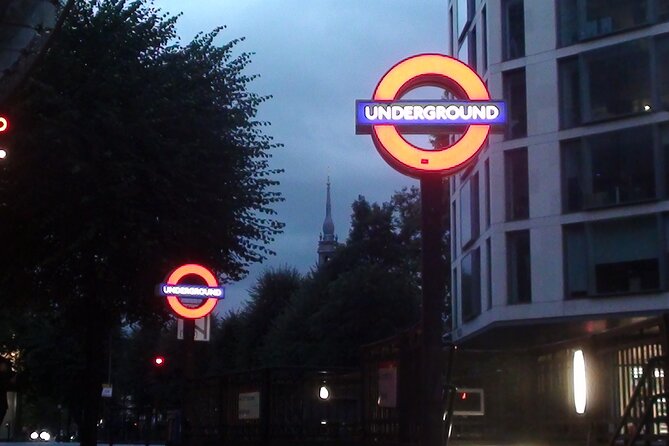
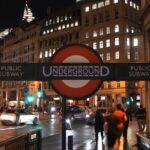
You then stop at St. Mary Woolnoth Church, where the story shifts to ghosts of the London Underground and the mysterious events said to have plagued the station. The mention of plague adds extra weight to the fear factor, because it links the supernatural tone to public health dread and the way cities panic during outbreaks.
The walk continues to Fish Street Hill, presented as one of the city’s famous ghost stations. The guide shares the station’s short-lived history and the supernatural events said to take place there. This is the kind of stop that makes the tour feel like it’s weaving London’s infrastructure into the horror theme. Instead of only “old buildings with ghosts,” you also get “modern systems with rumors.”
For people who like their scares tied to real civic spaces—churches, banks, stations—this part of the walk is often where the tour earns its keep.


The Monument and London Bridge: Great Fire shadows on the Thames
The last stretch is built around two major London symbols: disaster and the river.
First, you reach the Monument to the Great Fire of London, where the guide talks about the Monument’s history and shares the story of the Great Fire itself. This stop brings the tone back into large-scale tragedy. It’s not just a ghost tale—it’s a reminder that London’s scariest moments were once very real, very human, and very city-wide.
Finally, the tour ends at London Bridge, within sight of the Thames. Here you’ll hear the bridge’s history and a ghost story connected to it. Ending at the river makes sense: it’s a natural “final scene” location, with open space and plenty of night atmosphere.
By the time you get to London Bridge, the tour’s full arc makes sense. You’ve gone from a queen’s legend, to prison and crime, to gates and witchcraft, to money and underground lore, and then to one of London’s biggest disasters. It’s an evening route that feels like a guided tour of fear across the city.
What you’ll hear from a ghost hunter and horror author
One of the strongest reasons to book this particular walk is the guide’s background: you’re led by someone described as an experienced ghost hunter and horror author. That matters because it shapes the storytelling rhythm. The guide isn’t trying to be subtle about the tone; they’re aiming for horror with structure.
You’ll also feel the tour’s focus on narrative variety. Early on, you get a famous queen ghost legend. Then grave-robbing crime history. Then prison and demon-dog lore. Later, occult myths, church rumors, and station legends. That mix is why the stories don’t all blur together.
There’s also an energy point worth noting from how the tour is run: the walk is designed to keep going even when bookings are low. One account highlighted that the tour did not cancel even with only a small reservation. That suggests you’re less likely to get stuck with a cancelled night plan and fewer people than expected—something you’ll appreciate if your schedule is tight.
If you’re hoping for a walk that feels like a horror story told through London’s real streets, this is the style.
Value check for $16.44: what’s included and where your money goes
At $16.44 per person for about two hours, you’re paying primarily for the guide and the route experience. The stops are described with free admission tickets, so you aren’t budgeting for extra entry fees each time you stop. For a central London evening, that’s part of the value equation.
What you get is also time-efficient. Each location is held to a short window (around 6 minutes), so you move at a pace that keeps the tour from turning into a long lecture. That’s a smart way to keep attention during night walking.
And since it’s capped at 30, you’re not likely to feel like you’re being swallowed by the group size. The tour is also available in English with confirmation at booking time and a mobile ticket, which keeps the practical side simple.
If you’re trying to choose between a sit-down museum evening and a walking horror hour, this usually fits the “I want entertainment with a sense of place” crowd.
Should you book this ghost walk?
Book it if you want:
- An evening ghost tour that uses real London landmarks instead of generic stops
- A horror-forward tone led by a ghost hunter and horror author
- Photo opportunities around major sights like St. Paul’s, the Bank of England, and the Thames
- A manageable walk that’s mostly easy, with only a few stairs
Skip it (or choose a different style) if:
- You’re not interested in crime and morbid legends like grave robbing
- You dislike walking tours with frequent street-level stops and short story beats
If your idea of a great London night includes spooky stories tied to recognizable places, the Fading Light London Ghost Walk is easy to justify. It’s one of the better “small money, big atmosphere” options for central London after dark.
FAQ
How long is the Fading Light London Ghost Walk?
It lasts about 2 hours.
What time does the tour start?
The start time is 7:30 pm.
Is the tour in English?
Yes, the tour is offered in English.
Where do we meet for the tour?
You meet at 150 Cheapside, London EC2V 6ET, UK.
Where does the tour end, and which Tube station is closest?
The tour ends at Saint Magnus House, 3 Lower Thames St, London EC3R 6HD. The closest underground station at the end is Monument.
What’s included in the ticket?
Your ticket includes a guided experience led by an experienced ghost hunter and horror author, and you’ll receive a mobile ticket.
Is the walk easy, or are there stairs?
The walk is described as pretty easy, but there are a small number of stairs you’ll encounter.
Are service animals allowed on the tour?
Yes, service animals are allowed.
What is the cancellation policy for a full refund?
You can cancel for a full refund if you cancel at least 24 hours before the experience’s start time. If you cancel less than 24 hours before, the amount paid is not refunded.