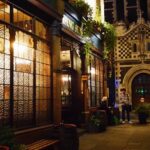
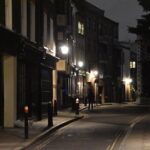
London gets spooky after dark. This London Haunted guided walk mixes macabre rumors with real medieval history, so you get chills and context in the same breath. I like how the stories move from plague-era London to anatomy and grave robbing, then land you at places tied to executions and an 18th-century cemetery watchtower.
What also hits: the guide, Maxime, keeps the pace lively and the tone fun enough for kids and adults. I especially like the St Paul’s Cathedral night photo stop, because it gives you a clear visual anchor before the darker chapters. One consideration: it’s a night walk with multiple outdoor segments, so you’ll want comfy shoes and a bit of patience for standing and moving between sites.
In This Review
- Key Highlights You’ll Actually Feel
- Why London Haunted Works Better After Dark
- Maxime’s Storytelling and the Small-Group Advantage
- Start at Blackfriars, Finish at Farringdon: The Route Logic
- St Paul’s Cathedral at Night: The Photo Stop That Sets the Tone
- Church of St. Bartholomew the Great: Ten Minutes, Big Mood
- Black Death, Medieval Prison, and the Fear-Smart Way History Is Told
- Executions and an 18th-Century Cemetery Watchtower
- Elizabeth I’s Oldest House: When the Scares Have Stones
- What the Tour Feels Like: Chills, But Still Enjoyable
- Price and Value: Is $31.53 Worth It?
- Who Should Book This London Haunted Walk (And Who Might Skip)
- Quick Tips to Make the Night Run Smooth
- Should You Book London Haunted in French?
- FAQ
- How long is the London Haunted tour?
- What does the $31.53 price include, and what is not included?
- Do I need admission tickets for Church of St. Bartholomew the Great?
- Where does the tour start and where does it end?
- What is the group size limit?
- Will I get a mobile ticket, and when will I receive confirmation?
- What is the cancellation policy?
- Is the tour near public transportation and are service animals allowed?
Key Highlights You’ll Actually Feel
- St Paul’s Cathedral by night for photos, right at the start to set the mood
- Small group (max 15) so the guide can keep stories interactive and on pace
- Black Death, medieval prison, and grave robbers woven into one night route
- Anatomists and nocturnal ghost-style tales that connect people, fear, and London’s history
- Stops tied to executions and an 18th-century cemetery watchtower for specific historical anchors
- A French-language guide with energetic storytelling from Maxime
Why London Haunted Works Better After Dark
A London nighttime walk changes the city’s volume. Street corners feel closer, churchyards feel quieter, and even a normal stone facade starts to look like it has secrets. This tour leans into that, but it doesn’t forget the timeline behind the spooky bits.
You’re not just chasing jumpy ghost stories. You get a guided blend of terror and history, including the Black Death and its effects on London life. That matters because the fear has a shape: you’re learning what people believed, what institutions did, and why rumors spread.
And you’re moving at a smart pace. Around two hours means it’s long enough for a satisfying story arc, but not so long that the night turns into an endurance test. If you like your “haunted” stuff grounded in what actually happened, you’ll likely enjoy this format.
You can also read our reviews of more tours and experiences in London.



Maxime’s Storytelling and the Small-Group Advantage
This tour runs with a maximum of 15 travelers, which is a big deal for a night walk. With a smaller group, you’re less likely to get lost in the back row, and you can hear the guide when the stories get more specific. It also helps the mood: the night feels shared, not crowded.
You’ll be with an expert guide who tells the stories with energy. Maxime’s style shows up again and again in how people describe the experience: informative, friendly, and easy to follow. It’s also the kind of guiding that keeps attention from drifting, which is exactly what you want when the plot turns from plague rumors to anatomical history to ghost lore.
There’s also a practical side to the storytelling. Even when the content is macabre, the tour stays watchable and understandable. That’s why it can work for mixed ages, not just for thrill seekers who want the darkest version of everything.
Start at Blackfriars, Finish at Farringdon: The Route Logic
The meeting point is Blackfriar’s, 174 Queen Victoria St, London EC4V 4EG. That’s a solid central start, and it’s also close to public transportation, so you’re not stuck in a “how do I get there” problem before you even begin.
The tour ends at Farringdon Station, Cowcross St, London EC1M 6BY. This is useful because Farringdon links well for getting back to your hotel or catching a later plan. You’ll also finish near transit rather than in a dead-end pocket with no easy way out.
The route is built for an evening stroll, so expect to spend time outdoors and between stops. The tour is listed as most travelers can participate, and service animals are allowed, which helps if you travel with accessibility needs. For a night experience, the best move is to show up ready to walk and ready to listen.
St Paul’s Cathedral at Night: The Photo Stop That Sets the Tone
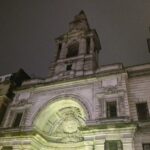
Before the darker stories kick fully in, you get a nighttime photo stop at St Paul’s Cathedral. It’s brief, but it does a lot of work. It helps you orient yourself in the city, and it gives you a clear “London at night” moment before the tour goes medieval.
This kind of opener matters. People tend to enjoy haunted walks more when they can form a mental map fast. St Paul’s does that instantly. It’s an anchor, and once you’ve got that visual in your head, the following sites feel like part of the same story-world.
If you’re the type who likes to take photos but also hates being stuck at one location forever, this stop is a nice balance. You get the picture moment without sacrificing the rest of the two-hour run.
Church of St. Bartholomew the Great: Ten Minutes, Big Mood
One of the first proper story stops is Church of St. Bartholomew the Great. You’ll be standing in front of the church, with the guide sharing a famous haunted story connected to the place. It’s scheduled for about 10 minutes at the stop.
Here’s the key value: this stop isn’t just “look at the church.” It’s framed as a story location, so you’re not wandering while the tour happens around you. The guide builds the narrative, so the site feels like it matters to the plot rather than being background scenery.
The church admission isn’t included, and that’s explicitly noted. So you should plan for the experience to focus on what you can see from outside and in the immediate area. If you also want to go in, that’s separate and would require your own ticket planning.

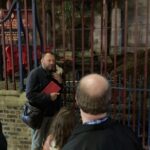


Black Death, Medieval Prison, and the Fear-Smart Way History Is Told
The tour’s backbone is the way it connects fear to real-world events. You’ll hear about the Black Death and its ravages in London, and it’s not presented as abstract tragedy. The stories are meant to show how plague-era reality shaped people’s beliefs, rumor culture, and daily life.
Then the tour shifts into medieval London’s harsher institutions, including the most infamous medieval prison of the capital (described that way on the route). This is where haunted walks can go wrong when they rely only on spooky atmosphere. Here, the prison content gives the haunting a historical reason to exist.
The tour also includes history of anatomists and grave robbers. That theme lands especially well because it’s about bodies, access, and the boundary between law and desperation. It also pairs naturally with ghost-lore storytelling, because people make myths when they don’t fully understand what’s happening.
The result is a night route where the “terror” has context. That tends to make the stories stick after the tour ends.
Executions and an 18th-Century Cemetery Watchtower
You’ll also see the site where a famous figure was executed in the Middle Ages. Even without turning it into a lecture, that kind of stop gives the tour real weight. You’re not just hearing about death as a concept; you’re seeing the physical space where history unfolded.
Then there’s a cemetery-related stop: the watchtower of a cemetery dating from the 18th century. Watchtowers don’t sound spooky on paper, but in the context of graves, secrecy, and night sounds, they turn into the kind of structure your imagination wants to turn into a legend.
This is another reason the tour works: it uses time periods like stepping stones. Medieval execution connects to earlier fear structures. The 18th-century cemetery watchtower connects to later urban habits and the way cities managed spaces for the dead. You end up with a timeline of dread, not just random scary anecdotes.
Elizabeth I’s Oldest House: When the Scares Have Stones
One of the route stops is the oldest house in London built during the reign of Elizabeth I. That detail is exactly why this kind of tour feels different from generic ghost walks. You’re watching history happen in something you can still picture as a building, not only in documents.
This is also where the tour’s tone matters. The guide threads together the architecture-era feeling with macabre rumor style storytelling. Even if you don’t consider yourself a history fan, you can usually connect to the simple idea that this space has outlasted centuries of London change.
If you’re traveling with young people, this kind of concrete stop often helps. It gives them something to focus on that isn’t just supernatural talk. And for adults, it adds credibility, which makes ghost stories more fun rather than less.
What the Tour Feels Like: Chills, But Still Enjoyable
The overall vibe is thrill and history, aimed at young and old. The tour promises chills, but it’s not built like a scare maze where you’re trapped in fear without understanding. It’s more like a controlled walk where the guide hands you context first, then lets the stories do their job.
You also get the benefit of Maxime’s style. People who do multiple tours with him tend to highlight how informative and friendly the guide is, and how the tour doesn’t drag. That matters because haunted walks can either be too intense or too vague. This one keeps a steady rhythm.
Family fit is a real strength. The stories about plague, grave robbers, and nocturnal appearances can sound intense, but the delivery has enough energy and clarity that it can work even when kids are in the group. If your goal is “make history exciting,” this format tends to deliver.
The one tradeoff is tone control. If you want zero spooky elements and a purely academic city walk, this might be more theatrical than you want. But if you want the city’s darker corners with explanations, it fits well.
Price and Value: Is $31.53 Worth It?
At $31.53 per person for about two hours, this is priced like a specialty evening activity rather than a long museum day. The value comes from three things you actually use:
First, you get an expert guide. Haunted content works best when someone explains the why behind the rumor. You’re paying for that storytelling skill and for keeping the route coherent.
Second, you get multiple story locations in a tight time window. You’re not just stopping at one “haunted” spot. The tour includes major anchors: St Paul’s photo, the Church of St. Bartholomew the Great, then sites tied to executions, cemetery watchtowers, and Elizabeth I-era housing.
Third, the group size stays small (up to 15). That’s a real value factor because it affects how well you can follow the guide at night.
Also, you get a mobile ticket, which keeps the pre-tour hassle low. You’re not spending your evening hunting down paper tickets or extra confirmations you don’t need.
Who Should Book This London Haunted Walk (And Who Might Skip)
Book it if you want a night walk that mixes real London history with spooky storytelling. It’s a good choice for people who like medieval themes, plague-era context, and the kind of macabre rumor that feels connected to places you can still see.
It’s also a strong pick for families with older kids. This isn’t a toddlers-only ghost show. Still, the way the stories are told can make history feel approachable, even for kids who might not choose museums on their own.
Skip or reconsider if you hate standing outdoors after dark, or if you’re looking for a strictly historical tour with minimal spooky tone. Also consider that some sites may not be visited inside; for example, the St. Bartholomew the Great stop notes that admission tickets aren’t included.
If you’re traveling in French, this version lines up nicely for French-speaking visitors who want the haunted London vibe without language gaps.
Quick Tips to Make the Night Run Smooth
Bring your patience for a walking tour. Even when the route is paced well, you’ll still spend time moving and pausing outside.
Wear comfortable shoes. Night walks plus historic streets usually mean uneven pavement and long stretches on your feet. If you’re prone to cold, consider a light layer too.
Have your mobile ticket ready on your phone. That’s the easiest way to stay calm at check-in and get moving.
If you want better photos, aim to arrive with your camera ready before the St Paul’s segment. Once you’re into the story stops, you’ll likely focus more on listening than shooting.
And if you have questions about what you’re hearing, ask them. A good guide will adjust the story beats for the group, and Maxime’s style tends to make questions feel welcome.
Should You Book London Haunted in French?
If you want a fun, story-driven London night with real history underneath, I’d book this. The mix of plague-era material, medieval themes, and specific sites like St Paul’s at night and places tied to executions and an Elizabeth I-era house gives the tour shape. Add in a small group and Maxime’s energetic, friendly way of telling stories, and it becomes the kind of evening activity you’ll remember beyond the photos.
One more reason to say yes: it’s built for broad ages. If you’re traveling with mixed interests, this route can keep everyone engaged without turning into a lecture or a gimmick.
If you prefer your history daylight-only or you want zero spooky tone, you might look elsewhere. But for a couple hours of terror with context, this is a solid pick.
FAQ
How long is the London Haunted tour?
The tour lasts about 2 hours.
What does the $31.53 price include, and what is not included?
The price includes an expert guide and the guided walking experience. Dinner is not included.
Do I need admission tickets for Church of St. Bartholomew the Great?
The stop at St. Bartholomew the Great notes that an admission ticket is not included.
Where does the tour start and where does it end?
You start at Blackfriar’s, 174 Queen Victoria St, London EC4V 4EG and you end near Farringdon Station, Cowcross St, London EC1M 6BY.
What is the group size limit?
The tour has a maximum of 15 travelers.
Will I get a mobile ticket, and when will I receive confirmation?
You get a mobile ticket. You should receive confirmation within 48 hours of booking, subject to availability.
What is the cancellation policy?
You can cancel for free up to 24 hours in advance for a full refund. If you cancel less than 24 hours before the start time, the amount paid is not refunded.
Is the tour near public transportation and are service animals allowed?
The tour is near public transportation, and service animals are allowed.