REVIEW · PHOENIX
Phoenix History, Mystery and Ghosts Tour
Book on Viator →Operated by Get Ghosted Phoenix · Bookable on Viator
Phoenix nights have a way of changing the story. This tour blends real local landmarks with hands-on ghost detection for a fun, interactive walk through downtown. You’ll move from house legends to a historic church and end at a landmark that sounds like it was built for spooky questions.
I like two things most: the tour keeps the pace moving with short, focused stops, and you actually get to participate with ghost-hunting style tools at key locations. You also get a private-group format, so it’s easier to ask questions without feeling rushed.
One thing to consider: it’s an evening walking tour, so late start times can make the vibe feel more mature, and you’ll want to be ready for some street noise and short indoor windows where locations may have limited access.
In This Review
- Key things to know before you go
- Phoenix at night: why this ghost tour feels different
- The route: from Que Sazon to Hanny’s in about two hours
- Teeter House: the Mrs. Teeter story that sets the tone
- Rosson House Museum: Victorian vibes plus real ghost-detection tools
- St. Mary’s Basilica: Phoenix’s original Catholic church and a famous ghost tale
- The Renaissance Phoenix Downtown Hotel: the fire story and the lingering lore
- Melinda’s Alley: a short stop with a long-running rumor
- Hanny’s: mysteries in the basement (and a clean ending point)
- The ghost-hunting tools: how to play along (even if you’re skeptical)
- Price and value: what $45 buys you in a private ghost tour
- Who should book this tour (and who might skip it)
- Quick tips so you get the most from the night
- Should you book? My practical verdict
- FAQ
- How long is the Phoenix History, Mystery and Ghosts Tour?
- What does the tour cost?
- Is this tour private?
- Where does the tour start and end?
- Does the tour include ghost-detection equipment?
- Is the tour offered in English?
Key things to know before you go
- Hands-on detection tools are used at the Rosson House Museum and St. Mary’s Basilica
- Two-hour downtown walking route with quick stops built for short attention spans
- Private tour means only your group participates
- Historic variety, not just houses: you’ll cover a Victorian home, a Catholic church, a former luxury hotel, and an alley legend
- Starts at Que Sazon and ends at Hanny’s, with the guide walking you back if you need help finding your vehicle
Phoenix at night: why this ghost tour feels different
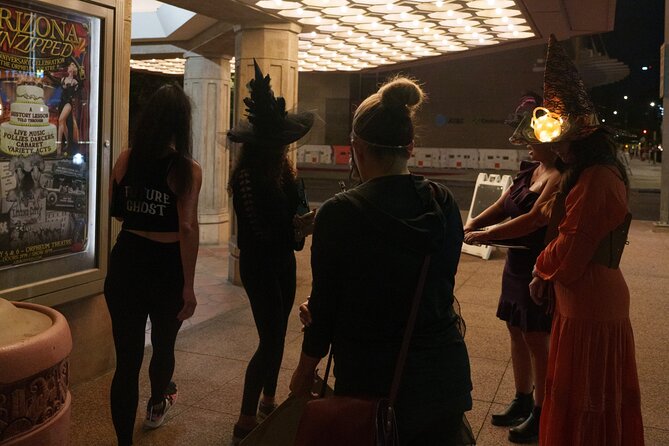
If you’ve done other ghost tours that mostly read like a script, this one has a more active feel. The tour is built around the idea that Phoenix’s history and its folklore grew together. Instead of treating ghosts like the only point, the guide ties each spooky story to a specific building and the people connected to it.
You’ll also get a direct role in the spooky part. The experience includes ghost detection with investigative equipment at select stops, which turns it from passive listening into a sort of downtown mini-lab. One of the strongest recurring comments from past groups is how fun it is to try the devices yourself, even if you don’t come in fully convinced.
The other reason it works well is the guide style. Names that come up again and again include Nadine, Erika, Sara, Arlena, and Arianna. The common thread: they keep the energy up, mix history with mystery, and make it easy for people in your group to stay engaged.
You can also read our reviews of more tours and experiences in Phoenix.

The route: from Que Sazon to Hanny’s in about two hours
Plan on around two hours (approx.) and a decent amount of walking. The stops are tight and timed, which is great for most people because you aren’t stuck at one location too long. It also helps keep the tour lively, since downtown feels different after dark.
You’ll begin at:
Que Sazon South American Cuisine & Ceviche Bar
622 E Adams St, Phoenix, AZ 85004
Then you’ll end at:
Hanny’s
40 N 1st St, Phoenix, AZ 85004
That end point matters. Hanny’s sits in the same downtown area where you can keep your night going. And if you’re trying to remember where you parked, the guide can help by walking you back.
A practical note: since this is an evening event, street conditions and traffic noise can affect how easy it is to hear everything. Some people have noted sound can be a little tough at certain spots, so come prepared to lean in, and don’t worry if you miss a detail—ask right away.
Teeter House: the Mrs. Teeter story that sets the tone
The tour starts with Teeter House. You’re there for about 10 minutes, and the focus is on Mrs. Teeter and her haunted legacy.
This is a smart opening stop. It gives you an immediate Phoenix context—one specific family, one specific place—before the route expands into larger landmarks. If you’re new to Phoenix ghost lore, this early stop helps you understand what kind of stories the guide will keep returning to: local, place-based, and tied to the way downtown developed.
It’s also a good warm-up. Since the tour later includes ghost-hunting tools, starting with a shorter legend makes it easier to get into the mood without feeling overwhelmed.
Rosson House Museum: Victorian vibes plus real ghost-detection tools
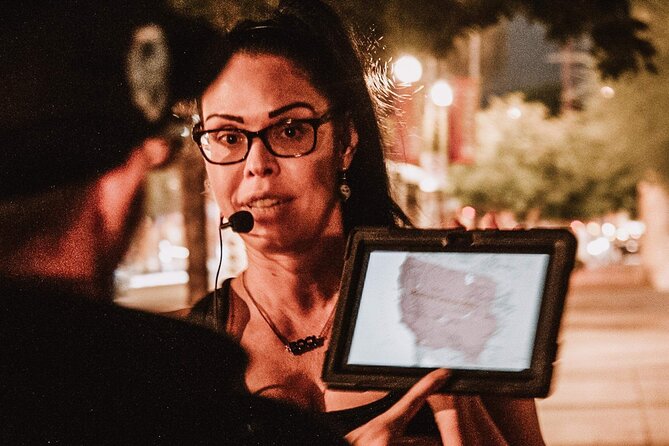
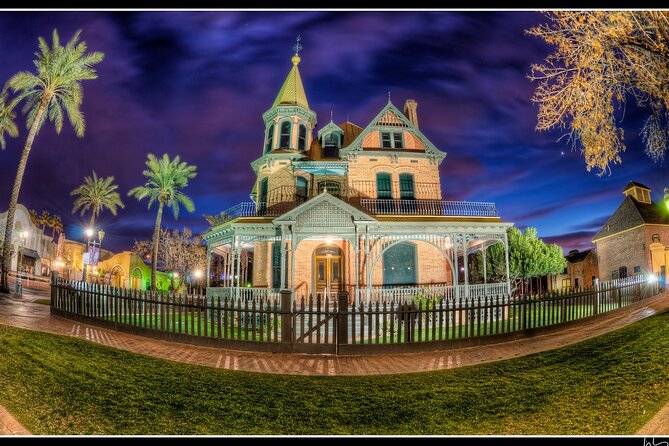
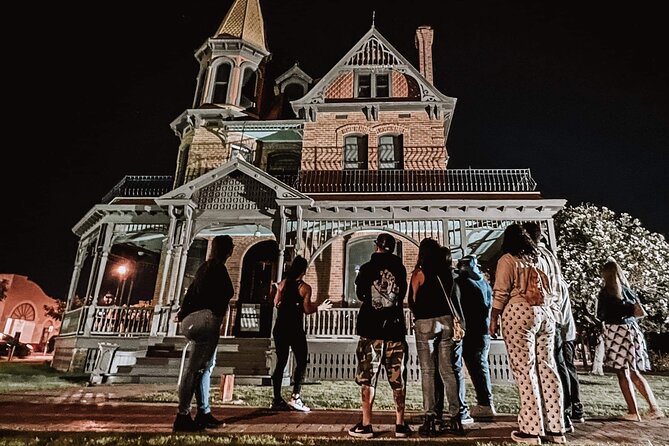
Next up is the Rosson House Museum, about 15 minutes. This stop centers on an iconic Victorian home and the spirits said to have lingered there.
Here’s the big difference: this is one of the stops where you’ll use ghost hunting equipment. That’s where the tour shifts from storytelling to participation. You’re no longer just watching the history unfold—you’re trying the tools, watching the readings, and comparing what you experience with what the legend suggests.
Why this works for value: even at $45, the tour doesn’t just promise spooky fun. It includes the part that most people pay for but don’t always get—actual interaction with detection gear. The Rosson stop is often described as a highlight point for activity, and even skeptics tend to have a good time because you’re doing something instead of just listening.
Possible drawback: a Victorian home museum may have limited access depending on the time of night and how it’s operating. The tour format is designed around getting you the experience it can at night, but your specific moment inside (if any) can vary by what’s available.
St. Mary’s Basilica: Phoenix’s original Catholic church and a famous ghost tale
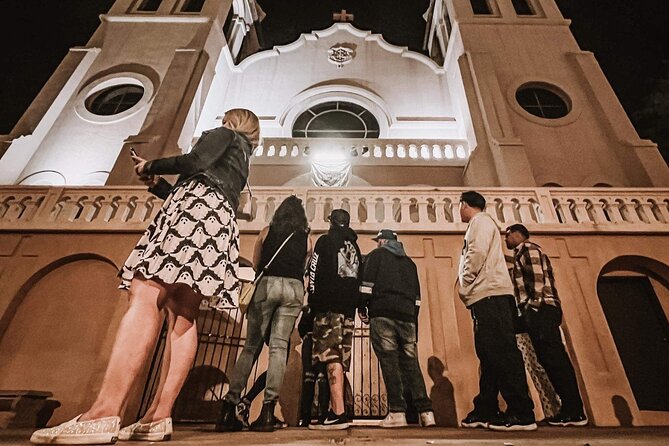
Then you head to St. Mary’s Basilica, another 15-minute stop. This one focuses on Phoenix’s original Catholic church and one of the most famous associated ghost stories.
Like Rosson House, this is also a ghost-hunting tools location. This is the stop where the tour often feels most intense, because the setting is more traditional and solemn, and that changes how the stories land. You’re standing in a real historic place where people once gathered for worship, not just sightseeing.
One recurring detail from past participants is that they’ve seen equipment respond during this kind of church stop—like monitors changing or activity “showing” on the device. Even if nothing dramatic happens, it still becomes a memorable moment because you’re running the investigation in a place that’s already steeped in legend.
Tip for enjoying it: don’t treat every reading like proof. Treat it like a game with a purpose. The fun is in testing, watching, and letting the stories add flavor to what you’re seeing.




The Renaissance Phoenix Downtown Hotel: the fire story and the lingering lore
After the church, you’ll visit the Renaissance Phoenix Downtown Hotel for about 15 minutes. This stop covers the history of what was described as the first luxury hotel in Phoenix, including the fire that burned it down, and the spirits said to have remained afterward.
This is where the tour expands from “one haunting” to “a city-wide pattern.” Phoenix grew fast, and downtown landmarks reflect that. A fire like that leaves scars in memory, and folklore often fills in the gaps left by tragedy.
This stop is also a good reset point. If you’ve been focused on the ghost-hunting tools, the hotel story brings you back to the human side: why people mythologize a place, and how grief and change can fuel legend.
Melinda’s Alley: a short stop with a long-running rumor
Then comes Melindas Alley for about 5 minutes. It’s described as a notorious alley connected to an infamous Melinda, rumored to still roam.
Short stop, big energy. Alley legends are easy to picture, and the quick timing keeps it from dragging. This is the kind of place where you’ll feel the tour shift toward “scene building”—you look at the narrow space, picture what it might have been like when it was more active, and let the story do its work.
If you’re the type who likes atmosphere, this is a stop worth paying attention to. If you only want the investigation tools, think of this as the tour’s palate cleanser: quick, sharp, and atmospheric.
Hanny’s: mysteries in the basement (and a clean ending point)

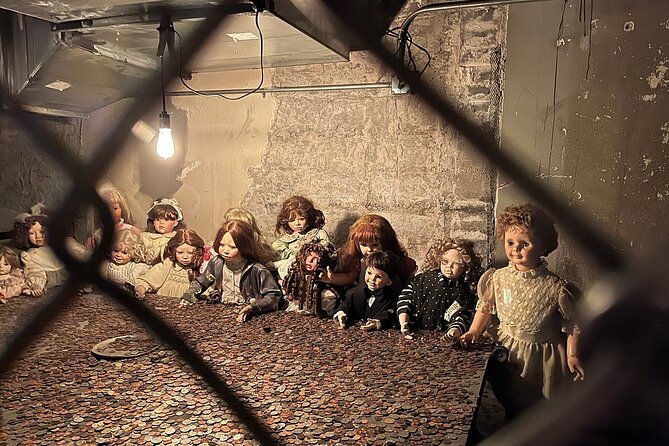
The tour finishes with Hanny’s for about 5 minutes, focused on this historic landmark and the mysteries said to be in its basement.
This stop is a good closer because the tour ends right where you’re sent out into the night, with an actual name-brand destination rather than just dispersing into the dark street. It also ties into one of the most common ghost-tour themes: places where people can’t go easily. Basements carry stories because they’re out of sight, out of routine, and full of “what happened down there.”
If you’ve got the energy, Hanny’s is also a practical “end-of-tour” anchor. It’s a natural place to continue your night.
The ghost-hunting tools: how to play along (even if you’re skeptical)

The tour doesn’t pressure you into believing. That’s important. A big part of the fun comes from treating it like an investigation game with rules you can follow. In several experiences, people have mentioned trying devices like dowsing rods and EMF-style monitoring, and they’ve described seeing readings change—or at least getting surprising results.
Here’s how I recommend you approach the equipment:
- Focus on the moment, not the proof. Watch for changes and compare what the guide tells you to observe.
- Use the group energy. If someone sees something, it can help your whole group pay closer attention.
- Don’t ignore comfort. If you’re tense or sweating, it’s harder to notice small changes. Wear something that doesn’t distract you.
Also, the tour has a habit of aiming for participation, not lectures. One review specifically called out that it included ice water (a small detail, but it matters if Phoenix heat is part of your travel plan before the evening).
Price and value: what $45 buys you in a private ghost tour
At $45 per person, you’re paying for a mix that matters: local storytelling + a set route + a private format + included ghost-detection participation.
Is it a bargain compared to a long museum pass? No. But it’s good value compared to many “listen-only” ghost tours. You’re not just paying for a walk and a script. You’re paying for time with a guide and for structured investigation at the key locations—Rosson House Museum and St. Mary’s Basilica.
The private-group format also changes the feel. You’re less likely to be swallowed by a crowd, which makes it easier to get answers and stay involved. If you’re traveling with friends, it can feel like a shared dare with a history teacher in the group.
Who should book this tour (and who might skip it)
This experience is a strong match if you want:
- a downtown night plan that mixes history and mystery
- a tour where you can participate with ghost-detection tools
- a shorter evening activity that doesn’t require committing to a whole night
It may not be your best choice if you’re expecting a slow, long-form cemetery-style investigation at every stop. The route is fast and focused, and some stops are primarily about story and atmosphere, not constant device use.
It also helps to know the vibe can skew darker later in the evening. One note from a late-time experience (around 8:30pm and later) suggests the tour can feel more mature at night, and there’s mention that many experiences welcome ages 8 and up. If you’re traveling with kids, judge it by your child’s comfort level with scary themes.
Quick tips so you get the most from the night
- Wear shoes you can walk in. The route moves between downtown landmarks and doesn’t linger long.
- Arrive early enough to avoid missing the investigation parts. Being late can cut into the ghost-hunting moments.
- Bring your curiosity. Even if you don’t believe, the tour is set up to be fun without heavy pressure.
- Expect street sound. Traffic noise and open sidewalks can make audio tricky at times, so keep your attention on the guide and ask if you miss a piece.
- Drink water before you start. Heat and walking stack up in Phoenix, and at least one group noted ice water was provided.
Should you book? My practical verdict
I’d book this tour if you want a Phoenix night that feels more like a guided experience than a scripted scare. The combination of downtown history, short stops, and hands-on ghost detection gives you more than just “spooky storytelling.”
I’d think twice if you’re paying expecting every location to be equally hands-on or if you hate walking at night. Also, if you’re sensitive to darker ghost themes at later hours, check timing and match it to your group.
If your ideal ghost tour includes equipment you can use, legends tied to specific places, and guides who keep the mood playful, this one is a very solid bet.
FAQ
How long is the Phoenix History, Mystery and Ghosts Tour?
It runs about 2 hours (approx.).
What does the tour cost?
The price is $45.00 per person.
Is this tour private?
Yes. It’s private, so only your group will participate.
Where does the tour start and end?
It starts at Que Sazon South American Cuisine & Ceviche Bar, 622 E Adams St, Phoenix, AZ 85004 and ends at Hanny’s, 40 N 1st St, Phoenix, AZ 85004. The guide can walk you back if you need help finding where you parked.
Does the tour include ghost-detection equipment?
Yes. The tour uses ghost-hunting equipment at Rosson House Museum and St. Mary’s Basilica.
Is the tour offered in English?
Yes, the tour is offered in English. Confirmation is received at the time of booking.