REVIEW · PHOENIX
Wings of Fire & Whispers of the Desert Phoenix Ghost Tours
Book on Viator →Operated by Phoenix Ghosts By Us Ghost Adventures · Bookable on Viator
Phoenix goes ghostly after dark, and the walking route hits real landmarks with reported hauntings. This one-hour Phoenix ghost tour packs old neighborhoods, true stories, and a chance to spot eerie details as you go. You start at 622 E Adams St at 8:00 pm and finish near Hanny’s at 40 N 1st St.
I love the way the tour mixes local history with the spooky stuff, so the legends don’t feel random. I also like the storytelling style, especially with guides such as Lucas, Marley, and Adam, who keep things interactive and answer questions without rushing you. The vibe is low-key, which makes the whole night feel manageable even if you’re just in town for a short visit.
One thing to consider: this is a short, walk-and-story experience. Some stops feel brief, and you shouldn’t assume you’ll get deep, inside access everywhere, even though a few places have admission-free access built into the stops.
In This Review
- Key points worth knowing before you go
- Phoenix in the dark: what this ghost tour does well
- Where you start at 622 E Adams St (and why it helps)
- The $32 question: is one hour good value?
- Teeter House: Nobuo at Teeter House and the early Phoenix vibe
- Rosson House Museum: Victorian-era haunting in a gothic mood
- St. Mary’s Roman Catholic Basilica: the headless-ghost detail
- Hotel San Carlos: Leone Jensen and the 1928 roof tragedy
- Hilton Garden Inn Phoenix Downtown and Room 432
- The Hanny’s basement stop: chain-link and the weirdness below
- The Melinda alley story: a haunting tied to time
- Tips on guide style: Lucas, Marley, Adam, and the question time
- Walking tour reality check: shoes, pace, and night safety
- What to bring (and what to skip)
- Should you book this Phoenix ghost tour?
- FAQ
- What is the price of the Wings of Fire & Whispers of the Desert Phoenix Ghost Tours?
- How long does the tour last?
- What time does the tour start?
- Where do I meet the tour?
- Where does the tour end?
- Is the tour available in English?
- Is dinner included?
- Does it include motorized transport?
- What should I bring for a night walking tour?
- What is the cancellation window for a full refund?
Key points worth knowing before you go
- A tight one-hour walk with multiple historic photo-worthy stops in downtown Phoenix
- Story-first guiding that leans on researched, documented accounts and keeps the pace conversational
- Famous haunts at major landmarks like Hotel San Carlos and the Hilton Garden Inn
- Basement creep at Hanny’s with a description focused on the weirdness under the store
- A crowd-friendly route size (max 35 people) that still feels social, not chaotic
- Choose the longer option if you want extra stories beyond the standard run time
Phoenix in the dark: what this ghost tour does well
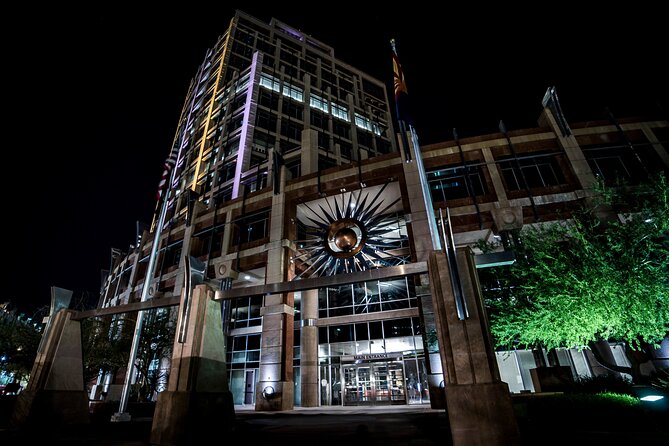
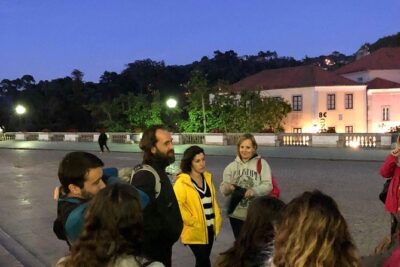
If you like your Phoenix with a twist, this tour is a fun fit. It’s not a big, bus-style production. Instead, you move on foot between a cluster of historic sites, and your guide stitches together the history and the hauntings into one easy evening plan.
The real strength is the balance. You get the background on buildings and neighborhoods, then the ghost stories layer on top. That order matters, because the legends land better when you know what you’re looking at. You’ll also hear the same themes your guide keeps returning to: tragedy, old architecture, and places people remember long after the century turns.
The other big win is pacing. Reviews and the tour format point to a route that doesn’t feel like a sprint, and the guide style can make a difference. Guides like Lucas and Adam are noted for humor mixed with macabre stories, plus time for questions. That turns the tour from a one-way lecture into something you can actually participate in.
You can also read our reviews of more tours and experiences in Phoenix.



Where you start at 622 E Adams St (and why it helps)
You meet at 622 E Adams St, Phoenix, AZ 85004 at 8:00 pm. Starting from a central point is more than convenience. It helps you get oriented fast, which makes a night tour feel safer and less confusing, especially when downtown is busy.
Because this runs at night, you’ll rely on your guide to set the rhythm: when to walk, when to stop, and when to pay attention. The route keeps you outside for parts of the evening, so wear something you can walk in comfortably and plan for street noise. One common complaint is difficulty hearing stories over the sounds of a Friday night, so if that’s an issue for you, choose a calmer night or be ready to listen closely when the group halts.
Also, it’s a walking tour with no motorized transport. That means you’re in charge of your comfort: shoes, hydration, and paying attention to sidewalks and crosswalks.
The $32 question: is one hour good value?
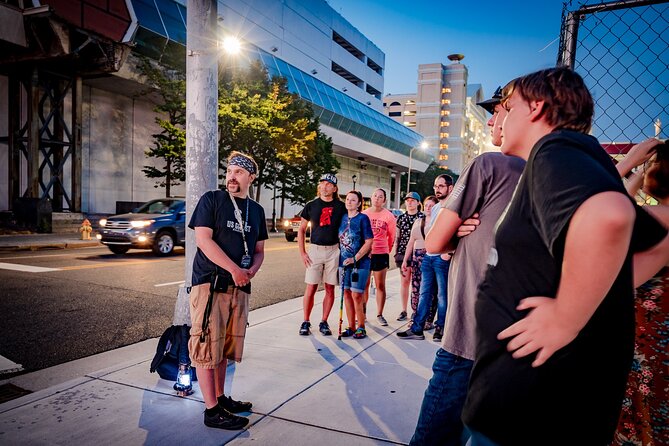
At $32 per person for about one hour, value comes down to what you want from a ghost tour. If you’re looking for a long, multi-stop marathon with lots of interior access, this may feel short. But if you want a practical “first taste” of haunted downtown Phoenix, it’s priced like a night activity you can fit between dinner plans and sleep.
The tour also includes documented accounts and intensely researched true stories. That matters. It’s one reason the stops feel more grounded than random spooky gossip. You’re paying for the guiding and the storytelling effort, not just for the street-corner theatrics.
If you’re the type who likes a few well-chosen stops and clear narratives, you’ll likely feel satisfied. If you want to stay at every location and hunt for clues for a long time, choose the extended tour option to upgrade your experience.
Teeter House: Nobuo at Teeter House and the early Phoenix vibe
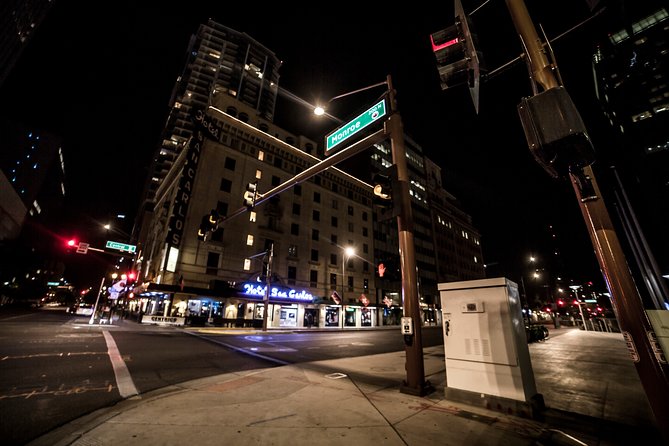
The first stop is the Teeter House area, tied to the famous Nobuo setting. What makes this start compelling is that the building isn’t just a backdrop. The story connects the place to Phoenix’s earliest modern settlement era, reaching back roughly 120 years.
Even if you’re not expecting to feel “haunted” right away, this stop works because it gives you context. You learn what the Teeter House represents in the area’s development, and then the guide adds the unsettling possibility of a ghostly encounter. The lesson here is subtle: on this tour, the spooky part tends to follow real-world layers of time and change.
A drawback to expect: early in the night, you may still be getting used to the group pace and volume. If you’re sensitive to noise or crowds, take a second at the first stop to get your bearings and focus on the guide’s key details.
Rosson House Museum: Victorian-era haunting in a gothic mood

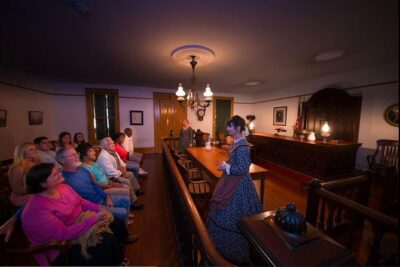
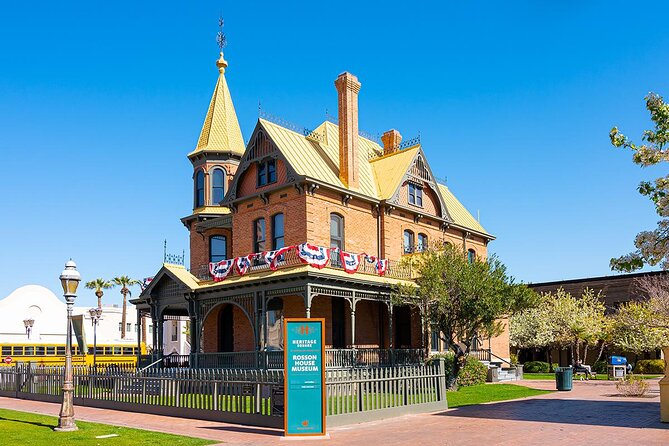
Next up is the Rosson House Museum, built in 1895 and one of the remaining Victorian-era homes in Phoenix. This stop reads like a step back in time, and that matters on a ghost tour. When you see a building style that’s visibly old, the stories feel like they belong to the walls.
Many people associate this house with reports of strange and unexplainable events. You won’t be given a science lab on the sidewalk, but you will get guided narration that frames what others have claimed and why they link it to the home’s atmosphere and age.
One consideration: because the tour is short, you might not have time for slow, independent exploring. You get the guided story first, then you’re on your feet again. If you want to “tour the house” at your own pace, you may need to plan a separate visit during the day.





St. Mary’s Roman Catholic Basilica: the headless-ghost detail
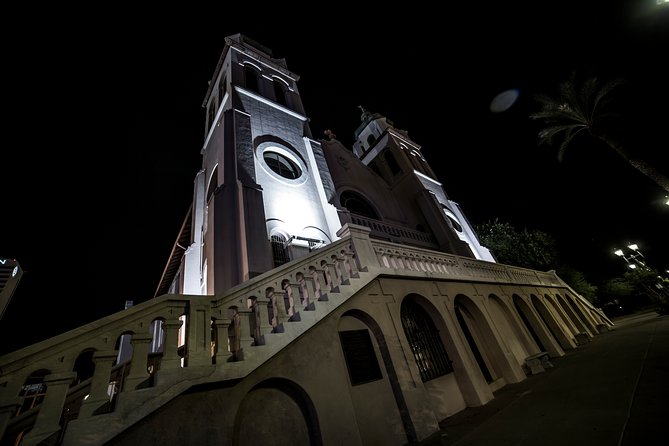
Your next stop is St. Mary’s Roman Catholic Basilica, one of Phoenix’s treasured and historic locations. This is also framed as one of the most haunted stops on the route, with reports about seeing headless ghosts glowing in the archway doors.
What I like about this kind of story is how visual it is. A glowing figure in an archway door is the sort of detail you can mentally map onto the space you’re standing in. It also helps that you’re learning a historic place’s role and style, so the supernatural claims don’t feel like they float free from reality.
Potential downside: this is a religious site. Even if you’re into ghost stories, keep it respectful. Keep your voice low, watch your footing, and don’t treat the place like a photo prop. The creepy atmosphere you came for comes from the guide’s narrative plus the setting, not from pushing boundaries.
Hotel San Carlos: Leone Jensen and the 1928 roof tragedy
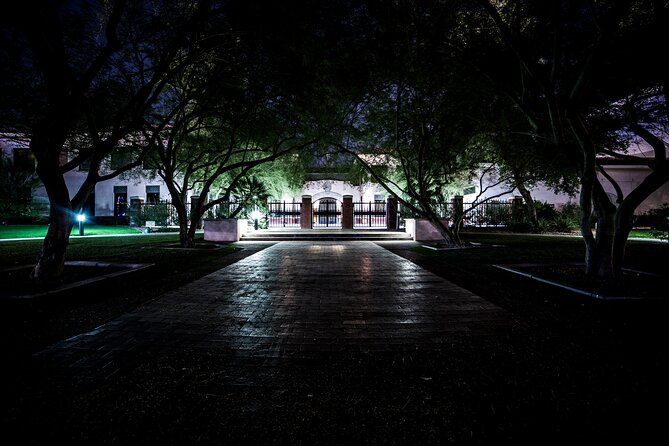
Then you hit Hotel San Carlos, where luxury and lore intersect. The haunting here centers on Leone Jensen, who tragically leapt to her death from the hotel’s roof in 1928.
Your guide ties that tragedy to reported experiences: an apparition in a white gown wandering the halls, plus unexplained whispers. This stop is effective because it has both a clear timeline and a strong location anchor. Stories like this work best when they link an event to a place you can picture.
If you’re the kind of person who gets spooked by sound cues, this stop might land harder. But if you want lighter vibes, don’t worry: the guide’s tone typically aims for spooky-but-friendly. Guides such as Lucas are described as mixing light humor with the macabre, which helps keep the night fun rather than tense.
Hilton Garden Inn Phoenix Downtown and Room 432
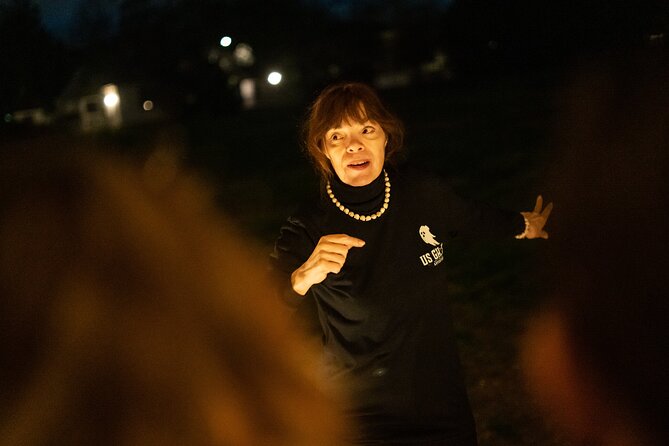
After that, you move to the Hilton Garden Inn Phoenix Downtown, built in 1932 and known for architectural grandeur with ghost stories attached. The tour highlights reports of shadowy figures in hallways and disembodied voices echoing at night.
The specific focal point is Room 432, where many accounts describe guests experiencing inexplicable chills and a strong sense of being watched. Even if you don’t believe in ghosts, this stop is a reminder that “haunted hotel rooms” often stick around in public memory because people connect their experiences to identifiable spaces.
This is also a practical stop because hotels tend to have bright lighting and clear entry points. That can make listening easier than in darker alleyways. Still, remember that the tour is timed, so you’ll get a brief story moment and then continue.
The Hanny’s basement stop: chain-link and the weirdness below
The tour’s end zone is Hanny’s Department store at 40 N 1st St, and the basement is a major focus. The vibe here is described as something strange happening in the basement, where you may feel uneasy or uncomfortable even when peering through a chain-link fence.
This is the most “present-tense” type of stop on the route, because the details emphasize what you can see and what it feels like standing at the edge. The narrative includes the idea of a bizarre display at the bottom of the stairs, and it’s framed as the payoff for why this tour ends here.
If you’re sensitive to creepiness, I’d treat this as the stop where you pay full attention. And if you hate being the last person behind the group, stay close. This is the kind of moment where people naturally slow down to look, and your guide will likely want everyone together.
The Melinda alley story: a haunting tied to time
There’s also a stop along an alleyway with a more than 100-year-old death story: locals report that Melinda still haunts the place where she died. The tour presents her tale as a thrilling narrative, with the haunting linked to that specific stretch of alley.
This kind of story works well on foot tours because alleyways shape how sound travels. Even in a normal city setting, narrow lanes can amplify whispers, footsteps, and awkward silence. On a ghost tour, that effect gets turned up by the guide’s pacing and the group’s attention.
Also, stories like this are useful in a travel way. They show you that the supernatural layer often sits on top of ordinary street geometry—something you can notice even after the tour ends.
Tips on guide style: Lucas, Marley, Adam, and the question time
A lot of the tour’s success seems to come down to the guide. Guides such as Lucas, Marley, and Adam are singled out for being engaging and for keeping the night moving. Lucas is described as interactive and fun, and Adam is praised for explaining the history behind each site and making time for questions.
I’d use that as your planning clue. Go in ready to ask at least one question. When a guide has a good handle on the story threads, your questions help you connect the dots between buildings, events, and the ghost lore.
You should also expect a guided emphasis on reported hauntings plus context about why those claims persist. Some reviews mention visual aids, which can be especially helpful when you’re listening over street noise.
Walking tour reality check: shoes, pace, and night safety
This tour is built around walking and short stops. You’re moving between several locations, and the physical demand is “moderate,” meaning it’s not designed for a slow, stop-and-stare walking pace. Wear comfortable walking shoes. That advice comes up again and again.
Group size is capped at 35, which helps, but it still means you’ll want to stay aware of where you are in line. One concern raised is that not everyone felt fully kept together at all times, so don’t drift ahead to take photos without checking back in.
Downtown Phoenix at night is a normal city scene, but it can feel rougher at street level in some pockets. The best “safety strategy” is simple: stick with your group, stay attentive at crosswalks, and plan to head straight to your next stop afterward rather than wandering.
What to bring (and what to skip)
Because the tour doesn’t include dinner and there’s no motorized transport, treat it like a focused evening activity. Eat before you go. Bring water if you tend to get dry in warm weather, and dress for nighttime temps.
Use your phone time wisely. You can’t listen through a loud city forever, so don’t rely on filming nonstop. If you want photos, step out for a quick shot, then refocus on the guide’s next piece of the story.
Also, this tour is offered in English and uses a mobile ticket. Service animals are allowed, which is helpful for many people. The route is also near public transportation, so if you’re not driving, plan to arrive a little early and avoid running in at the last second.
Should you book this Phoenix ghost tour?
Book it if you want a one-hour, walkable taste of haunted downtown Phoenix with true-story framing at major historic sites. It’s a good value when you’re picking one evening activity and you like spooky history, not long haunted marathons.
Skip it or upgrade your expectations if you need lots of deep interior access at every stop. This tour is short, and the “best haunting” parts are often tied to how the story is told and what you can see from the street or at the edges of a site.
A quick decision checklist:
- You like history plus ghost lore and can enjoy brief stops. Book.
- You hate walking at night or need slow, fully accessible pacing. Consider something else.
- You’re the type who wants the longer option for more story time. Upgrade if available.
If you show up ready to listen and you wear comfy shoes, this tour can be a fun way to see Phoenix after dark and leave with a handful of local stories you won’t get from a day-time sightseeing map.
FAQ
What is the price of the Wings of Fire & Whispers of the Desert Phoenix Ghost Tours?
The tour costs $32.00 per person.
How long does the tour last?
It runs for about 1 hour.
What time does the tour start?
The start time is 8:00 pm.
Where do I meet the tour?
You meet at 622 E Adams St, Phoenix, AZ 85004.
Where does the tour end?
The tour ends at Hanny’s, 40 N 1st St, Phoenix, AZ 85004.
Is the tour available in English?
Yes, the tour is offered in English.
Is dinner included?
No, dinner is not included.
Does it include motorized transport?
No, there is no motorized transport included.
What should I bring for a night walking tour?
Wear comfortable walking shoes and be ready for a moderate walking pace at night.
What is the cancellation window for a full refund?
You can cancel up to 24 hours in advance for a full refund.