REVIEW · CHICAGO
Chicago Ghosts & Haunted History Walking Tour
Book on Viator →Operated by Tours By Foot - Chicago · Bookable on Viator
One step and the city feels different. This 2-hour haunted history walk turns downtown streets into a living crime scene, with spooky stories tied to real places and real tragedies. I especially like the way it starts at the Congress Hotel, then keeps moving through high-drama landmarks like the Iroquois Theatre Fire site and the Chicago River disaster zones. One thing to consider: the content leans dark, with serial killer and death-story themes, and it’s a steady walking route even though each stop is brief.
I also like the practical side. You get a small group (up to 18), a mobile ticket, and a clear ending point at the Clark Street Bridge, which makes it easy to tack on dinner afterward. If you’re hoping for long, theatrical scenes at each location, you might wish it had more time per stop. For most people, though, this fast pace is part of the value: you cover a lot of Chicago’s most infamous corners without wasting hours.
In This Review
- Key Things I’d Prioritize Before You Go
- Sunset Streets and Spooky Stories: What the Experience Feels Like
- Where It Starts: Congress Plaza Hotel and the Most Haunted Hotel Pull
- Nederlander Theatre Area: The Iroquois Theatre Fire at Stop One
- The Chicago River Stop: Learning the S.S. Eastland Disaster
- West Couch Place and Death Alley: Why This Stop Lands
- 2131 S Dearborn St: The Everleigh Club Stop You Can Still Picture
- The Missing Pieces: Prison Break Stories and Serial Killer Threads
- How Long It Takes and How the Route Moves (2 Hours, Small Group)
- Price, Timing, and Value for $49
- Practical Tips Before You Start
- Who This Tour Fits Best
- Should You Book Chicago Ghosts & Haunted History?
- FAQ
- What is the duration of the Chicago Ghosts & Haunted History walking tour?
- How much does the tour cost?
- Where does the tour start?
- Where does the tour end?
- Do I need an admission ticket for the stops?
- How do tickets work?
- What group size should I expect?
- Is cancellation allowed if plans change?
Key Things I’d Prioritize Before You Go
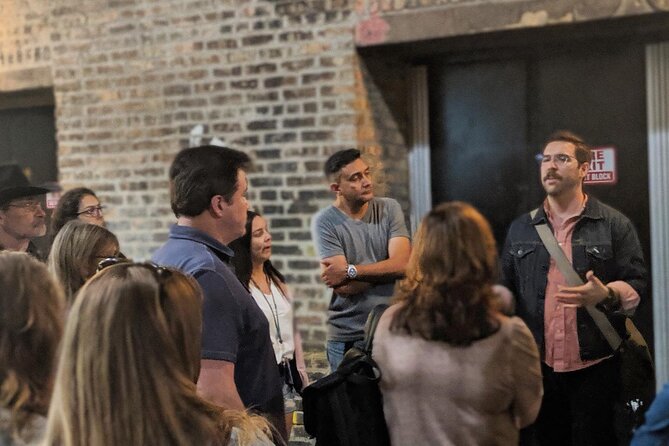
- Congress Hotel first: the tour launches at a landmark often called the most haunted hotel in Chicago
- Five-minute landmark stops: short, focused storytelling at each site keeps the pace lively
- Major Chicago tragedies on the route: the Iroquois Theatre Fire and the S.S. Eastland disaster are central stops
- Death Alley stop: West Couch Place is treated as a grim chapter you can actually stand on
- Everleigh Club stop at 2131 S Dearborn St: a firsthand look at a high-class brothel era
- Guides with paranormal expertise: expect a mix of local lore and spooky delivery, with guides like Kelly noted for being especially fun and expert
Sunset Streets and Spooky Stories: What the Experience Feels Like
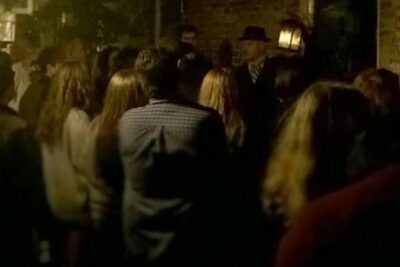
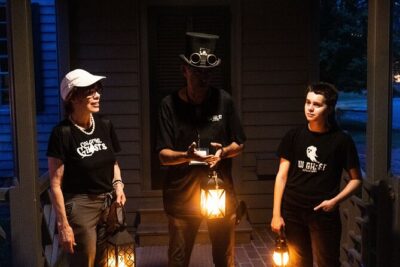
This tour is built for that hour when Chicago looks sharp but the shadows feel longer. You walk as the day cools down, moving through downtown with a guide who ties ghost lore to actual addresses and events. The effect is simple but powerful: once you’re standing where something happened, the story sticks.
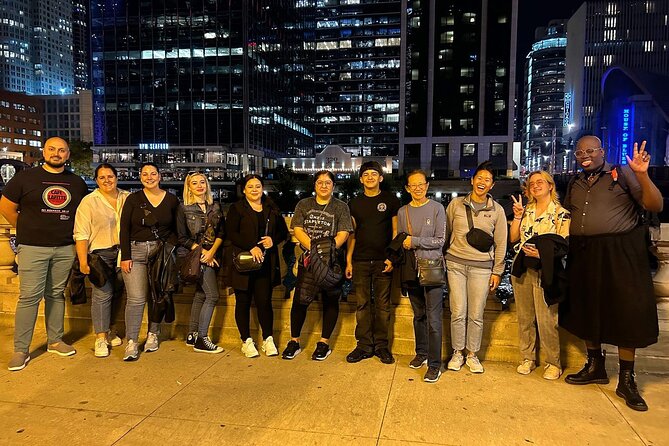
The vibe is part classroom, part campfire. You get a real timeline feel for how different eras collided in the city’s streets—then the guide threads it together with haunting details. There’s also a strong “small-group attention” feel, since the tour caps at 18 people.
If you’re the type who likes your history with atmosphere, you’ll likely have a great time. If you prefer ghost stories with zero references to violence, you’ll want to decide whether this one fits your comfort level, because it doesn’t shy away from grim material.
You can also read our reviews of more tours and experiences in Chicago.


Where It Starts: Congress Plaza Hotel and the Most Haunted Hotel Pull
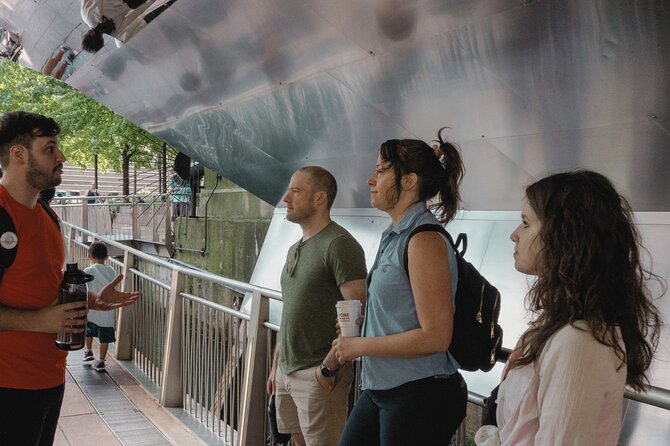
The adventure begins at the Congress Plaza Hotel & Convention Center, 520 S Michigan Ave. From the start, the guide focuses on the hotel’s reputation for creepy legends. That’s not just marketing fluff either. The tour uses the Congress Hotel as a launching point to talk about Chicago’s darker characters, including H. H. Holmes, the city’s first serial killer.
What I like about putting this location first is pacing. It grabs your attention immediately, before you’ve had time to mentally switch off. Then every other stop feels like a continuation of the same theme: Chicago’s past wasn’t neatly packaged. It was messy, violent, and often hidden in plain sight.
Also, since this is a convention-center area, it’s easy to find your way to the meeting point. You’re already in the grid of downtown, so you’re not spending your “haunted time” figuring out where you are.
Nederlander Theatre Area: The Iroquois Theatre Fire at Stop One
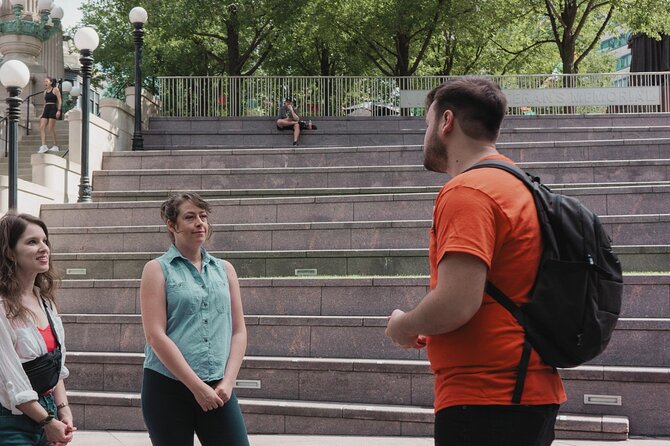
Next up is the James M. Nederlander Theatre area. The key focus here is the tragic 1903 Iroquois Theatre Fire, when 602 patrons lost their lives.
Even with a short stop, this location hits hard. Theatre districts tend to cluster big crowds, and big crowds mean big stakes when something goes wrong. Standing near where the disaster unfolded gives the story a sharper edge than reading about it later.
Practical note: this is one of those stops where people often pause and look around. It helps to be mentally ready for a moment of stillness, even if the tour keeps moving on schedule.
The Chicago River Stop: Learning the S.S. Eastland Disaster
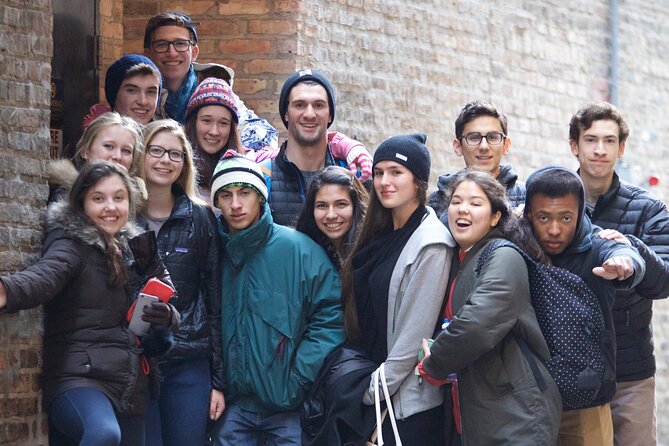
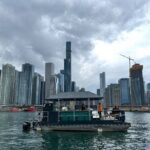
The tour then heads to the Chicago River for the S.S. Eastland Disaster story. In 1915, the passenger tour ship rolled over while docked, and more than 800 people were killed.
This stop works well because water changes how you picture a disaster. You can look at the river and instantly understand why docked ships can become deadly in a hurry. The guide’s job here is to make the event feel real and local, not like a distant headline.
If you like disaster history, this is one of the strongest chapters. If you don’t, you’ll still come away with a clearer sense of how crowded river tourism and everyday harbor activity could turn into catastrophe.
West Couch Place and Death Alley: Why This Stop Lands
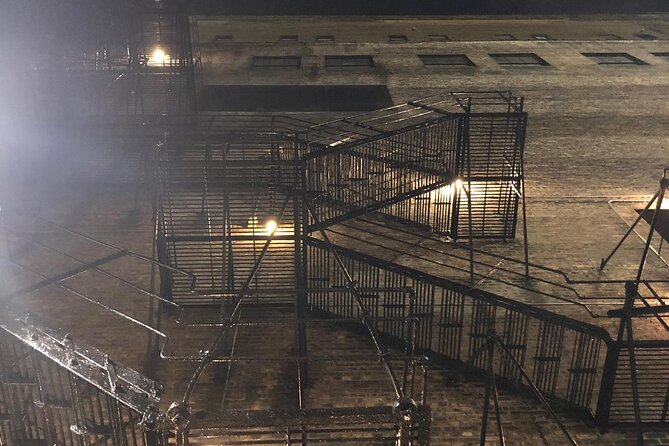
The next location is West Couch Place, often described as Death Alley. This stop ties directly to the Iroquois Theatre Fire aftermath, when bodies were stacked six high.
I’ll be direct: this is the most unsettling stop on the route. It’s not trying to be spooky for fun. The point is to show you how quickly a catastrophe can overwhelm systems—and how the city handled the unthinkable.
For some people, the discomfort is exactly why they came. For others, it’s where they start thinking about whether the tour’s tone matches their taste. If you’re sensitive to detailed death imagery, you might want to step back mentally here and focus on the broader historical lesson rather than the graphic framing.


2131 S Dearborn St: The Everleigh Club Stop You Can Still Picture
At 2131 S Dearborn St, the tour shifts from tragedies to a different kind of dark: the Everleigh Club, a high-class brothel in the early 1900s.
This stop is valuable because it adds context. When you only hear about disasters, you get one kind of Chicago. When you include places tied to desire, secrecy, and money, you get a fuller picture of what lived alongside the city’s public image.
The Everleigh Club story helps explain how “history” isn’t only famous buildings and famous speeches. It’s also the businesses that people pretended not to notice. And it’s especially interesting in Chicago because so much of the past is still visible in street layouts and old districts that didn’t disappear, they just changed names and reputations.
The Missing Pieces: Prison Break Stories and Serial Killer Threads
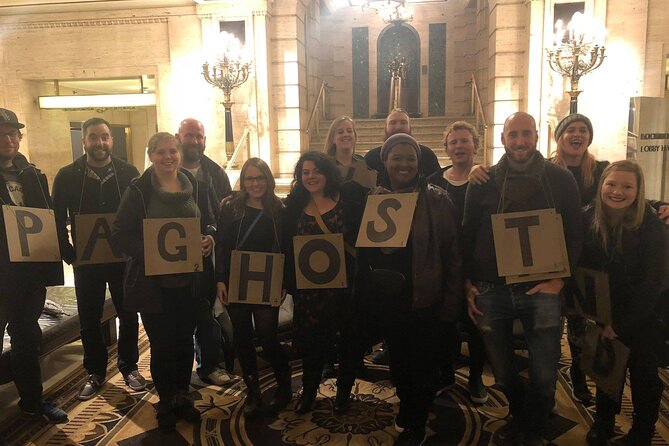
Between the named stops, the guide weaves in a few broader themes: downtown prison breaks and additional serial killer-linked stories tied to the era’s underbelly.
I like this approach because it prevents the tour from feeling like a checklist of unrelated events. Instead, it feels like you’re watching a pattern form. Chicago’s streets connect things: entertainment districts, river traffic, hotel lore, and the people who operated in the shadows.
You should expect a mix of facts and spooky framing. The “paranormal expert” angle keeps the tone consistent, but the tour still stays grounded in what happened and where it happened.
How Long It Takes and How the Route Moves (2 Hours, Small Group)
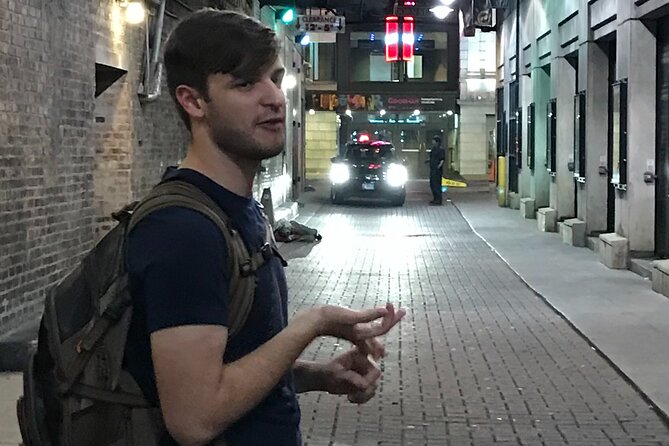
The tour runs about 2 hours and keeps things tight. The stops listed are short (around 5 minutes each), which changes how you experience the walk. You’re not meant to linger at every corner. You’re meant to move, listen, absorb, and then move again.
That’s a plus for most visitors because it helps you cover multiple major sites without killing your evening. It’s also a reason the tour works best as a standalone event: you’ll want dinner after, not a full museum day first.
With a maximum group size of 18, you’re unlikely to feel swallowed. You’ll also get enough attention to ask a question if something catches your interest.
Price, Timing, and Value for $49
At $49 per person, this tour is priced for what you’re actually paying for: a guided walk, paranormal expertise, and access to multiple landmark stories in a compact window. You’re also not paying extra for admission at the main sightseeing points listed, which keeps the cost predictable.
Here’s how I think about the value. If you’d otherwise spend your time bouncing between a few paid attractions, you’d often end up with less context and less connection. This tour gives you that “why it matters” layer while you’re standing right where the events took place.
The other smart value piece: it’s designed for evening touring. That matters in Chicago, where daylight hours can get swallowed by transit, long meals, and museum lines. A tight 2-hour night walk can help you make the city feel like a story, not just a photo set.
Practical Tips Before You Start
To get the most out of the haunted route, I’d plan like this:
- Wear shoes you’re happy to walk in for two hours, since it’s a city-street route with frequent stops.
- Bring a light layer if you’re out around sunset; Chicago evenings can turn cool fast.
- If you’re booking for a group, decide early how intense you want the theme to be. The stories include serial killer material and graphic tragedy aftermath.
- Use your mobile ticket when you arrive so you’re not slowed down by paperwork.
Also, the tour ends at the Clark Street Bridge. That’s a handy end point. It helps you smoothly switch gears after the tour, especially if you’re planning a late dinner or an easy transit hop.
Who This Tour Fits Best
This is a strong match if you:
- love Chicago street-level storytelling tied to real sites
- enjoy haunted history without needing special effects
- want several major stories in one evening rather than chasing them across town
It may not be your best pick if you:
- want ghost vibes only, without mentions of serial killers and the dead
- prefer long, detailed visits at fewer sites
- dislike walking at dusk
Should You Book Chicago Ghosts & Haunted History?
If you like your Chicago with a little menace and a lot of place-based storytelling, I’d book this. The value is in the compact route: you cover major events and districts in a couple hours, and you do it with a paranormal expert guide who can keep the tone engaging.
My one caution is content level. This is not a gentle “spooky legends” stroll. It includes serious tragedies and serial killer-related stories, plus the especially grim Death Alley stop. If that fits your idea of fun, you’re going to leave with a city map that feels darker and more memorable.
If you’re on the fence, think of it like this: you’re paying for an evening that turns downtown Chicago into a coherent haunted narrative, not just a walk past landmarks.
FAQ
What is the duration of the Chicago Ghosts & Haunted History walking tour?
It’s about 2 hours.
How much does the tour cost?
The price is $49.00 per person.
Where does the tour start?
The tour starts at the Congress Plaza Hotel & Convention Center, 520 S Michigan Ave, Chicago, IL 60605.
Where does the tour end?
The tour ends at the Clark Street Bridge on N Clark St, Chicago, IL 60654.
Do I need an admission ticket for the stops?
The listed stops include admission ticket free notes, so you should not need to buy separate entry tickets for those specific locations.
How do tickets work?
You receive a mobile ticket.
What group size should I expect?
The tour has a maximum of 18 travelers.
Is cancellation allowed if plans change?
Yes, you can cancel for a full refund up to 24 hours in advance of the experience start time.