REVIEW · CHICAGO
Prairie Avenue Haunted History Tour and Ghost Hunt
Book on Viator →Operated by Chicago Hauntings · Bookable on Viator
Chicago’s Prairie Avenue feels different at 8 pm. This tour blends Gilded Age architecture with a no-nonsense ghost hunt on the Near South Side. I love that it mixes big, specific stops with practical pacing, and I love the guide energy, especially when the stories turn spicy and funny. One thing to plan for: it runs in the evening and can get cold fast.
The route starts at the Glessner House and keeps you moving through some of the neighborhood’s most famous façades. You’ll use provided ghost-hunting gear while your guide links each place to scandals, tragedies, and local legend. The vibe is active enough to feel like a proper night out, not a lecture that drags.
If you’re expecting a theme-park spectacle, temper that with the reality of standing outside for stretches. You’ll still get plenty of atmosphere, but your biggest weapon is preparation: layers, patience, and a sense of humor when the cold bites.
In This Review
- Key moments I think you’ll care about
- Prairie Avenue after dark: from Glessner House to a real ghost hunt
- Price and value on a $40 Chicago haunted history tour
- Timing, group size, and the mobile ticket setup
- Stop 1: Marshall Field Jr Mansion and the scandal-soaked first scare
- Stop 2: Clarke House Museum and Chicago’s oldest-building angle
- Stop 3: Keith House and the 1870s mansion pace
- Stop 4: Second Presbyterian Church at night for Gothic Revival chills
- Prairie Avenue Historic District walk: from trails to Millionaire’s Row legends
- Using the ghost-hunting gear without overthinking it
- What makes the guide matter on this tour (Tony’s storytelling style)
- Practical tips for a better Prairie Avenue ghost hunt
- Who should book this tour, and who might want a different plan
- Should you book Prairie Avenue Haunted History Tour and Ghost Hunt?
- FAQ
- Where does the Prairie Avenue tour begin?
- What time does the tour start?
- How long is the tour?
- How much does it cost?
- Is the ticket mobile?
- What’s included besides the walking tour?
- Are there admission fees at the stops?
- What group size should I expect?
- Do you need good weather?
- Are service animals allowed?
- Is it near public transportation?
Key moments I think you’ll care about
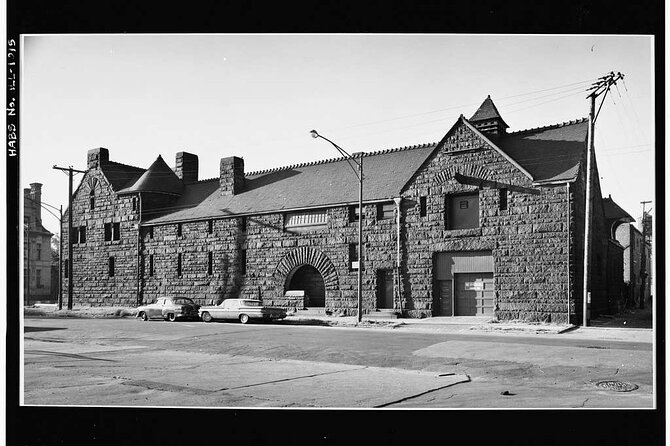
- Gilded Age mansions on Prairie Avenue, including Marshall Field Jr Mansion and the Clarke House Museum area
- Ghost-hunting gear in the field, not just talk in a dark classroom
- A small group (up to 25), which makes questions feel welcome
- Free admission at each stop listed on the route, so your $40 goes farther
- Tony-style storytelling: history, humor, and spooky anecdotes tied to each location
Prairie Avenue after dark: from Glessner House to a real ghost hunt
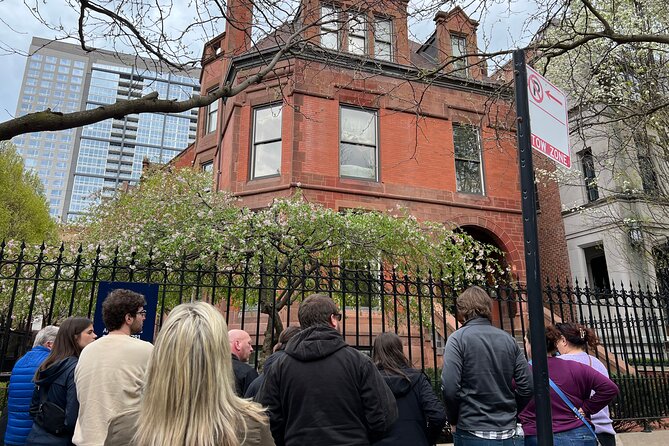
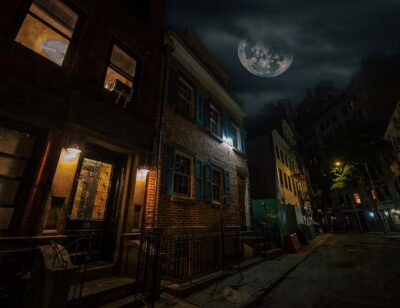
Prairie Avenue has a reputation for grand homes. At night, that reputation turns into something more interesting. You start at the Glessner House (1800 S Prairie Ave) right around 8:00 pm, and then you’ll fan out through the Prairie Avenue Historic District while your guide sets the mood with the kind of details that make old stone feel current.
What makes this tour work is that it stays rooted in place. You’re not just hearing generic ghost folklore. Your guide connects each stop to what happened there, then adds the local ghost stories—so you’re always switching between history and mystery instead of getting stuck in one lane.
I also like the “get your bearings fast” pacing. The tour is about 2 hours 20 minutes, and the stops are time-boxed, which keeps the evening from dragging. That matters when it’s cold and you’re standing outdoors with gear in your hands.
You can also read our reviews of more tours and experiences in Chicago.



Price and value on a $40 Chicago haunted history tour
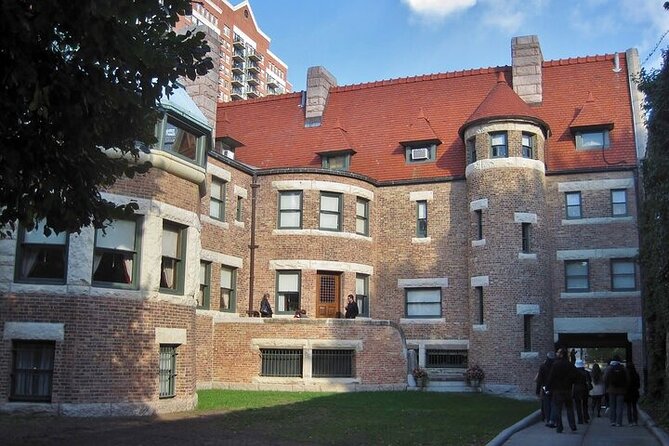
At $40 per person, this isn’t a budget ghost tour, but it also isn’t a money-sink. The best value move here is how the stops are presented: each listed stop includes free admission. That means you’re mostly paying for the guide-led route, the storytelling, and the ghost-hunting experience—not entry fees.
You also get a two-in-one format: architecture and scandal on one side, ghost-hunting on the other. If you normally do either a history tour or a ghost tour, this gives you the best of both worlds in one night.
There’s one practical trade-off to understand. Because the stops are outdoors and time is shared among multiple locations, you won’t have hours to linger inside any single building. If you prefer long museum-style time, you might feel a little “checked through.” If you like motion and story-driven sightseeing, it’s a good fit.
Timing, group size, and the mobile ticket setup
This is a mobile ticket experience, so you can keep it simple on your phone. You’ll also get confirmation at booking time. The group size is capped at 25 travelers, which usually means you can hear your guide and ask questions without feeling lost in a crowd.
The tour starts at 8:00 pm and ends back at the meeting point. That round-trip format is convenient when you’re pairing this with dinner or another evening plan near the Near South Side.
Plan your clothing like it’s Chicago in the winter or shoulder season—because cold is a real theme on this route. One review mentioned being underdressed on a chilly night. My advice: bring layers, wear warmer socks than you think you need, and consider gloves. You’ll need your hands free for the ghost-hunting gear, and you’ll enjoy the stories more when you’re comfortable.
Stop 1: Marshall Field Jr Mansion and the scandal-soaked first scare
Your evening kicks off at the Marshall Field Jr Mansion. This is where the tour sets its tone: famous house, dramatic backstory, and ghost stories layered onto the real-world scandals that made people whisper.
You’re there for about 20 minutes. That’s enough time to take in the exterior, hear how the property fits into Prairie Avenue’s rise, and get the first set of ghost-hunting instructions or challenges your guide sets for the night.
The advantage of starting here is momentum. You’ll be primed for the rest of the route right away, and the guide will likely explain what you’re looking for as you move from stop to stop. The possible drawback is obvious: the first stop is also the coldest moment, since you’re standing there early in the night. If you can bundle up before you arrive, do it.
Stop 2: Clarke House Museum and Chicago’s oldest-building angle
Next up is the Clarke House Museum, the Henry B. Clarke House. This is a Greek Revival-style house, which is a nice break from the mansion glam of the other stops. The tour uses the building’s age and style to talk about Chicago’s darker edges and the kind of history that doesn’t always make it into postcards.
You’ll get around 20 minutes here, and the focus is on the idea that this structure is tied to Chicago’s early chapters. The “oldest building” angle matters because it gives the ghost stories roots. The more anchored the story is in what the building represents, the easier it is to buy into the mood.
You can also think of this stop as a correction. If you come in expecting only “big rich people” legends, this one brings the story back to the city’s earlier timeline. That balance makes the tour feel less like a haunted walk and more like a guided interpretation of Prairie Avenue itself.




Stop 3: Keith House and the 1870s mansion pace
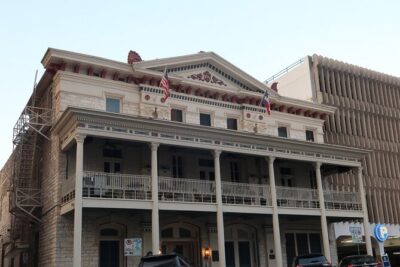
Then you’ll stop by the Keith House, a distinct 1870s mansion located in the heart of the Prairie Avenue Historic District. This part of the night is about variety—different architectural flavor, different era, and different types of stories.
Again, plan for about 20 minutes. The tour keeps the rhythm moving, so you’ll likely be doing quick exterior observations while your guide talks through why the location matters. This is the point where your brain starts connecting patterns: how wealth rose here, how families and designers shaped the area, and how legends grew around those lives.
One thing to remember: because it’s a walk-and-listen format, you won’t have time to study every detail like a photo tour would. If you want pictures, take them quickly and be ready to keep moving when your guide calls the group back together.
Stop 4: Second Presbyterian Church at night for Gothic Revival chills
After the mansion stops, you’ll head to the Second Presbyterian Church of Chicago. This is described as a landmark Gothic Revival church, and it’s the kind of architecture that naturally supports spooky stories—taller lines, dramatic shapes, and a strong sense of “place.”
You’ll spend about 20 minutes here. The tour focuses on the haunted history of a house of worship, which shifts the tone from private wealth to public life. That change is a big part of why the tour feels balanced. Ghost stories don’t just belong to mansions; they also cling to community spaces and the people who built them.
If your tolerance for eerie settings depends on weather, here’s your moment. Churches feel darker when it’s windy or foggy. Dress for comfort, and lean into it. The cold is part of the atmosphere, but it shouldn’t ruin the experience.
Prairie Avenue Historic District walk: from trails to Millionaire’s Row legends
The longest part of the route is the Prairie Avenue Historic District section—about 1 hour. This is where your guide ties everything together: the area’s history as an Indian trail, its eventual rise as 19th-century home turf for the rich, and then the ghost stories and scandals that came along for the ride.
This is also where specific names enter the story in a way that helps you see Prairie Avenue as a real urban timeline, not just spooky buildings. The tour highlights connections to figures like George Pullman, who designed the famous train sleeping car, and to architect Henry Ives Cobb, designer of the Newberry Library. You’ll also hear stories that connect these people to the grand homes you’re passing.
Why this segment is valuable is simple: it turns isolated photo ops into one coherent narrative. Once you understand that Prairie Avenue shifted from a trail into a high-status corridor, the haunted stories make more sense. They stop feeling random and start sounding like the city’s way of remembering itself.
The possible drawback is timing. Because this is a longer walk, you’ll feel the cold more. Keep moving, take breaks only when your group pauses, and don’t plan on being perfectly warm by the end.
Using the ghost-hunting gear without overthinking it
This tour includes ghost-hunting gear, and you’ll get a chance to use it during the experience. The exact tools aren’t specified in the details you provided, so I’d treat it as hands-on equipment your guide provides for the night.
Here’s the trick to enjoying this part: treat it like an experiment, not a promise. Some nights can feel “active” in the way the tour feels to you—one review described an unusually creepy and exciting night. But your experience will also depend on weather, crowd energy, and your willingness to play along.
If you want to get the most out of the gear, come ready to follow instructions quickly and keep your hands steady while listening to the story. And if your device doesn’t produce anything dramatic, don’t let that kill the night. The real win is the combination of history, mood, and guided problem-solving in the dark.
What makes the guide matter on this tour (Tony’s storytelling style)
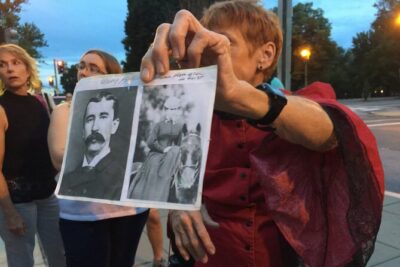
Every successful haunted history tour rises or falls on the guide. In the feedback you shared, the recurring theme is Tony—a guide praised for being a fountain of neighborhood history and for telling stories with humor.
What stands out is not just that Tony knows details, but that he handles questions well and answers them with enthusiasm. That’s important because Prairie Avenue is full of names and architectural terms. When your guide can explain without talking down, you actually absorb the setting instead of just tagging along.
This is also a tour with a “date night” feel. People mentioned going on a chilly evening and having enough fun that they stopped noticing the cold after a while. That’s a strong sign the guide keeps the energy moving and doesn’t treat the night like a slog.
If you prefer guided experiences where you can ask follow-ups, you’ll likely appreciate this format.
Practical tips for a better Prairie Avenue ghost hunt
- Dress for Chicago nighttime, not daytime. Bring layers and warm socks, especially since you’ll be outdoors for multiple stops.
- Use the group timing to your advantage. Each stop is about 20 minutes (with the district walk at 1 hour), so be ready to look, listen, and move.
- Charge your phone before you go. You’ll use a mobile ticket, and you’ll want a calm check-in.
- Bring curiosity. The stories here mix scandals, design, and famous Chicago names like George Pullman and Henry Ives Cobb, so your brain has plenty to chew on.
Who should book this tour, and who might want a different plan
You should book this if you want a Chicago night that’s part sightseeing, part story performance, and part hands-on spooky fun. It’s especially suited to people who like history but also want their evening to feel playful.
It’s also a good choice for couples and small groups since it moves at a social pace and includes a lively guide voice. And because the max group size is 25, you’ll usually get a better sense of community with your fellow walkers rather than being swallowed by a big pack.
You might skip it if you’re uncomfortable standing outside after dark or if you need a tour that’s mostly indoor and warm. The “requires good weather” note also matters. If weather is rough and the tour is canceled, you’ll be offered another date or a full refund—but that means flexibility helps.
Should you book Prairie Avenue Haunted History Tour and Ghost Hunt?
If you want a night in Chicago that mixes architecture, neighborhood storytelling, and ghost-hunting gear, I’d say yes. The $40 price feels fair because the stops listed include free admission, and the evening gives you multiple stops instead of one long segment.
I’d book it if you enjoy guides who can keep the pace moving and answer questions—especially if you get a guide like Tony, who’s repeatedly described as funny, enthusiastic, and deeply tied to the neighborhood’s stories.
The only real caution is the weather and the cold. Go prepared, and you’ll turn that chill into part of the atmosphere instead of an obstacle.
FAQ
Where does the Prairie Avenue tour begin?
It starts at the Glessner House, 1800 S Prairie Ave, Chicago, IL 60616. The activity ends back at the meeting point.
What time does the tour start?
The start time is 8:00 pm.
How long is the tour?
The duration is about 2 hours 20 minutes.
How much does it cost?
The price is $40.00 per person.
Is the ticket mobile?
Yes. The tour uses a mobile ticket.
What’s included besides the walking tour?
You’ll be given ghost-hunting gear and you’ll hear ghost stories as you visit the stops.
Are there admission fees at the stops?
The information provided lists admission as free at each stop on the route.
What group size should I expect?
The tour has a maximum of 25 travelers.
Do you need good weather?
Yes, this experience requires good weather. If it’s canceled due to poor weather, you’ll be offered a different date or a full refund.
Are service animals allowed?
Yes, service animals are allowed.
Is it near public transportation?
Yes, it is noted as near public transportation.