REVIEW · PENSACOLA
Pensacola Ghosts in the City: Haunted Walking Tour
Book on Viator →Operated by Pensacola History and Hauntings Ghost Tours, Paranormal Investigations, and Spooky Events · Bookable on Viator
Pensacola at night has a mean streak. I like that this tour mixes ghost-hunting equipment with real local storytelling, and I also love the bonus extended tour option that gives you more sites than most ghost walks.
You’ll feel like you’re getting a full evening out of your ticket, not just a slow stroll with vague folklore. The one catch: the experience depends on clear audibility, and on busy nightlife nights the sound can be tough, especially around louder stops like Seville Quarter.
In This Review
- Key things I’d plan around
- Price and what $35 buys you in Pensacola
- Meeting point, timing, and the practical stuff that affects your night
- The downtown start: a high-stop-count opening and an optional extension
- Seville Quarter: the 1800s red-light district with ghost lore and nightlife noise
- Pensacola Museum of History: the 1907 City Hall vibe after dark
- Pensacola Children’s Museum at night: Arbona Building and the bricked-wall mystery
- Lear/Rocheblave House: Victorian haunting, a locked room, and perfume
- Tivoli High House and Old West names you’ll hear at night
- Old Christ Church: 1832 sanctuary, Civil War hospital history, and buried rectors
- Saenger Theatre: the 1925 Grand Dame with stage-side haunting
- What I loved most in the experience (and why it matters)
- The downside to consider before you book
- Who should book this walking tour in Pensacola
- Should you book Pensacola Ghosts in the City?
- FAQ
- What is the duration of the Pensacola Ghosts in the City walking tour?
- How much does the tour cost?
- When does the tour operate?
- Where do I meet for the tour?
- Is ghost-hunting equipment included?
- Are tickets or admission fees included for every stop?
- How big are the groups?
Key things I’d plan around

- Hands-on ghost-hunting gear: Equipment is included, and you may get chances to use it at the theater and other stops.
- A packed downtown route: You cover a lot of haunted corners in about two hours.
- Seville Quarter’s 1800s stories: Former red-light district history with specific ghost tales.
- Historic buildings with after-dark reputations: City Hall-era spaces, a church that served multiple roles, and Victorian homes.
- Local samples included: You get small tastes from nearby businesses as part of the experience.
- Optional bonus extended tour: Ask about extra stops if you want a longer night.
Price and what $35 buys you in Pensacola
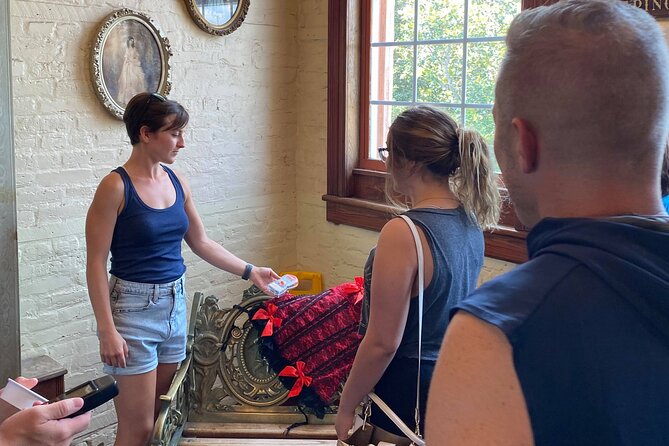
At $35 per person for about two hours, this is priced like a real activity, not just a quick ghost story walk. The value comes from three things you get bundled together: a guided route, included ghost-hunting equipment, and local samples during the walk.
The route is intentionally structured around major historic stops, many with strong haunted reputations. That means you’re paying for organization and access to the stories, not just standing outside old buildings hoping for atmosphere.
If you’re the type who wants lots of interaction plus a guided narrative, this price makes sense. If you want only brief stops and minimal standing, you should be a bit more selective and mentally prepare for a full, guided evening.
You can also read our reviews of more tours and experiences in Pensacola.
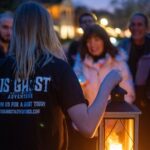
Meeting point, timing, and the practical stuff that affects your night
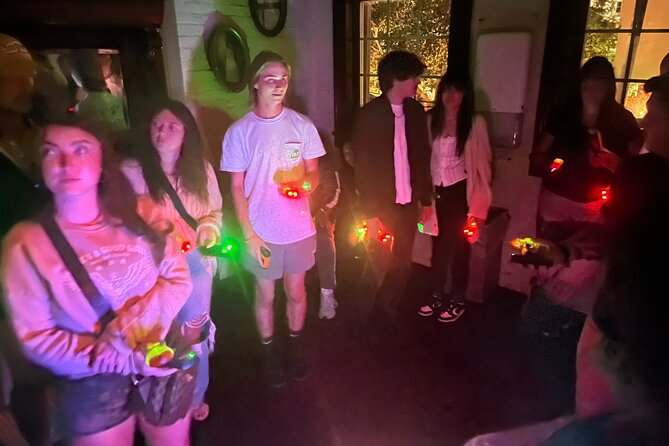
The tour meets at 221 E Government St, Pensacola, FL 32502, at 7:00 PM to 9:00 PM on Friday and Saturday. Your tour ends back at the start point, so you’re not worrying about transport after you’re done.
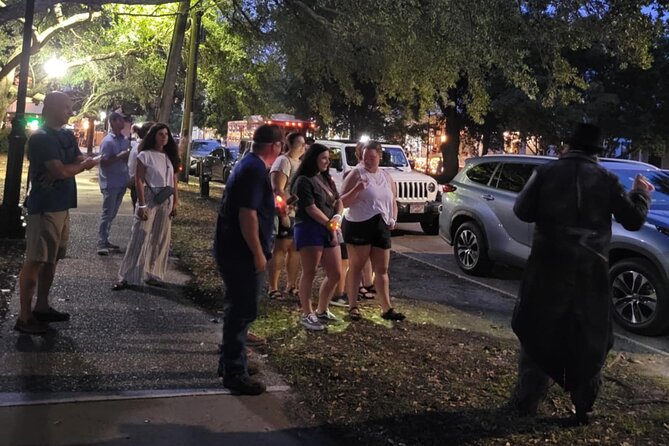
Group size is kept to a maximum of 60 travelers. Still, the “feel” of your night can swing based on how busy the area is, and that matters because this tour is mostly outdoors and in lively nightlife zones.
A smart move: wear shoes that handle uneven sidewalks, and consider bringing earplugs. This isn’t about being dramatic. It’s just practical—there are bars nearby, and the tour depends on you hearing the guide.
The downtown start: a high-stop-count opening and an optional extension
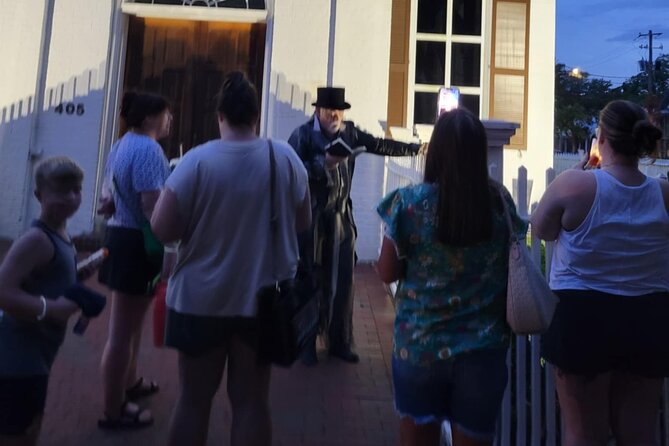
Your first stop is Downtown, and this is where the tour sets expectations. The route is described as having more haunted stops than other Pensacola options, and it also includes time to orient you to the city’s darkest threads.
This is also where the guide will tell you about the bonus extended tour option. If your goal is to squeeze the maximum haunted-value into one night, ask early and be ready to commit on the spot.
You’ll move through streets tied to old entertainment, forgotten crime scenes, and places that blend a little too easily into the night. The pacing here matters: if you’re hoping for instant jump-scares, it helps to remember this is a “story + site” tour, not a jump-out-of-the-dark marathon.
Seville Quarter: the 1800s red-light district with ghost lore and nightlife noise
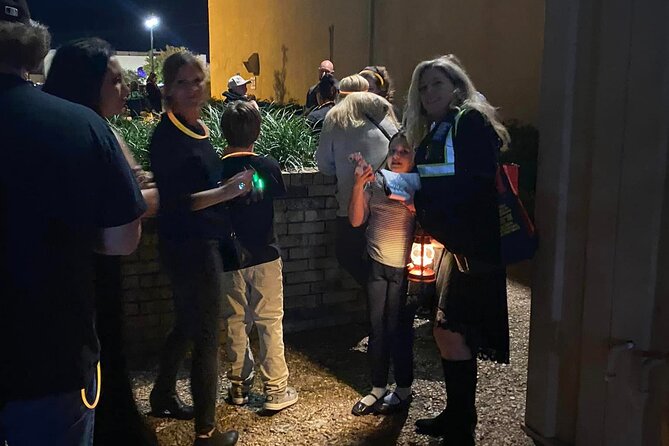
This stop is at Seville Quarter, a historic restaurant and nightlife area with roots going back to the 1800s. The tour leans into the idea that this neighborhood has seen everything—from dinners and saloons to paranormal investigations.
What I’d expect here is a mix of atmosphere and storytelling. You’ll hear about the area’s past as part of a notorious red-light district, and you’ll get specific ghost-history tales tied to named figures.
Some of the stories shared include:
- Sarah Wharton, described as a headless apparition drifting along the street
- Wesley Gibbs, a bartender ghost associated with flipping lights and triggering hand dryers
- Ghostly children, including reports of kids playing with a red ball in the upper halls
One practical consideration: this is also a nightlife hotspot, so this is one of the places where hearing can be hardest. If you struggle with sound outdoors, this is where earplugs pay off immediately.
Pensacola Museum of History: the 1907 City Hall vibe after dark
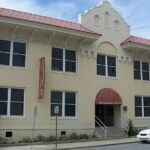
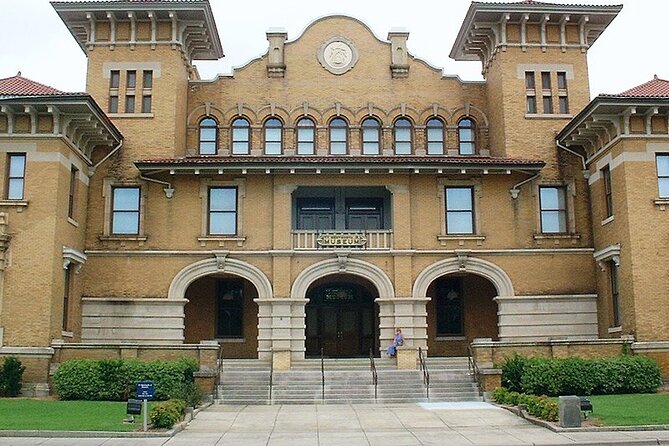
Next up is the Pensacola Museum of History, housed in a 1907 architectural gem that once served as City Hall. The tour frames it as one of the most paranormally active landmarks, and it’s easy to see why. You’re in a civic building designed for movement—staircases, rooms, and echoes all fit the mood.
The stories focus on how the building behaves when it’s quiet: phantom footsteps in stairwells, eerie sounds like giggles in empty rooms, and elevator activity that’s reported as unexplained.
You’ll also hear theories about what’s fueling the unrest, including the idea that the building’s former life as a jail and civic headquarters could be part of the cause. Whether you buy that theory or not, it’s the kind of context that makes the haunted narrative feel rooted instead of random.
A small timing note: you’ll get a quick visit feel here, so don’t expect a full museum experience. The goal is the haunted story thread tied to the architecture.
Pensacola Children’s Museum at night: Arbona Building and the bricked-wall mystery
At the Pensacola Children’s Museum, you’re standing in a place that turns more ominous after dark. The tour highlights the Arbona Building and a story linked to renovations that changed everything.
The core tale: during renovation work, a human body was discovered bricked inside a wall. The mystery is described as unsolved, and since then the paranormal activity is said to have increased. The guide will point you toward the areas tied to the story, especially around the old brick wall.
Stories connected to the building include:
- footsteps reported when spaces are empty
- toys moving by themselves
- an oppressive feeling in certain rooms
Important practical point: admission for this stop is listed as not included. So if you want to go inside for the full experience, bring the right expectations (and plan for separate admission if it comes up during your tour).
If you’re bringing kids, you should know this stop is genuinely intense. It’s not just silly-spooky. It’s a serious, chilling mystery story set in a family museum.
Lear/Rocheblave House: Victorian haunting, a locked room, and perfume
In Historic Pensacola Village, the tour visits the Lear/Rocheblave House, a Victorian home with a haunted past. Here the stories shift from civic buildings to domestic ones, and that change is a big part of the tour’s appeal.
You’ll hear about the Rocheblave family, including that the home belonged to Benito Rocheblave, his wife, and their five daughters from 1897 to 1910. The haunted tale centers on a locked upstairs bedroom and a ghostly girl who’s described as dancing.
A renovation-linked detail makes this stop memorable: a painter reportedly saw her through a window, then she vanished. The room was also said to fill with the scent of old-fashioned perfume.
Another strange event shared: skeletal remains from Old Christ Church were stored temporarily in the house. Even though the space was locked overnight, the bones were reported as rearranged by morning.
Admission for this stop is also listed as not included, so you may need to pay separately if you want to go beyond the exterior/guide-led viewing. Either way, the architecture helps do its share of the haunting.
Tivoli High House and Old West names you’ll hear at night
The Tivoli High House stop takes you to the site of an 1805 entertainment hub, now preserved as a historic replica. The tour connects the place to saloons, dance halls, and duels—basically, the kind of history that can make any quiet hallway feel like trouble.
Here you’ll get named legends tied to the Old West. One of the biggest is John Wesley Hardin, who’s said to have stayed here. You’ll also hear rumors about Doc Holliday having a secret stop in town and a story involving him defending a young girl during a saloon brawl before heading west.
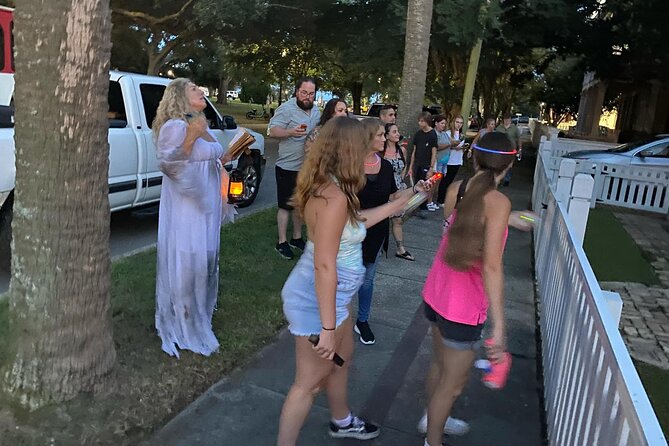
This stop also notes that ghost-hunting tools may be used. If you like the hands-on angle, this is one of the places where the tour can shift from storytelling into active experimenting.
Admission is listed as not included, so treat this one like a historical setting first, and a paranormal “moment” second.
Old Christ Church: 1832 sanctuary, Civil War hospital history, and buried rectors
Old Christ Church is built for atmosphere. It’s described as one of Florida’s oldest churches, and the tour highlights its Norman-Gothic style with construction dated to 1832.
What makes this stop more than spooky decoration is the building’s complicated past. The church served as a church, a Civil War hospital, and barracks. The guide’s stories focus on the suffering connected to wartime use, and then follow the idea that the spirits never left.
The guide also shares detailed lore involving rectors buried beneath the vestry:
- Joseph Saunders
- Frederick Peake
- David Flower
You can expect stories about phantom hymns, whispers from empty pews, and voices echoing long after closure. There are also claims of apparitions near the steeple.
Admission is listed as not included, so plan that you might need separate entry costs to fully access everything inside. Either way, the church grounds and sanctuary space are where the “quiet gets weird” feeling lands hardest.
Saenger Theatre: the 1925 Grand Dame with stage-side haunting
The tour finishes with Saenger Theatre, the grand theater often described as the Grand Dame of Palafox, opened in 1925. If you’ve ever stood under chandelier-light in an old theater, you know the space already has a natural sense of show-time drama. The tour leans into that.
The haunted stories at Saenger focus on more than visual apparitions. You’ll hear about phantom footsteps, mysterious phantom applause, and lights flickering on and off without a clear cause.
The guide also connects the haunting to a former role: some stories point to a projectionist who may still linger. Another recurring image is the ghost of a woman in white, reported gliding across the stage.
This is also one of the stops where you may have the chance to use ghost-hunting equipment and attempt to make contact with the spirit world. If you enjoy the interactive side, this theater ending is where the tour’s “hands-on” promise feels most complete.
Admission for this stop is listed as not included, so if you want full access inside, check what your guide will require during your specific departure.
What I loved most in the experience (and why it matters)
A big win for this tour is the sense of guidance. A strong guide can make these stories feel like they belong to the places you’re standing in. One name that comes up again and again in positive experiences is Erica, praised for being friendly and for keeping the evening lively.
I also like that the tour mixes storytelling with tools. Even if you’re skeptical, using equipment turns the night into an active experience instead of passive listening. It’s easier to remember a place when you’re doing something, even if it’s just following along with the guide’s methods.
Finally, you’re not just hearing generic ghost claims. You get place-specific stories tied to named people, specific buildings, and long local timelines—1800s quarters, a 1907 City Hall building, and an 1832 church.
The downside to consider before you book
The biggest concern is hearing quality on lively nights. Multiple people have flagged trouble hearing the guide due to background noise from bars and general Saturday nightlife energy. Even when the tour team adjusts, you don’t want to lose half the story.
To reduce frustration:
- choose a spot where you can face the guide
- bring earplugs if you have them
- mentally accept that you might stand in louder areas for parts of the route
The other consideration is time structure. This tour includes a mix of standing and short “in-building or table-like” moments, plus local sampling. If you want only pure outdoors walking with constant motion, you might find parts of the early evening slower than expected.
Who should book this walking tour in Pensacola
Book it if:
- you want a guided night walk with multiple historic stops
- you like hands-on ghost-hunting elements
- you’re okay with some heavier stories, especially around the children’s museum building
- you’re traveling with family and want a mix of local history and spooky entertainment (with the caveat that not every stop is light)
Skip it or rethink if:
- you hate any nightlife noise and need whisper-level quiet
- you strongly prefer only outdoor stops with no seated or sample-style segments
- you’re expecting a fully researched academic-style history lecture (this is ghost-story storytelling with historical flavor)
Should you book Pensacola Ghosts in the City?
I think this is a good pick for first-time ghost-tour fans in Pensacola—especially if you want a dense route plus included equipment and local samples. The blend of specific haunted stories tied to real buildings is the main reason it works.
But take hearing seriously. If your comfort depends on clear audio and you’re sensitive to loud bar environments, arrive ready with earplugs and pick your position carefully. With that small prep, you’re set up for a fun, memorable haunted night.
If you want, tell me your travel dates and whether you’re going Friday or Saturday, and I can help you plan what to wear, how long to budget, and which stops are likely to fit your style best.
FAQ
What is the duration of the Pensacola Ghosts in the City walking tour?
It runs for about 2 hours (approx.).
How much does the tour cost?
The price is $35.00 per person.
When does the tour operate?
It runs Friday and Saturday from 7:00 PM to 9:00 PM.
Where do I meet for the tour?
You meet at Pensacola Tours, 221 E Government St, Pensacola, FL 32502. The tour ends back at the meeting point.
Is ghost-hunting equipment included?
Yes. Use of ghost-hunting equipment is included.
Are tickets or admission fees included for every stop?
No. Admission ticket is not included for the Pensacola Children’s Museum, Lear/Rocheblave House, Tivoli High House, Old Christ Church, and Saenger Theatre.
How big are the groups?
This tour/activity has a maximum of 60 travelers. Service animals are allowed.