REVIEW · CHICAGO
Chicago Gangsters and Ghosts Luxury Minibus Tour
Book on Viator →Operated by Chicago Tours · Bookable on Viator
Ghosts and mobsters roll past in style. This Chicago Loop tour turns the city’s darkest Prohibition-era stories into ride-by-ride stops, with bus comfort that keeps you out of the street mess. I love the mix of famous landmarks and the creepier side of Chicago you usually miss, and I love the onboard storytelling from guides like Avery, Kris, Karina, Ty, Alan, and Matthew. One thing to keep in mind: the title promises luxury and smaller feel, but at least one guest reported a standard large bus at the meeting point.
After meeting at the Palmer House (17 E Monroe St), you get a mostly sit-back format: short stops, photo moments, and quick context so the whole thing fits in about 2 hours. The best part for me is how the tour connects violent events, speakeasies, and ghost legends to real addresses—so it feels specific, not just spooky for spooky’s sake. At $49, it’s priced like a smart add-on if you want a guided sampler without committing to a full-day museum plan.
If you’re picky about group size or you want a super intimate vehicle, plan for the possibility of a bigger group. If you’re flexible, you’ll likely appreciate the break from walking and the chance to see places you might not route yourself on a first or second visit.
In This Review
- Key things I’d prioritize before you go
- A fast way to get the Loop’s darker story without map stress
- Palmer House to the Loop: where the tour begins and how it feels
- Holy Name Cathedral: the church where a gang hit left marks
- Harry Caray’s Italian Steakhouse and Frank Nitti’s secret vault
- Chicago River skyline time: why the bus view is actually useful
- Death Alley: when the route turns somber
- Chicago Theater marquee photos: an easy win for first-timers
- Art Institute of Chicago: how the 1893 World’s Fair connection adds context
- Congress Hotel and ghost lore: when the tour turns supernatural
- Jeweler’s Building: a Prohibition speakeasy link tied to Capone lore
- Price and value: is $49 a smart buy?
- Guide quality can make or break the day
- Who should book this Chicago Gangsters and Ghosts tour
- Should you book Chicago Gangsters and Ghosts?
- FAQ
- FAQ
- How long is the Chicago Gangsters and Ghosts Luxury Minibus Tour?
- How much does the tour cost?
- Where does the tour start, and do you return there?
- Is there a mobile ticket for this experience?
- What’s included with the tour price?
- What’s the cancellation policy?
- Does the tour run in bad weather?
- Are service animals allowed, and is it near public transportation?
- What’s the maximum group size?
Key things I’d prioritize before you go
- Palmer House start point (easy Loop access) makes the timing feel stress-free.
- Prohibition-era stop sequence ties together gangs, speakeasies, and aftermath in a logical route.
- Photo-friendly moments at the Chicago River skyline view and the Chicago Theater marquee.
- Death Alley stop connects you to one of the most tragic building-fires in U.S. history.
- Harry Caray’s Italian Steakhouse includes a short ticketed visit (about 15 minutes).
- Multiple guide styles you can end up with, including story-driven hosts like Avery, Kris, Karina, and Ty.
A fast way to get the Loop’s darker story without map stress

This tour is built for people who want the Chicago Loop highlights, but don’t want to do the planning, crowd navigation, or zig-zag walking. You’re basically buying time. In about 2 hours, you go from one high-impact stop to the next, guided by a driver and an expert host—so you can focus on the stories and the sights.
What I like most is that the tour isn’t only about ghosts in the abstract. The stops are anchored in real locations tied to Prohibition-era gang activity, then layered with hauntings and legends. That approach works well because it gives you a timeline you can actually follow: violence and crime, the institutions around it, and then the myth-making that follows.
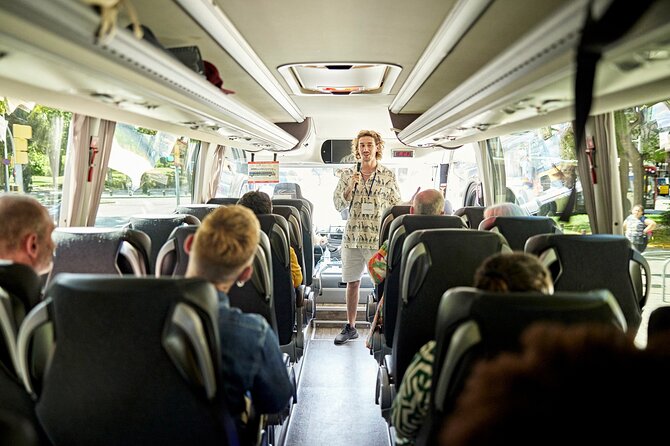
The ride format matters too. Several people called out a clean, quiet bus and the pleasure of a break after lots of walking in the city. Even if your group isn’t tiny, the concept is still smart: you get an easy day chunk where your feet can recover.
You can also read our reviews of more tours and experiences in Chicago.


Palmer House to the Loop: where the tour begins and how it feels
You start at Palmer House a Hilton Hotel, 17 E Monroe St. That’s a very central point in the Loop, which helps if you’re also doing other nearby sights before or after.
From there, you’ll spend a lot of the experience inside the minibus. That matters because Chicago traffic and pedestrian flow can be brutal. By shifting you between stops efficiently, the tour keeps you from spending your limited time waiting at crosswalks or hunting for parking-adjacent routes.
A practical tip: wear comfortable shoes anyway. Even when the tour is ride-heavy, some stops will require you to step out, move around for a photo, or walk a short distance to see the key details at that location.
Holy Name Cathedral: the church where a gang hit left marks
One of the first stops is Holy Name Cathedral at 735 N State Street. This is where the tour’s tone gets real quickly: you’re shown the spot where bullets ricocheted off the church walls during an Italian gang hit on the Irish gang.
Even if you’re not the type who gets pulled into crime stories, this stop hits because it’s a reminder that history isn’t just books and plaques. It’s brick and architecture that survived. The cathedral setting also creates a contrast: a place meant for worship becomes part of a street-level conflict, and you feel the tension that Prohibition-era Chicago carried.
If you want your tour to feel grounded, this is a strong anchor stop. It gives the rest of the day a reason to exist beyond ghost legends—because the ghosts are tied to something that really happened.
Harry Caray’s Italian Steakhouse and Frank Nitti’s secret vault
Next up is a short visit at Harry Caray’s Italian Steakhouse, with about 15 minutes and an admission ticket included for that stop.
This is the Prohibition connection you’re hoping for: the stories center on Frank Nitti, a major figure in Chicago gangster lore, and the idea of a secret vault tied to his past. The value here is not only the name-dropping. It’s the way a place many people associate with casual dining becomes a setting for crime history.
One reason this stop works at the $49 price point: you get an actual ticketed moment, not just a look from the curb. That makes the tour feel more than a drive-by slideshow.
A small consideration: because the visit window is short, don’t expect a slow, lingering experience. Treat it like a quick, story-forward introduction to the location and its legends.
Chicago River skyline time: why the bus view is actually useful
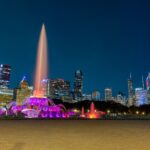
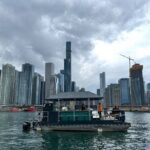
The tour also includes a vantage along the Chicago River, giving you a unique look at the city’s skyline and architectural landmarks. This is a good palate cleanser between heavier crime and ghost stops.
I like the riverfront timing because skyline views are best when you’re relaxed enough to actually look. If you’ve been bouncing between museums and Lakefront walks, the bus gives you a different angle without turning your whole afternoon into a long outdoor slog.
This part is also where you can grab those practical photos. One review called out the skyline photo opportunity view specifically, and that matches what this river stop is designed for: the “send it to friends” shots without needing a tour of your own to reach the perfect spot.


Death Alley: when the route turns somber
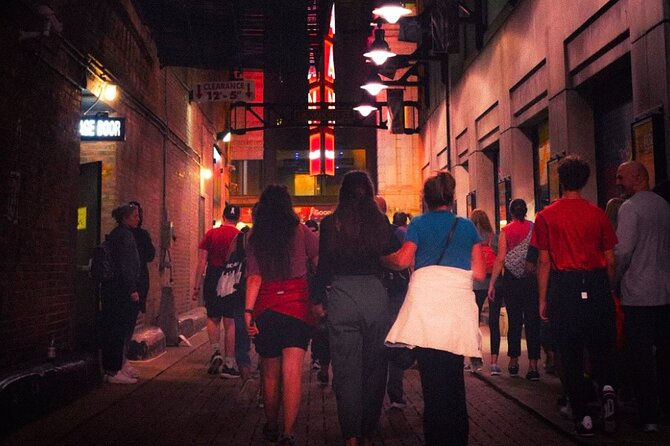
A key stop is Death Alley, described as the site of the deadliest single building fire in U.S. history. This is the tour’s heavy, reflective moment.
You’re not just hearing a spooky story. You’re visiting a place connected to a tragedy that shaped the city. That matters because it changes what the tour is doing. It stops being only about mobsters and becomes about how Chicago coped with disaster and why certain spaces carry lasting meaning.
If you’re sensitive to tragic stories, Death Alley is the stop to mentally brace for. The rest of the tour keeps a mix of entertainment and education, but this location is about the aftermath.
Chicago Theater marquee photos: an easy win for first-timers

You’ll also stop at the Chicago Theater, famous for its marquee and its place in classic Chicago streetscape culture. This is one of the more straightforward stops: grab the photo, take in the signage and grandeur, and keep going.
Why it’s worth including: it gives you a recognizable, photogenic Chicago landmark between darker sites. It also helps you calibrate your mental map of where you are in the Loop, which makes the next stops feel more connected rather than random.
Art Institute of Chicago: how the 1893 World’s Fair connection adds context
The route includes a stop at the Art Institute of Chicago, noted as one of the two remaining permanent structures from the 1893 Chicago World’s Fair.
This is smart tour-planning: it ties a visual cultural stop to a bigger Chicago story. Instead of treating the Art Institute like a separate “art day,” the tour frames it as part of Chicago’s long-running ambition, then asks you to notice the building as a surviving piece of that era.
One caution: the data you have doesn’t clearly state whether standard admission is included for the Art Institute itself. The tour lists time at the museum and calls it an exploration stop, so you might find a ticket requirement in practice. If you want to avoid any friction, check your booking details before you go.
If you like culture but don’t want to spend hours there, this stop can still work because you’ll be focused and time-limited, guided by the day’s theme rather than wandering aimlessly.
Congress Hotel and ghost lore: when the tour turns supernatural
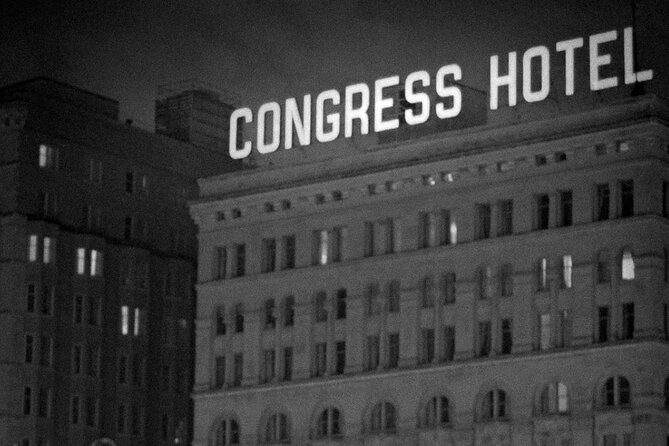
Another stop features the Congress Hotel, described as the most haunted hotel in Chicago. This is where the ghost stories take center stage.
I like this placement in the route. You’ve already absorbed gang violence and a major tragedy at Death Alley, so the shift to hauntings feels less like random spooky fluff and more like the city’s habit of turning real events into legend. The location label helps too: it’s not an unnamed rumor; it’s a specific building with a reputation.
If you’re the type who enjoys ghost stories but wants them tied to actual addresses, this stop is a good match. Just remember that these are legends—what matters is the storytelling and the setting.
Jeweler’s Building: a Prohibition speakeasy link tied to Capone lore
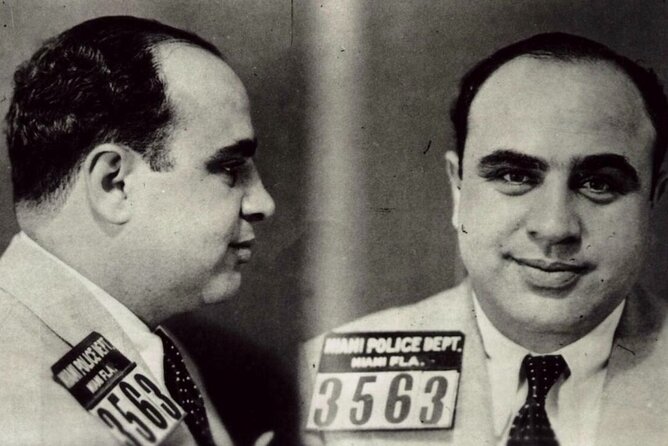
The tour also visits the Jeweler’s Building, described as once home to one of Al Capone’s 100 speakeasies in the Loop.
This stop is valuable because it makes Prohibition feel physical. You’re not just imagining back-room deals; you’re shown a real building associated with speakeasy mythology. Even if you don’t know the full Capone timeline, the tour gives you enough anchor to connect the name to a place.
A practical thought: speakeasy stories can be legendary, and the exact details you’ll hear depend on your guide’s interpretation. That’s one reason the guide quality matters here.
Several reviews praised guides by name, including Kris, Avery, and Ty, for making the stories land emotionally and clearly. If you end up with one of those hosts, you’ll probably get more out of this stop than a simple photo stop would provide.
Price and value: is $49 a smart buy?
At $49 for about 2 hours, this tour fits a very specific kind of trip need. You’re paying for:
- An onboard guide who provides context and stories
- A licensed driver and a ride that covers multiple key locations efficiently
- The time-saving advantage of not piecing together routes yourself
- A ticketed stop at Harry Caray’s Italian Steakhouse (about 15 minutes)
So the value question becomes: will you enjoy a guided “greatest hits with teeth” tour where stops are likely short, and you get key context fast? If yes, then $49 feels fair. If you want long stays, deep museum time, or a strictly small-group experience, you might feel the limits quickly.
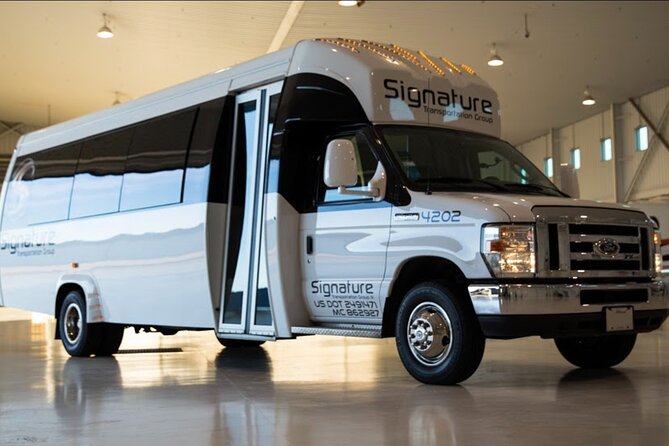
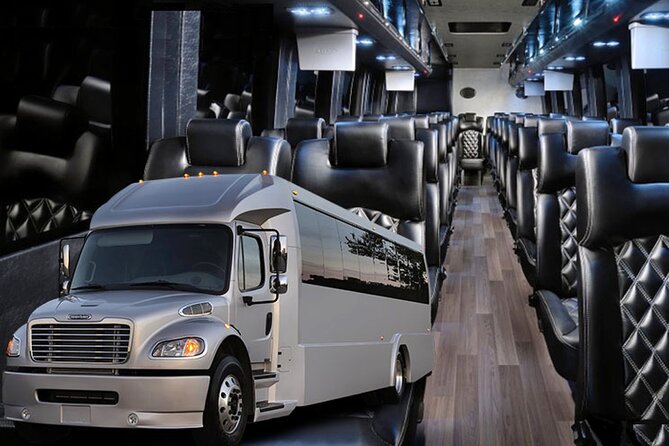
Also, the vehicle expectation deserves a mention. One low rating said the tour advertised a luxury mini bus but arrived with a standard large bus instead, and they were disappointed about the small-group feel they expected. That’s a real consideration if you’re sensitive to comfort or privacy.
My take: for the price, you’re buying convenience and storytelling, not a private charter.
Guide quality can make or break the day
This tour seems to live or die on the guide. The reviews you have put a lot of weight on the hosts’ performance—timing, humor, and how well they connect sights to stories.
You might hear from guides like:
- Avery, praised for enthusiasm and making stops feel more gripping
- Kris, noted for entertaining, educational delivery and ghost stories that gave goose bumps
- Ty, praised for knowledge and fun storytelling
- Alan, praised for solid speaking and lots of stories
- Matthew, praised for deep Chicago history presented in an engaging way
- Karina, praised for humor and taking photos that came out great
If you want the spooky elements to feel more like theater than fear, pick the tour date when you can reasonably expect strong guide energy. In this case, the names that kept showing up in positive feedback are good signs.
Who should book this Chicago Gangsters and Ghosts tour
This works best if you:
- Want a guided Loop hit list without doing a lot of planning
- Like Prohibition-era crime lore connected to real addresses
- Enjoy ghost stories, but also like when they’re tied to place
- Prefer a seated break after walking or doing other Chicago sights
You may want to look at another option if you:
- Expect a truly small group vehicle every time and dislike surprises
- Want long, ticketed time inside museums (the day seems built for short stops)
- Are mainly looking for modern Chicago culture rather than crime-and-ghost themed stops
Should you book Chicago Gangsters and Ghosts?
If you’re planning a first or second Chicago visit and you want one activity that gives you the Loop’s storyline fast, this is an easy yes. The biggest strengths are the stop locations tied to real events (Holy Name Cathedral, Death Alley) and the mix of skyline and classic Chicago landmarks so the day doesn’t turn into pure gloom.
Book it if you’re excited by Prohibition history, you like being told stories as you move through the city, and you want a convenient, time-efficient plan at $49.
Skip or reconsider if a small-group luxury ride is your top priority, because at least one guest reported a mismatch in bus size at the start. If you can accept that risk, you’ll likely leave with a clearer sense of Chicago’s darker corners—and a few ghost stories you won’t forget.
FAQ
FAQ
How long is the Chicago Gangsters and Ghosts Luxury Minibus Tour?
It runs for about 2 hours.
How much does the tour cost?
The price is $49.
Where does the tour start, and do you return there?
You meet at Palmer House a Hilton Hotel, 17 E Monroe St, Chicago, IL 60603, and the tour ends back at the same meeting point.
Is there a mobile ticket for this experience?
Yes. A mobile ticket is listed as part of the experience.
What’s included with the tour price?
The experience includes an expert guide, a minibus tour, and a licensed driver. Also, at Harry Caray’s Italian Steakhouse, the stop includes a ticket and lasts about 15 minutes.
What’s the cancellation policy?
Free cancellation is available up to 24 hours in advance for a full refund. If you cancel less than 24 hours before the start time, the amount paid is not refunded.
Does the tour run in bad weather?
The tour requires good weather. If it’s canceled due to poor weather, you’ll be offered a different date or a full refund.
Are service animals allowed, and is it near public transportation?
Service animals are allowed, and the tour is listed as near public transportation.
What’s the maximum group size?
This tour lists a maximum of 250 travelers.