REVIEW · OAHU
Waikiki Ghost Tour: Torches & Terrors
Book on Viator →Operated by Honolulu Haunts By Us Ghost Adventures · Bookable on Viator
Waikiki gets spooky fast at night. This 1-hour walk blends torches with local ghost stories and Hawaiian history, told in a way that makes the city feel older than it looks. I especially like how it’s not just jump-scares; it’s built around real places tied to long-ago life and legends.
Two things I really enjoyed: the chance to ask your guide questions while you walk, and the way the stops connect to Hawaiian culture and stories instead of generic horror. If you want atmosphere and context in the same hour, this tour delivers.
One drawback to consider: you’re moving through well-known Waikiki landmarks, so don’t expect a remote, silent backroad. If you came specifically for total isolation and maximum fright, the setting may feel more urban than you imagined.
In This Review
- Key points worth knowing
- Price and Timing: Is $32 Worth It for Waikiki at Night?
- Getting Oriented: Where the Walk Starts and Ends
- Stop 1: The Stones of Life and the 1400s Storyline
- Stop 2: Duke Paoa Kahanamoku Statue and the Night Marchers
- Stop 3: ESPACIO The Jewel of Waikiki and a New-Hotel Ghost Story
- Stop 4: St. Augustine by the Sea and Neo-Gothic Spook Energy
- Stop 5: Kāhi Hāli’a Aloha Memorial, Burial Ground Respect, and Why It Matters
- The Best Part: How Guides Make or Break the Night
- How Scary Should You Expect It to Be?
- Walking Tips for a Better Night in Waikiki
- Who This Tour Fits Best (and Who Might Skip It)
- Should You Book Waikiki Ghost Tour: Torches & Terrors?
- FAQ
- What time does the Waikiki Ghost Tour start, and how long is it?
- Is the tour offered in English, and do I get a mobile ticket?
- Where does the tour start and where does it end?
- How big is the group?
- Is admission included for the stops?
- Is a guide tip included in the price?
- Can most people participate?
- Are service animals allowed?
- What is the cancellation policy for a full refund?
Key points worth knowing
- Small-group vibe: capped at 35 people
- 8:00 pm start: a great way to see Waikiki after daytime crowds fade
- Five focused stops: each one lasts about 12 minutes
- Real cultural anchors: legends and places tied to Hawaiian history, not just spooky buildings
- Guide-led Q&A style: you can ask questions as you go
Price and Timing: Is $32 Worth It for Waikiki at Night?
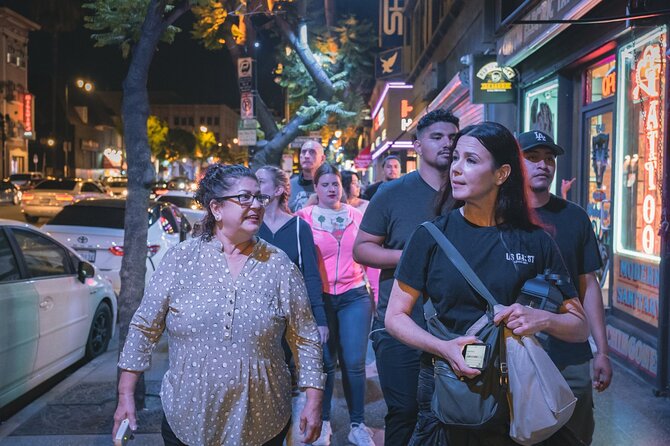
At $32 per person for about an hour, this is priced like a solid evening activity in Waikiki. You’re not paying for entry fees at the stops, and the tour includes a professional guide plus stories that are described as researched and accurate.
What makes the timing smart is the 8:00 pm start. Waikiki feels different after the sun goes down—street noise changes, and the sidewalks slow down. That shift matters on a walking tour, because you’ll get to hear the stories clearly without fighting the worst of the daytime bustle.
The group size cap (up to 35 people) is another value point. It’s big enough to have energy, but small enough that your guide can still keep things moving and answer questions. If you prefer quieter experiences, you’ll still likely feel a human-sized crowd rather than a huge mob.
You can also read our reviews of more tours and experiences in Oahu.



Getting Oriented: Where the Walk Starts and Ends
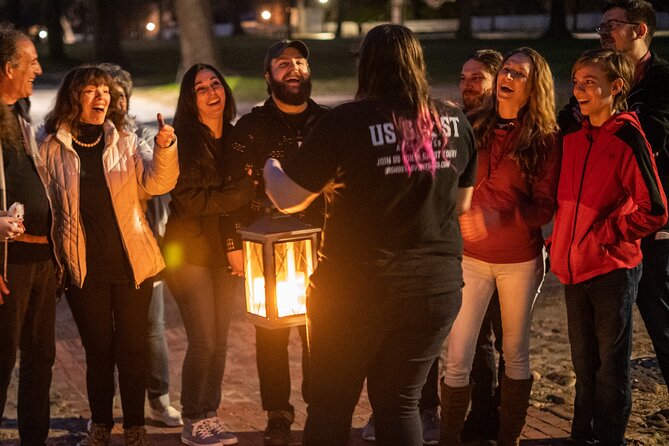
The tour starts at the Stones of Life in Honolulu and ends at the Kāhi Hāli’a Aloha Memorial. That matters because you get a built-in arc: you begin with older land stories, then pass through famous Waikiki landmarks, then finish at a site tied to remains and respectful burial.
Plan on arriving a bit early so you can locate the group without stress. One past experience with the tour involved a guide not being easy to find at the start, and it’s a good reminder to give yourself time to match up.
Also, confirmation happens at booking and you’ll get a mobile ticket. That’s handy in Waikiki, where paper tickets can turn into little stress engines.
Stop 1: The Stones of Life and the 1400s Storyline
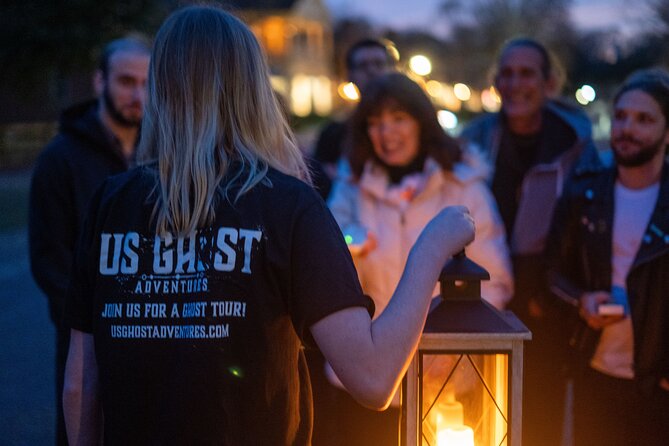
You begin at the Stones of Life, where the guide sets the tone with stories that reach back to the 1400s. The framing here is important: this tour doesn’t treat Waikiki as brand-new beachfront real estate. It presents the land as layered—older than hotels, roads, and photo spots.
You’ll hear why people come to pay homage here, including beliefs that the stones still carry healing power. Even if you don’t feel anything mystical, I like this start because it gives you a cultural baseline. It’s a prompt to view everything that follows with more respect and context.
A practical note: since each stop is about 12 minutes, the guide is moving quickly. If you’re the type who likes slow, lingering conversations, you may want to save your longest questions for when the guide seems ready to slow down.
Stop 2: Duke Paoa Kahanamoku Statue and the Night Marchers
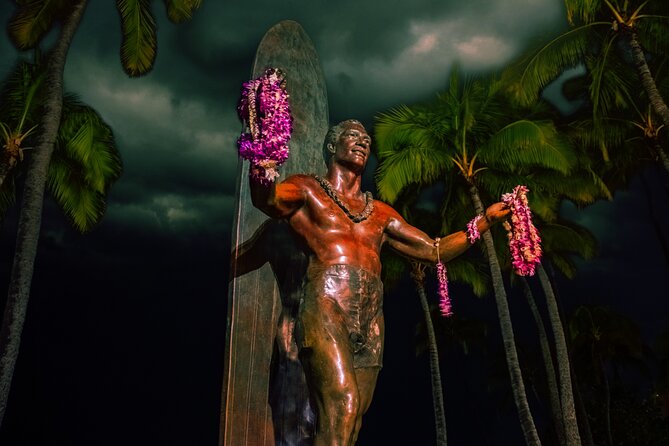
Next up is the Duke Paoa Kahanamoku statue, one of the best-known icons in Waikiki. The guide ties Duke Paoa to the worldwide spread of surfing—then pivots into legend, including the story of the Night Marchers.
This stop works well for two reasons. First, Duke Paoa is widely recognized, so it gives everyone an easy entry point. Second, the Night Marchers thread turns a familiar statue into a doorway for something more eerie and traditional.
Keep your eyes open here, because the tour explicitly encourages you to look out for signs on your own after hearing the legend. That’s a fun way to stay engaged without constant theatrics.
Stop 3: ESPACIO The Jewel of Waikiki and a New-Hotel Ghost Story
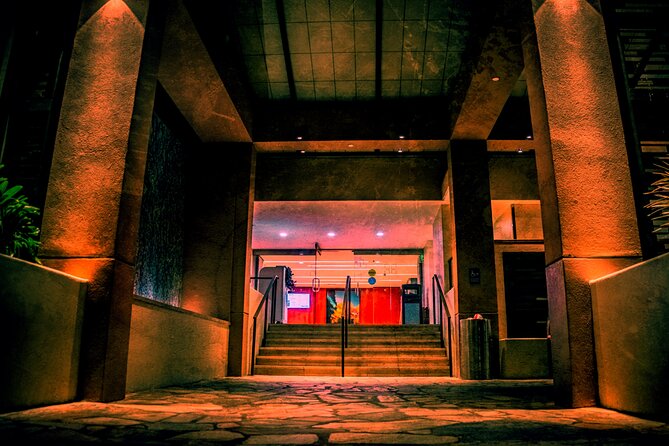
The third stop is ESPACIO The Jewel of Waikiki. Here the tone shifts. The building is described as new, so the guide leans into the idea that emotional energy can attach to a place even when the hotel itself hasn’t had centuries to collect stories.
This is where you’ll likely see the tour’s style become more classic ghost-tour storytelling. You’ll listen, learn, and keep your eyes peeled while the guide shares paranormal claims tied to the land.
A consideration: if you want the most culture-forward stops, this one may feel more supernatural than historical. That’s not wrong—it’s just different. I think it’s worth it because the tour isn’t pretending every stop will feel identical.

Stop 4: St. Augustine by the Sea and Neo-Gothic Spook Energy

Then you reach St. Augustine by the Sea, famous for its neo-Gothic design. The guide uses this landmark’s architecture to set up a strong final stretch of spooky stories and fun facts.
This stop is a good example of how the tour varies its “flavor.” You’re not only walking past Hawaiian legends. You’re also passing an iconic local landmark with its own atmosphere, and the guide uses that setting to keep the night feeling alive.
One downside to keep in mind: this is still a city walk. You may be standing near other evening activity, cars, or street movement, depending on timing. The guide’s job is to keep the vibe spooky anyway, and they’ll do that with pacing and storytelling.
Stop 5: Kāhi Hāli’a Aloha Memorial, Burial Ground Respect, and Why It Matters
The final stop is Kāhi Hāli’a Aloha Memorial. This one is heavy in the best way. As Waikiki developed, human remains were excavated from multiple sites, and this burial mound was created to provide proper, respectful burial.
The tour calls this a very active site for paranormal activity, and the guide shares more stories before concluding. This is also the stop where I’d urge you to match the guide’s tone. Even if you don’t buy into every ghost claim, the context here is real: land and remains deserve care.
The takeaway isn’t just fear. It’s that Waikiki’s night history includes loss, displacement, and the way people try to restore dignity after development. That gives the whole tour more weight than a typical ghost walk.
The Best Part: How Guides Make or Break the Night

The tour’s included promise is a professional, courteous guide, plus history that’s thoroughly researched and accurate, and authentic local ghost stories. In practice, the guide performance seems to be the main variable.
For example, I’ve seen names like Jax and Terry mentioned for being friendly, engaging, and strong storytellers. One guest praised Jax for interesting stories and good conversation, while another highlighted Terry for telling lots of spooky stories while also covering Hawaiian history. Another person specifically said Terry’s stories gave them chills.
That combination—story + local context + willingness to talk—turns this from a walk where you hear words into a walk where you understand why the stories exist. If you choose this tour because you like history, it helps that the guide isn’t just reading scary scripts.
If you want to get the most out of it, come ready with one question about what you’re seeing. Then ask it in the moment. The tour is designed so you can ask questions as you walk.
How Scary Should You Expect It to Be?
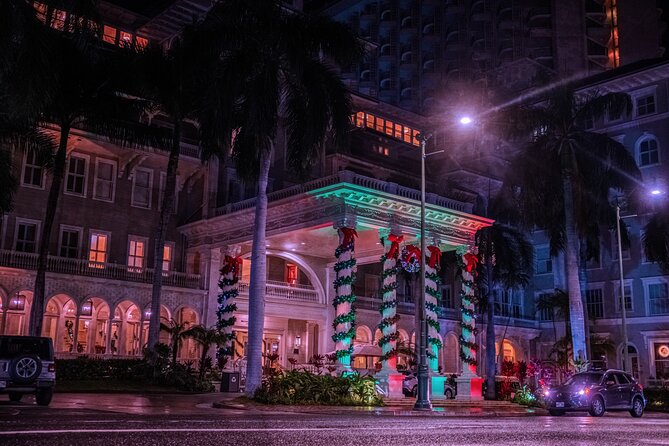
This is called Torches & Terrors, but it doesn’t read like a pure jump-scare production. It’s more “walking storytelling” than “theater scares.” You’re hearing local legends, cultural notes, and paranormal claims tied to specific locations.
One consideration that comes up: some people expect a more isolated-feeling setting with more chance to be spooked. Since the walk moves through known Waikiki landmarks, the environment can feel public and urban. Your scare level may depend on your imagination and how attuned you are to the stories.
If you like ghost tours for atmosphere and learning, you’ll probably enjoy it. If you want the feeling of being in the middle of nowhere with the lights off, you might be less satisfied. The tradeoff here is cultural focus and a strong sense of place.
Walking Tips for a Better Night in Waikiki
This tour is short, but it’s still a night walk. Bring comfortable shoes because Waikiki sidewalks can be long and busy even in the evening. It also helps to dress for humidity. If you’re someone who runs cold easily, bring a light layer.
Bring a phone with enough battery. Even if the ticket is mobile, you’ll also want it for navigation or quick reference when the group moves between stops.
Finally, keep your pace steady. Since each stop is about 12 minutes, you don’t want to lose the group while you’re adjusting things. The guides work best when everyone stays with the walking rhythm.
Who This Tour Fits Best (and Who Might Skip It)
This works especially well if you:
- want a different side of Waikiki beyond beaches and shopping
- enjoy ghost stories that connect to Hawaiian history and legends
- like asking questions and getting explanations in real time
- prefer a one-hour plan that doesn’t eat your whole evening
Skip it if you:
- want a remote, dark, off-the-map spooky experience
- need guaranteed intense scares rather than storytelling and atmosphere
- dislike city walking, even at night
If you’re visiting for just a few days, this is a good fit on an evening when you want something guided, compact, and character-filled.
Should You Book Waikiki Ghost Tour: Torches & Terrors?
I’d book it if you want a night walk that treats Waikiki like a layered place with stories worth hearing. The value isn’t only in the ghost elements—it’s in the structure: five stops, about an hour total, with cultural anchors and a guide who can talk through what you’re seeing.
If you’re mainly chasing max fear in an isolated setting, you may want to look for something with a more remote route. But if you’re curious, respectful, and open to legends that mix the historical with the paranormal, this is a fun way to spend your evening.
One last practical point: since tips aren’t included, keep a little cash or card-ready for your guide.
FAQ
What time does the Waikiki Ghost Tour start, and how long is it?
The tour starts at 8:00 pm and lasts about 1 hour.
Is the tour offered in English, and do I get a mobile ticket?
Yes, it’s offered in English, and the tour includes a mobile ticket.
Where does the tour start and where does it end?
It starts at the Stones of Life and ends at the Kāhi Hāli’a Aloha Memorial, both in Honolulu, HI 96815.
How big is the group?
The tour has a maximum of 35 people.
Is admission included for the stops?
Admission is listed as free for the stops included in the standard route.
Is a guide tip included in the price?
No. A guide tip is not included.
Can most people participate?
Yes. The tour indicates most people can participate.
Are service animals allowed?
Yes, service animals are allowed.
What is the cancellation policy for a full refund?
You can cancel for a full refund up to 24 hours in advance. Cancel less than 24 hours before the start time and the amount paid is not refunded.