REVIEW · SAVANNAH
Sinister Sins & Shadows: A Savannah Ghost Tour
Book on Viator →Operated by Savannah Terrors By Us Ghost Adventures · Bookable on Viator
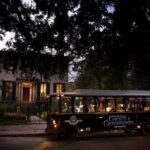
One hour after dark is enough to change how you see Savannah’s squares. Sinister Sins & Shadows is a walk-and-story tour that mixes big-name landmarks with lesser-known spooky sites, so you get both atmosphere and context. If you’ve got a soft spot for history with a chill in it, this route is built for you.
I like that the tour is straightforward value: $32 for about an hour with a local/professional guide and multiple stops clustered in the historic core. I also like the range of locations, from Oglethorpe Square and Wright Square to the Savannah Theatre and Colonial Park Cemetery, so you’re not stuck with only one kind of ghost story.
My only caution is the main variable isn’t the places—it’s the guide delivery. A few people reported issues like pacing, stories feeling basic, or difficulty hearing in the back, so if you’re picky about storytelling quality, you’ll want a guide who speaks clearly and keeps momentum.
In This Review
- Key things to know before you go
- A spooky walk through Savannah’s squares, starting at 127 Abercorn St
- Price and what $32 buys in a 1-hour after-dark tour
- Oglethorpe Square to Wright Square: fever victims, burial-ground dread, and Tomochichi
- Oglethorpe Square: Yellow Fever lore under old oak trees
- Owens-Thomas House & Slave Quarters: English Regency above, unsettling echoes below
- 9 W York St (Lindsey & Morgan Company Building): built atop old burial grounds
- Wright Square: Tomochichi and the feeling of being watched
- Juliette Gordon Low House to Chippewa Square: Girl Scouts roots, Foley House contrasts, and night-time storytelling
- Juliette Gordon Low Birthplace Museum: parents’ ghosts near Girl Scouts origins
- Chippewa Square: the Forrest Gump bench, plus a darker side
- Savannah Theatre: Ben the prank-playing ghost
- From Colonial Park Cemetery to Captain Henry Dickerson’s Home: the long shadows of Savannah’s dead
- Colonial Park Cemetery: Yellow Fever victims and Revolutionary War remains
- 201 E York St (Captain Henry Dickerson’s Home #1 and #2): a box in the attic
- How the guide and group size shape the whole experience
- When to go, what to wear, and how to pace a 1-hour ghost tour
- Who should book Sinister Sins & Shadows (and who should skip it)
- Should you book Sinister Sins & Shadows?
Key things to know before you go
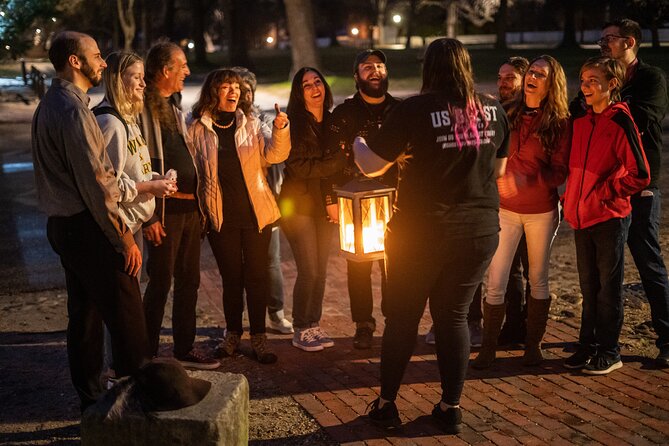
- 9 stops in about 1 hour means you’ll move, so plan comfy walking shoes.
- After-dark atmosphere adds a spooky layer to real Savannah landmarks, not just generic scary talk.
- Your guide matters a lot: the best nights have clear, lively pacing and easy Q&A.
- Historic settings with dark backstories run from Yellow Fever lore to burial-ground hauntings.
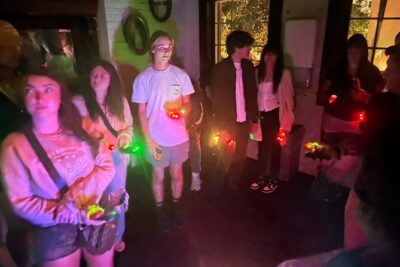
- Max group size of 35 keeps it large enough to meet people, but small enough for a guided walk.
- Mobile ticket makes it simple to check in and go.
A spooky walk through Savannah’s squares, starting at 127 Abercorn St
Your tour starts at 127 Abercorn St and ends right back where you meet. That matters because Savannah’s historic district is most enjoyable on foot, and you won’t be stuck figuring out a late-night ending point.
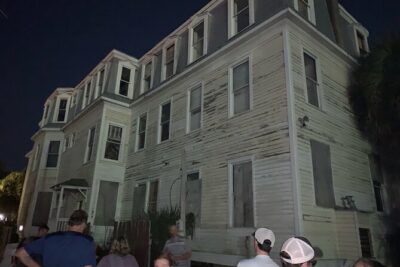
The theme is straightforward: you’re getting a ghost tour, but the stories are anchored to specific places. You’ll hear about the city’s older life—illness, imprisonment, architecture, and the way people built over burial grounds—and then you’ll get the spooky overlay that people associate with those same spots.
This is also the kind of tour where the time of day does work for you. After dark, even the most famous squares feel different, and you’re walking through the city’s grid with the lights lowered and the atmosphere turned up.
You can also read our reviews of more tours and experiences in Savannah.


Price and what $32 buys in a 1-hour after-dark tour
At $32 per person for about 1 hour, the price lands in the “worth it if you like guided stories” zone. You’re paying for a trained guide plus the convenience of a tight route that hits multiple famous and eerie sites without you having to connect the dots yourself.
One practical value point: the stops are listed as admission ticket free. That’s helpful, because it means you’re not usually paying extra at each location just to hear the story in the right spot.
You’re also booking well ahead on average—around 11 days. That suggests the popular slots can fill, so if your dates are firm, I’d lock in early rather than waiting for the “perfect night.”
And because it’s limited to 35 travelers, you should expect a normal group walk pace rather than a massive crowd shuffle.
Oglethorpe Square to Wright Square: fever victims, burial-ground dread, and Tomochichi
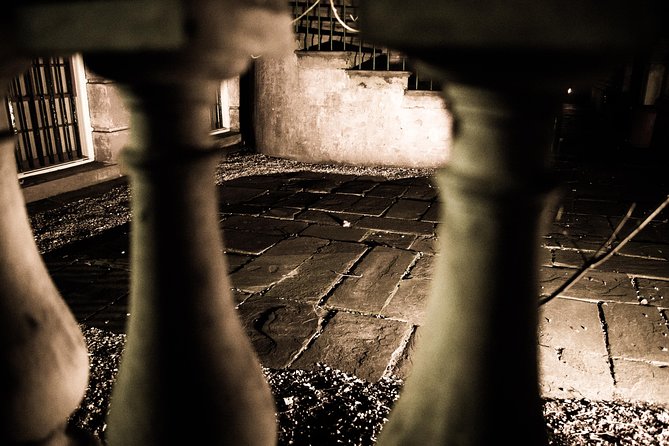
This first chunk of the tour leans into the kind of Savannah spooky that feels rooted in place—squares, houses, and the ground itself.
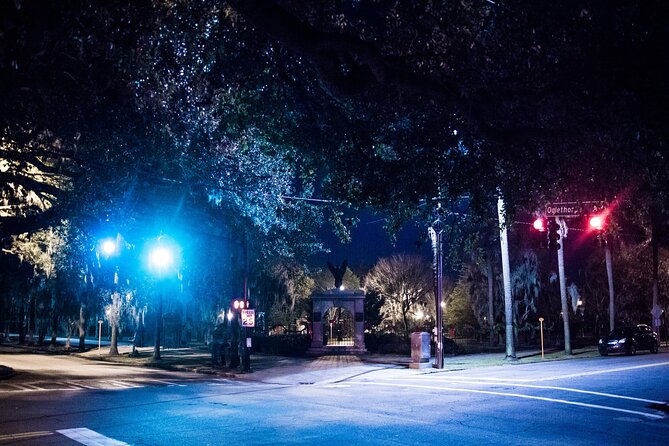
Oglethorpe Square: Yellow Fever lore under old oak trees
At Oglethorpe Square, the story centers on haunting claims tied to Yellow Fever victims. The idea is that spirits remain tied to the square, caught in a tragic loop connected to that epidemic period.
This stop is a good opener because the setting is dramatic even without any ghost talk. Big trees, open space, and a quiet dark feel make it easy to imagine why people would connect the square to restless spirits.
Potential drawback: if you’re not into epidemic-era history or you prefer lighter scares, this can feel more somber than scary.
Owens-Thomas House & Slave Quarters: English Regency above, unsettling echoes below
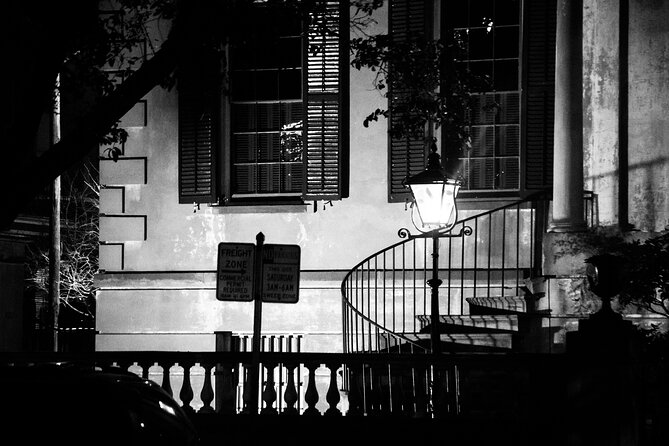
Next is the Owens-Thomas House & Slave Quarters, built in 1819 by architect William Jay, and known for its English Regency look. The haunting angle here is the contrast between elegance and the disturbing past that some reports connect to the house.
Even if you’re skeptical, this stop is worth your attention because the architecture gives you something tangible to focus on. You’re not just walking by a dark corner; you’re looking at a specific home style and thinking about what that space has held over time.
Why you’ll like it: the story has an actual historical spine—house design, lived life, and the idea that unresolved trauma can cling to buildings.




9 W York St (Lindsey & Morgan Company Building): built atop old burial grounds
Then you shift to 9 W York St, tied to the Lindsey & Morgan Company Building. The spine of this stop is simple: the building was constructed atop old burial grounds, and reports include odd disturbances like furniture shifting on its own.
This is the kind of haunting premise that works in a ghost tour setting because it’s hard to shake the “you’re standing above something” thought. Whether you believe in ghosts or not, the idea of layered ground is unsettling in its own right.
Reality check: this is more about unsettling atmosphere and story than action. If you’re hoping for jump-scare theatrics, this won’t be that kind of tour.
Wright Square: Tomochichi and the feeling of being watched
At Wright Square, the haunting focus is Tomochichi, a revered Native American leader whose grave lies beneath the square. People describe eerie sightings and a sense of being watched, as if he’s still guarding his resting place.
This stop tends to stick with people because it blends respect, place-based history, and the classic Savannah square feeling. Wright Square doesn’t need extra props—your eyes already understand it’s a meaningful spot.
Consideration: if you’re traveling with kids, this is one to treat with care. The story has a respectful, serious tone more than a silly prank vibe.
Juliette Gordon Low House to Chippewa Square: Girl Scouts roots, Foley House contrasts, and night-time storytelling
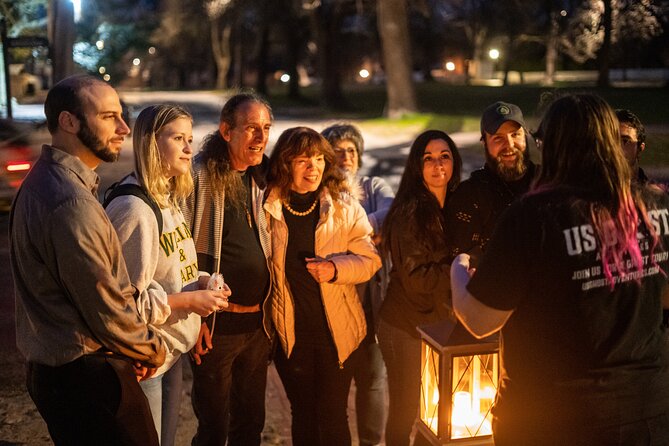
The middle of the tour keeps moving through key stops that are both recognizable and emotionally different.
Juliette Gordon Low Birthplace Museum: parents’ ghosts near Girl Scouts origins
At the Juliette Gordon Low Birthplace Museum (the house of Girl Scouts founder Juliette Gordon Low), the haunting story turns toward William and Eleanor Gordon, her parents. Reports claim their spirits roam the halls.
What makes this stop interesting is the contrast: Girl Scouts is upbeat and forward-looking, while the ghost talk adds a haunting layer to a place known for community and growth. That blend can make the story feel more human, not just scary.
If you’re with families: this one often lands well because the location gives you real context, not just invented dread.
Chippewa Square: the Forrest Gump bench, plus a darker side
At Chippewa Square, you’ll likely recognize the area from pop culture (the Forrest Gump bench scene). But the tour adds a turn toward the Foley House across the way, where people have reported sinister activity and ghostly disturbances.
This is a smart stop choice because it gives you a familiar visual anchor, then redirects you to the less “camera-friendly” side of the square. It’s an easy way to turn sightseeing into a story hunt.
Possible drawback: because Chippewa Square is a known landmark, it can feel busy compared with quieter squares. Your guide’s volume and your spot in the group will matter for hearing the details.
Savannah Theatre: Ben the prank-playing ghost
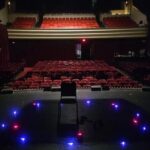
Next is the Savannah Theatre, one of the oldest theaters in the country. The haunting here is playful: a mischievous ghost of a young boy named Ben, known for pranks that delight staff and visitors with eerie humor.
This stop can be a morale booster in a ghost tour. After darker, heavier stories earlier, a lighter prank-style haunting gives your brain a break and keeps the walk fun.
If you’re the type who likes ghost stories that feel like legends rather than grim warnings, this is one of the best stops to listen for.
From Colonial Park Cemetery to Captain Henry Dickerson’s Home: the long shadows of Savannah’s dead
The final stretch leans into the cemetery and older residential hauntings—places where the mood becomes quieter and the stories carry more weight.
Colonial Park Cemetery: Yellow Fever victims and Revolutionary War remains
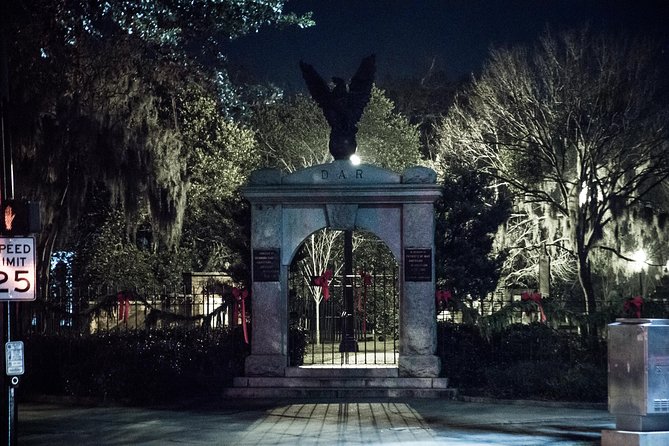
At Colonial Park Cemetery, the tour focuses on Savannah’s long burial legacy—Revolutionary War soldiers, Yellow Fever victims, and a diverse mix of names and eras. The ghost talk centers on lingering spirits among weathered tombstones and historic graves.
Even without any paranormal beliefs, a cemetery stop can be powerful because you’re facing the physical reality of time. That’s part of why ghost tours often feel different here: the setting doesn’t need added theatrics.
Tip for your night: let this be a slower moment. Even if the group keeps moving, you’ll enjoy it more if you pause to actually look around.
201 E York St (Captain Henry Dickerson’s Home #1 and #2): a box in the attic
Finally, you visit 201 E York St, tied to Captain Henry Dickerson’s Home #1 and #2. After Captain Dickerson died in 1922, tenants allegedly found a small wooden box of personal effects in the attic’s fourth floor, and the discovery is said to have sparked paranormal disturbances.
This stop is classic ghost-tour storytelling: an object with a history, then a chain reaction of strange events. It’s the kind of story that feels spooky because it suggests the haunting isn’t random; it’s tied to something forgotten.
Consideration: this is still a walking tour viewpoint, not an indoor paranormal investigation. You’ll get the story and atmosphere, not a detailed after-hours exploration.
How the guide and group size shape the whole experience
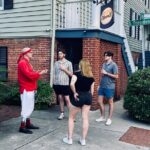
This tour is only as good as the person leading it. The most praised experiences share one theme: the guide communicates clearly, keeps the pacing steady, and invites questions.
You might even hear examples of standout delivery styles from guides like Leroy, Keith, Eric, Tia, Sophie, Gabe, and Jade. When that kind of guide is on the route, the tour often feels like a live conversation—clear enough to follow, interesting enough to keep your attention, and organized enough to enjoy each stop instead of rushing past it.
The downside is also guide-dependent. Some people reported rushed storytelling, monotone delivery, or difficulty hearing. A couple even mentioned issues like the tour starting early. Those cases can make the same itinerary feel like a quick walk with basic facts instead of a fun night of history-meets-haunting.
Since the tour lasts about an hour, you don’t have much time to “wait for it to get good.” So I’d arrive ready to listen, and I’d pick a position where you can hear the guide’s voice—not the loud end, but the clear end.
When to go, what to wear, and how to pace a 1-hour ghost tour
Because this is a night walking tour, smart casual is the stated dress code. I’d treat that like permission to wear comfortable layers too, because Savannah nights can feel cool once you’re outside for a full hour.
You’ll want moderate physical fitness for this one. The tour is short, but it’s still multiple stops with walking between them. If you’re a slow walker, plan to move at a steady pace and use any pauses your guide offers.
The pace matters for your enjoyment. Reviews include an older walker who managed the hour, and another person who described the guide walking fast. That tells me the route isn’t “sit and soak.” It’s more like walk, listen, and snap photos when the group pauses.
Also, keep your expectations realistic for the experience tech. You’ll get a mobile ticket, but you’ll still rely on your own ability to hear and see in low light. If you’re hard of hearing in crowds, I’d bring that awareness into how you choose your spot.
Who should book Sinister Sins & Shadows (and who should skip it)
I’d book this tour if you want:
- A guided walk through real Savannah landmarks rather than a drive-by.
- A spooky history mix that includes Yellow Fever lore, cemetery stories, and ghost legends tied to specific addresses.
- An hour that’s easy to fit into an evening plan, starting and ending at the same spot.
I’d think twice if:
- You only want the scariest ghost-tour theatrics. This leans more story-and-place than dramatic effects.
- You’ve had bad luck with hearing or pacing on past walking tours. A few reports mention sound and delivery issues, and you’ll want a guide that can keep you locked in from the start.
- You want a super in-depth lecture. Some people found it basic and quick, which makes sense for a one-hour route.
If you’re traveling with kids, it can still work, especially when the guide is comfortable with questions and keeps the tone appropriate. The theater and squares also help because they’re visually interesting, not just dark stories on a sidewalk.
Should you book Sinister Sins & Shadows?
Yes, with one honest condition: book it if you’ll enjoy a story-focused after-dark walk where the value comes from a tight route and a good guide. At $32, you’re paying for convenience and narration across multiple stops that otherwise take time to string together.
If you’re the type who needs either very scary payoff or very deep historical detail, you might prefer a longer format or another style of tour. But for most people who want a fun night in Savannah’s squares—plus a few moments that make you look twice at the dark corners—this is a solid fit. Choose a night where you can arrive early enough to get a good listening spot, and bring comfortable shoes.