REVIEW · STOCKHOLM
Private blood, ghosts and folklore Old Town 2h Stockholm tour
Book on Viator →Operated by Sweden History Tours · Bookable on Viator
Stockholm gets spooky fast. This private Old Town walk turns Swedish folklore and dark city legends into a guided story you can actually follow, with plenty of chances to ask questions. I especially like the ghost-themed private format and the way the guide connects “street details” to beliefs like iron protection and vaesen. I also like that you get clear navigation so you spend less time figuring out where to go and more time listening.
One possible drawback: the name can raise expectations of nonstop gruesome horror. If you’re hunting for a scare every ten minutes, you might find it more folklore-meaning and less gore-forward.
In This Review
- Key highlights worth your attention
- A private ghost walk built for real storytelling in Gamla Stan
- Price and time: does $188.16 feel fair?
- Start at Stortorget: death, curses, and why blood mattered
- Prästgatan: the street name that once sounded like Hell
- Old Town houses and the iron rule of protection
- Logårdstrappan and the water creatures that lure people in
- Kungsträdgården: forest spirits, the undead child Myrling, and blood fear
- S:t Jacobs Kyrka: exorcism, church doors, and punishing enemies
- Route reality: where you start, where you finish, and how to plan your walk
- Who this tour suits best (and who might want a different style)
- Should you book Private blood, ghosts and folklore Old Town 2h Stockholm tour?
- FAQ
- How long is the Stockholm Old Town ghost and folklore tour?
- Is this a private tour?
- What is the meeting point?
- Where does the tour end?
- What is included in the price?
- Do I need a separate admission ticket for the stops?
- What ticket type does the tour use?
- Is the tour near public transportation?
- Are service animals allowed?
- Is free cancellation available, and how far in advance do I need to cancel?
Key highlights worth your attention
- Private, ask-anything pacing: you can steer the questions as you go.
- Stortorget start point: a strong opening built around death, curses, and execution lore.
- Protection themes everywhere: doors, iron, baptisms, and what people did to keep danger out.
- Vaesen of water: Näcken, bäckahästen, Sjörå, and skepps-rå bring local “drown-and-lure” legends to life.
- Church-door focus: you’ll hear how folk beliefs mixed religion with fears about enemies and exorcism.
- Ends near Kungsträdgården: the route finishes just outside Old Town, with an easy walk back.
A private ghost walk built for real storytelling in Gamla Stan
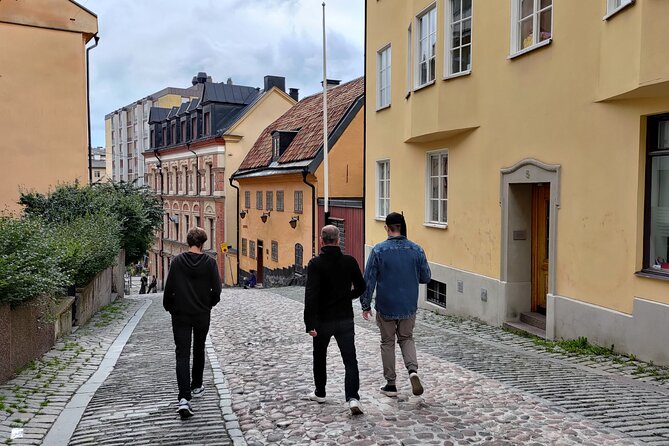
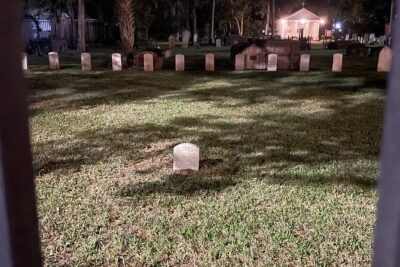
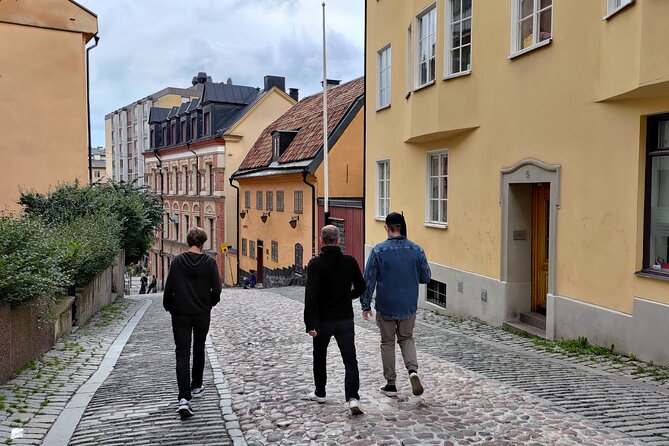
This tour is designed for people who want a darker side of Stockholm without turning it into homework. You’re walking through Old Town while a guide links the city’s landmarks to the kinds of stories people once treated as serious life-and-death advice. Think folklore creatures, folk protections, and the way fear gets wrapped around everyday places.
What makes it feel different from a basic “ghost facts” stroll is that it’s private. That matters because these stories aren’t just random spooky snippets. You can ask what a creature was believed to do, why iron was such a big deal, or how people thought protection worked. The guide also handles navigating, so you’re not losing the thread because you’re searching for the next spot.
It runs about 1 hour 30 minutes, so it’s long enough to build a mood but not so long that you feel stuck with the same tone the whole time. You’ll still be moving through Old Town on foot, so plan for comfortable walking shoes and weather-appropriate layers.
You can also read our reviews of more tours and experiences in Stockholm.


Price and time: does $188.16 feel fair?
At $188.16 per person, this isn’t the cheapest thing you can do in Stockholm. The value depends on what you want from a tour.
Here’s the practical way to judge it: you’re paying for (1) a private guide, (2) guided pacing through specific Old Town locations, and (3) a storytelling format built around folklore plus dark city context. You also get a mobile ticket, and the tour’s schedule marks the key stops as free admission, so you’re not stacking extra paid entries on top.
If you’re the kind of traveler who loves Q&A, this price can feel easier to justify, because you’re not stuck with a fixed script. If you mainly want to “collect” a list of famous horrors, you may find yourself wishing for more showy set pieces and less belief-system explaining.
My take: this is best when you’re open to folklore thinking. If you’re coming only for shock value, you may end up comparing it to campfire-style spook stories—and those are hard to beat when you expect pure horror.
Start at Stortorget: death, curses, and why blood mattered
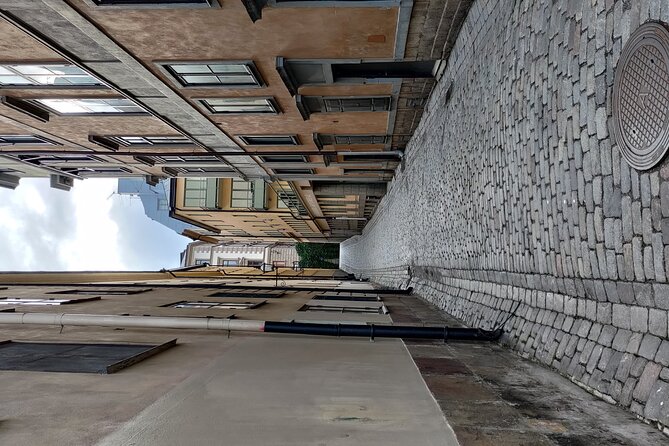
You begin at Nobel Prize Museum, Stortorget 2, and you get an early sense of where the tour is headed. Stortorget is where the guide sets the tone by talking about death as more than a grim fact—death as material for folklore.
Around ten minutes in, you’ll hear the kind of beliefs that treat the body and its parts as tools. The tour’s story includes ideas like curses tied to the blood of the dead, and it even connects public executions to the way people made sense of horror. You’ll also explore execution-related lore connected to the Danish King Kristian and the aftermath of killings and violence around Stockholm, including the reference to executions of around 90 souls.
Why this stop works: it frames the whole walk. Once you understand that these stories were meant to explain danger, misfortune, and the unknown, the later creature tales don’t feel random. The drawback is that if you’re expecting one big ghost reveal, Stortorget sets up themes first, then the tour builds the “how protection works” angle next.
Prästgatan: the street name that once sounded like Hell
Next you move to Prästgatan, also about ten minutes. This part plays like folklore shorthand. The guide focuses on the street’s former association with the idea of Hell, tied to the people who lived there.
This stop is quick, but it helps you understand something important: fear in folklore often becomes geography. A place name, a rumor, or a reputation can turn a street into a story you carry in your head.
If you like your tours to connect “where” with “why,” this works well. If you only want long-form stories, you might wish this segment lasted longer. The upside is that it keeps the pace from dragging before the tour hits the house-and-door protection material.
Old Town houses and the iron rule of protection
Then you get to the Old Town area itself, spending about ten minutes at a doorway-style story moment. This is where the tour leans hardest into practical superstition.
You’ll hear about protection against vaesen (folklore beings), including how iron was used as a defense. The guide also connects the idea of dangerous spirits—souls that might not rest—with mist-related folklore. You’ll also learn about the tomte, a figure that often shows up in Swedish traditions.
The big theme here is protection: not just protection in general, but protection of very specific things. The tour highlights beliefs about the door—and protection for a newborn before baptism, when the child was thought to lack protection and could be targeted by trolls or the Devil.
Why I think this part is strong: it makes the stories feel grounded in how people lived. These tales weren’t only for entertainment; they offered a “what you can do” mindset. When you hear the logic behind the beliefs, the rest of the tour’s vaesen creatures make more sense, because the guide is explaining how communities tried to manage fear.
Logårdstrappan and the water creatures that lure people in
At Logårdstrappan, you spend about ten minutes switching from “iron and doors” to water-linked terror. This is one of the most distinctive sections because the guide walks through multiple vaesen connected to rivers, streams, seas, and drowning dangers.
You’ll hear about:
- Näcken (a water-linked folklore figure)
- bäcksahästen (described as the Swedish version of kelpie)
- Sjörå (sea-rå)
- skepps-rå (skiprå)
And you’ll connect the stories to what these beings were believed to do—trying to drown people and lure them into deeper water.
This stop is a good reminder that Swedish folklore isn’t just forests and ghosts. Water is its own character. Even if you don’t remember every creature name, the emotional throughline lands: nature can be dangerous, and people invented stories to explain why.
Kungsträdgården: forest spirits, the undead child Myrling, and blood fear
At Kungsträdgården, the tone broadens and gets darker. This segment lasts about 20 minutes, which signals it’s a key part of the tour.
The guide introduces more Swedish folklore vaesen, including the dangerous Skogsrået / huldran and the undead child Myrling, described as spreading death and sucking blood. You’ll also hear about other creatures tied to older fears about death and harm.
This is where the tour can feel closest to what many people imagine when they book a ghost walk: undead, blood, and fear made into story characters. Still, it’s not just “spooky creature listing.” The guide frames these beings within the belief world—how people thought danger moved, how it targeted vulnerable moments, and why some places attracted specific fears.
If you felt the tour wasn’t gruesome enough earlier, this is likely the section that clicks. If you wanted pure horror, you may still find it more belief-based than jump-scare-based—but it gives you more story meat than some of the earlier stops.
S:t Jacobs Kyrka: exorcism, church doors, and punishing enemies
The tour ends at the outside area of S:t Jacobs Kyrka (Saint Jacob’s Church), with about 15 minutes focused on church-door folklore.
This part leans into the intersection of religion and folk belief. You’ll hear about the church door, “weak points” as the stories frame them, and exorcism-like thinking tied to baptism—specifically the story about the exorcism of a kid at baptism.
The guide also covers a darker angle: what you might do if you had a worst enemy and wanted to punish them. It’s a chilling reminder that folklore can express social anger and fear, not only supernatural dread.
This is a good ending because it circles back to the tour’s protection theme. Doors and thresholds matter—whether it’s protection against vaesen, protection for newborns, or protection framed through religious spaces. When the tour finishes, you understand how the same “protect the boundary” idea can show up in different costumes.
Route reality: where you start, where you finish, and how to plan your walk
You start near the Nobel Prize Museum at Stortorget and you finish outside Saint Jacob’s Church on the north side besides Kungsträdgården. The walk doesn’t end deep in the Old Town maze; it ends near a place that makes the last bit back to your bearings simpler. The tour information notes it’s about a 10-minute walk back to the start area.
Timing matters here. With an approximation of 1 hour 30 minutes, you don’t need a big day-long schedule buffer, but you should still keep room for weather and a little extra time to regroup if you’re going to combine it with other Old Town sightseeing.
Because it’s private, your group pace can shift. If you ask lots of questions, you may feel the guide slowing down with you. If you prefer a faster flow, say so early and you’ll likely keep things on track.
Who this tour suits best (and who might want a different style)
This tour fits best if you like folklore systems: the way people used stories to manage fear. You’ll enjoy it if you’re curious about how Swedish beliefs connect iron, doors, baptism, and vaesen behavior to real places.
It’s also a strong choice for groups who want personal attention. The format makes it easier to ask follow-ups instead of watching the guide move on while you’re still processing what you heard.
Who might not love it: if you’re expecting the tour to feel like a nonstop horror show with many set-piece scares, the emphasis on beliefs and symbols could feel slower. One concern that comes with any folklore-focused ghost walk is that the “spook” may come from meaning more than gore.
Should you book Private blood, ghosts and folklore Old Town 2h Stockholm tour?
Book it if you want a guided, private walk that treats Swedish folklore as a living belief world, not just spooky decoration. You’ll get the most value if you’re the type who asks questions and likes learning how fear got turned into rules people used—especially the iron, door, and baptism protection themes.
Skip it if your main goal is heavy shock value. The story style here is built around creatures, curses, and folk reasoning, not a string of big ghost sightings.
A smart middle-ground tip: if you’re on the fence, think about your must-haves. If you want Q&A, direction through Old Town, and a story thread that connects multiple landmark-linked beliefs, this is a solid choice for a dark evening in Stockholm.
FAQ
How long is the Stockholm Old Town ghost and folklore tour?
The tour duration is about 1 hour 30 minutes.
Is this a private tour?
Yes. It’s private, and only your group will participate.
What is the meeting point?
You meet at Nobel Prize Museum, Stortorget 2, 103 16 Stockholm, Sweden.
Where does the tour end?
The tour ends just outside of Old Town on the north side by Kungsträdgården, outside Saint Jacob’s Church at Västra Trädgårdsgatan 2A, 111 53 Stockholm, Sweden.
What is included in the price?
The guide is included.
Do I need a separate admission ticket for the stops?
The tour schedule lists admission tickets as free at the stops.
What ticket type does the tour use?
You’ll receive a mobile ticket.
Is the tour near public transportation?
Yes, it’s near public transportation.
Are service animals allowed?
Yes, service animals are allowed.
Is free cancellation available, and how far in advance do I need to cancel?
Yes. You can cancel for a full refund up to 24 hours before the experience starts.