REVIEW · NEW ORLEANS
Haunted French Quarter Walking Tour in New Orleans
Book on Viator →Operated by Historic New Orleans Tours · Bookable on Viator
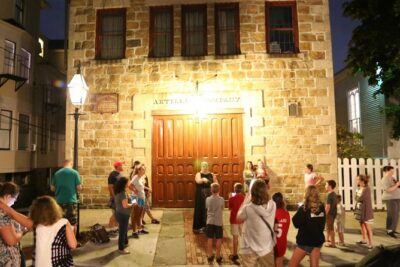
Ghost stories hit different after dark. This Haunted French Quarter Walking Tour turns the after-hours streets into a guided story hunt, with a local raconteur sharing supernatural lore tied to real French Quarter landmarks. You start at 7:30 pm and wind your way through several famed haunting sites, with plenty of moments for photos (and maybe something stranger on your camera).
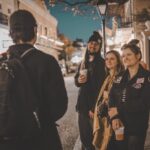
I like that the tour is pitched as fact-based storytelling. You’re not just getting scary sound effects; you’re getting the place, the era, and the legend braided together. I also like the smaller feel—there’s a max group size of 20, which helps the guide keep you engaged and answer questions without losing the mood.
One possible drawback: if you’re expecting a slow, spooky creep-crawl with nonstop frights, this can land more like a lively story walk. Also, pace and tone can vary by guide, so it’s smart to show up ready to listen and soak it in.
In This Review
- Key things to know before you go
- Ghost Stories After Dark: The 7:30 pm French Quarter Walk You Can Plan Around
- Price and Time Value: $25 for About Two Hours with a Local Guide
- Where You Start at 823 Decatur St and Why Jackson Square Is the Likely Finish
- LaLaurie Mansion and the Bourbon Orleans Hotel: Landmarks That Feel Made for Legends
- Pirates Alley to the Quadroon Mistress: The Stories That Make Corners Feel Dangerous
- The Witch of the French Opera and Pere Dagobert at St. Louis Cathedral
- General P.G.T. Beauregard and the Orleans Hotel Phantom: Where Real Names Add Pressure
- Spirits of the Mississippi River and the Camera-Ready Moment
- What to Expect from the Guide: Why the Tone Can Make or Break It
- Who This Haunted French Quarter Walking Tour Fits Best (and Who Should Skip)
- Should You Book This $25 Haunted Walk?
- FAQ
- How much does the Haunted French Quarter Walking Tour cost?
- How long is the tour?
- What time does the tour start?
- Where do I meet the guide?
- Where does the tour end?
- What’s included in the price?
- Is food and drinks included?
Key things to know before you go
Fact-based ghost lore: the stories are framed as rooted in real places and accounts.
Targets famous haunting sites: LaLaurie Mansion, Bourbon Orleans Hotel, and more make it feel specific.
Smaller group size: capped at 20, so you’re not lost in a crowd.
Good photo chances: the tour encourages camera-ready moments.
Tour tone matters: the experience depends a lot on the guide’s pacing and delivery.
Ghost Stories After Dark: The 7:30 pm French Quarter Walk You Can Plan Around
This is a classic “city at night” experience, but with structure. The tour starts at 7:30 pm and runs about two hours, which is long enough to cover several stops yet short enough that you can still plan a late dinner or a quick drink after. It also means you’re not sweating a long afternoon wait—by the time you begin, the French Quarter is already shifting into that evening mood.
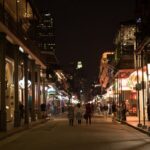
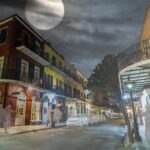
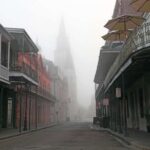
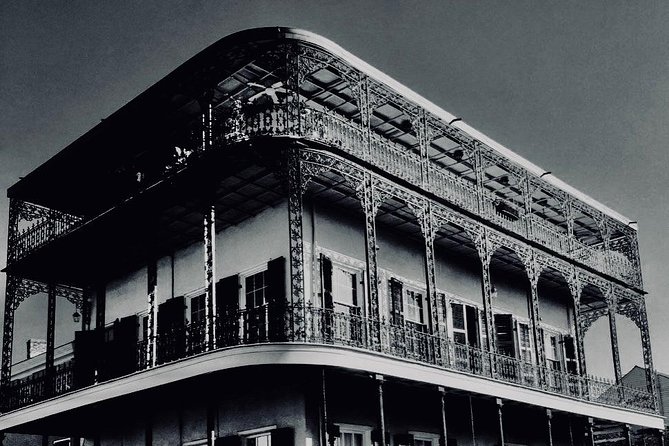
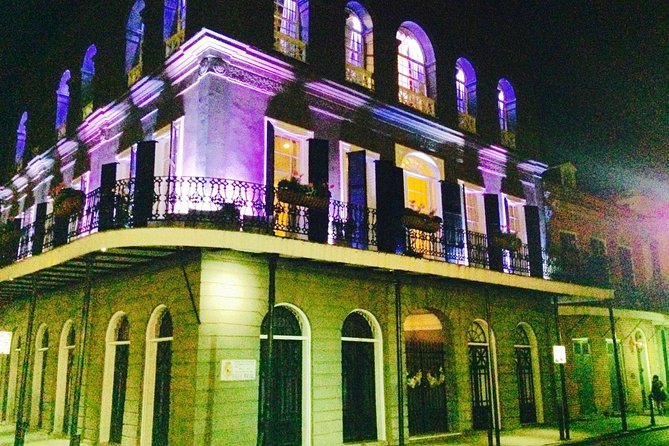
What makes the timing work is that the French Quarter’s landmarks hit differently after dark. You see familiar stone and wrought iron in a new light, and the guide’s stories have room to land. This is the kind of tour where your brain starts to connect details: a corner feels like it could hide something, a building’s history feels more personal, and the street becomes part of the tale.
You should also know the tour ends somewhere in the French Quarter, usually close to Jackson Square. Since the exact finish can vary by the guide’s route, I treat this as a “walk with a soft landing” rather than a strict finish at one exact address.
You can also read our reviews of more tours and experiences in New Orleans.


Price and Time Value: $25 for About Two Hours with a Local Guide
At $25 per person for about two hours, this is priced like a focused, guided evening rather than an all-day production. For me, the value comes from the combination: a local guide plus multiple named haunting sites. You’re paying for storytelling with specific stops, not just wandering with a map.
Also, a smaller cap of 20 travelers matters for value. In a big group, ghost stories can turn into background noise. Here, the pacing tends to stay tighter, and you get a better chance to hear the details clearly.
Two hours is long enough to build atmosphere but not so long that you’ll feel exhausted. That’s important in the French Quarter, where nighttime walking can be a mix of cobblestone rhythm and sudden crowds near popular streets. If you’re going with friends, this also works well because the tour is short enough that you’ll still be talking about it over dinner rather than only remembering how tired your feet were.
Where You Start at 823 Decatur St and Why Jackson Square Is the Likely Finish
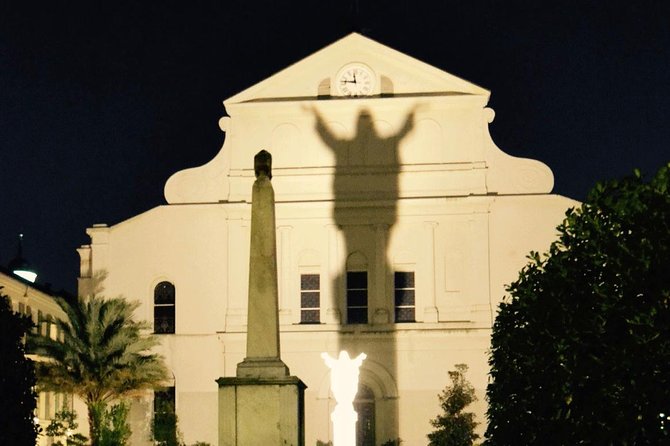
You’ll meet at 823 Decatur St, New Orleans, LA 70116. That matters because the French Quarter is built like a maze of short streets. A clear meeting point keeps the evening simple: show up, check in, and your guide does the navigation.
From there, you’ll finish near Jackson Square in the middle of the French Quarter (the end points can vary by route). Jackson Square is a good reference point because it’s a natural “reset button” after a walking tour. If you want to continue exploring, you’ll likely be close enough to flow into other French Quarter plans without needing another ride.
One practical tip: arrive a touch early so you’re not scrambling for the group at dusk. Even with a small group size, you’ll want a clean moment to hear the intro and settle into the tour tone.
LaLaurie Mansion and the Bourbon Orleans Hotel: Landmarks That Feel Made for Legends
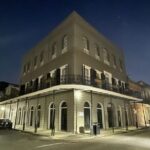
This is a tour built around places you can point to later. And two of the strongest draws are LaLaurie Mansion and the Bourbon Orleans Hotel. These aren’t vague “somewhere over there” stops. They’re famous, specific landmarks tied to heavy legend weight.
At LaLaurie Mansion, the story tends to focus on the kind of haunting that feels personal: the legend clings to the building’s identity. In a fact-based tour format, you get the setting first, then the supernatural layer. The payoff for you is that the story makes architectural sense. You can see why the rumor stuck around—what people would have noticed, what would have been remembered, and how that memory evolved into ghost lore.
The Bourbon Orleans Hotel stop connects well with the idea of a lingering specter. Hotels are built for movement, crowds, and secrets, so it’s an easy jump from history to haunting. If you’re the type who enjoys hearing how a single location becomes a symbol, this is one of the moments where you’ll feel the tour’s theme: history doesn’t vanish in New Orleans—it just changes clothes.
Photo lovers should like these stops too. When you’re in front of a dramatic façade, your camera has something to grab onto. The highlight of the experience even mentions the possibility of a fleeting apparition on camera—no promises, but the tour clearly sets you up to try.
Pirates Alley to the Quadroon Mistress: The Stories That Make Corners Feel Dangerous
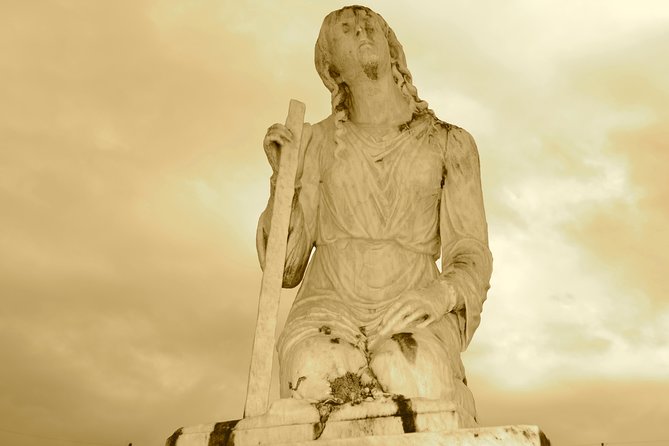
Some of the creepiest vibes come from alley-style locations. The tour includes the Ghost of Pirates Alley, and that choice is smart. An alley feels like a natural stage for rumor because it’s narrow, slightly hidden, and easy to imagine as off-limits.
This kind of stop works best when you let the guide slow down for the details: the name, the setting, what people believed, and how the story traveled over time. Even if you’re not a die-hard ghost buff, you’ll likely appreciate the “how legends form” angle. That’s where the tour becomes more than scare talk—it becomes a street-level history lesson.
Another stop is tied to the Ghost of the Quadroon Mistress. Here, the value is in learning how social realities and local storytelling shape what gets remembered. You don’t just hear a haunting claim; you get the sense of why a story like this might have taken hold in the French Quarter imagination.
If you want one takeaway from these stops, it’s this: the tour doesn’t treat ghosts as random. It treats them as part of how people in New Orleans made sense of the world—through place, power, and memory.

The Witch of the French Opera and Pere Dagobert at St. Louis Cathedral
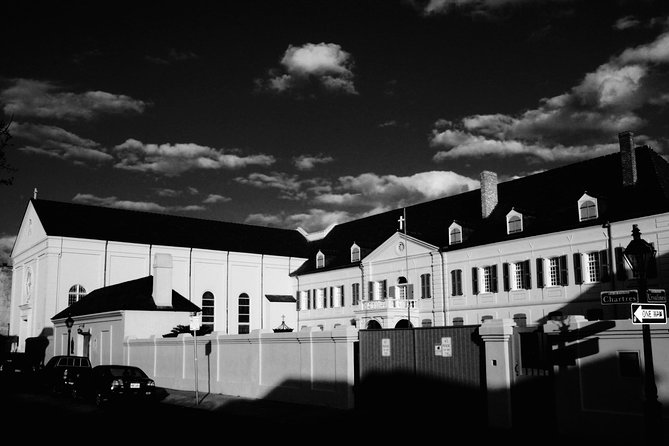
Not every haunted stop here is secular. The tour includes the Witch of the French Opera, which is a fun pairing with the French Quarter because theaters and performance spaces attract lore. Opera houses collect rumors fast—partly because stories need an audience, and partly because the building itself feels theatrical even when it’s quiet.
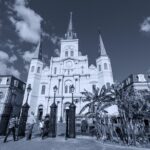
Then comes Pere Dagobert of the St. Louis Cathedral. Cathedral legends tend to land differently than alley legends. You’re not only imagining a ghost—you’re imagining devotion, authority, and long-standing local belief. It can feel weightier, and the guide’s narration style matters here. If the guide is engaging and clear, this is the kind of stop where the story sticks.
One consideration: if you’re mainly after spooky thrills, religious or moral legend stops may not scratch the same itch as mansion or hotel stories. But if you want a tour that gives you context, these are the places where the experience can surprise you in a good way.
General P.G.T. Beauregard and the Orleans Hotel Phantom: Where Real Names Add Pressure
A standout stop is the specter of General P.G.T. Beauregard. When a tour uses a real named figure like this, it pushes the story into historical territory. That can make the haunting feel more grounded, and it often turns the tour into something you’d recommend as both eerie and educational.
From there, you’ll also see the Phantom of the Orleans Hotel. Hotels again show up because they’re built for human stories—comings and goings, private moments, and the sense that strangers pass through without leaving much behind. When the guide ties that setting to a specific haunting legend, the result is a ghost story that feels plausible rather than random.
This is also where the group’s energy matters. In a small group of about 20, the guide can set a tone and keep you listening. If you’re sensitive to pacing, though, be prepared: one chunk of experience quality depends on how clearly the guide delivers the story at each stop. You’ll get the most out of this tour when you treat it like an evening storytelling event, not like a jump-scare contest.
Spirits of the Mississippi River and the Camera-Ready Moment
The tour includes Spirits of the Mississippi River, which is a great idea for the ending mood. Even if the river is only glimpsed in passing, it adds scale. The French Quarter can feel like a pocket of time, but the river reminds you it’s part of something larger—trade routes, migration, danger, and myth.
This stop also supports the tour’s photo angle. The highlight calls out souvenir pictures—and maybe catching a fleeting apparition on camera. I’d take that as playful encouragement rather than a promise, but it does mean the guide likely gives you moments to frame shots and slow down.
If you like souvenirs, plan to take your photos where there’s enough light to avoid blurred frustration. Night photography in the Quarter can be tricky, and you’ll enjoy the tour more if you’re not spending the whole time wrestling with settings.
What to Expect from the Guide: Why the Tone Can Make or Break It
The tour is led by a local guide, and that’s the whole point: a walking ghost tour lives or dies on storytelling. When the guide is funny, clear, and paced, you’ll feel like you’re walking through New Orleans legend—one stop at a time. The tour also tends to hold attention by naming multiple hauntings rather than focusing on one long story.
At the same time, this is where you should be honest with yourself. If you struggle with fast delivery, a rushed pace can make it hard to follow the details. And if you’re expecting a slow build of dread, a more animated style can feel less ghostly and more talk-show.
One guide name you may see mentioned is Moira, who earned standout praise for being engaging and funny. That sort of delivery fits the best-case version of this tour: you get facts and atmosphere, and the spooky parts still feel human, not forced.
Who This Haunted French Quarter Walking Tour Fits Best (and Who Should Skip)
This tour is a strong pick if you want an evening in the French Quarter that feels organized and story-driven. You’ll get the most value if you enjoy hearing how legends connect to real places, and if you like tours with named stops you can later locate on your own.
It’s also a good choice for people who want a smaller group evening. With a maximum of 20 travelers, it’s easier to hear the guide and keep the vibe from turning chaotic.
You might consider a different option if you:
- Want nonstop jump-scare style scares rather than narration
- Don’t enjoy tours where pacing and delivery style affects your enjoyment
- Prefer a broader daytime history tour before doing ghost lore at night
In terms of general fit: the tour is in English, lasts about two hours, and doesn’t include food or drinks. That’s fine if you plan dinner nearby or eat before you start.
Should You Book This $25 Haunted Walk?
If you want a structured French Quarter evening with fact-based ghost lore and a guided route through major haunting landmarks, this is a solid bet for the price. The small group size helps, the stop list is specific, and the tone can be fantastic when the guide is in full storyteller mode.
I’d book it if:
- You’re in New Orleans at night and want a plan that starts at 7:30 pm
- You like named landmarks like LaLaurie Mansion, Pere Dagobert, and the Bourbon Orleans Hotel
- You’re open to a story-first approach rather than a fear-first approach
I’d pass or shop around if you’re extremely sensitive to pacing, or if you only want the spookiest possible experience. In that case, you might find the story-walk format less satisfying.
FAQ
How much does the Haunted French Quarter Walking Tour cost?
It costs $25.00 per person.
How long is the tour?
It runs about 2 hours (approx.).
What time does the tour start?
Start time is 7:30 pm.
Where do I meet the guide?
You meet at 823 Decatur St, New Orleans, LA 70116.
Where does the tour end?
The end point is in the French Quarter, usually close to Jackson Square, and it can vary depending on the route.
What’s included in the price?
A local guide is included.
Is food and drinks included?
No, food and drinks are not included.