REVIEW · ST AUGUSTINE
Ghosts of St. Augustine Walking Tour
Book on Viator →Operated by Ghost City Tours of St. Augustine · Bookable on Viator
Ghost stories in St. Augustine run street-to-street. This Ghosts of St. Augustine Walking Tour takes you past major landmarks with a guide who connects the city’s darker past to the people who still feel close by. I especially like how family-friendly the vibe is, and how the route gives you spooky highlights without having to map anything out yourself.
The main thing to watch is meeting-point mix-ups. A few folks reported that the tour start location can change at the last minute, so you’ll want to re-check your details shortly before you go.
In This Review
- Key things to know before you go
- Why this ghost walk works in St. Augustine
- Price and value: is $29.99 worth it?
- The start at Spanish Street and Tolomato Lane (and why you should double-check)
- Walking pace and who it suits best
- Stop by stop: what you’ll see and what the guide connects
- Stop 1: Castillo de San Marcos National Monument
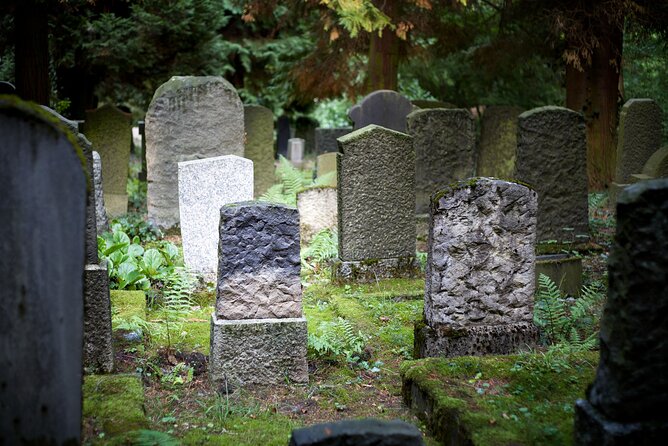
- Stop 2: Huguenot Cemetery and the John Stickney tale
- Stop 3: Tolomato Cemetery, including the Exploding Bishop and Little James
- Stop 4: Oldest Wooden School House
- Stop 5: Old City Gates
- Guides and tone: the names you might hear
- How to prepare (so the walk feels fun, not annoying)
- Weather and timing: when to go
- Should you book the Ghosts of St. Augustine Walking Tour?
- FAQ
- How long is the Ghosts of St. Augustine Walking Tour?
- How much does the tour cost?
- Where does the tour start and end?
- Do I need an admission ticket for the stops?
- Is the tour in English, and is it family-friendly?
- What happens if the weather is bad or I need to cancel?
Key things to know before you go

- A tight 90-minute route: multiple stops, each timed to keep the walk moving.
- Cemeteries are part of the story: you’ll hear claims tied to specific graves and monuments.
- History and spook are braided together: expect wartime, betrayal, and tragedy alongside ghosts.
- Free admission at each listed stop: the tour price covers what you need for entrances.
- Guides strongly shape the tone: names like Al, Jackie, Brooke, and Carinna show up in guide stories.
- It’s dark in spots: wear shoes that work on brick, grass, and a few stairs.
Why this ghost walk works in St. Augustine
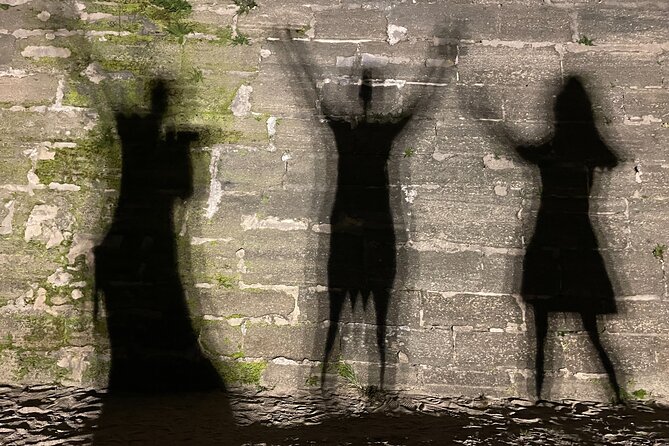
St. Augustine does “history” in a way that feels physical. You’re walking beside old stone, old gates, and old burial grounds, so the stories don’t feel like they float in from nowhere. The big win here is structure: in about 1 hour 30 minutes, you hit the key spooky stops as a group and hear the connections as you go.
I also like the way the tour keeps it approachable. This is billed as family-friendly, and the pace is described as doable for kids and for older visitors. You’re getting a night-out-style walk, but without turning into a jump-scare circus.
That said, the tour leans into the past as much as it leans into ghosts. Some of the subjects are serious—betrayal, war, imprisonment—and even if the tone stays friendly, you should be ready for darker material.
You can also read our reviews of more tours and experiences in St Augustine.



Price and value: is $29.99 worth it?
At $29.99 per person, this sits in the “reasonable splurge” zone for a guided walking tour. You’re not paying extra for entry at the stops listed on the route, since the tour notes free admission for each location. That matters, because ghost tours elsewhere can sneak in separate fees or require you to buy tickets for the big sights.
You also get what you’re really buying: a guide who ties multiple locations into one story thread. The itinerary runs through St. Augustine’s most recognizable haunted-friendly spots, so you’re spending your time listening instead of figuring out how to reach each place after dark.
In short: it’s good value if you want a guided route and don’t want to chase clues on your own.
The start at Spanish Street and Tolomato Lane (and why you should double-check)

The meeting point is Spanish Street & Tolomato Lane (Spanish St & Tolomato Ln, St. Augustine, FL 32084). The tour ends back at the same meeting point, so you’re not left wandering around figuring out your exit plan.
One practical note: there have been reports of last-minute changes to where the guide was meeting the group. If you’re not from town, don’t treat your first confirmation email as your only source of truth. Check your day-of message again close to start time, and give yourself a small buffer so you’re not sprinting in the dark.
If you arrive early, hang back and look for the guide sign or group. This is one of those tours where being a few minutes late can cost you the start of the story.
Walking pace and who it suits best
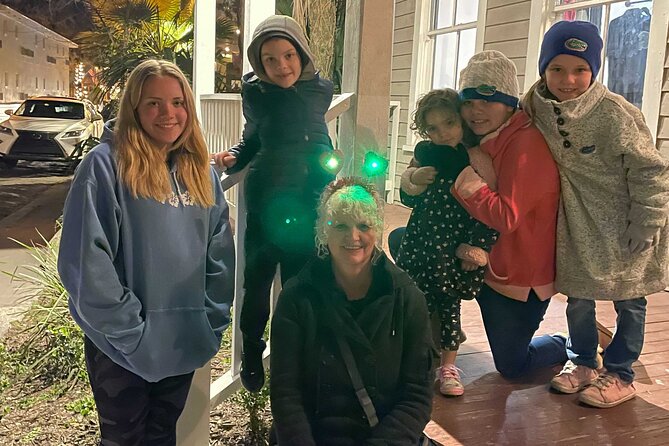
This is a walking tour designed for mixed ages. The route is paced so adults and kids can keep up, and the total time is about 90 minutes. It’s also a smaller-group experience, with a stated maximum of 25 travelers, which usually helps the guide manage the pace and timing of each stop.
The main physical consideration is the surface. The tour moves through areas that can feel dim and may include brick, grass, and a few stairs. Good walking shoes help more than you’d think, especially if you’re there in cooler weather and the ground is damp.
This tour is a strong match if:
- you want an easy night activity without long transit
- your group includes kids or mixed mobility levels
- you like stories that mix local history with folklore
Stop by stop: what you’ll see and what the guide connects






Stop 1: Castillo de San Marcos National Monument
Your first big stop is Castillo de San Marcos National Monument, one of St. Augustine’s anchor sites. Here, the stories cover the founding of St. Augustine and then move into conflict and imprisonment, including the Seminole Tribe and the ghost of Osceola. You’ll also hear about the ghosts of the Doomed Lovers.
This stop is heavy on stakes. The themes mentioned for this area include decapitation, infidelity, betrayal, war, and freedom. Even with a family-friendly delivery, you’re not in light spooky territory—more like local legends built on real suffering and hard choices.
Practical tip: arrive mentally ready for the “history-first” part of the evening. If you want pure ghost scares, you may find this stop more grounded than spooky. But that grounding is what makes the later cemetery stories land.
Stop 2: Huguenot Cemetery and the John Stickney tale
Next up is Huguenot Cemetery, a quieter stop where the name John Stickney comes into the story. The tour connects his ghost to a specific legend: teeth being robbed from his grave.
This is the kind of tale that doesn’t require you to be afraid to enjoy it. You’re standing in place, hearing a pointed story tied to a person, and then moving on. It’s also a nice break from the larger monument energy of the fort.
If your group has kids, this is often where you get the “wait, really?” moments without needing to crank the fear level.
Stop 3: Tolomato Cemetery, including the Exploding Bishop and Little James
Then comes Tolomato Cemetery, where the tour leans hard into the more dramatic legends.
You’ll hear about the “Exploding Bishop,” including the story that his casket exploded. The itinerary also brings in the ghost of Little James, described as a five-year-old who died across the street.
Two things make this stop memorable. First, the stories feel specific—named people, named legends. Second, it’s easy to connect the location to the feeling of the city: St. Augustine doesn’t separate life and death neatly. The cemetery stops are where you get that “old city” atmosphere in the most direct way.
Practical tip: bring your phone for photos, but keep it respectful. You’re in a cemetery, so it’s not the time for flash tricks or blocking your guide.
Stop 4: Oldest Wooden School House
After the cemeteries, you hit something more unusual: the Oldest Wooden School House. This stop is described as historically and architecturally crucial because it’s the oldest wooden structure in the city.
It’s also a smart pacing shift. After graveyard legends, a schoolhouse lets the story widen. You go from ghosts-at-rest to ghosts-as-memory—how a city keeps its identity across centuries.
If your brain likes facts as much as folklore, this is a good anchor stop.
Stop 5: Old City Gates
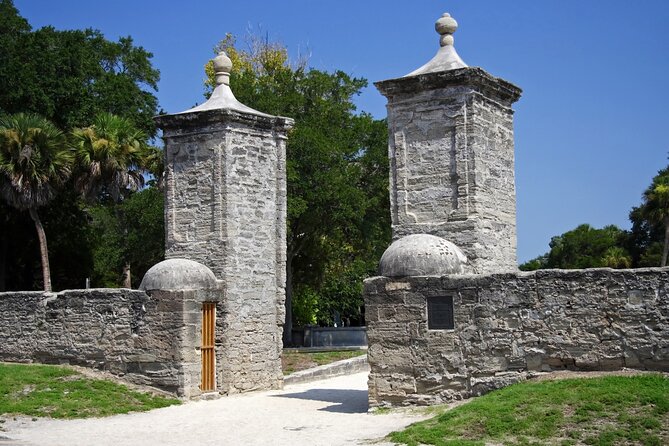
The final story stop is Old City Gates, described as the original gate to the city with tower pillars and architecture worth slowing down to notice. This is where the tour wraps with stories of tragedy and woe.
Gates make sense for a ghost walk. They’re literal borders—who came in, who left, what was guarded, and what wasn’t. The architecture gives the guide something concrete to point at, and the legends give it emotional weight.
Guides and tone: the names you might hear
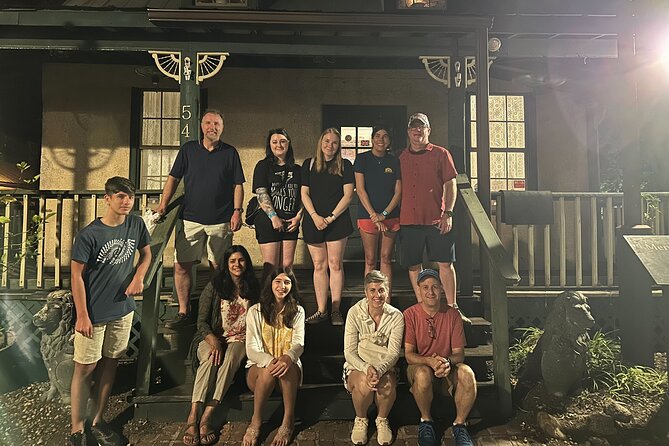
The guide makes a big difference on a story-heavy tour like this. Several guide names show up in the experience descriptions, including Al, Jackie, Brooke, Carinna, Corina, and Killian. Across these, the pattern is clear: the best moments are when the guide blends history and ghost story without making it cheesy.
Here’s what you can do on your side to get the best tone:
- Ask your guide to repeat a name or legend if you missed it (they build the story at speed).
- Keep your group close during dark sections so you don’t lose context.
- Let the guide’s pacing lead. The best part of ghost tours is usually the timing.
If you’re traveling with a dog, one guide is described as dog friendly, which is worth noting if that matters to your group.
How to prepare (so the walk feels fun, not annoying)
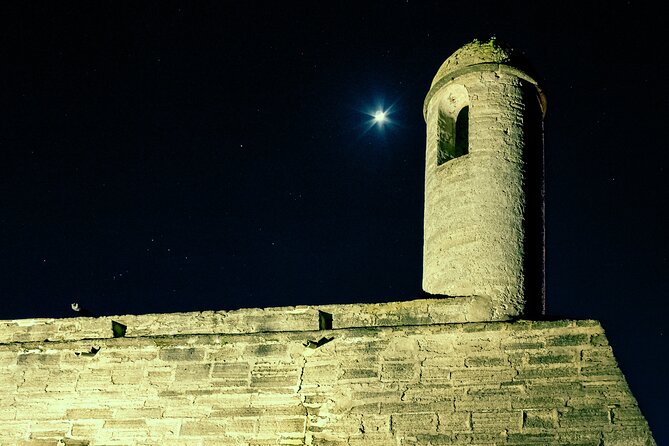
A ghost tour sounds casual, but St. Augustine at night adds a few “real world” factors.
Wear shoes that can handle brick, grass, and a few stairs. If your feet are happy, you’ll enjoy the stories more.
Bring a charged phone. You’ll use a mobile ticket, and you’ll want your confirmation info ready in case the meeting point has a change that day.
Set expectations on fear level. This is family-friendly, and the walk is often described as not too scary. Still, some topics are grim, so it’s best for kids who handle spooky stories and who can listen without getting upset.
Weather and timing: when to go
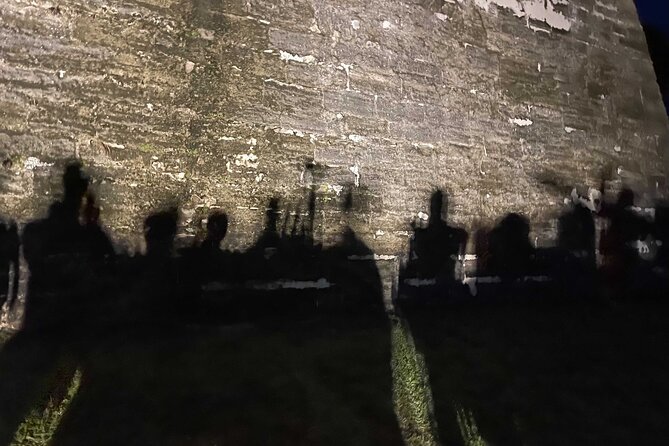
This experience requires good weather. If it’s canceled due to poor weather, you’ll be offered a different date or a full refund. That’s not just a policy detail—it’s a practical one. Walking tours hate wind and rain because they affect ground conditions and visibility.
Plan to arrive a little early, especially if you’re traveling in a group. That way you’re not rushing and then missing the first stories.
Should you book the Ghosts of St. Augustine Walking Tour?
Book it if you want:
- a guided, easy-to-follow night walk through famous St. Augustine sights
- a family-friendly spooky experience with history folded in
- a set route where you don’t have to plan each stop after dark
Skip it (or at least reconsider) if:
- your group hates walking at night or has limited tolerance for uneven surfaces
- you’re the type who needs the meeting point to be perfectly consistent every time
- you want ghosts only, with zero historical weight
If you do book, my best advice is simple: check your start details again before you head out, show up early, and wear real walking shoes. Do that, and you’ll get a fun, story-filled evening that makes the city feel extra alive.
FAQ
How long is the Ghosts of St. Augustine Walking Tour?
It’s about 1 hour 30 minutes (approx.). The tour is structured into multiple stops, each running around 10–20 minutes.
How much does the tour cost?
The price is $29.99 per person.
Where does the tour start and end?
The tour starts at Spanish Street & Tolomato Lane (Spanish St & Tolomato Ln, St. Augustine, FL 32084). It ends back at the same meeting point.
Do I need an admission ticket for the stops?
The tour information lists free admission for each listed stop on the route, and the tour includes all fees and taxes.
Is the tour in English, and is it family-friendly?
The tour is offered in English. It’s described as family-friendly and engaging for both adults and kids, and it’s generally not positioned as extremely frightening.
What happens if the weather is bad or I need to cancel?
The experience requires good weather. If it’s canceled due to poor weather, you’ll be offered a different date or a full refund. Free cancellation is available up to 24 hours in advance for a full refund.