REVIEW · NEW ORLEANS
New Orleans Small-Group Haunted History Carriage Tour
Book on Viator →Operated by Royal Carriages · Bookable on Viator
Haunting history meets real street corners here. This 1-hour, small-group mule-drawn carriage tour rolls you through the French Quarter’s most notorious spots with licensed storytelling and vintage, clip-clop atmosphere. You’ll get the city’s 18th- and 19th-century tragedies—plus the supernatural layer that locals still talk about.
I love the small group size (max 8). It makes it easier to hear your guide and feel like you’re part of the night, not stuck behind a crowd. I also like how the tour mixes major landmarks with darker, more human stories, like the kind you won’t pick up from daytime sightseeing.
One thing to consider: it is advertised as haunted history, but the “spook” level depends heavily on the guide and the crowd’s noise. If you’re hoping for nonstop chills, you’ll want to go in ready for a history-first experience with ghost stories layered in.
In This Review
- Key moments you should know before you go
- Jackson Square to the Quarter: How the tour actually feels
- Why the max 8 group size is the whole point
- The route: St. Louis Cathedral and the French Quarter’s most photogenic angles
- The French Quarter horrors: floods, epidemics, and why it’s not just spooky
- Lalaurie Mansion: the true story behind the TV connection
- How spooky is it, really? Set your expectations for a history-first night
- Vintage carriage comfort: night weather, mules, and what to wear
- Price and value: is $65 for one hour worth it?
- Who should book (and who might want a different kind of night)
- Should you book the Haunted History Carriage Tour?
- FAQ
- Where does the tour start and end?
- How long is the carriage tour?
- How many people are on the tour?
- What is included in the price?
- What should I bring or plan to buy?
- What language is the tour offered in?
- Do I need to print my ticket?
- What if I arrive late?
- Will the tour run in rain?
- When can the tour be canceled?
- Are children allowed?
Key moments you should know before you go
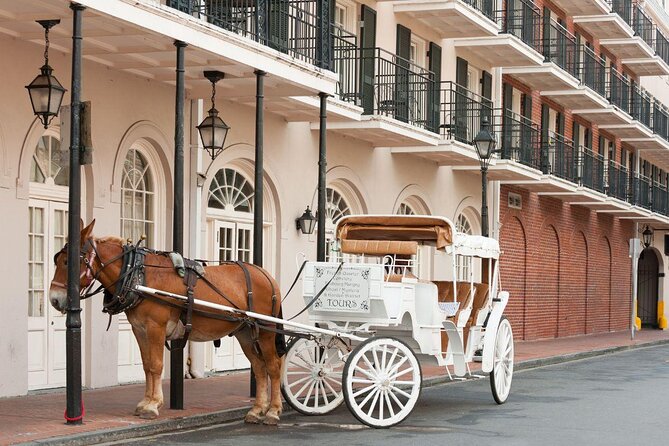
- Meet at Jackson Square (700 Decatur St) for a smooth start and an instant sense of place.
- Max 8 passengers means your guide can pace the stories and keep attention on the road.
- St. Louis Cathedral views anchor the route in one of America’s oldest continuously active cathedral sites.
- Lalaurie Mansion is a major stop for the true story behind what popular TV adapted.
- French Quarter horrors include floods, fires, epidemics, and other documented local tragedies.
- Night comfort matters: you’ll ride outside, so dress for rain and cool temperatures.
Jackson Square to the Quarter: How the tour actually feels
Your night begins right by Jackson Square, at 700 Decatur St. That matters because you’re not wandering around trying to “find the vibe.” You’re standing in the heart of the French Quarter with the right starting point, and the carriage stand keeps things organized.
Once you board, the covered carriage slows you down in the best way. New Orleans is all motion—cars, bars, street life—but on the carriage you get a steady rhythm. Your guide’s voice becomes part of the soundtrack, and the quieter pace helps the stories land.
You also get a little time-jump effect. You’re riding through streets that held the earliest city life, and the guide’s framing makes it feel like the past is sitting right beside the present. In my view, that is the real trick here: the carriage is the transportation, but the storytelling is the time machine.
You can also read our reviews of more tours and experiences in New Orleans.
Why the max 8 group size is the whole point
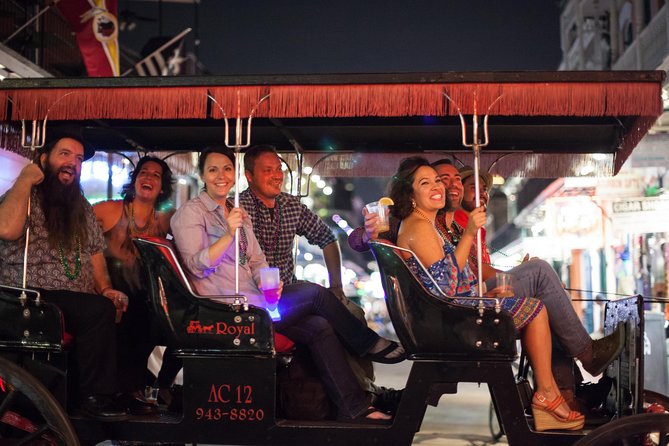
Carriage tours can be hit-or-miss when they cram in people. Here, the cap of eight travelers is a practical advantage, not just a marketing line.
With a smaller group:
- You’re less likely to get blocked from hearing the narration.
- Your guide can keep their pace and keep the group together.
- The tour feels personal enough that questions and attention make sense.
A few reviews also point out how important seating and spacing can be. So if you want the best chance of hearing every line, arrive on time (not early-just-in-case, early-early) and plan to sit so you’re not fighting noise from other carriages or people talking over the guide.
The route: St. Louis Cathedral and the French Quarter’s most photogenic angles
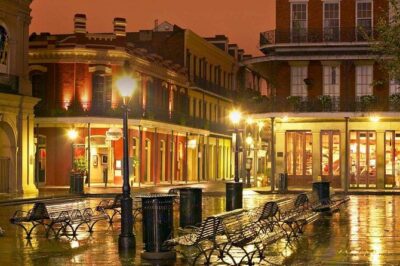
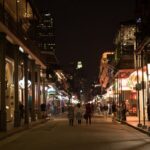
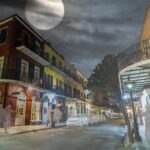
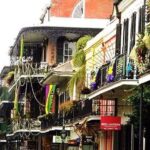
The tour heads out from Jackson Square and moves through the oldest parts of the French Quarter. Expect to pass famous landmarks and classic architectural details: the kind of ironwork balconies, narrow street bends, and darkened corners that look like they’ve been waiting for a story.
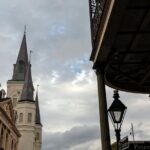
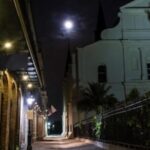
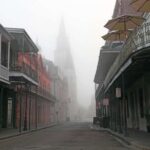
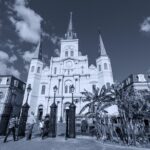
One anchor stop is St. Louis Cathedral, which you’ll view as part of the loop. Even if you’ve seen it in daylight, night changes the mood. Streets feel narrower, shadows feel longer, and the guide’s context turns the cathedral from a landmark into a witness—still standing while the city around it has suffered fires, floods, and disease.
You’ll also pass other notable spots such as Napoleon House and the broader cluster of French Quarter sights. The value here isn’t just seeing them. It’s seeing them while your guide connects the architecture and street layout to the city’s darker chapters.
The French Quarter horrors: floods, epidemics, and why it’s not just spooky
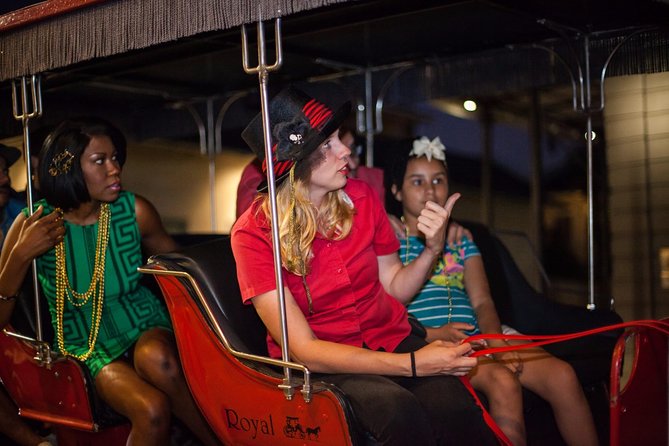
Here’s where the tour earns its haunted-history title. The guide doesn’t only chase ghost tales. You’ll hear about disasters and grim realities—things like devastating floods and fires and the impact of epidemics—that shaped who lived, who died, and what neighborhoods became.
That context is what makes the ghost stories feel believable. If you only hear the supernatural without the real-life tragedy underneath, it turns into spooky theater. But when you hear why certain places were dangerous, why certain eras were chaotic, and how the city kept rebuilding, the legends stop sounding random.
The tour also leans on documented local accounts. The vibe becomes: the French Quarter is haunted not just by spirits, but by history that never fully disappears. That is a big reason the tour works for first-timers. You get the “why” behind the folklore instead of just collecting names.
One extra bonus: your guide’s narration style can make those heavy topics easier to digest. Several people mention guides who tell the stories with humor and strong pacing, which helps when the material turns dark.
Lalaurie Mansion: the true story behind the TV connection
If you’re a fan of the show-style version of New Orleans, the Lalaurie Mansion is the stop you’ll remember. The tour highlights it as one of the most haunted buildings in the French Quarter, and it also draws a line to what pop culture adapted from the real event.
The key value isn’t that you’ll hear a generic ghost story. It’s that you’ll get the framing: what’s similar to the version you may know, and what differs from what actually happened inside the house of horrors.
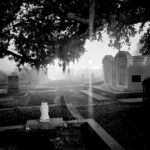
Even if you don’t know the TV references, you’ll still get something out of the stop because it’s tied to the city’s documented tragedies. And because you’re seeing it at night, the atmosphere does its part—dark facade, tense corners, and that feeling that the past is standing in the doorway.

How spooky is it, really? Set your expectations for a history-first night
This is haunted history, not a horror movie. The tour is built on stories of the city’s founding and major events, then haunted interpretations sit on top of that.
So if your goal is constant jump-scare vibes, you might feel the “ghost” moments come in waves rather than nonstop. Some guides also lean more toward history facts than spine-tingling lines. A couple of people have mentioned that guide style can change the feeling a lot—some tours are animated and funny, others can feel more even-keeled.
My practical take: treat this as a guided history walk with supernatural storytelling—a great way to learn the French Quarter through the lens of the city’s real trauma. If you want the absolute maximum of scary stories, ask yourself whether you’re okay with a more relaxed, story-driven pace.
And one small tip: noise from other groups can affect how spooky anything feels. If you’re sensitive to loud chatter, pick a spot where you can hear your guide clearly and avoid blocking traffic around the carriage.
Vintage carriage comfort: night weather, mules, and what to wear
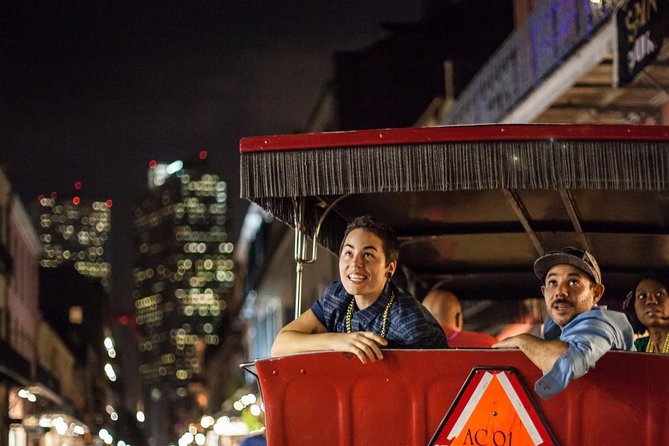
You’re riding a covered, mule-drawn carriage, and that cover helps more than you might expect. Still, it’s an outdoor experience. When the weather turns cool, the ride can feel chilly even with the roof overhead.
Dress for real night conditions:
- Wear layers you can adjust quickly.
- Bring something warm for your lap or legs if you run cold.
- If rain is in the forecast, plan for damp air and slippery street conditions around the loading area.
A few notes from past riders mention blankets during colder conditions, which suggests the team anticipates comfort needs. You should still come prepared, especially if you’re visiting in cooler months.
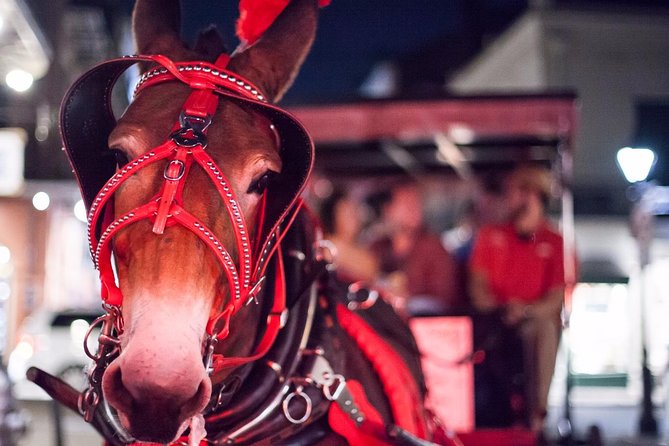
Also, keep an eye on your mule’s calm cues. You may meet mules by name in conversation, and the animals are part of the charm. If you’re an animal lover, this is one of those rare tours where you’re not rushing through a “quick look” at a carriage. You’re actually part of the ride.
Price and value: is $65 for one hour worth it?
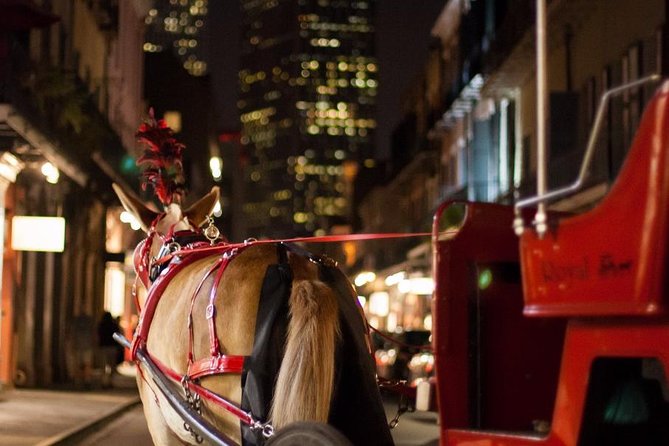
At $65 per person for about one hour, the price isn’t cheap for a short time. But the value is in what you’re paying for: a licensed guide plus a guided night route through places that can be hard to connect without local context.
Think of it like this:
- You’re paying for transportation (mule-drawn carriage).
- You’re paying for interpretation (licensed narration, not just a route).
- You’re paying for convenience (you don’t have to piece together the French Quarter’s darkest timeline yourself).
If you enjoy history, architecture, and storytelling, this can feel like a strong use of an evening. You’ll also get a break from walking, which is a real advantage in the Quarter at night.
The tradeoff is that you may not feel the same thrill you’d get from a true, fear-centric haunt. A couple of people felt the content was more informational than frightening. That doesn’t make it bad—it just means you should match the tour to your expectations.
Who should book (and who might want a different kind of night)
This works especially well if you:
- Want a first-time French Quarter introduction after you’ve gotten your daytime bearings.
- Prefer learning through stories rather than reading plaques.
- Like the idea of night sightseeing without standing in lines or doing a long walk.
- Travel with a partner or small group and want a quieter, more personal feel.
It may be less ideal if you:
- Need high-intensity scares nonstop.
- Are very sensitive to sound and crowd chatter, since other carriages and nearby visitors can affect audio.
- Are visiting on parade-heavy periods when traffic and loading can feel more stressful for everyone involved.
If your top priority is spooky thrills, you might pair this with another form of haunted experience later in your trip. If your top priority is learning the city’s darker chapters in a fun, moving way, this is a solid choice.
Should you book the Haunted History Carriage Tour?
I’d book it if you’re the type who enjoys a guide talking through the past while the city around you breathes in the present. The small group (max 8), the covered mule carriage, and the focus on documented tragedies are a winning mix for a one-hour evening outing.
Just go in with two mental adjustments: it’s history-led, and the “spooky” part can vary with guide style and crowd noise. If you arrive early, pick your seating well, and treat it as a storytelling ride through the French Quarter’s hardest chapters, you’ll leave with a stronger sense of New Orleans than you had when you arrived.
If you want, tell me your travel month and who you’re going with (couple, family, solo, ages). I can suggest the best timing for comfort and how to plan a second night activity around it.
FAQ
Where does the tour start and end?
The tour starts at 700 Decatur St, New Orleans, LA 70116, and it ends back at the same meeting point.
How long is the carriage tour?
The ride runs for about 1 hour (approx.).
How many people are on the tour?
The group is limited to a maximum of 8 travelers.
What is included in the price?
The price includes one 1-hour mule-drawn carriage ride and a licensed tour guide.
What should I bring or plan to buy?
The tour does not include food and drinks (available to purchase). Parking and hotel pickup/drop-off are also not included.
What language is the tour offered in?
The tour is offered in English.
Do I need to print my ticket?
You’ll receive a mobile ticket.
What if I arrive late?
You must arrive 15 minutes early. Late arrivals may miss the tour and are not provided a second opportunity or a refund.
Will the tour run in rain?
Tours operate in favorable weather conditions, including rain. You should dress for the weather.
When can the tour be canceled?
It’s subject to cancellation due to inclement weather such as flooding or lightning.
Are children allowed?
Children must be accompanied by an adult. Most travelers can participate.