REVIEW · NEW ORLEANS
Haunted Ghost and Paranormal Tour in New Orleans
Book on Viator →Operated by NOLA GhostRiders · Bookable on Viator
New Orleans ghosts walk with you. On this 2-hour evening stroll, I like how the stories stay tied to specific buildings—so the legend has a street address, not just vibes. You’ll cover major French Quarter stops like the Lalaurie mansion and Le Petit Theatre, plus darker tales that explain why people in this city treat the past like it’s still present.
I especially love the guide energy and how it can turn “just history” into something you actually pay attention to. In past groups, names like Raffle and Rob keep popping up for being engaging, funny, and willing to answer questions after the tour. The other big win for me is value: at $15 for a structured guided walk hitting several famous haunted stops, it’s hard to beat for a first night in town. One possible drawback: it can lean more toward history and lore than jump-scare style paranormal action.
The walk is designed to be manageable, too. It’s a smart-casual, mostly flat French Quarter route, and you’ll start and finish right where you begin, so you’re not stuck hunting for a new meeting point when you’re done.
In This Review
- Key points to know before you go
- Price and Logistics: Why This $15 Tour Works for Most People
- Meeting at Voodoo Tavern & PoBoys: Easy Start, One Small Catch
- Walking Route Reality Check: Flat Enough, Long Enough to Feel It
- Stop-by-Stop: What You’ll See, What It Means, and What Might Not
- Stop 1: Lalaurie Mansion (and why it shows up in pop culture)
- Stop 2: New Orleans Pharmacy Museum (1816’s first licensed pharmacist)
- Stop 3: 1041 Royal St (vampires, folklore, and a façade you can point to)
- Stop 4: Gardette-LePretre Mansion, aka The Sultan’s House
- Le Petit Theatre (where the ghosts have names and the doors misbehave)
- Stop 5: Muriel’s Jackson Square (dining among the past)
- Guides: Raffle, Rob, Carlo, and the Big Impact of Delivery
- How Scary Is This, Really? The Honest Middle Ground
- Best Time to Go and What to Bring for an 8pm Ghost Walk
- Who Should Book This Haunted Ghost and Paranormal Tour?
- Should You Book NOLA GhostRiders?
- FAQ
- Where does the Haunted Ghost & Paranormal Tour in New Orleans start?
- What time does the tour start?
- How long is the tour?
- How much does it cost?
- Is admission included for the stops?
- What’s the language of the tour?
- Is this tour family friendly?
- Can I cancel for a full refund?
- What should I wear and bring?
Key points to know before you go
- Aptly targeted French Quarter stops: Lalaurie, Royal Street’s vampire lore, and Le Petit Theatre all sit in a tight route.
- Famous name-drop moments: the Lalaurie stop is tied to the wider pop-culture fame of the mansion (including American Horror Story).
- Royal Street is a quick win: 1041 Royal St is a free stop and fits the vampire folklore theme well.
- The Sultan’s House is visually memorable: Gardette-LePretre’s cast-iron filigree balconies make it easy to spot in your photos.
- Theatre ghost storytelling has the most “action” tone: doors moving and bottles flying are part of the Le Petit Theatre lore.
- Guide quality is the secret sauce: Raffle (and other guides like Rob, Steven, and Carlo) can strongly affect how spooky the tour feels.
Price and Logistics: Why This $15 Tour Works for Most People
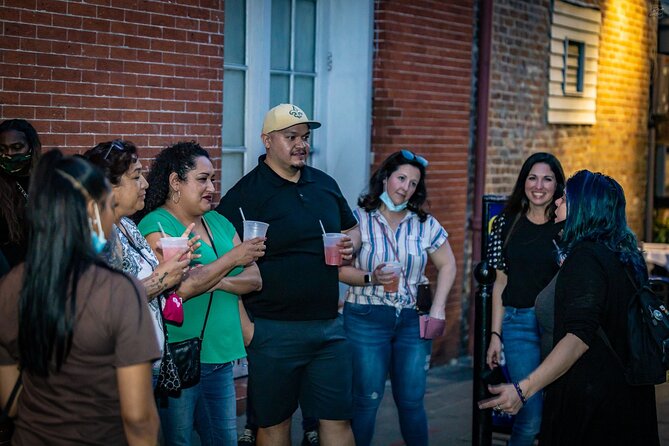
Let’s start with the simple math. At $15 per person for about 2 hours, this is priced like a budget activity—but it covers multiple big-ticket story sites in one guided walk. For first-timers in New Orleans, that matters. You’re not paying for separate museum tickets just to learn the “why” behind the hauntings.
There are also practical upsides built in. You get a mobile ticket, the tour runs in English, and the group size max is 28, which is large enough to feel lively but small enough that a guide can still keep the pace reasonable. Most importantly, the route ends back at the starting point, so you don’t need to line up a ride at the finish like you do with some tours.
The one thing I’d watch is what you’re expecting. If you want a hardcore investigation style experience, you might find it leans more into storytelling + local history than intense paranormal drama. That mismatch is usually what separates a “best tour ever” night from a “there are better options” night.
You can also read our reviews of more tours and experiences in New Orleans.


Meeting at Voodoo Tavern & PoBoys: Easy Start, One Small Catch
The tour meets at Voodoo Tavern and PoBoys, 1140 Decatur St. It starts at 8:00 pm, and it ends back at that same spot.
This is a central location in the French Quarter, which makes it a lot easier to get to by foot or public transit. Street parking exists nearby but is limited—so if you’re driving, plan for a slow search. If you’re using ride share, it’s still a good area to get dropped off close to the start.
One practical tip: arrive early. Plan to be there about 30 minutes ahead so you can find the group without stress. People mention the meeting point can be a little tricky in the middle of the Quarter’s noise, especially if you’re also trying to find dinner nearby.
Walking Route Reality Check: Flat Enough, Long Enough to Feel It
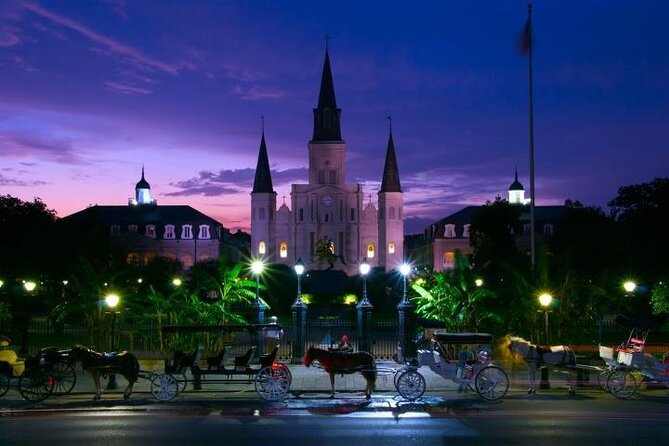
This is a walking tour with a fair bit of movement. The good news is that it’s mostly flat and paved, so it’s not strenuous in the “steep hills” sense. You still want good shoes, because 2 hours on old sidewalks adds up.
Weather is the wild card in New Orleans. If you’re going during steamy months, you’ll feel it. One group experience called out the discomfort of heat and humidity—so if you can pick dates, consider going when the evening cool-down is real. Even with that, the night timing (8 pm) is often a good compromise versus daytime tours.
Dress-wise, smart casual is the call. Think layers. New Orleans evenings can shift fast, and you’ll move enough that you’ll appreciate something breathable you can also keep on.
Wheelchair access is supported, with the note that some minor detours might be required. Service animals are allowed, and most people can participate as long as you’re comfortable with walking.
Stop-by-Stop: What You’ll See, What It Means, and What Might Not
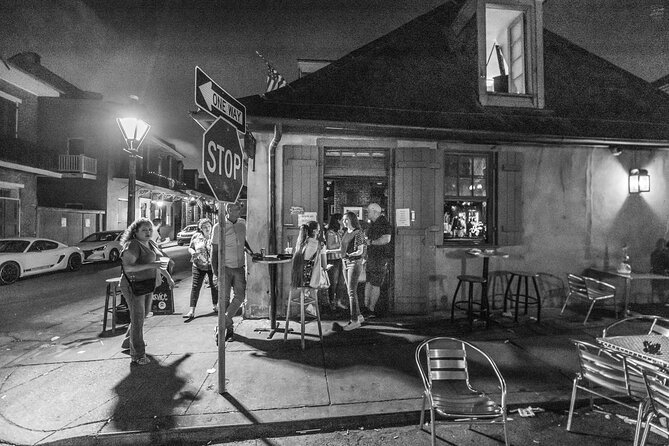
Here’s the heart of the experience: a string of haunted-lore stops, each one giving you a different angle on New Orleans’ reputation.
Stop 1: Lalaurie Mansion (and why it shows up in pop culture)
You’ll head to the Lalaurie Mansion, tied to folk histories about abuse and murder of enslaved people that circulated in Louisiana during the 1800s. This is also the kind of story that has made the mansion a magnet for modern fiction and TV—so when you hear how it’s referenced, it helps connect the legend to how the city markets itself, and how reputations get built.
What you’ll get here: a short, focused look at why this particular home became a lightning rod for horror stories. Admission isn’t included here, so you’re mostly experiencing the site and the guide’s narrative rather than a paid deep visit.
Drawback to note: if your goal is purely “spooky evidence” or paranormal investigation, this stop can feel more like dark history told with atmosphere. That’s not bad—it’s just not the style of haunt that everyone wants.





Stop 2: New Orleans Pharmacy Museum (1816’s first licensed pharmacist)
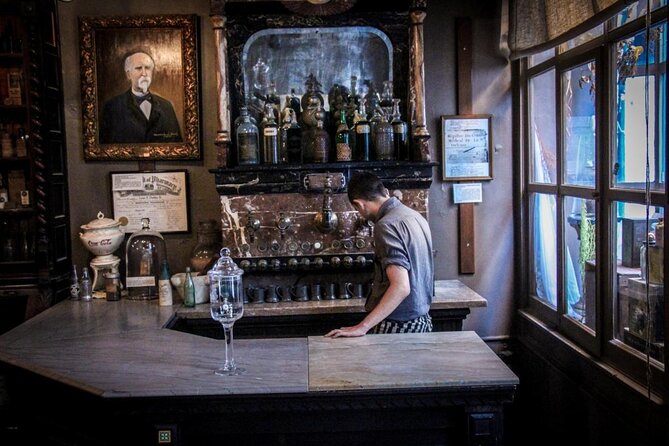
Next up is the New Orleans Pharmacy Museum. This stop is a curveball in a good way. You’ll learn about Louis J. Dufilho, Jr., described as America’s First Licensed Pharmacist, and how his most significant contribution took place in New Orleans in 1816.
Why this matters for a ghost tour: haunted stories aren’t only about spirits. They’re also about what a city believed, feared, and regulated. Medicine, poisons, and the early science of healing all sit close to the themes that feed rumor. Even if you’re not a museum person, this is a chance to widen the lens.
Admission isn’t included, and you’ll spend about 10 minutes here, so think of it as a “taste,” not a full museum session.
Stop 3: 1041 Royal St (vampires, folklore, and a façade you can point to)
At 1041 Royal St, the tour shifts into vampire lore—those myths about immortal skin, piercing eyes, and a kind of thirst that’s never quite satisfied.
What I like about this stop is how it gives you a fantasy frame without turning away from place. You’re not just hearing generic vampire talk. You’re hearing it tied to a specific address, in a neighborhood where people already expect the past to be alive.
This one is listed as free for admission, which makes the stop feel easier on your budget.
Stop 4: Gardette-LePretre Mansion, aka The Sultan’s House
If you like buildings that look like they’ve been photographed a thousand times, this one is for you. The Gardette-LePretre Mansion (often called the Sultan’s House) is 183 years old and is famous for cast-iron filigree balconies that made it one of the most photographed structures in the French Quarter.
But the haunting angle is the story: a backstory that includes a sultan, a stolen harem, and mass murder. Even when you treat it as legend, it’s still useful. It shows how New Orleans folklore turns wealth and tragedy into a dramatic narrative that people can retell for generations.
Admission isn’t included for this stop, and you’ll spend about 10 minutes there.
Le Petit Theatre (where the ghosts have names and the doors misbehave)
This is one of the most entertaining parts of the route. At Le Petit Theatre, the tour describes multiple ghosts: union soldiers, a theater manager, a nun, and an actress who committed suicide.
What makes it feel different is the tone of the lore. You’ll hear about doors mysteriously blowing open and shutting close, and bottles of wine flying off shelves. Even if you know it’s storytelling, it gives the tour a more theatrical “spooky scene” feeling than a simple history lecture.
This stop is also a reminder that ghost stories often show up around roles—actors, managers, soldiers—people whose jobs are already about presence, performance, and attention.
Stop 5: Muriel’s Jackson Square (dining among the past)
At Muriel’s Jackson Square, you’ll get one of the darkest timelines on the tour. The building is described as having served as a holding facility for enslaved people being put up for auction in the early 1700s. Then the Great New Orleans Fire partially destroyed the original structure in 1788.
The story continues with Pierre Antoine Lepardi Jourdan, who reportedly restored the property over several years and transformed it into a family home. In 1814, he lost his home in a poker game and died by suicide on the second floor.
The practical part: this stop is near Jackson Square, and it’s a restaurant, so it naturally nudges you toward food afterward. One mention tied to this stop includes goat cheese crepes, which is the kind of local-sounding meal that feels right after a heavy dose of lore.
Guides: Raffle, Rob, Carlo, and the Big Impact of Delivery
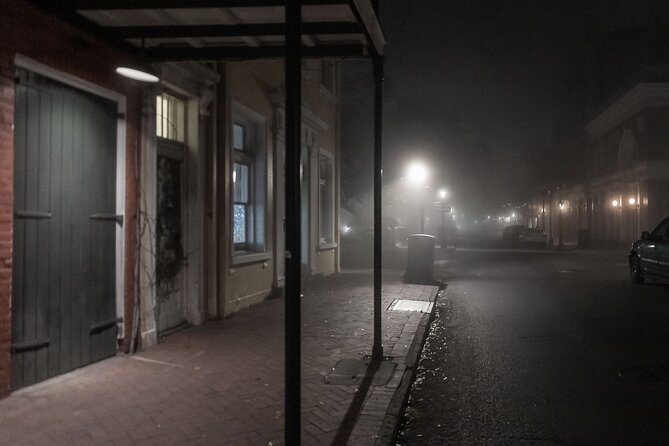
If there’s one theme across the experience, it’s that the guide can seriously change the feel of the night.
The name Raffle comes up again and again. Groups describe him as warm, comedic, and very French Quarter–rooted, with personal stories mixed into the history. People also note that he stayed friendly and talkative after the tour ended, and that he even handled interruptions—like a rude comment from another tour guide—without turning it into a scene.
Other guides also get love, including Rob and Steven, described as engaging and witty. Carlo is mentioned as knowledgeable, but there’s also feedback that his tour may have felt more history-forward than ghost-forward for some people. That lines up with the biggest caution: the tour style is not guaranteed to be equally scary every time, because the “paranormal” portion is still guided storytelling with a spectrum of intensity.
Bottom line for you: if you’re booking because you want atmosphere, you’ll probably be happy. If you’re booking expecting a literal paranormal investigation, aim for a more flexible mindset.
How Scary Is This, Really? The Honest Middle Ground
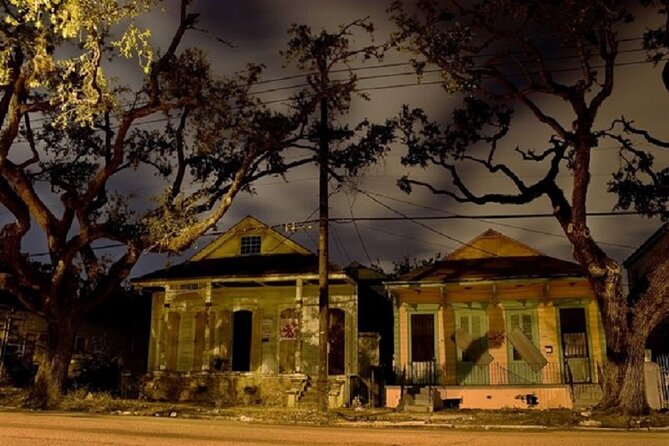
This is a paranormal walking tour, but it’s not trying to be a horror movie. The strongest version of the experience feels like you’re walking through the city while your guide explains how the myths formed, why they stuck, and why New Orleans earns the reputation it has.
That’s why the same tour can land differently. If you’re the type who enjoys history-with-a-chill, you’ll likely feel satisfied. If you want constant “OMG” moments, the pace may feel too measured. A couple of experiences noted that long history sections can pull focus away from the haunting portion.
Here’s a practical way to get what you want: treat it like a lore tour first. Then, lean into the moments that feel more supernatural—like the theatre stories with moving doors and flying bottles. Those are the stops that are easiest to picture and hard to shake.
Best Time to Go and What to Bring for an 8pm Ghost Walk
Since the tour starts at 8:00 pm, you’re choosing the safer time-of-day compared with midday heat. Still, New Orleans humidity can be brutal. If you’re visiting in peak summer, consider lighter clothing that won’t slow you down, and be prepared for sweat. One note called out that summer walking can be unbearable.
Bring:
- Comfortable shoes (you’ll be on sidewalks a lot)
- Layered clothing (smart casual, but adjustable)
- A small plan for weather—an umbrella or light rain layer can save the night if it gets messy
One fun detail from guide stories: there’s at least one instance where a guide lent an umbrella to someone. That’s a good sign that the guide team thinks about comfort, not just narration.
Who Should Book This Haunted Ghost and Paranormal Tour?
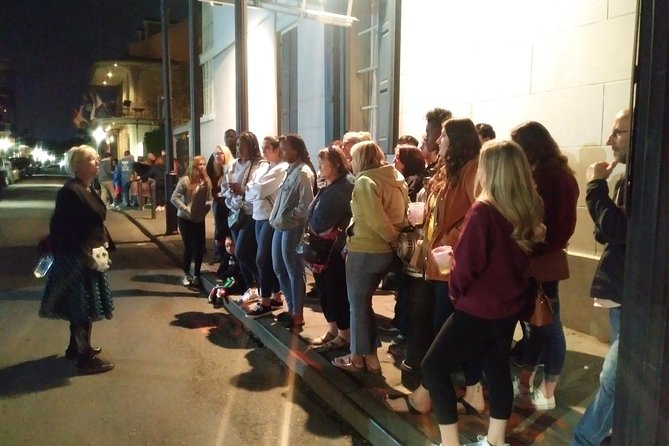
This tour is a strong match for you if:
- You’re in the French Quarter and want a cheap, structured way to see the famous haunted places
- You like local legends with an emphasis on why the stories exist
- You want a lively guide—people like Raffle are repeatedly praised for keeping energy up
It’s a weaker match if:
- You’re hunting for a nonstop, scary paranormal show
- You get disappointed when history takes the lead (because for some people, that’s the main complaint)
- You’re sensitive to how group dynamics can affect the vibe—at least one experience mentioned parents not keeping kids in check during the walk, which can distract a group
The tour is designed for ages 12 and up, so plan accordingly.
Should You Book NOLA GhostRiders?
If you want a first-night French Quarter experience that mixes haunted lore with real explanations, I think this is a smart buy. The price is low, the route is compact, and the stops hit recognizable New Orleans landmarks tied to strong stories—Lalaurie, Royal Street vampires, the Sultan’s House, Le Petit Theatre, and Muriel’s Jackson Square.
I’d only hesitate if you need the tour to be primarily “scary,” not “story and history with scares.” In that case, you might feel let down if your guide’s style stays more educational than theatrical.
A final tip: if your goal is maximum spooky energy, consider aiming for the kind of guide delivery people rave about—names like Raffle show up for a reason. And regardless of guide, show up with comfortable shoes and the right expectations, and you’ll get a memorable walk through New Orleans’ famous hauntings.
FAQ
Where does the Haunted Ghost & Paranormal Tour in New Orleans start?
It starts at Voodoo Tavern and PoBoys, 1140 Decatur St, New Orleans, LA 70116.
What time does the tour start?
The start time is 8:00 pm.
How long is the tour?
The tour runs about 2 hours.
How much does it cost?
It costs $15.00 per person.
Is admission included for the stops?
Admission is not included for some stops, including the Lalaurie Mansion and the New Orleans Pharmacy Museum and the Gardette-LePretre Mansion. The stop at 1041 Royal St is listed as admission ticket free.
What’s the language of the tour?
The tour is offered in English.
Is this tour family friendly?
Yes. The tour is appropriate for guests aged 12 and above.
Can I cancel for a full refund?
Yes. You can cancel up to 24 hours in advance for a full refund.
What should I wear and bring?
Wear smart casual and comfortable shoes. Layer clothing based on weather, and plan for a fair amount of walking.