REVIEW · ST AUGUSTINE
St. Augustine’s Lost Souls: a Smartphone Audio Ghost Tour
Book on Viator →Operated by Tripvia Tours · Bookable on Viator
One street can feel normal. Then the phone vibrates, and it’s not. This Lost Souls tour strings together St. Augustine landmarks like Huguenot Cemetery and Flagler College into one haunting, 2.5-mile story walk.
I like that it’s self-paced and still feels guided: the audio starts for each point of interest with GPS mapping. I also like the value for $10.99, since most stops are free to see and you can take your time to read the area around you. One drawback: if you hit it during a busy time, traffic and crowds make it harder to catch every spooky detail.
In This Review
- Key takeaways before you haunt the streets
- Smartphone ghost tour vibes: how St. Augustine’s Lost Souls actually works
- Price and value: what $10.99 buys (and what it does not)
- Before you start: download, speaker volume, and shoe choice
- Meeting point and route flow: where you begin and how you end
- The first stops: Huguenot Cemetery, Tolomato Cemetery, and the graveyard mood
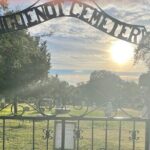
- Huguenot Cemetery: yellow fever, 1821, and Little Elizabeth
- City Gate Spirits: portals and the start feeling like a guided legend
- Tolomato Cemetery: oldest planned cemetery energy
- Haunted inns and old buildings: Casa de Sueños, Scarlett O’Hara’s, and Casablanca
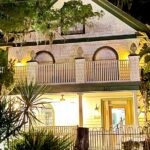
- Casa de Sueños Bed and Breakfast: the Spanish-style corner stop
- Scarlett O’Hara’s: two buildings joined, one spooky narrative
- Casablanca Inn On The Bay: Matanzas Hotel to bayfront boarding house
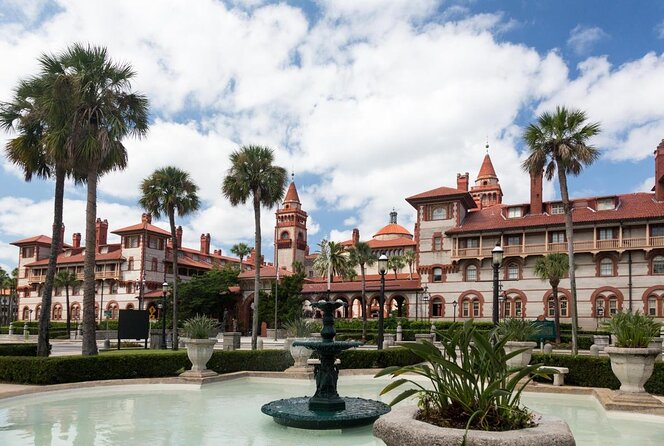
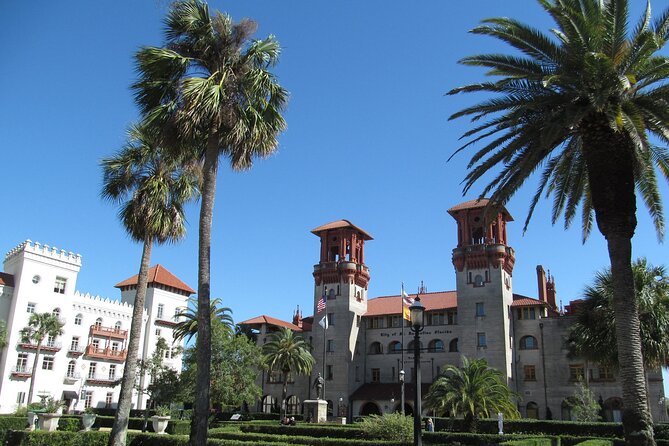
- Flagler College campus: Henry Flagler and the “lost souls” angle
- Historic Tours of Flagler College: the ghost of Henry Flagler
- Ponce De Leon Hall: lost souls at Flagler
- St. George Street legends: Penny Farthing Inn, St. Francis Inn, and the monster story
- Penny Farthing Inn Bed and Breakfast: built in 1893
- Cordova Street & Bridge Street: St. Augustine Monster urban legend
- St. Francis Inn: oldest inn and fortress-style house
- Oldest Spanish house, bayfront home, and O. C. White’s: the middle stretch you’ll remember
- González–Álvarez House: the Oldest House in town
- Bayfront Marin House: Francisco Marin and the evolving property
- O. C. White’s Seafood & Spirits: a stone building from around 1790
- Bridge of Lions to Casa de la Paz to Agustin Inn: the big final storytelling run
- Bridge of Lions & Cathedral Place: the St. Augustine Lighthouse story, without the trip
- Casa de la Paz: the closed, vacant building vibe
- Agustin Inn: the grumpy ghost angle
- Castillo de San Marcos: the final stop and how to decide on entry
- Who should book St. Augustine’s Lost Souls?
- Should you book? My straightforward take
- FAQ
- How long is St. Augustine’s Lost Souls?
- What is the price per person?
- Do I need cell service during the tour?
- Are headphones included?
- Does the tour include admission to Castillo de San Marcos?
- Can I get a refund if my plans change?
Key takeaways before you haunt the streets
- Automatic GPS audio plays at each stop, so you do not have to guess what’s next
- Download ahead on Wi‑Fi and it does not rely on signal during the tour
- 2.5 miles of walking over mostly sidewalks and historic streets, so comfortable shoes matter
- Cemeteries and Spanish-era homes are the backbone of the spooky storytelling
- Some attractions are not included (notably the Castillo de San Marcos admission)
- Your group goes together on a private experience, not a big mixed crowd
Smartphone ghost tour vibes: how St. Augustine’s Lost Souls actually works
This is a smartphone audio tour with a live GPS map and narrated commentary that triggers automatically as you reach each stop. You download before you start (on Wi‑Fi), then you can keep walking without cellular signal or data.
The experience is designed to be flexible. Your tour route is yours to take at your own pace, and you can pause, look around, or do short side stops without ruining the flow.
It’s also set up for convenience: customer service is available by phone and email, it’s offered in English, and confirmation is received at booking. Service animals are allowed, and the route is near public transportation.
You can also read our reviews of more tours and experiences in St Augustine.



Price and value: what $10.99 buys (and what it does not)
For $10.99 per person, you’re paying for the audio experience, the GPS route, and the guided stories at each landmark. Most of the stops you visit along the way are listed as admission free, so the cost stays focused on the tour itself.
The one big “watch this” item: not everything at the end of the route is included. The Castillo de San Marcos National Monument is the final stop, and the tour notes that the admission ticket is not included. In plain terms: you can see the fort area, but if you want to go inside and pay for entry, that’s on you.
Also, you should plan for a few add-ons you won’t get from the price. Headphones are not included, and there’s no mention of providing a charged phone battery—so bring a power bank if you’re a heavy phone user.
Before you start: download, speaker volume, and shoe choice
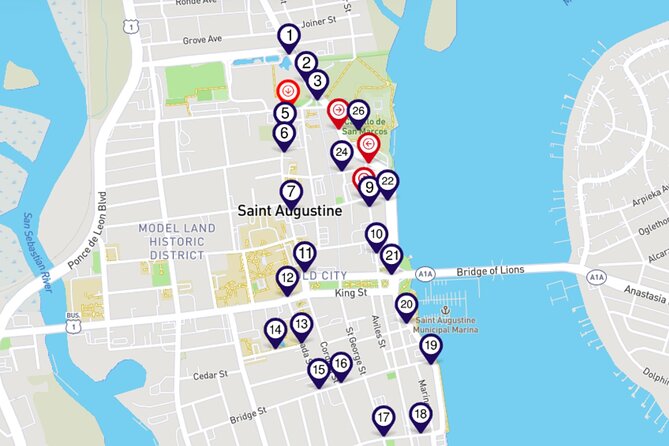
This tour runs about 3 hours and covers roughly 2.5 miles on foot. That distance doesn’t sound huge until you remember it’s an old historic district with uneven sidewalks and lots of turns.
You’ll want comfortable shoes and a phone you’re comfortable holding for a while. Headphones are optional, and the audio can play from your device speaker too. If you’re in a noisy stretch (or it’s a windy day), headphones help you catch details.
One smart move: download on Wi‑Fi before you leave home or your hotel. The tour is built to work without signal during the walk, which is great for old streets with spotty reception.
I also recommend taking a moment before starting to confirm your GPS is working. One set of directions should get you to the start at the Visitor Information Center (more on that next).
Meeting point and route flow: where you begin and how you end
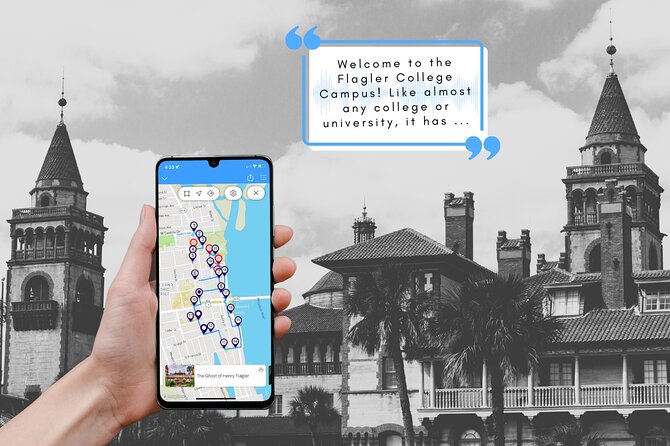
Your tour starts at the St. Augustine and St. Johns County Visitor Information Center, 10 S Castillo Dr, St. Augustine, FL 32084. You finish back at that same meeting point.
The listing hours show the activity is available 12:00 AM to 11:30 PM daily, which gives you flexibility for time of day. That matters because St. Augustine can feel very different at noon versus around sunset.
The tour is private for your group. That’s a real plus if you’re traveling with family, friends, or a mixed-age group that needs a slower pace.
The first stops: Huguenot Cemetery, Tolomato Cemetery, and the graveyard mood

The tour wastes no time setting the tone. Early on, you’re sent toward two major cemeteries, and the narration leans into specific local stories tied to illness and survival—plus the general “doorway” idea the tour returns to throughout.


Huguenot Cemetery: yellow fever, 1821, and Little Elizabeth
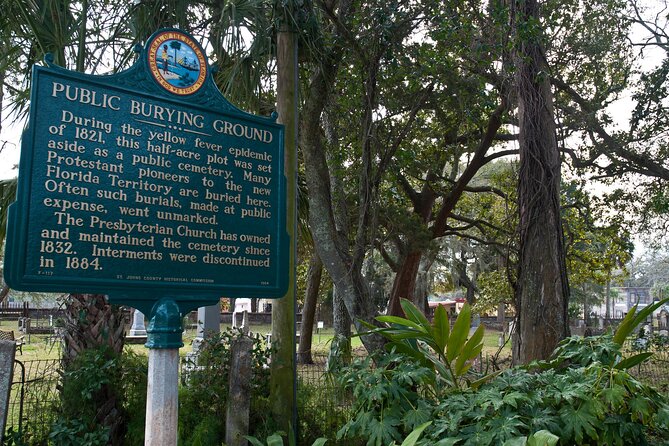
At Huguenot Cemetery, you’ll learn it was established in 1821. This is framed as the final resting place of many yellow fever victims, including a named figure, Little Elizabeth. If you like spooky stories that feel grounded in real names and dates, this opening stop delivers.
Drawback to know: cemeteries can be quiet, but they can also attract visitors. If the area is crowded, you may miss a few lines while trying to keep your phone audio clear.
City Gate Spirits: portals and the start feeling like a guided legend
From the cemetery mood, the tour takes you toward the Old City Gates area for City Gate Spirits. The story here is built around the concept of portals or doorways to the other side, plus the marketing-friendly claim that St. Augustine is both old and heavily haunted.
This stop works best as a transition. You’re moving from “history you can see” to “stories that make you look twice at the same street.”
Tolomato Cemetery: oldest planned cemetery energy
Next is Tolomato Cemetery. The narration points out it’s the oldest planned cemetery in America. That’s a strong anchor for anyone who likes real historical context mixed with ghost lore.
One funny-but-real practical note from the experience vibe: this cemetery story includes a moment that can make some people feel queasy. If you’re sensitive to gross-out details, brace yourself before you hit play.
Haunted inns and old buildings: Casa de Sueños, Scarlett O’Hara’s, and Casablanca
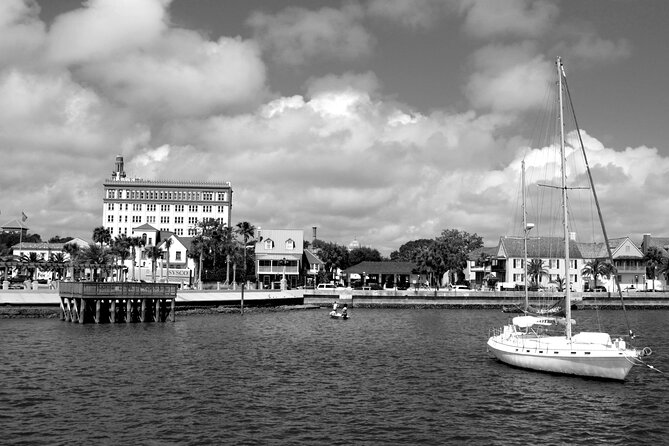
After the cemeteries, the route shifts into architecture and atmosphere. You’ll pass familiar-feeling corners, but the audio assigns them a second meaning.
Casa de Sueños Bed and Breakfast: the Spanish-style corner stop
At Casa de Sueños, you’re directed to the Spanish-style building on the corner of Cordova Street and Saragossa Street. The key timeline is that the inn opened in 1998, but the building itself dates to 1904, first constructed as a private residence. That layered timeline is exactly the kind of detail the tour is best at: it turns a “pretty building” into a place with many lives.
Scarlett O’Hara’s: two buildings joined, one spooky narrative
You then turn toward Scarlett O’Hara’s on Hypolita Street. The narration calls out that the corner building is technically two buildings joined together. Even if you’re not a super-architecture person, that kind of detail changes how you notice the scene.
Casablanca Inn On The Bay: Matanzas Hotel to bayfront boarding house
Finally, on this stretch, you’ll hear the BOOTLEGGING AT CASABLANCA story at Casablanca Inn On The Bay. The building is described as built in 1914 and originally known as the Matanzas Hotel and the Bayfront Boarding House. It also ties the Spanish word Matanza to the river and bay nearby, which helps the story feel like it belongs to this exact shoreline area.
Flagler College campus: Henry Flagler and the “lost souls” angle
One of the most intriguing parts of this tour is how it handles big landmarks without pretending it’s a full museum visit. Here, you walk the campus and let the audio connect the dots.
Historic Tours of Flagler College: the ghost of Henry Flagler
On Historic Tours of Flagler College, the narration is focused on the ghost of Henry Flagler. It frames campus legends as starting before the college existed, then continuing in the era when the campus became what it is today.
If you enjoy urban legends that feel tied to real people—capitalists, builders, and their complicated legacies—this portion usually lands well.
Ponce De Leon Hall: lost souls at Flagler
Just ahead, the tour points you toward Ponce De Leon Hall with THE LOST SOULS OF FLAGLER COLLEGE. It’s still within the Flagler story web, with audio centered on additional spirits tied to the site.
Practical takeaway: campus walks can be open and noisy depending on the day, so time your listening. If you’re pausing to let audio finish, step a little off the heaviest foot-traffic line.
St. George Street legends: Penny Farthing Inn, St. Francis Inn, and the monster story

This next cluster keeps mixing real places with slightly stranger legends. The effect is fun if you like a “story first, facts second” approach—still anchored to visible landmarks.
Penny Farthing Inn Bed and Breakfast: built in 1893
At Penny Farthing Inn, you’ll find direction to three small inns in a row and focus on the cream-colored building with blue trim. The tour notes it was built in 1893, and it also notes admission is not included here.
So think of this as a look-from-the-street stop. If you want to go inside, you would need separate plans.
Cordova Street & Bridge Street: St. Augustine Monster urban legend
You’ll also get a stop that is less about a single building and more about an urban legend. At Cordova Street & Bridge Street, the tour describes St Augustine Monster and tells you the stop isn’t tied to one exact spot. You keep walking while you listen, and the audio nudges you toward the next intersection.
This one is the kind of stop where reading the GPS directions matters. The streets are narrow and the city layout can confuse your sense of direction if you ignore the map.
St. Francis Inn: oldest inn and fortress-style house
Then comes St. Francis Inn, described as the oldest inn in St. Augustine, built in 1791 during the second Spanish colonial period. The audio adds a detail that makes it feel more like a stronghold than a guesthouse: it was constructed as home and a sort of fortress.
This is a good stop for anyone who likes the old city vibe without needing to buy tickets to every attraction.
Oldest Spanish house, bayfront home, and O. C. White’s: the middle stretch you’ll remember
This section is where the tour gets very specific about dates and building identities. It’s also where you’ll likely feel the benefits of not rushing.
González–Álvarez House: the Oldest House in town
The tour sends you to González–Álvarez House, also known as the Oldest House because it’s the oldest surviving Spanish colonial residence in Florida. Built in 1723, it’s the kind of stop that turns your ghost walk into a real “this is why St. Augustine feels different” moment.
Bayfront Marin House: Francisco Marin and the evolving property
Next up is Bayfront Marin House. The audio notes there was a structure on the property as early as 1788, then describes Francisco Marin acquiring the house and lot in the 1780s. The current form of the building is said to come later, in the late 1800s.
This timing helps. You’re not just hearing scary stories—you’re seeing how the city repurposes and rebuilds, even as legends get attached to the walls.
O. C. White’s Seafood & Spirits: a stone building from around 1790
At O C White’s Seafood & Spirits, you’ll pass a stone building with green trim. The narration says the building has been around since 1790, and it also notes it wasn’t always in its current location.
That detail is a nice reminder: in St. Augustine, the present is often built on top of older layers—sometimes physically, sometimes story-wise.
Bridge of Lions to Casa de la Paz to Agustin Inn: the big final storytelling run
As you near the end, the tour takes you toward some iconic views and then tightens into closed buildings and “lost” feeling.
Bridge of Lions & Cathedral Place: the St. Augustine Lighthouse story, without the trip
At Bridge of Lions & Cathedral Place, the audio references the tortured souls of the St. Augustine Lighthouse. Here’s an important point: the tour does not take you to the lighthouse itself. The lighthouse is said to be about half an hour away on Anastasia Island.
So treat this stop like a narrated teaser. You get the story and viewpoint energy, but you’re not making the longer transit.
Casa de la Paz: the closed, vacant building vibe
Then you hit THE PHANTOM CRIES OF CASA DE LA PAZ at a listed location described as a closed and vacant building. The story notes it was built by and for J. Duncan Puller in 1915.
If you like “the building is the character” storytelling, this is a strong section. You’ll stand there and imagine the life that used to be inside.
Agustin Inn: the grumpy ghost angle
After that, you’ll reach Agustin Inn with THE AGUSTIN INN’S GRUMPY GHOST. The narration says the Victorian home was completed in 1904 and built by wealthy businessman Bernard Masters. It then jumps forward to when it became known as a lodging stop in 1994.
In other words: you get both the origin story and the modern connection.
Castillo de San Marcos: the final stop and how to decide on entry
The walk ends at Castillo de San Marcos National Monument. The audio frames it as the oldest masonry fort in the continental United States, and it’s a dramatic capstone after walking through cemeteries, inns, and campus corners.
Admission is not included in the tour. If you want to go inside and explore the fort itself, you’ll need your own entry ticket. If you just want the exterior and the historical feel of being there, you can wrap up once the story finishes and head back to the meeting point.
One practical tip: because this is your final stop, check your phone battery before you commit to extra sightseeing after the tour.
Who should book St. Augustine’s Lost Souls?
This tour fits best if you like:
- a walk-first way to see St. Augustine’s layout
- spooky stories tied to specific buildings and named places
- a format that works for families and groups, especially because you can take as long as you’d like at each spot
It might be less ideal if:
- you need a live human guide to correct confusion in real time
- you dislike walking 2.5 miles while listening off your phone speaker
- you’re going during heavy crowds, when it can get hard to hear clearly
If you’re the type who likes to multitask, this tour is also forgiving. In the best moments, you pause for a story, then jump right back into walking without losing the thread.
Should you book? My straightforward take
I’d book it if you want a cheap, easy way to turn a regular stroll into a guided story walk. The GPS-triggered audio and the automatic stop-by-stop structure make it feel organized, and the mix of cemeteries, Spanish colonial sites, and Flagler-era landmarks keeps the route varied.
Skip it (or plan alternatives) if you’re expecting admission to major attractions included in your ticket price, because the big one—Castillo de San Marcos entry—is specifically not included. Also, bring good shoes and accept that on a busy day you’ll be competing with traffic noise.
FAQ
How long is St. Augustine’s Lost Souls?
It runs about 3 hours and covers about 2.5 miles on foot.
What is the price per person?
The tour costs $10.99 per person.
Do I need cell service during the tour?
No. You’re instructed to download on Wi‑Fi before you go, and it’s designed to work without signal or data use during the tour.
Are headphones included?
No. Headphones are not included, though audio will play from your device speaker.
Does the tour include admission to Castillo de San Marcos?
No. The tour notes that the Castillo de San Marcos admission ticket is not included.
Can I get a refund if my plans change?
Yes. You can cancel for a full refund if you cancel at least 24 hours before the experience start time. If you cancel within 24 hours, the amount paid is not refunded.
If you want, tell me what time of day you’re going and who’s in your group (ages and how spooky you like it). I can suggest a start time and what to watch for on the route.