REVIEW · CHARLESTON
Small Group Ghost Tour Charleston: 60min of True Haunted History
Book on Viator →Operated by Ghosts of the South · Bookable on Viator
Charleston at night turns history scary. This small-group walk hits two big wins right away: an easy lantern-lit meetup in the historic core and true, documented dark stories that keep you listening. One heads-up: this is more “haunted history” than nonstop paranormal chaos, so if you need constant eerie activity, you may want to adjust your expectations.
I like that the pace is kind. You get a slow rhythm, frequent rest stops, and mostly flat ground over a short distance, which means you can focus on the stories instead of the strain. And if you’ve got camera gear, this tour is set up for ghost photo tips too—though results aren’t guaranteed.
The guides are also a standout. People consistently mention strong storytelling and hands-on guidance, with names like Kevin and Nathan showing up in the feedback, and that matters on a tour like this where the details can make or break the mood.
In This Review
- Key things you’ll notice on this tour
- Entering Charleston’s night world at City Market
- Circular Congregational Church: the oldest graveyard sets the mood
- The Judge’s Cursed Home at 83 Cumberland St
- Blackbeard’s hideout at 145 Church St
- St. Philip’s and the 1987 ghost photo you can recreate
- St. Philip’s Cemetery (1681): where the “active” section matters
- The haunted hotel stop at 115 Meeting St
- Walking pace, group size, and why 60–70 minutes is a smart length
- Should you book this Charleston ghost tour?
- FAQ
- How long is the Small Group Ghost Tour Charleston?
- Where does the tour start and where does it end?
- Is the tour in English?
- What’s included in the tour?
- Is food and drinks included?
- Do I need ghost hunting equipment?
- How much walking is involved?
- Is parking available nearby?
- Is the group actually small?
- Can I cancel and get a full refund?
Key things you’ll notice on this tour
- A licensed guide with a colonial lantern start at 80 N Market St, timed for when daytime crowds thin out
- Circular Congregational Church graveyard (established 1691), Charleston’s oldest graveyard setting the tone early
- The Judge Nicholas Trott home (83 Cumberland St), tied to the mass hanging of 98 pirates and later reported hauntings
- Blackbeard’s 1718 connection at 145 Church St, including where he stayed and why the treasure story persists
- The 1987 ghost photo site at St. Philip’s Church, with a famous image and guidance on where to stand
- St. Philip’s Cemetery (established 1681), including the Lady in Black legend and a guided route to a more active area
Entering Charleston’s night world at City Market
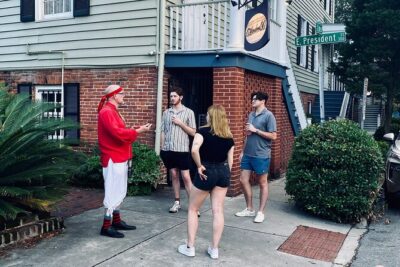
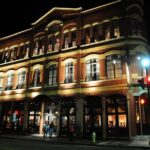
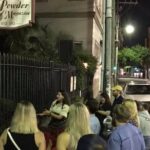
Your tour starts at 80 N Market St, right at Charleston’s City Market area—where trade has been happening for about 200 years. The practical trick here is timing. As evening settles, the vibe shifts from daytime browsing to something hushed. That’s when your guide appears with an authentic colonial lantern, and the stories start to land with more weight.
I really like this setup because it gives you immediate context. You’re not just walking between spooky buildings—you’re getting the historical frame that makes the haunting legends feel connected to real people and real events.
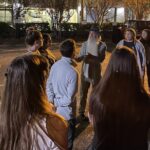
Look for T’Bonz at the meeting point. Once you’re grouped up, you’ll get that “okay, we’re doing this” feeling fast, and then you’re off at a slow, manageable pace. The tour is built for easy movement—short walk length, flat surfaces, and rest stops—so you can keep up even if you’d rather not spend the whole evening on your feet.
A small consideration: even with the lantern and the eerie stories, you should still treat this like a history walk first. The haunting tales are woven into the past, not dumped on you as cheap jump scares.
You can also read our reviews of more tours and experiences in Charleston.
Circular Congregational Church: the oldest graveyard sets the mood
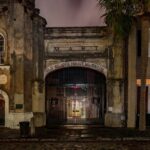
Next up is Circular Congregational Church Graveyard, established in 1691. This stop matters because it anchors everything in age. You’re not hearing a ghost story about something “recent”—you’re standing in the kind of place where the past is literally part of the landscape.
The tour leans into atmosphere here. Charleston’s graveyards can feel theatrical at night—dark stone, shadows, and that slow sense of being watched. This one is also famous in pop culture: Outer Banks (Season 4) used the location for its authentic paranormal atmosphere, and filming crews reportedly dealt with equipment problems and unexplained shadows. Whether you treat that as proof or entertainment, it’s a solid way to understand why this spot is so frequently referenced.
Drawback to note: this location is more about presence than spectacle. If you’re expecting an immediate “ghost encounter,” you may not get one. But if you like place-based history—the kind that makes you think about who lived, died, and stayed here long ago—you’ll likely enjoy it.
The Judge’s Cursed Home at 83 Cumberland St
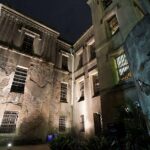
At 83 Cumberland St, you get one of the tour’s darkest strands: the home associated with Judge Nicholas Trott (1709). The story centers on his judicial role, including a mass execution tied to 98 pirates, described as the largest mass hanging in colonial America. Then the tale goes further—those condemned pirates are said to have cursed him, with hauntings passed down through later owners.
This stop is where the guide’s direction becomes important. You’ll be shown which windows to watch, and the guide uses details to make the legends feel mapped to the space you’re standing in. That’s one of the reasons this tour works: you’re not just listening—you’re being taught where to focus your eyes.
Even if you don’t believe the paranormal claims, the experience can still be compelling because the story is rooted in how colonial justice actually worked. The “curse” portion is the haunting wrapper; the history underneath is the hook.
A practical note: this isn’t a long stop, but it’s concentrated. If you’re sensitive to emotionally heavy themes, keep that in mind—this is among the darkest locations on the route.
Blackbeard’s hideout at 145 Church St
Then you move to 145 Church St, framed in the story of Edward Teach, Blackbeard, who rented rooms there in 1718 while holding Charleston in a kind of grip. The haunting legend around this site leans on sensory details: people report the scent of gunpowder and rum, heavy sounds like boots on floors, and a “massive bearded shadow” in windows.
One detail I find especially useful: your guide points out where Blackbeard slept and explains why historians believe a treasure story might still linger around the building. That turns the stop from pure superstition into something more satisfying. You’re encouraged to think like a detective—where did people store valuables, what rooms matter, and how would rumors persist?
Would I call it a guarantee of seeing anything supernatural? No. But as a storytelling stop, it’s one of the best. It also fits Charleston perfectly: pirates, secrecy, and the way old cities keep secrets in plain sight.
St. Philip’s and the 1987 ghost photo you can recreate
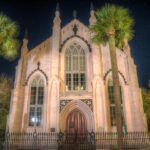
At St. Philip’s Church, you hit one of the tour’s most “tangible” components: the 1987 ghost photo site connected to local photographer Harry. The story says he captured what’s been described as the world’s most authenticated ghost image—featuring a translucent Victorian woman—and that Kodak verified the image as untampered. The account also adds that MIT scientists found no explanation, which is why the photograph became a major international headline and remains one of the most analyzed paranormal photos ever.
What makes this stop practical is that your guide doesn’t just talk about it. You’ll be shown the exact positioning—where Harry stood—and you’ll see the famous photograph used for comparison.
Ghost photo tips are included on this tour, so you’re not stuck guessing. Some people capture images of their own at this spot, but don’t build your plan on guaranteed results. The value here is twofold: you’re standing at a real-world anchor point, and you’re learning how to try without turning the experience into a random photo scavenger hunt.
If you love photography, bring a camera you’re comfortable using fast in low light, and expect that the area may feel darker than you expect once the group starts moving.



St. Philip’s Cemetery (1681): where the “active” section matters
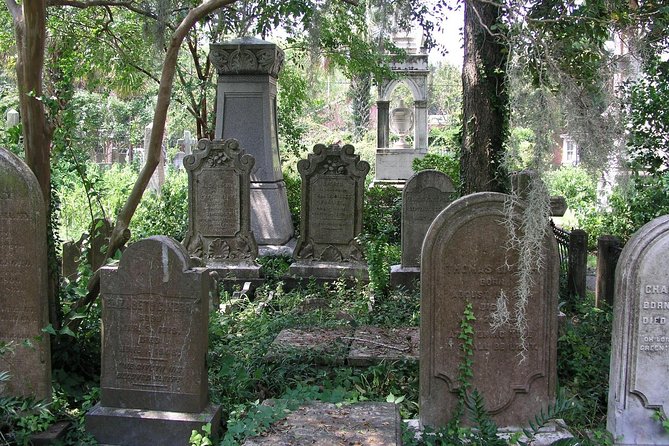
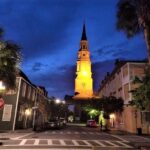
After the church, the route brings you into St. Philip’s Cemetery, said to be Charleston’s oldest burial ground, established in 1681. The scale is huge in story terms: over 10,000 souls are said to rest here, including pirates, plague victims, and soldiers.
This is also where the legends get vivid. The tour highlights the Lady in Black, described as weeping over a child’s grave, plus claims about full apparitions walking nightly, moving cold spots, and even orbs captured on cameras. People report feeling the ground itself turn unnaturally cold, and the guide leads you to the most active section.
Here’s how to make this stop work for you: treat it like a guided sensory exercise, not a simple ghost story. The guide points out where to stand, what to watch for, and how to notice changes in temperature and movement. Even if you don’t interpret those sensations as supernatural, paying attention to the environment can be genuinely memorable in a way that’s hard to get from a purely indoors experience.
Drawback: if you’re the type who hates cemeteries or gets anxious in them, this is the hardest stop. The legends may not produce a “moment,” but the atmosphere is intense enough on its own.
The haunted hotel stop at 115 Meeting St
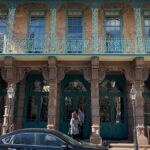
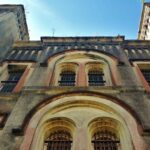
The tour ends with a heavy-hitter: 115 Meeting St, an elegant hotel with a story tied to the 1861 fire. The account says it survived partly due to General Robert E. Lee’s intervention—and since then, guests are said to have reported terrifying encounters.
This stop features mirror activity and hotel-lobby panic stories, plus a specific detail: Room 10 is described as especially active. The narrative also includes mention of security footage showing doors opening alone and shadows moving, along with stories of guests fleeing in terror and police reports referenced by the guide.
If you like your hauntings with a setting—like “where would a mirror reflect something impossible” or “how does a corridor’s shape amplify sound”—this hotel stop delivers. It also adds variety after so much cemetery time.
One caution: some of these claims are strongly intense. If you want lighter vibes, consider that this is the most dramatic chapter of the tour.
Walking pace, group size, and why 60–70 minutes is a smart length
This tour is designed around a short night walk: about 3–4 blocks, flat surfaces, extremely light walking, and a slow pace with frequent rest stops. That’s a big deal in Charleston, where cobblestones can take a toll if you’re on them for hours. Here, the route stays focused enough that you’re not constantly checking your footing.
Group size is another plus. It’s capped at 15 travelers, which tends to keep the guide’s attention closer and makes it easier to hear the stories without straining. Still, you’ll want to stay flexible: if you’re arriving on a busy night, it’s wise to arrive a few minutes early and confirm you’re in the right group. That’s the best way to avoid the usual travel chaos.
Duration is listed around 1 hour 10 minutes, but it can feel closer to 50 minutes depending on timing. In either case, it’s a good length for a first ghost tour. You’ll see multiple locations—graveyard, historic homes, a photo site, and the hotel—without losing the whole evening to walking.
Value-wise, the best part isn’t just the spooky flavor. It’s the fact that you’re getting local historian guidance (not scripted actors). That combination—real places plus a knowledgeable guide who can connect events and locations—usually gives you a more satisfying night than tours that feel like pure improv.
Should you book this Charleston ghost tour?
Book it if you want a short, easy, lantern-lit night walk through major Charleston locations, and you like your ghost stories tied to real people and real events. It’s especially appealing if you’re into dark history, pirate lore, or the thrill of trying to recreate a famous ghost photo spot with the help of provided ghost photography tips.
Skip it if you’re mainly hunting for guaranteed paranormal events. This experience is more about atmosphere, guided storytelling, and historic eeriness than constant phenomena on cue. And one more practical thought: bring a charged phone/camera and a willingness to slow down. The best part of this tour is how it gets you to notice details—windows, shadows, temperature shifts, and the way the city holds onto its past.
FAQ
How long is the Small Group Ghost Tour Charleston?
It runs about 1 hour 10 minutes (approx.). Some people note it can feel closer to 50 minutes depending on timing.
Where does the tour start and where does it end?
You start at 80 N Market St, Charleston, SC 29401. The tour ends around Broad and Meeting St in the historic center.
Is the tour in English?
Yes, it’s offered in English.
What’s included in the tour?
You get access to the haunted locations, ghost photography tips, all fees and taxes, and a local historian guide (not scripted actors).
Is food and drinks included?
No. Food and drinks are not included.
Do I need ghost hunting equipment?
No. Ghost hunting equipment is not included.
How much walking is involved?
Expect a short walk (about 3–4 blocks) on flat surfaces with extremely light walking, a slow pace, and frequent rest stops.
Is parking available nearby?
Parking fees can apply after 6pm, but parking meters are free after 6pm. There’s also a parking garage at Church & Cumberland listed at $2/hour.
Is the group actually small?
The tour has a stated maximum of 15 travelers.
Can I cancel and get a full refund?
Yes. Free cancellation is available up to 24 hours in advance for a full refund.