REVIEW · SALEM
Salem: Voodoo, Vampires, and Ghosts Guided Walking Tour
Book on GetYourGuide →Operated by Spellbound Tours · Bookable on GetYourGuide
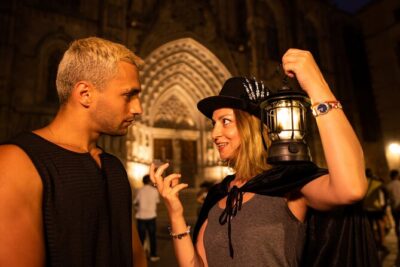
Salem gets darker when the guide knows the camera tricks. On Spellbound’s Voodoo, Vampires, and Ghosts Guided Walking Tour, Dr. Vitka, a local paranormal investigator licensed by the city, takes you to proven haunted locations and stories that reach well past the usual witch-trial headlines. I especially liked the ghost-energy photography instruction and the fact that the tour ties spooky claims to specific Salem sites. One consideration: it’s a 90-minute walking tour, so most stops are about what you can see from the street rather than going inside every eerie place.
What makes this tour hit is the mix of Salem eras and moods. You’ll hear about the Salem Witch Trials, including the fate of Giles Corey, and you’ll also get today’s vampire culture, plus vampire folklore tied to Salem’s landmarks. The tone stays lively, with humor and plenty of time to ask questions, which matters when you’re standing in front of cemeteries, old government buildings, and other places that can feel heavy.
You start at the big bell out front of the Salem Visitor Center, which makes it easy to find, even during peak October foot traffic. The guide keeps the group moving at a comfortable pace, then finishes back at the Visitor Center with photos meant to show real ghost energy and an invitation to submit your own images for review.
In This Review
- Key things to know before you go
- Why this Salem walk feels different from the usual ghost tour
- Meeting by the big bell: setting the tone before you step into the dark
- Witch trials that hit harder: Giles Corey and the Witch Dungeon
- A practical note
- Bridget Bishop’s ghost and Turner’s Seafood at the Lyceum site
- Old Town Hall: where witch-town history meets vampires
- The Boston Strangler murder site and Houdini’s Salem escape
- Old Burying Point Cemetery: Judge Hathorne and the burial-alive story
- What I’d watch for
- The Peabody Essex Museum and its vault secret
- Finishing back at the Visitor Center: photos of ghost energy
- How spooky is it, and who should bring what mindset?
- Price and value: is $25 worth 90 minutes?
- Should you book this Salem Voodoo, Vampires, and Ghosts tour?
- FAQ
- How long is the Salem Voodoo, Vampires, and Ghosts guided walking tour?
- Where do we meet for the tour?
- What topics does the tour cover besides the Salem Witch Trials?
- Does the guide teach anything about photographing ghost energy?
- What is included in the ticket?
- Is there a free cancellation option?
Key things to know before you go
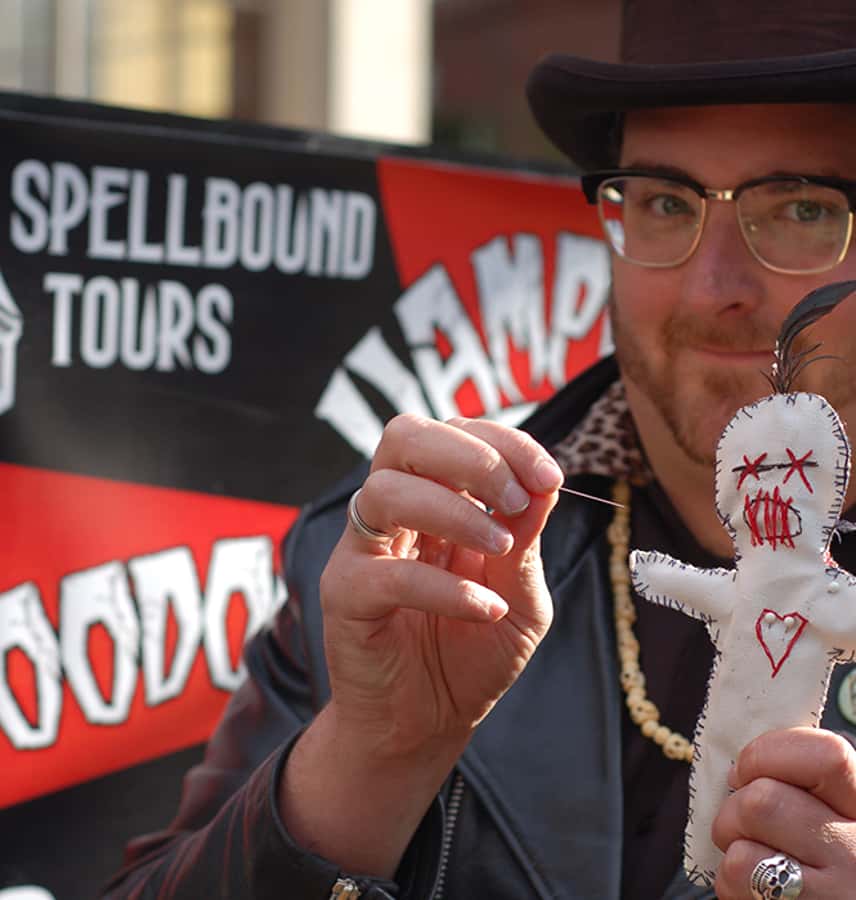
- Dr. Vitka leads and frames Salem’s legends through a paranormal-investigator lens, not just storytelling
- Hands-on ghost energy photography techniques are part of the experience, not an afterthought
- You’ll hit major witch-trial locations tied to famous names like Giles Corey and Bridget Bishop
- Vampire culture in modern Salem gets equal attention, with folklore woven into real buildings
- The tour includes a stop connected to the Peabody Essex Museum and a surprise from its vault
- You end at the Visitor Center with photographs of ghost energy and a chance to share your own images
Why this Salem walk feels different from the usual ghost tour
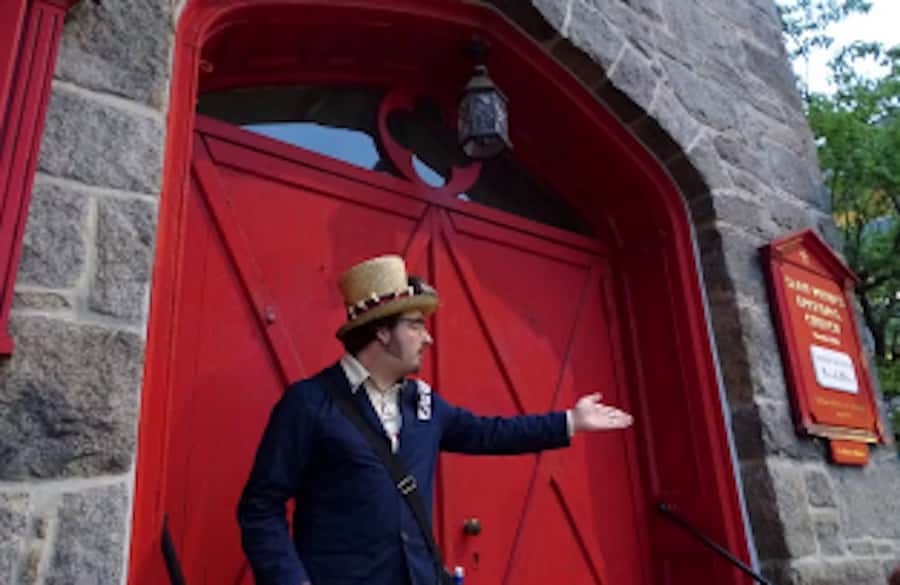
Salem is packed with ghost tours, but this one has a clear angle: history plus practical paranormal methods. Dr. Vitka isn’t just reciting facts—he brings a field-investigator approach, including the idea that you can photograph spectral energy rather than simply hoping to feel spooked.
I like that the tour doesn’t treat the witch trials as the only chapter. You’ll move through Salem’s haunted past and then swing toward voodoo roots, vampires, and modern supernatural fascination that still has a pulse in town.
The other big plus is the pacing and interaction. The experience is built for questions, not for keeping your mouth shut so the group can rush onward. That matters because some of the topics—pressings, dungeons, murders, and burial fears—land better when you can ask what’s supported and what’s legend.
You can also read our reviews of more tours and experiences in Salem.
Meeting by the big bell: setting the tone before you step into the dark
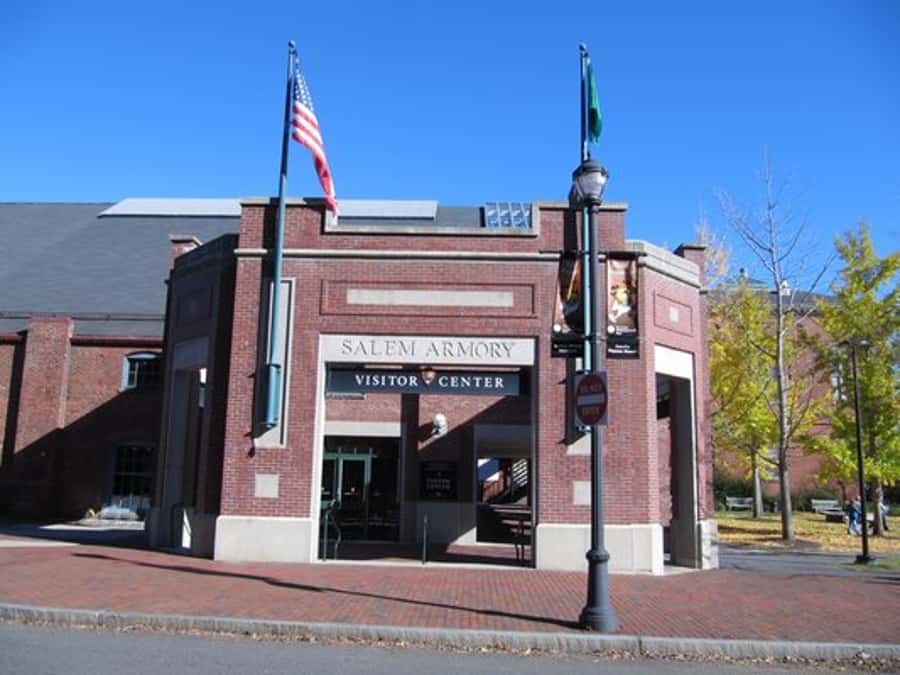
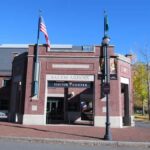
You meet by the big bell in front of the Salem Visitor Center, 2 New Liberty Street. It’s a simple start point that lets you find the group fast without a lot of scrambling in the streets.
In the first moments, the guide sets expectations for the kind of night you’re having. You’re not just walking past haunted spots—you’re learning how the stories connect to places, and how investigators think about capturing evidence.
Because you’re outdoors for most of the tour, wear shoes you actually trust. Salem sidewalks can get crowded and uneven, and you’ll be moving steadily for about 90 minutes.
Witch trials that hit harder: Giles Corey and the Witch Dungeon
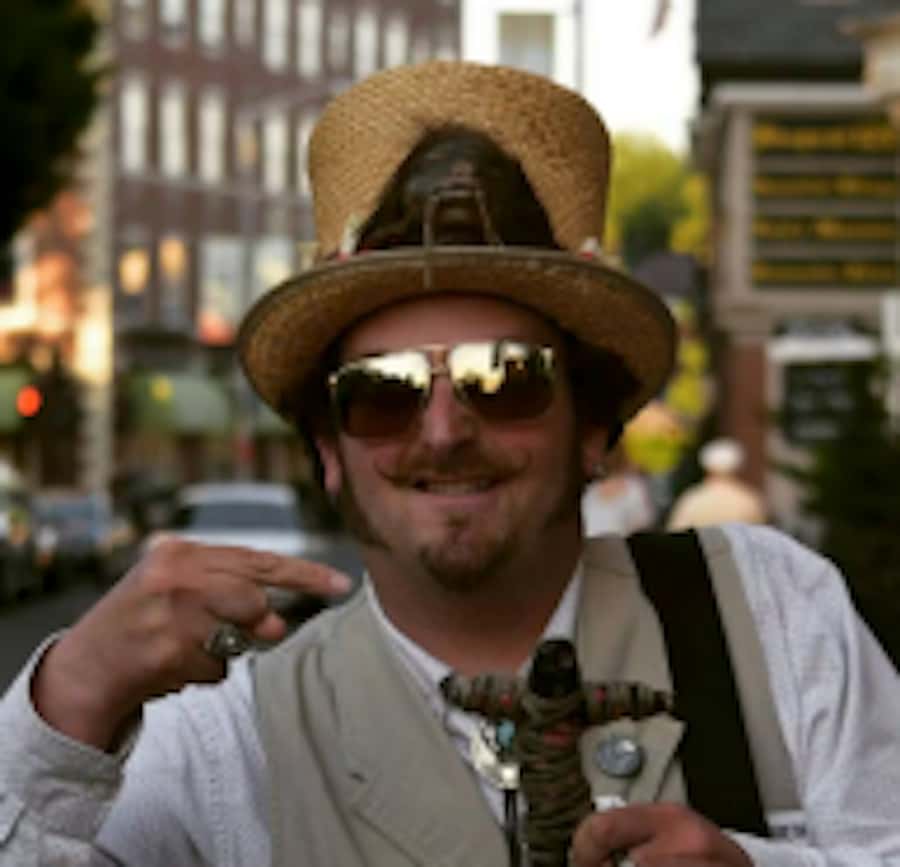
The tour wastes no time getting to the grim core of Salem. One standout stop is the field where Giles Corey was gruesomely pressed to death. The guide uses Corey’s story to talk about what Salem was like under fear and authority—then adds a supernatural layer around what people claim might linger.
Next comes the Witch Dungeon, described as the real location where the accused were held before their hanging. This is where the tour earns its edge: it turns a name you’ve seen in books into a physical place you can picture.
The tour also frames the broader witch hysteria as something with roots that go beyond a simple local-only story. You’ll hear about hidden voodoo roots tied to the famous hysteria, and the guide presents it as part of the “why” behind Salem’s darkest reputation.
A practical note
These stops are emotionally heavy. If you’re bringing kids or anyone who doesn’t like macabre stories, you’ll want to judge comfort level ahead of time. At least one review calls out that it can be too dark for younger kids, while others describe it as fun for teens too—so match it to your group.
Bridget Bishop’s ghost and Turner’s Seafood at the Lyceum site
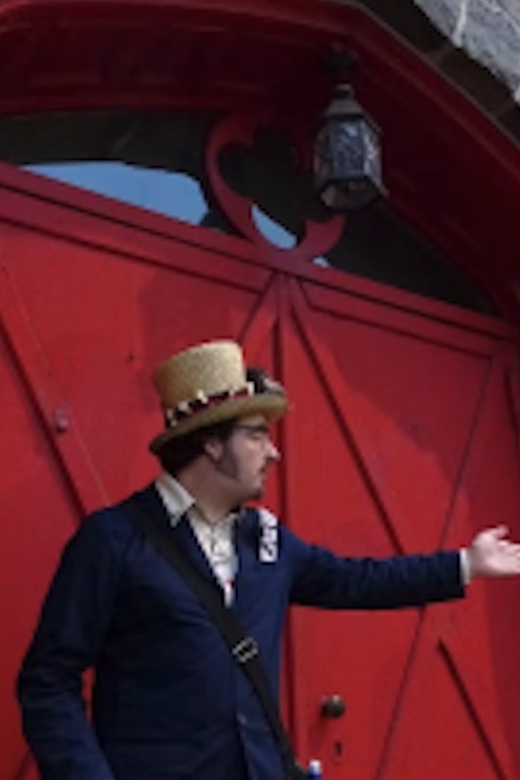
You’ll visit the Lyceum restaurant, now Turner’s Seafood, built on land associated with Bridget Bishop, who was the first victim of the witch trials named in the tour’s story. The guide points to the idea that Bishop’s ghost still lingers here.
This stop works because it pulls horror into a place that looks ordinary from the outside. It’s easy to walk past a restaurant and forget the ground beneath it might be tied to Salem’s worst day, and that contrast is exactly what makes walking tours click.
If you’re the type who likes context, you’ll appreciate how the guide connects Bishop’s name to the bigger Salem narrative. It’s not only about the ghost story—it’s about how the town remembered, retold, and eventually packaged that history.


Old Town Hall: where witch-town history meets vampires
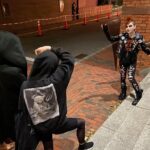
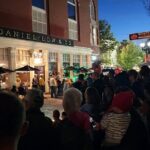
The tour swings to the Old Town Hall, and it’s a smart choice because it’s one of the sites where Salem’s public-life story feels real. Here, you’ll hear vampire folklore, plus the more surprising part: vampire culture thriving in Salem today.
The guide also brings in a pop-culture connection tied to the original Hocus Pocus movie. People recognize the Old Town Hall as the location where the Halloween Ball scene was filmed, which makes the story easier to hold onto while you’re standing there.
This is also a good moment to reset your brain. After the heavy witch-trial material, vampires feel like a different genre—same darkness, but with a different energy.
The Boston Strangler murder site and Houdini’s Salem escape
Not all fear in Salem history is supernatural. You’ll hear about the Boston Strangler’s Salem murder site, a stop that reminds you Salem’s haunted reputation also overlaps with real-world crime stories.
Then the tour goes from serial-evil fear to showman magic at the police station, where Harry Houdini performed what’s described as his greatest escape. That change of tone matters: it keeps the tour from becoming one long march through misery.
It also gives you a handy contrast. The tour sets up a question in your mind: when do we call something haunting, and when is it simply human brutality—or human showmanship? The best spooky tours do this without lecturing, and this one stays in that lane.
Old Burying Point Cemetery: Judge Hathorne and the burial-alive story
If you want the most intense stop, it’s the Old Burying Point Cemetery. It’s described as the second oldest cemetery in the United States and as extremely haunted in the tour’s telling.
You’ll hear about Judge Hathorne, tied to the witch trials, and you’ll also hear the story of a little girl who may have been buried alive. Whether you treat that as fact or legend, the place itself does the work—this is the kind of location that makes your imagination loud.
The tour also notes that many modern magic practitioners consider the cemetery a sacred place and use its graveyard dirt in rituals. That’s not something you usually hear on mainstream Salem walks, and it’s part of why this tour feels built for people who like the supernatural angle to be more than just costume-deep.
What I’d watch for
Cemeteries can be emotionally intense and sometimes physically slippery if it’s damp. Keep your footing, stay with the group, and don’t assume you’ll have the time to wander away from the main path.
The Peabody Essex Museum and its vault secret
The tour includes a stop connected to the Peabody Essex Museum. The big promise here is Salem’s most surprising secret hidden in the museum’s vault.
Even without going deep into museum galleries, this kind of stop helps you understand Salem as a place that preserves stories. It’s one thing to hear spooky talk on the street; it’s another to connect it to institutions that document and store history.
If you like museums, you’ll probably want to follow up after the walk. This tour’s museum reference is the teaser—so it can push you to spend more time inside on your own.
Finishing back at the Visitor Center: photos of ghost energy
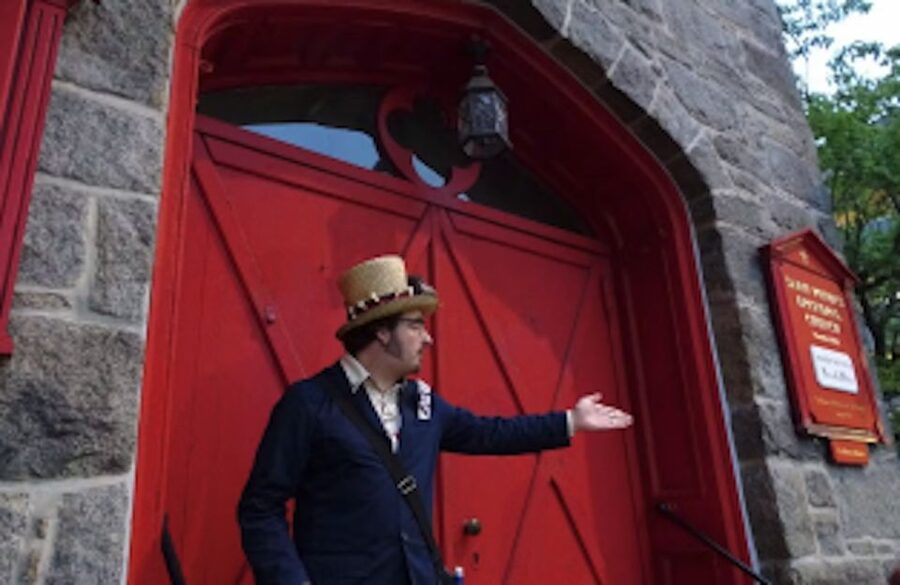
The tour wraps back at the Salem Visitor Center. This is where the experience shifts from walking history to evidence-style presentation.
The guide shows photographs meant to capture real ghost energy, then encourages you to submit your own photos for examination. Even if you don’t expect to see anything dramatic in your own camera results, it’s a fun prompt because it turns passive fear into an active experiment.
Bring a phone or camera if you like taking photos. The tour’s whole structure assumes you’re curious about how images might work here, and that makes the final minutes more engaging.
How spooky is it, and who should bring what mindset?
This tour sits in a sweet spot for people who want real places and a strong supernatural vibe. You’re getting witch trials, vampire lore, voodoo roots, and modern supernatural culture, all stitched to specific locations in Salem.
For skeptics, the value is still real. Even if you don’t buy every paranormal claim, you’ll come away with a sharper map of Salem—names, sites, and the darker reasons they got famous.
For believers or paranormal hobbyists, the photo element and the framing of spectral energy are the hook. You’ll learn how investigators think about photographing it and you’ll see example images at the finish.
For families, it depends on age and tolerance. One review flags the tour as more for paranormal lovers due to how macabre it can feel, while other accounts say it works well for teens. If you’re bringing younger kids, choose based on their comfort level with death stories, cemeteries, and grim history.
Price and value: is $25 worth 90 minutes?
At $25 per person for 90 minutes, this tour is priced for accessibility while still offering a specialized experience. You’re paying for a local, city-licensed guide plus a paranormal-investigator angle, which is more than what many basic history walks provide.
The value comes from three places:
- You get multiple major Salem stops in one evening rather than picking one site at a time.
- The guide isn’t only telling stories; he’s teaching a way to look through your camera at night.
- The end-of-tour photo session gives you something to process, not just a walk that evaporates when you reach your lodging.
It’s also a strong option if you want a single “big hit” activity during a short Salem visit. You’ll leave with a mental list of places to revisit on your own daylight schedule.
Should you book this Salem Voodoo, Vampires, and Ghosts tour?
I’d book it if you want Salem with teeth: witch-trial sites, vampire culture, voodoo connections, and an evidence-style photo segment with Dr. Vitka guiding the story. It’s a great fit for adults and older teens who like their history a little darker and their walking tours interactive.
Skip it if your top priority is inside access to buildings or museums. From what’s described, the tour focuses on proven haunted locations you can see as you walk, plus a wrap-up at the Visitor Center, so you might not get the kind of roaming access you’d hope for.
If you want a fun, scary Salem evening that’s built around real locations and a hands-on paranormal twist, this one is an easy yes.
FAQ
How long is the Salem Voodoo, Vampires, and Ghosts guided walking tour?
The tour lasts 90 minutes.
Where do we meet for the tour?
Meet by the big bell in front of the Salem Visitor’s Center, 2 New Liberty Street, Salem MA 01970.
What topics does the tour cover besides the Salem Witch Trials?
It includes witch-trial sites, plus voodoo roots of the hysteria, vampire folklore and modern vampire culture, and documented paranormal activity connected to specific haunted locations.
Does the guide teach anything about photographing ghost energy?
Yes. The tour includes learning from paranormal investigators how to photograph real ghost energy, and the finish includes photos of ghost energy with an invitation to submit your own images.
What is included in the ticket?
The experience includes a storytelling guide and the walking tour.
Is there a free cancellation option?
Yes. Free cancellation is offered up to 24 hours in advance for a full refund.