REVIEW · RALEIGH
Rust, Rebels & Ruins: Raleigh Ghost Tours
Book on Viator →Operated by Raleigh Ghosts · Bookable on Viator
Ghost stories begin at the Capitol steps. This Raleigh Ghost Tour is a quick, walkable route through famous downtown landmarks, with tales of hidden spaces, political hauntings, and family homes that never quite went quiet. I especially like the Capitol-area stops and the chance to hear the stories shaped by guides like Chris and Wendy.
You’ll also get a strong history-meets-horror feel without paying separate entry fees at each landmark, since the tour time is focused on what’s outside and what’s on-site. One thing to keep in mind: this isn’t a full-on fright show, and the spooky level can vary if you struggle to hear over street noise or if your group is larger than you’d prefer.
In This Review
- Key takeaways before you go
- Raleigh Ghost Tour in One Hour: What You’re Actually Paying For
- Start at the North Carolina State Capitol: Hidden Spaces and Big-State Legends
- 211 New Bern Pl: White-Holman House and the Staircase Story
- Haywood Hall House and Gardens: Raleigh’s Early Roots With a Haunting Edge
- Executive Mansion (1891, Queen Anne-Style): The Governor’s Ghost With Knocks
- Heck-Andrews House (Built 1870): Post-Civil War Memories
- Nash Square at Night: A Green Pause With Shadowy Sightings
- Death and Taxes Restaurant: When a Former Coffin Store Leaves a Mark
- City of Raleigh Museum (Briggs Hardware Building): Laughter and Tiny Feet
- How the Guides Shape the Spooky Level (and Why Hearing Matters)
- What to Expect From the Walking Pace and Group Size
- Tips to Make the Night Better
- Should You Book Raleigh Ghost Tours?
Key takeaways before you go
- Eight downtown landmarks in about an hour, with short stops that keep things moving.
- A guide’s storytelling style matters a lot, with many fans praising guides like Tyland, Cora, Alexa, Mary-Ryan, Chris, and Catherine.
- Many stops are listed as no separate ticket needed, so your $32 is mainly for the guided route.
- Expect road noise and crowd size to affect hearing, especially in busier moments.
- The route mixes political sites and old houses, not just one type of spooky setting.
- You’ll walk around a mile total, so comfortable shoes matter.
Raleigh Ghost Tour in One Hour: What You’re Actually Paying For
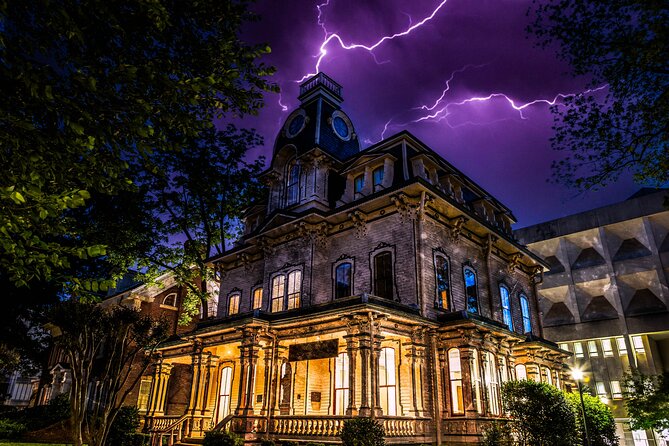
At $32 per person for about an hour, you’re buying two things: a tightly timed downtown walk and a guide who turns Raleigh’s old buildings into story time. The good part is that you’re not spending the evening hunting for parking or puzzling out your own route. The walking is straightforward, and you start and finish at the same place.
The best value angle here is how the stops are handled. Each landmark gets a short moment, and the focus is the stories tied to the building and its era. If you’ve done “ghost tours” that feel like a drive-by slideshow, you’ll probably like this format more: you’re standing in the right places and the guide points out what makes each location worth watching.
You can also read our reviews of more tours and experiences in Raleigh.
Start at the North Carolina State Capitol: Hidden Spaces and Big-State Legends
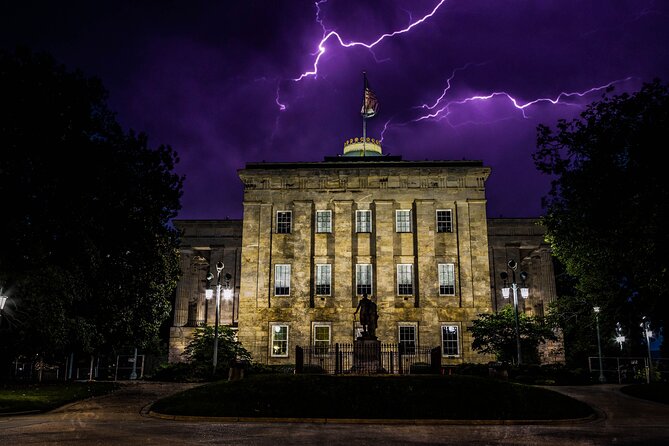
You begin at the North Carolina State Capitol on E Edenton St. This is the kind of start that sets the tone fast. The building is a major symbol of state government, and the stories attached to it lean into the idea that power and secrecy often share the same walls.
The standout detail here is the talk of hidden tunnels beneath the Capitol. Whether a listener wants to believe the paranormal or just enjoy the folklore, the “what’s under the surface” angle is a clever way to make an impressive building feel more mysterious. It also works because the guide can connect the story to the way government buildings were designed and used over time.
Practical note: you’ll want to be within earshot at the start. Starting outside, on busy sidewalks, is where sound can compete with cars, foot traffic, and crosswalk noise.
211 New Bern Pl: White-Holman House and the Staircase Story
Next you head to 211 New Bern Pl, a historic residence tied to William White. This stop shifts the mood from government architecture to a more intimate setting: a house with classic lines and room for personal tales.
The story focus is a reported ghost sighting on the staircase. Staircases are great for ghost storytelling, because they’re built for movement—and because they’re easy to picture in your mind. Even if you don’t get chills, you’ll likely find it memorable because it’s specific, not just vague “it’s haunted.”
If you prefer hauntings that feel tied to daily life (people living here, footsteps going up and down), you’ll probably like this stop.
Haywood Hall House and Gardens: Raleigh’s Early Roots With a Haunting Edge
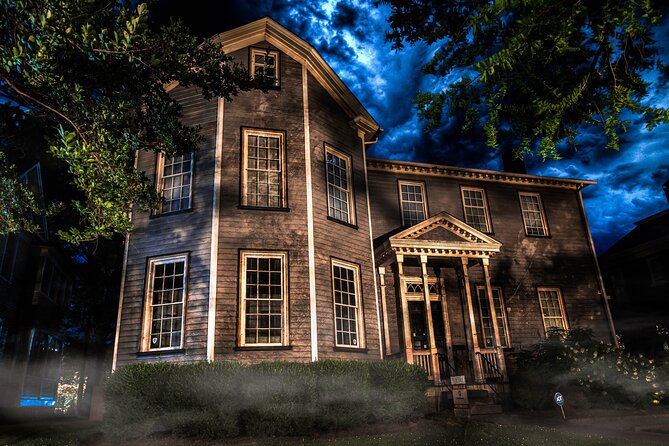
The tour then lands at Haywood Hall House and Gardens. This is where the “oldest still on its original plot” detail helps you understand why the stories stick here. The home is linked to John Haywood, Raleigh’s first mayor, and that early-town connection gives the spooky tales a stronger sense of place.
This stop leans on the idea of lingering spirits connected to the original grounds. You’re not just seeing a pretty historic site; you’re hearing how Raleigh’s earliest civic life may have left marks that folklore can’t shake.
Drawback to watch for: if you’re only in it for the scariest moments, this kind of stop can feel more atmospheric than shocking. Think of it as the “build the mood” chapter.
Executive Mansion (1891, Queen Anne-Style): The Governor’s Ghost With Knocks
At the Executive Mansion, the tone tightens. The mansion is Queen Anne-style and completed in 1891, and the stories here center on political drama turned eerie. The haunted headline is the ghost of Governor Fowle, often described through mysterious knocks.
This is one of those details that works even for people who aren’t usually into ghosts. Knocks are simple. They don’t require a complicated explanation. They also let the guide create suspense without needing giant special effects.
If you’re the type who likes spooky hints rather than screaming, you’ll likely appreciate this stop.
Heck-Andrews House (Built 1870): Post-Civil War Memories
The Heck-Andrews House stop is one of the route’s most “history with teeth” moments. Built in 1870, it’s tied to Raleigh’s growth after the Civil War, and the stories focus on the uneasy feeling that comes with rebuilding and transition.
Reported happenings include spectral figures and mysterious occurrences. This is where the tour leans into the idea that a house can hold more than the past—it can hold tension. If you like hauntings that connect to real social change, this stop may land well.
Listening tip: since this is an older residential setting, your group may naturally cluster. Try to keep space so you’re not stuck behind shoulders. When you can see the guide clearly, you usually catch more of the story.
Nash Square at Night: A Green Pause With Shadowy Sightings
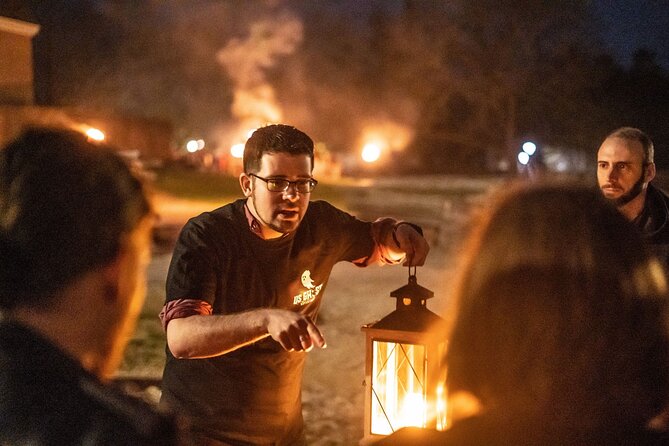
After the houses, you move to Nash Square, a green space in the heart of downtown. This contrast is smart. The tour gives you a break from facades and doorways, and instead you get a “what’s happening in the open” kind of story.
The haunting rumor here involves shadowy figures crossing the lawn after dark. It’s eerie because it’s not tied to a single room. It’s about movement through a public space, which makes the idea feel more unsettling.
If you’re visiting in early evening, this is also a good moment to notice street lighting and how it changes the feel of the square. Even without the supernatural angle, the mood shift is part of what makes this stop worth the walk.
Death and Taxes Restaurant: When a Former Coffin Store Leaves a Mark
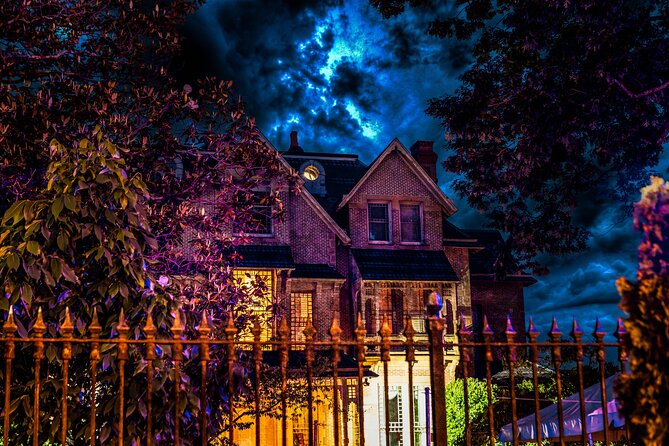
One of the most memorable stops is Death and Taxes Restaurant. The story connects the building to its earlier identity as a coffin store and funeral home, which gives the spooky tone a more direct link to death and ritual.
The tales here center on spirits of past residents lingering around the current space. This kind of location works in a ghost tour because the building’s purpose is easy to understand. You’re not guessing what kind of place it used to be; the name and the reported background do the heavy lifting.
If you want the tour to feel a bit darker, this stop is likely to deliver that.
City of Raleigh Museum (Briggs Hardware Building): Laughter and Tiny Feet
The final storytelling stop is the City of Raleigh Museum, housed in the historic Briggs Hardware Building. This is a slightly different vibe than the houses and mansion. Instead of focusing only on private residences, it frames local life and commerce through a preserved 19th-century structure.
The haunting details are specific: ghostly laughter of a child and the patter of tiny feet on stairs. That’s the kind of imagery that stays in your head because it’s sensory. Even if you don’t buy the supernatural, it’s a well-aimed piece of folklore that fits the building’s age.
And because it’s the last stop, it often works like a closing scene—one that sticks with you when the walk is already wrapping up.
How the Guides Shape the Spooky Level (and Why Hearing Matters)
The big variable on this tour is the guide. The route is the route, but the experience becomes what your storyteller makes of it.
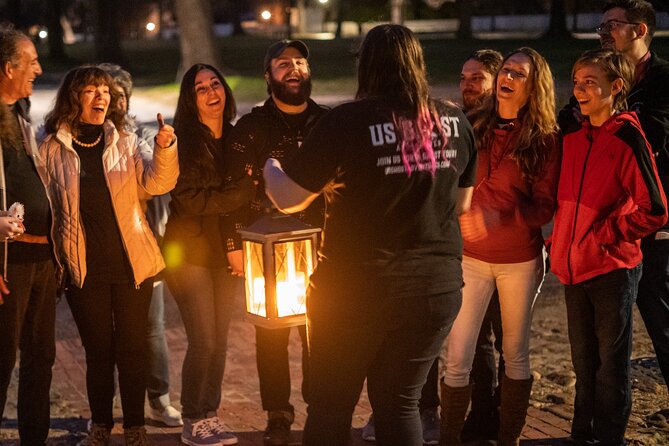
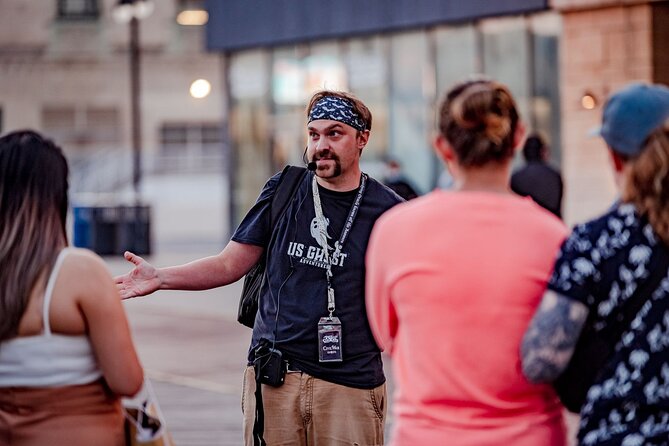
In the strongest feedback, guides like Tyland highlight the macabre aspects of real history and deliver stories that feel sharp and memorable. Cora is praised for being fun while still keeping the tone appropriately spooky. Alexa is repeatedly described as sweet, considerate, and clear—exactly what you want if you’re navigating a dark sidewalk with a microphone. Mary-Ryan stands out for blending seriousness with comedy. Chris is frequently credited with setting the right spooky-to-history balance and keeping the pace engaging. Wendy is singled out for personal interactions and making it feel more like a real group experience. Catherine and Miranda also get praise for storytelling and for keeping the group together.
Now for the practical side: hearing is the make-or-break issue. Some people reported sound challenges from street noise and speaker volume. A few also mentioned large group size making it hard to hear even with amplification. If you want to catch every detail, you’ll do yourself a favor by staying near the guide and not treating this like a sightseeing stroll where you chat the whole time.
One more small safety consideration: crosswalk moments are built into the route, and in some feedback a guide’s pacing in street crossings wasn’t ideal. On your end, just stay alert, follow the guide’s instructions, and don’t lag behind your group.
What to Expect From the Walking Pace and Group Size
This tour runs about an hour and covers eight landmarks with short stops that usually feel like 7–8 minutes each. Reviews also align with a total walk of around a mile. That’s manageable for most people, but it does mean you’ll be on your feet the whole time.
Group size has a ceiling of 35, and that matters. When groups are larger, it’s harder to keep close enough to hear well. If your top goal is spookiness and you’re the kind of person who listens hard to every sentence, you might prefer an evening where the group feels more comfortable.
Also, this tour uses a mobile ticket. If you’re the type who hates last-minute tech, make sure your phone is charged and your ticket is easy to access before you arrive.
Tips to Make the Night Better
If you want this to feel scary-fun instead of just “interesting buildings,” here’s how to stack the odds in your favor.
First, set your expectation. This is a ghost walk with history baked in. It’s not a jump-scare attraction. If you go looking for spooky atmosphere and good stories tied to real places, you’ll probably have a better time.
Second, dress for the weather and the walking. It’s downtown, and you’ll be outside between stops. Even in mild seasons, evening air can get chilly once you slow down at the end of each short stop.
Third, keep your listening position consistent. The most enjoyable tours usually happen when you’re close enough to hear the guide clearly over traffic, not shouting over it.
Finally, ask the guide questions if you’re curious. Some of the best moments in feedback involve guides answering questions and tailoring the energy to the group. If you’re polite and curious, you’ll often get a warmer, more personal tour.
Should You Book Raleigh Ghost Tours?
I’d book this if you want a focused, one-hour Raleigh ghost walk that pairs haunted stories with the people and politics behind the buildings. At $32, it’s good value for a route that keeps you moving, shows you multiple landmark types, and doesn’t require you to pay separate admission fees at each stop.
I would not book if you’re chasing the scariest possible experience above all else. Some people find it more historical than terrifying, and sound issues can happen depending on traffic and group size. If that’s a concern for you, plan to stay near the guide and treat the evening like a storytelling event, not a casual chat walk.
If you do book, take the route seriously. Good shoes. Charged phone. Close listening spot. Then let the Capitol-to-Nash-Square arc do its job.