REVIEW · DENVER
Denver: Denver Terrors Guided Ghost Tour
Book on GetYourGuide →Operated by US Ghost Adventures · Bookable on GetYourGuide
Ghosts and history mix well on this walk. Denver Terrors: Guided Ghost Tour from US Ghost Adventures threads you through Capitol Hill’s most talked-about haunted landmarks, starting with the Colorado State Capitol and rolling onward to the Acacia Apartments and the Molly Brown House. I especially like how guides such as Jacob and Walt turn scary stories into clear, question-friendly storytelling, plus how the tour uses visuals (including photos) to make the past feel tangible. Bold? Absolutely. Just plan for a spooky hour on foot.
Big drawback: if you end up in a large group, it can be tough to hear the guide and catch details from visual extras. That can blunt the chill a bit when you’re packed in.
In This Review
- Quick hits for Denver Terrors
- Why Denver Terrors starts at the Colorado State Capitol
- Meet near The Closing Era statue: getting oriented fast
- Capitol Hill ghosts and the express security check
- Acacia Apartments: tragic events and restless spirits
- Molly Brown House: famous Denver resident, haunting tales
- Guides make or break a ghost tour: Jacob, Walt, and more
- How long is the walk, and what to wear in Denver weather
- Price and value: is $36 worth it for an hour?
- Who should book this ghost tour, and who should skip
- Bottom line: should you book Denver Terrors
- FAQ
- How long is the Denver Terrors Guided Ghost Tour?
- Where do I meet for the tour?
- What does the tour include?
- Do I need hotel pickup or drop-off?
- Is the tour wheelchair accessible?
- Does the tour run in bad weather?
- Are video recording and other behaviors allowed?
- How much does the tour cost?
Quick hits for Denver Terrors
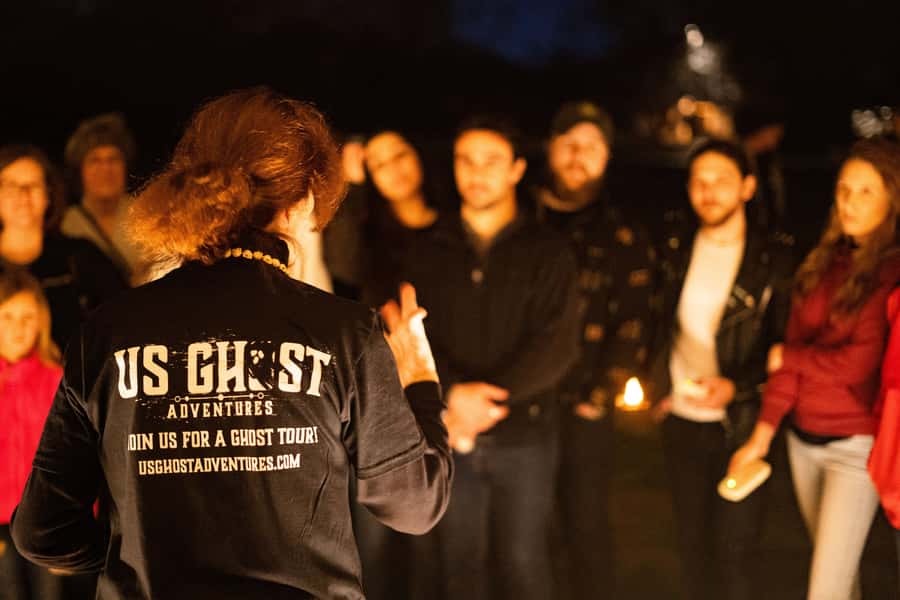
- Capitol Building focus: You start by the Colorado State Capitol and hear ghostly tales tied to its halls.
- Express security check: You skip the regular line and go through a faster security route before the Capitol portion.
- Acacia Apartments stop: A historic building with reported hauntings and tragic backstory themes.
- Molly Brown House finale: Famous Denver resident, plus ghost encounters tied to rooms associated with her life.
- Guide-driven experience: Strong personalities can make even a short tour feel complete, especially when questions are welcome.
- Weather matters: Rain or shine, so wear real walking shoes.
Why Denver Terrors starts at the Colorado State Capitol
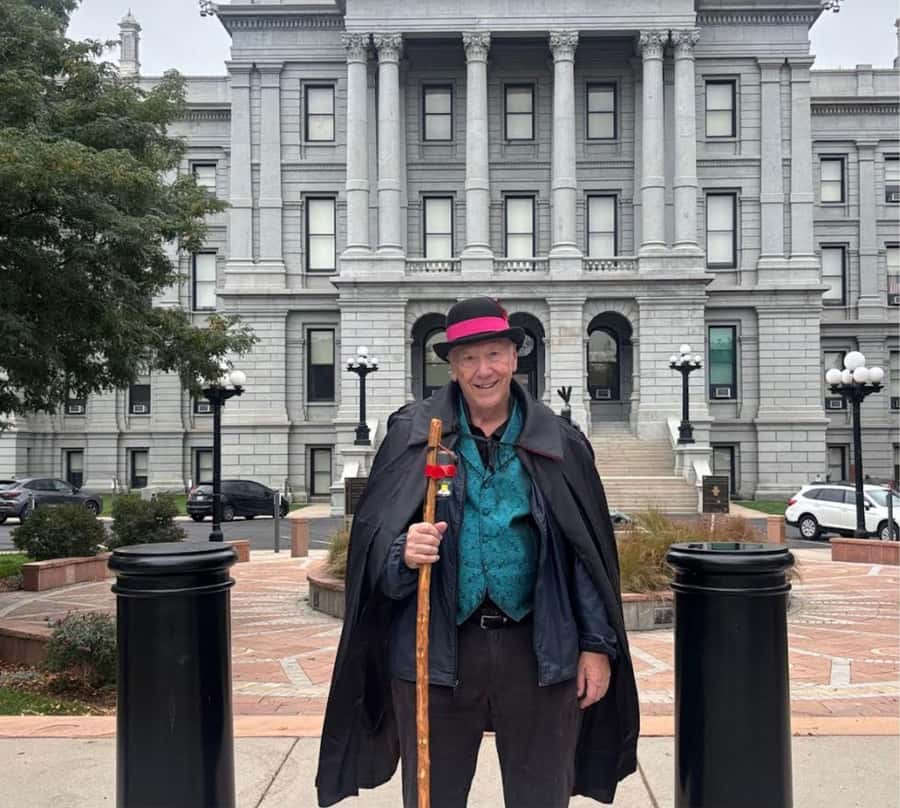
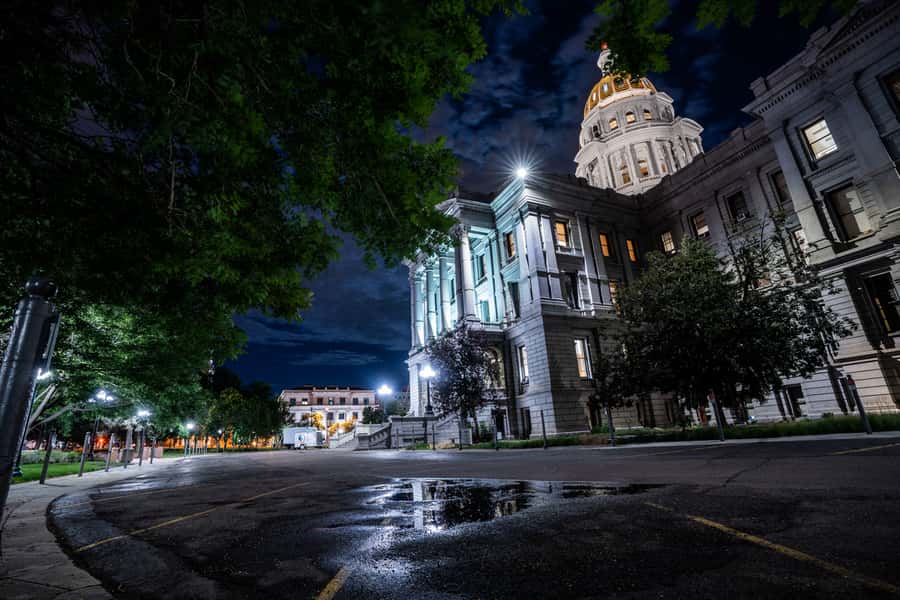
If you like your ghost tours grounded in real places, Denver Terrors is set up the right way. The Colorado State Capitol is the anchor. The tour’s story engine is simple: you stand near the Capitol, get set with context, then move through the area while the guide connects spooky claims to specific parts of the building and its surroundings.
This matters because the Capitol isn’t just an impressive backdrop. It’s tied to Colorado’s public life, architecture, and civic history, which makes the whole ghost premise feel less random. Instead of jump-scare theatrics, you get a guided conversation about what people associate with the building over time.
You’ll also want to pay attention early. Guides tend to set the tone fast: why the Capitol Hill neighborhood became a magnet for legends, what kinds of hauntings show up in stories, and how the tour’s later stops connect back to the same theme of tragedy, fame, and lingering questions.
You can also read our reviews of more tours and experiences in Denver.



Meet near The Closing Era statue: getting oriented fast
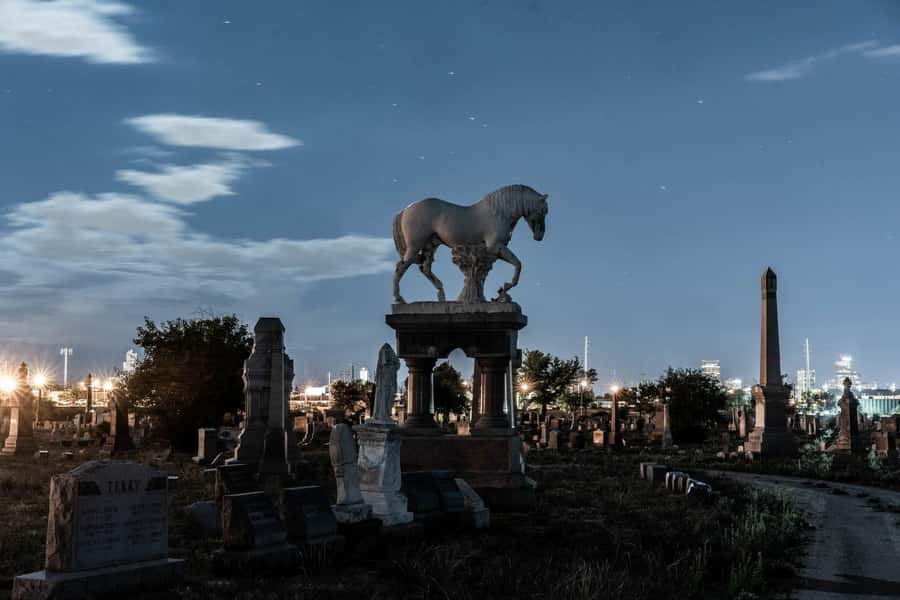
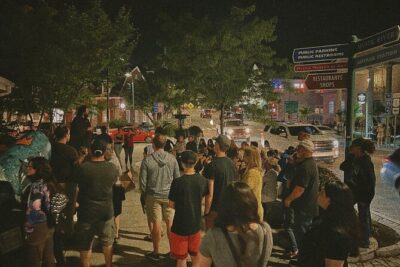
You’ll meet outside the Colorado State Capitol Building at the east entrance steps. Your handhold for finding the group is a Native American statue named The Closing Era, located halfway down Grant at Grant & Colfax.
That sounds like a lot of directions, but it’s actually helpful because it gives you an easy landmark. Use it. Arrive a few minutes early, take a quick look at street corners, and you’ll avoid that first-minute scramble that always kills the vibe.
One more practical point: the tour ends back at the meeting point. So you don’t need to worry about arranging a ride across town at the finish line. You’ll be deposited right where you started, which is great for pairing this with other Capitol Hill stops afterward.
The tour is a walking experience, and it’s rain or shine. Bring a weather plan (hat + layers in cold months, a light rain layer when the forecast flips). Comfortable shoes are non-negotiable.
Capitol Hill ghosts and the express security check
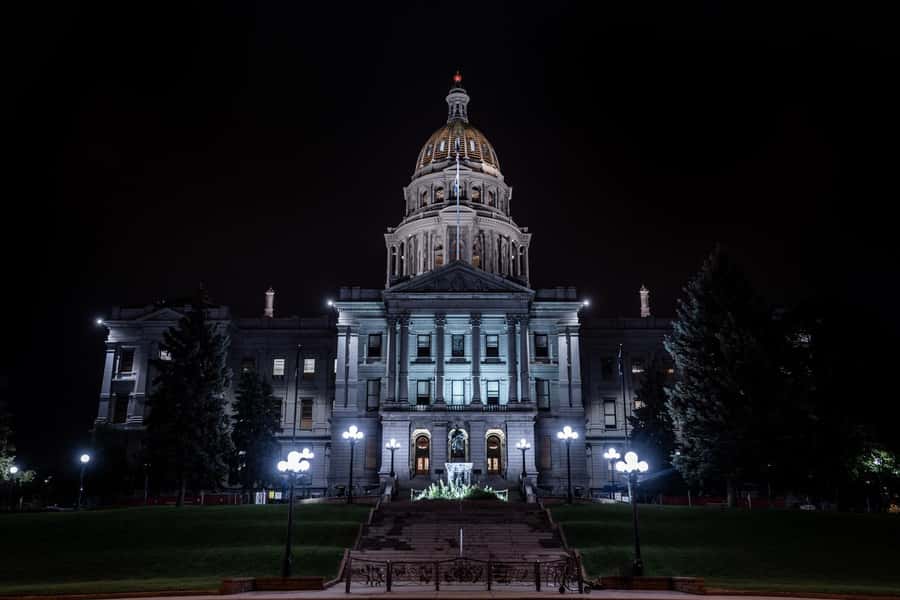
The tour begins with the Capitol Building portion, and it’s built around something you’ll feel immediately: the guide’s command of place. You’re not just hearing general “haunted building” talk. You’re hearing ghostly accounts tied to the Capitol’s spaces and the idea that supernatural sightings have been reported there.
A key perk is the express security check. That can save real time, especially when security lines form around major landmarks. It also keeps the tour moving so you spend more of your hour listening and less of it waiting around.
What should you expect during this segment? Think of it as a mix of orientation and story. The guide points out where you are, connects the setting to Denver’s past, and then layers in the eerie elements—unexplained occurrences and apparitions that people claim to have encountered. It’s the kind of storytelling that works best when you stay engaged: keep your eyes up, listen for the guide’s transitions, and don’t be shy about asking a question if your guide invites them.
Just remember: if your group is large, hearing can get harder near the start. If you can, position yourself so you have a clear line to the guide’s voice.
Acacia Apartments: tragic events and restless spirits
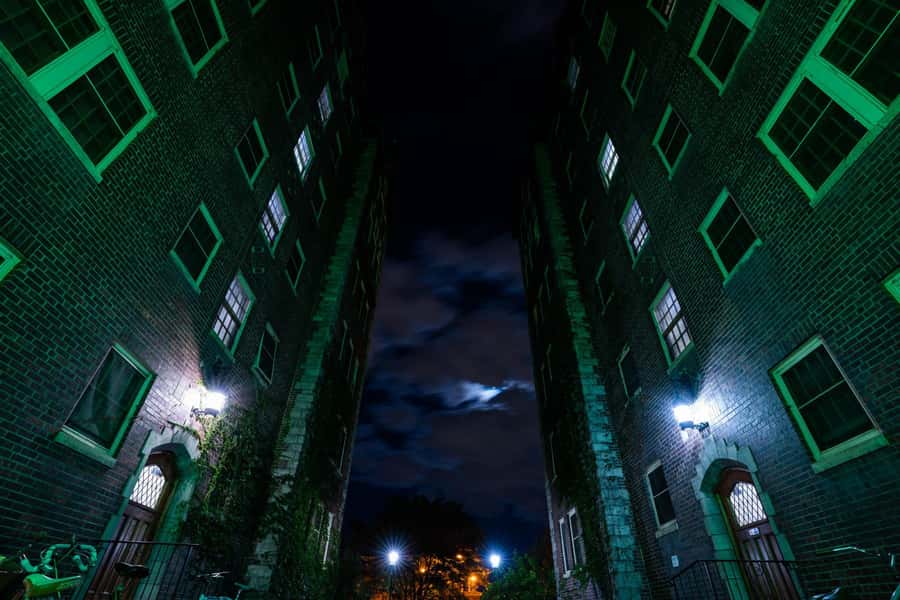
Next up is the Acacia Apartments, another major stop built around reported hauntings. The theme here is tragedy and aftermath—events that reportedly left marks on the building, and stories that suggest spirits linger long after the facts faded from daily life.
This stop works because it shifts the vibe from civic monument to lived-in neighborhood history. The Capitol feels public and monumental. The Acacia Apartments feels personal. That change can make the ghost stories hit differently, because you’re imagining ordinary life inside a historic structure, not just crowds moving through a landmark.
Your guide should connect the location to specific reported incidents and the types of hauntings people talk about there—then tie it back to the larger idea of why Capitol Hill became a hotspot for supernatural lore. You’ll likely hear names, dates, and incident-style details, along with the guide’s explanation of how the stories evolved over time.
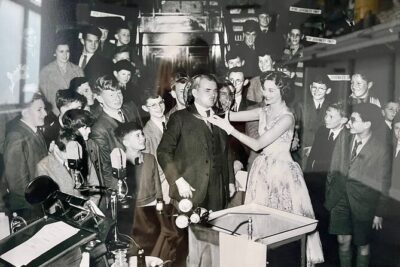
To get the most from this segment, don’t treat it like a photo stop. Treat it like a guided narrative moment. If the guide shows pictures, try to see them clearly and listen to what each image is meant to support.
Molly Brown House: famous Denver resident, haunting tales
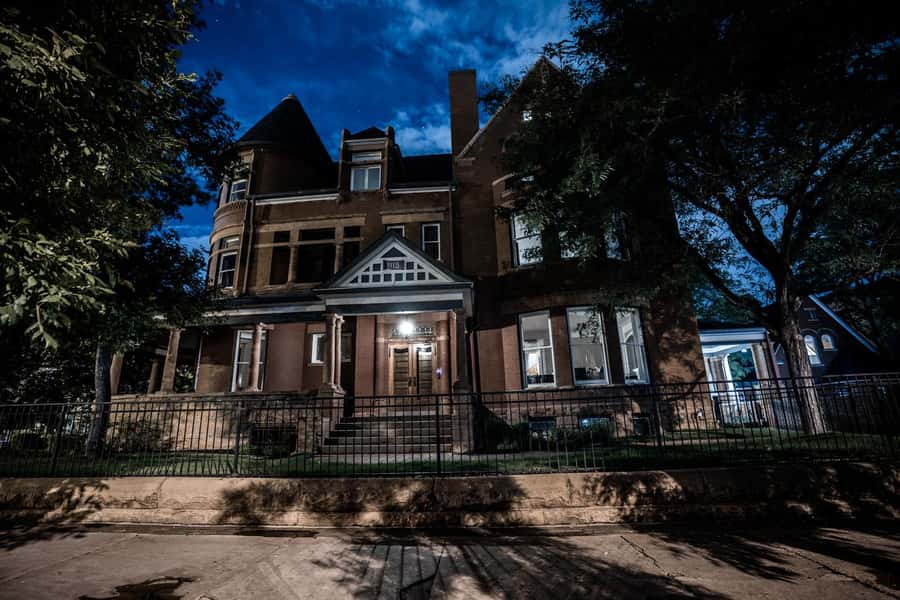
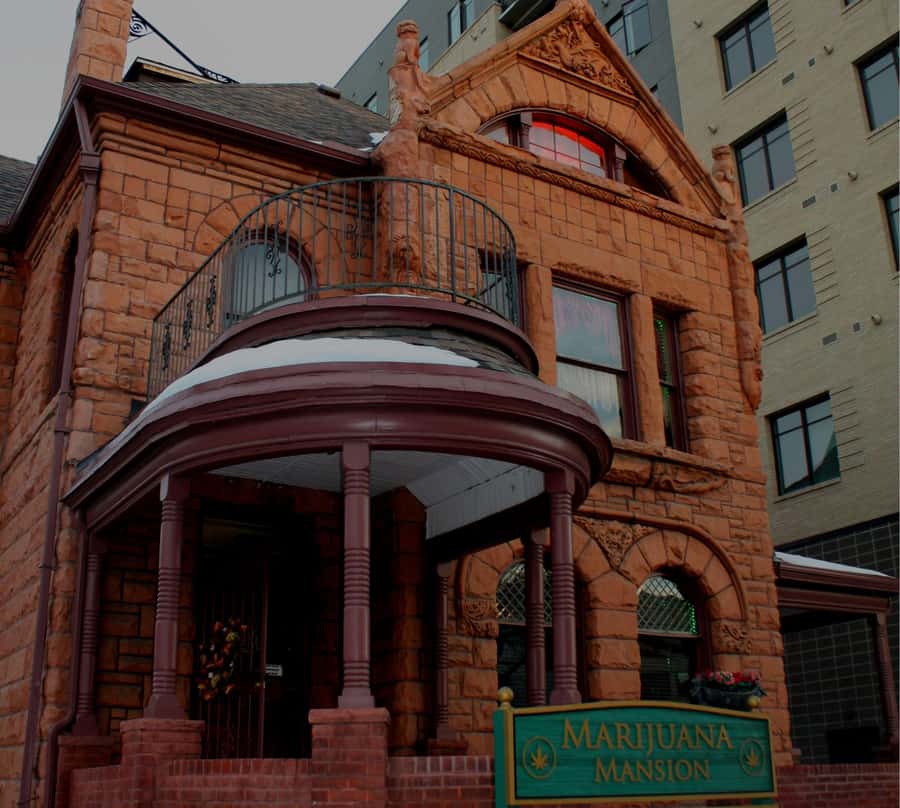
The Molly Brown House is the final signature stop, and it adds a twist: your guide frames the haunting stories around a famous Denver figure. It’s not just about a spooky building—it’s about a person, her home spaces, and the way her name keeps drawing attention long after her life on earth ended.
The tour describes exploring rooms associated with Molly Brown and hearing about ghostly encounters that have been documented within those walls. Even if you’re a skeptic, this angle is often more interesting than generic “there’s a ghost here” storytelling, because it ties the hauntings to a recognizable identity and a real place people visit for history.
What you should do during this segment is simple: pay attention to the guide’s pacing. Ghost tours often rush the finale because people want to “get to the good stuff.” If the guide is doing it right, they’ll slow down enough for you to absorb the connections between the rooms, the stories, and the reported experiences.
If the tour feels slightly short elsewhere, this stop is where it can land best. A guided explanation can make the house feel like a living story, not just a building you pass by.



Guides make or break a ghost tour: Jacob, Walt, and more
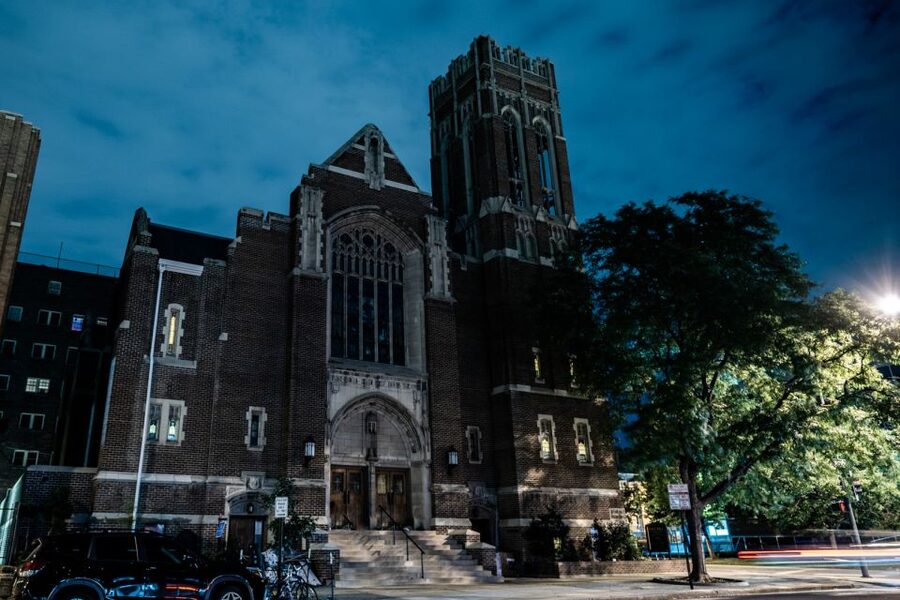
Denver Terrors has strong guide energy, and it shows up in the way the tour is described as funny, informative, and responsive to questions.
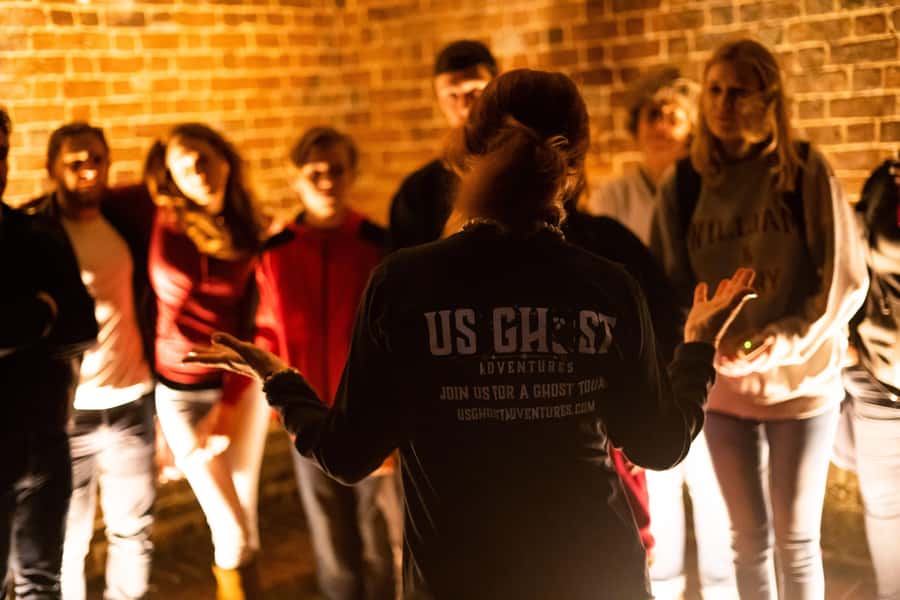
I like that guides such as Jacob and Walt come across as more than narrators. They engage. One standout example from the experience notes: Walt handled a group member who needed extra patience, slowed things down without losing the thread, and still kept everyone on track. That tells me the guides are trained to manage real groups, not just deliver a script into the air.
Other guide names appear too, including Eric and Jessica. Their role, as described, is to lead the group safely through crossings and keep the storytelling flowing—even when conditions (like cold weather or crowding) make it harder.
Here’s the practical takeaway for you: when you’re choosing your moment to stand in the group, don’t just pick a random spot. Pick the spot where you can hear the guide’s voice clearly. That one choice changes the whole experience.
How long is the walk, and what to wear in Denver weather
The standard tour duration is 1 hour, but you’ll want to check the available starting times when you book. In some cases, there’s also mention of a longer version (an extended tour), where the timing can run longer than the label suggests.
What matters most is that you’re walking. The tour notes you shouldn’t book if you can’t walk more than a mile. That doesn’t mean you’re doing an extreme trek, but it does mean you need endurance for a steady pace plus street crossings plus stopping and listening.
Also: it runs rain or shine. So don’t rely on Denver being predictable. Bring weather-appropriate clothing and plan for walking outside between stops.
Suggested basics:
- comfortable shoes you can wear for at least an hour outdoors
- a jacket or layers you can adjust if the weather changes
- a phone in silent mode, since video recording is not allowed
And one more detail that matters for comfort: you’ll be standing outside near major landmarks, so warmth and hand comfort can affect your ability to stay focused on the stories.
Price and value: is $36 worth it for an hour?
At $36 per person, this is a middle-of-the-road price for a guided, landmark-based walking tour. The value hinges on two things: how well the guide performs and how clear you can hear.
You get:
- a guided walking format (not just a self-guided route)
- multiple major stops in Capitol Hill’s haunted-tour circuit
- express security screening for the Capitol portion
- a live English-speaking guide
If you’re the type who enjoys history with a spooky lens, the price is easier to justify. You’re paying for interpretation—someone tying together the Capitol, the Acacia Apartments, and the Molly Brown House into one coherent hour. That’s the difference between reading about legends online and hearing a guide explain why they persist.
If you end up in a crowded group, the experience can feel shorter than it is, because details can get lost and photos can become hard to see. Still, even then, the tour can be worth it if you go in expecting a guided story walk with a strong narrative voice rather than a quiet, museum-style experience.
Who should book this ghost tour, and who should skip
This tour fits best if you want:
- a walkable haunted experience in Denver’s Capitol Hill area
- live guide storytelling in English
- a mix of a major landmark (the Capitol) plus neighborhood-level locations (like the Acacia Apartments)
- a finale tied to a well-known figure (Molly Brown)
Skip it—or at least think twice—if:
- you can’t walk more than a mile
- you’re very sensitive to cold or rain and don’t plan for weather layers
- you need a quiet, low-crowd experience; crowd size can make hearing tough
One more practical note: the tour doesn’t allow smoking, intoxication, or video recording. If you’re planning to film, this isn’t the right format.
Bottom line: should you book Denver Terrors
I think you should book Denver Terrors if you want a guided haunted walk that uses real landmark settings and strong guide energy. The Capitol start gives you an easy anchor, the express security check helps keep things on schedule, and the Acacia Apartments plus Molly Brown House keep the storytelling varied enough that you’re not stuck with one type of legend.
But book with your expectations set. It’s a one-hour walking tour, so you’ll feel the time pressure if your group is large or if you lose hearing in the crowd. If you can position yourself well and stay engaged with the guide’s photos and transitions, you’re likely to come away satisfied—spooked, entertained, and curious about the Capitol Hill stories that keep resurfacing.
FAQ
How long is the Denver Terrors Guided Ghost Tour?
The tour duration is 1 hour. Starting times vary, so you’ll want to check availability for when you can go.
Where do I meet for the tour?
Meet outside the Colorado State Capitol Building at the east entrance steps. Look for the Native American statue called The Closing Era halfway down Grant at Grant & Colfax.
What does the tour include?
It includes a walking tour and a live guide. It is designed as a guided experience with the guide leading you between the stops.
Do I need hotel pickup or drop-off?
No. Hotel pickup and drop-off are not included. The tour starts and ends back at the meeting point.
Is the tour wheelchair accessible?
The activity is listed as wheelchair accessible. At the same time, it also notes it is not suitable for people with mobility impairments and mentions it is not recommended for anyone who cannot walk more than a mile, so you should confirm what works for your specific mobility needs.
Does the tour run in bad weather?
Yes. The tour takes place rain or shine.
Are video recording and other behaviors allowed?
Video recording is not allowed. Smoking and intoxication are also not allowed.
How much does the tour cost?
The price is $36 per person.