REVIEW · TOKYO
Tokyo’s Scariest Shitamachi Ghost Tour
Book on Viator →Operated by Tokiotours · Bookable on Viator
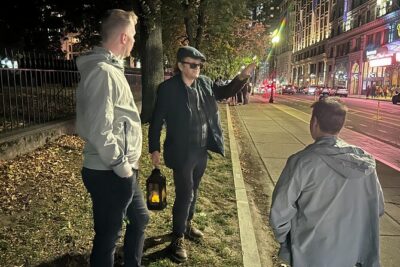
Tokyo turns spooky when the streetlights click on. This small-group ghost walk threads Shitamachi shrines and grim folklore through parts of the city most people speed past. I like that it’s not just jump-scares, it’s story-led, with real places and clear explanations along the way.
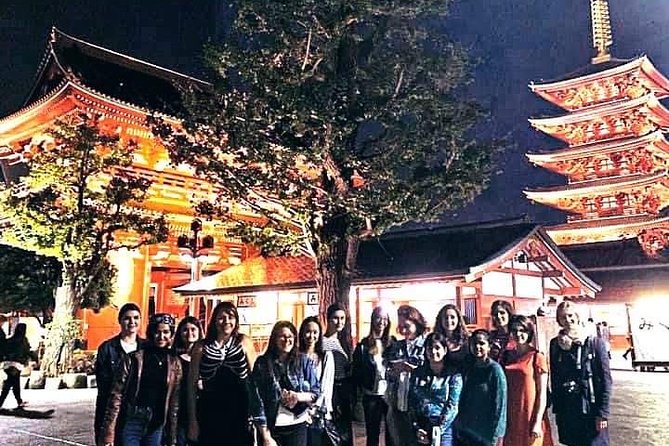
Two things I really like: the small group size (max 8) keeps the pace human and makes it easier to ask questions, and the evening timing adds atmosphere around Sensoji and the side streets. I also appreciate that you get a snack during dinner hour, so you’re not hunting for food while the legends roll in.
One possible drawback: it’s more of a dark culture-and-ghost folklore walk than a nonstop supernatural scare fest. If you want constant ghost sightings, you may find the supernatural side lighter than the title implies.
In This Review
- Key things to know before you go
- Shitamachi after dark: what this tour really feels like
- Small group pacing: why up to 8 travelers matters
- Price and logistics: transit isn’t included, but the snack is
- Otemachi shrine stop: why people avoid turning their backs
- Minamisenju legends: tragic worship sites and reported paranormal activity
- Asakusa at night: Sensoji, the Old Hag’s Pond, and shop-street energy
- How scary is it: grim folklore more than staged horror
- The storytelling craft: what makes guides like Joris and Maik work
- Snacks, shoes, and the 6:00 pm timing
- Getting to the start: Tokyo Station meets Asakusa
- Family-friendly, with a caution sign
- Who should book this tour, and who should skip it
- Should you book Tokyo’s Scariest Shitamachi Ghost Tour?
- FAQ
- How long is the Tokyo Shitamachi ghost tour?
- How much does the tour cost?
- Is public transportation included in the price?
- What’s included?
- Where do I meet and where does the tour end?
- What time does the tour start?
- How many people are in the group?
- Can this tour be suitable for families?
- Is cancellation refundable?
Key things to know before you go
- Small group, up to 8 people: easier conversation and more attention than the big-bus style tours.
- Family-friendly option: it can be made suitable for families, though some stories may feel heavy.
- Evening snack included: you’ll get one local snack since the tour runs around dinner time.
- Cash for transit: public transport costs extra (plan around 400 yen per person).
- Walking-heavy route: expect a serious amount of walking through shrine and temple areas.
- Ghost folklore + tragic history: the vibe is eerie, with spirits, deaths, and memorial stories mixed in.
Shitamachi after dark: what this tour really feels like
This isn’t the kind of ghost tour where someone shakes a chainsaw and calls it spooky. The creep factor here comes from Japan’s old urban legends and shrine-centered storytelling, told while you’re standing in the exact neighborhoods where people think these stories took root.
You’ll start in the Tokyo Station area and work your way toward Asakusa, keeping the pace slow enough to hear the stories but active enough that you’ll feel the night in your legs. The payoff is that Shitamachi feels different after dark: quieter, sharper, and more intimate than the daytime crowds.
The best part is the tone. Even when the stories get grim, the guide keeps it grounded in place—what the shrine is for, what people believed, and why certain locations matter.
You can also read our reviews of more tours and experiences in Tokyo.
Small group pacing: why up to 8 travelers matters
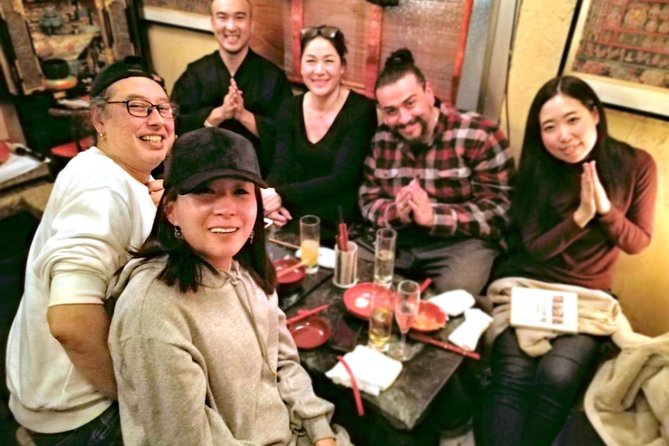
A max group of 8 changes the whole feel of a tour like this. In practice, it means fewer speed bumps, fewer lost faces, and less time spent waiting around.
It also means the guide can tailor the talk. Several guides associated with this experience have been praised for speaking clear English, being funny, and keeping the group comfortable while walking. Names that show up in past tours include Joris, Maik, Frank, Mike, Haruka, Melissa, Aaron, and Aiden—all described as friendly and engaged.
If you’re the type who likes to ask a quick follow-up question—why this shrine, why this legend, why this custom—you’ll probably appreciate the small-group setup.
Price and logistics: transit isn’t included, but the snack is
The price is $114.95 per person for about 3 hours (approx.). That’s not cheap, so you’ll want to treat it like a specialty storytelling experience rather than a casual walk.
Here’s what helps justify the cost. You get a guide who handles the storytelling, a local snack included (one snack since it’s an evening tour), and a tour built around specific shrine/temple stops that you might miss alone.
Two practical costs to plan for:
- Public transport fees are not included (around 400 yen per person during the tour).
- You should arrive ready to walk—no long breaks are built in, and you’ll want to eat before you go.
If you hate carrying cash, this is your moment to switch gears. Having a small amount ready for the train/fare saves stress.
Otemachi shrine stop: why people avoid turning their backs

Stop 1 is in the Otemachi area, and it sets the mood fast. You’ll be taken to a shrine where, according to the story you’ll hear, people working nearby avoid turning their backs out of respect—or fear—of a vengeful spirit tied to the location.
This is the kind of stop that works even if you’re not a hardcore horror fan. It’s basically a local belief made physical: how a community’s fear and respect shapes everyday behavior around a religious site.
The time here is short, about 20 minutes, so your best move is to be present and listen closely. Otemachi is also a good warm-up because it’s easy to see how the legend is tied to real surroundings, not just “somewhere spooky.”
Minamisenju legends: tragic worship sites and reported paranormal activity
Stop 2 is Minamisenju, and this is where the tour leans more into tragedy and aftermath. You’ll visit multiple places of worship in the area, including two separate locations with a truly tragic history and plenty of reports of paranormal activity.
What I like about this stop is the balance between place and meaning. The stories aren’t just told to shock you; they explain why these sites carry weight and why people might still feel uneasy walking past them.
This segment runs about 40 minutes, so you’ll get time for the guide to connect the dots: what happened, how it’s remembered, and where the supernatural claims fit into the broader culture.
Asakusa at night: Sensoji, the Old Hag’s Pond, and shop-street energy
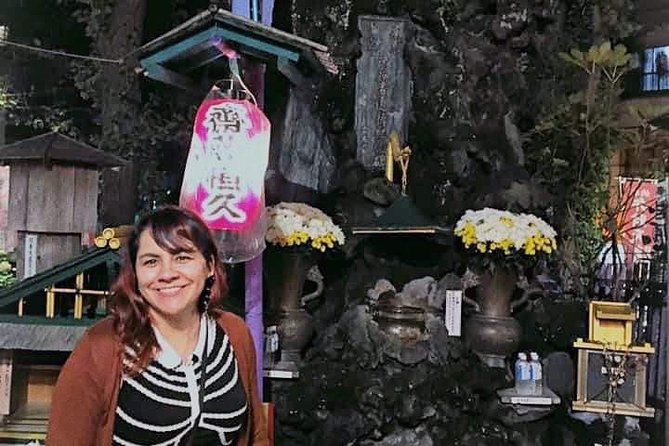
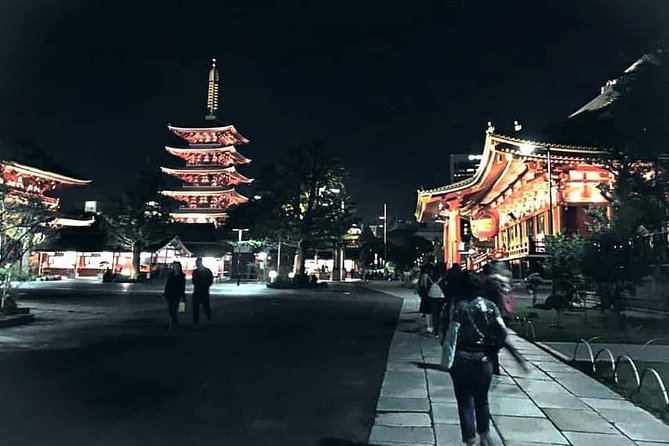
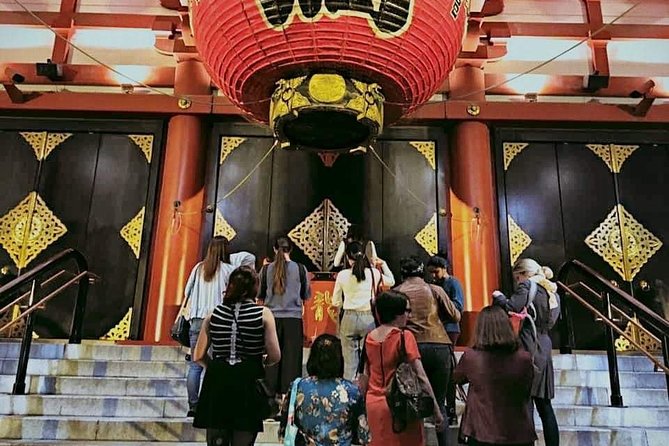
Stop 3 is Asakusa, and it’s the biggest block of the walk—around 1 hour 20 minutes. You’ll hit several classic and not-so-classic points around this temple district, including a viewpoint area, Sensoji, the streets near the temple, Old Hag’s Pond, and Kappabashi (the kitchenware street).
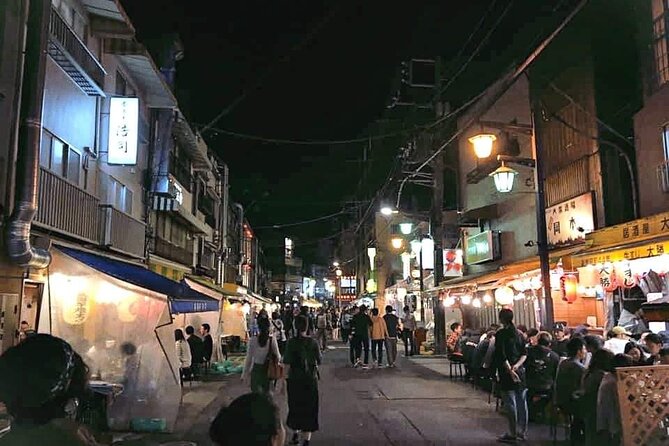
Even if you already know Asakusa by day, after 6 pm it feels more like a neighborhood than a postcard. You’ll likely notice how people move differently when the crowds thin out, and that matters for a tour like this.
This stop can be both beautiful and creepy, depending on what the guide emphasizes. Expect a mix of reverence (especially around shrine/temple space) and uneasy folklore tied to specific corners and stories.
There’s also a practical side: Asakusa is where you’ll have the most chance to take photos and pick your next night plan, since the tour ends right in the area.
How scary is it: grim folklore more than staged horror
The big question is usually, How scary is this thing really?
Based on the way the tour is described and how it’s talked about, the answer is: it’s creepy, but it’s not nonstop horror theater. A recurring theme is that some stories are “death and tragedy” themed, with spirits and folklore braided into cultural context.
That can be a plus. In Japan, the supernatural often shows up through ritual, memory, and how people try to manage fear. When the guide talks about spirits being appeased and why shrines matter, the mood becomes eerie in a grounded, human way.
But if you came expecting a stream of classic ghost sightings and punchy supernatural tales, you might feel a little underfed. Some people felt the number of overtly supernatural moments was limited, or that the strongest ghost material happened early and faded later.
My advice: go in with the right mindset. If you want a story walk about Shitamachi’s darker threads—death, legend, and how people respond—you’ll likely enjoy it. If you want constant scares, temper expectations.
The storytelling craft: what makes guides like Joris and Maik work
The tour lives or dies on delivery, and the guides associated with this experience get strong marks for making the walk feel personal and interesting.
A few guide traits show up again and again in the feedback:
- Clear English and smart, funny pacing
- A conversational vibe, not a monologue
- Comfort-first handling, so you’re not just dragged along
- Extra local context, so the sites make more sense than a label on a sign
Some guides—like Haruka—have been noted for going the extra mile with follow-up support after the walk, sending links to places mentioned. Others, like Joris and Maik, are praised for being engaging and for keeping stories vivid without losing the group.
So when you pick a time slot, try not to overthink it. The bigger variable is the guide’s style on that day—and the past track record suggests you’ll have a good one.
Snacks, shoes, and the 6:00 pm timing
This tour starts at 6:00 pm, which is smart for mood. The sun is down, temple and street lighting changes how everything looks, and the area feels like night life without the full late-night chaos.
You also get one local snack because it’s dinner time and the route can run long. Still, do yourself a favor and eat something before you meet up. There isn’t a dedicated dinner stop built in, and the walking doesn’t give you many chances to pause for a proper meal.
Wear comfortable shoes. This is a walking-intensive tour. One common theme is that the number of steps can add up quickly, and people end up grateful they wore sneakers instead of dress shoes.
Getting to the start: Tokyo Station meets Asakusa
You’ll meet at the Yamato Transport Tokyo Station Marunouchi North Exit Baggage Service Counter. The exact address is listed as Marunouchi, Chiyoda City, Tokyo near the North Exit dome area.
This is a good meeting point for first-time visitors because Tokyo Station is a clear landmark, even if the subways and station corridors make you want to sit down and rethink life. Once you’re with the group, the guide handles the flow.
The tour ends in Asakusa (near 1-chōme-2-35, Taito City). At the finish, the guide can drop you in the neighborhood—either near a restaurant/bar or at the entrance of the metro station.
That matters because you won’t be stuck at the far end of nowhere. You’ll already be in a place with food options and late-evening wandering.
Family-friendly, with a caution sign
The tour can be made family-friendly, which is great if your kids can handle dark stories in small doses. At the same time, the content can include tragic material and spirits, so younger kids might struggle with the mood.
If you’re booking with children, I’d treat it like a “dark storytelling” evening rather than a playful Halloween parade. Think of it as cultural folklore, told at night, with some heavy themes.
Who should book this tour, and who should skip it
Book it if you want:
- Small-group night walking with real Tokyo locations
- Storytelling that mixes folklore with religion and local belief
- A chance to see Asakusa’s temple streets and nearby corners in a quieter, spookier way
Skip it if:
- You want nonstop, movie-style ghost scares
- You hate walking with few breaks
- You expect transportation and dinner to be fully included
The sweet spot is adults and teen-friendly travelers who enjoy eerie legends, cultural rituals, and dark history told in a way that stays respectful.
Should you book Tokyo’s Scariest Shitamachi Ghost Tour?
If you’re torn, here’s my practical take. If the idea of a dark folklore walking tour appeals to you, this is the right kind of experience in Tokyo—especially with a small group and a guide who can keep the night moving.
If you’re chasing maximum supernatural drama, adjust your expectations. You’re signing up for a walk through Shitamachi where the scary parts are tied to spirits, memorial stories, and shrine logic—not just spooky sound effects.
My vote: book it for the atmosphere and the storytelling, and go in wearing comfortable shoes, holding some cash for transit, and treating the snack as just that—an extra, not dinner.
FAQ
How long is the Tokyo Shitamachi ghost tour?
It runs about 3 hours.
How much does the tour cost?
The price is $114.95 per person.
Is public transportation included in the price?
No. Public transport fees are not included and cost around 400 yen per person during the tour.
What’s included?
You’ll get a snack during the tour.
Where do I meet and where does the tour end?
You start at the Yamato Transport Tokyo Station Marunouchi North Exit Baggage Service Counter near Tokyo Station. You end in Asakusa, near 1-chome-2-35, Taito City.
What time does the tour start?
The start time is 6:00 pm.
How many people are in the group?
The tour has a maximum of 8 travelers.
Can this tour be suitable for families?
It can be made family-friendly, though some stories may be dark depending on the content shared that night.
Is cancellation refundable?
This experience is non-refundable and cannot be changed for any reason.