REVIEW · VALLETTA
The Original Valletta Ghost Tour
Book on Viator →Operated by Colour my Travel · Bookable on Viator
Valletta has a darker side—and it speaks. This 2-hour, fully narrated ghost walk in English threads frightening stories through real corners of Malta’s capital, led by Matteo. You’ll start in the center, head through narrow lanes, then finish near Fort St Elmo and the National War Museum.
I especially like two things: the small-group format (up to 25), and the way the route is built around specific landmarks, from Strait Street to Teatru Manoel and onward to Marsamxett. It’s not vague “spooky vibes”—you’re walking from one story-location to the next.
One consideration: this is a walking tour with no hotel pickup or drop-off, and some stretches can feel dark and tight. Wear comfortable shoes and plan to reach the meeting point yourself near Sette Giugno Monument.
In This Review
- Key Highlights You’ll Feel On This Walk
- A Two-Hour Valletta Ghost Walk That Stays Practical
- Meeting at St George Square: Where the Night Begins
- Strait Street: Spine-Chilling Stories on a Narrow Corridor
- Teatru Manoel: The Haunted Box Seat Moment
- Marsamxett and Manuel Island: A Plague-Era Detail That Hits
- One Full Hour in the Narrow Streets of Valletta
- Fort St Elmo Area and the National War Museum Finale
- What You Actually Get: Guide, Narration, and Small-Group Flow
- Who This Valletta Ghost Tour Suits Best
- FAQ
- FAQ
- How long is The Original Valletta Ghost Tour?
- What language is the tour offered in?
- Where do we meet for the tour?
- Where does the tour end?
- Is hotel pickup or drop-off included?
- Is the tour a small group?
- Can I cancel for a full refund?
- Should You Book This Valletta Ghost Tour?
Key Highlights You’ll Feel On This Walk
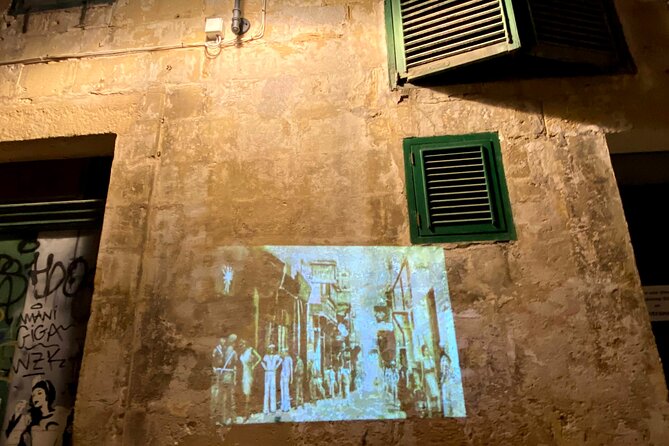
- Matteo’s storytelling connects spooky tales to real Valletta locations you can actually point to
- Small group size (max 25) makes the tour feel more personal than a big-city stampede
- Stop-by-stop narration takes you from St George Square to Strait Street and Teatru Manoel
- Plague-era context at Marsamxett adds an unsettling historical layer to the ghost theme
- A strong finale near Fort St Elmo closes with wartime shock factor from the National War Museum area
A Two-Hour Valletta Ghost Walk That Stays Practical
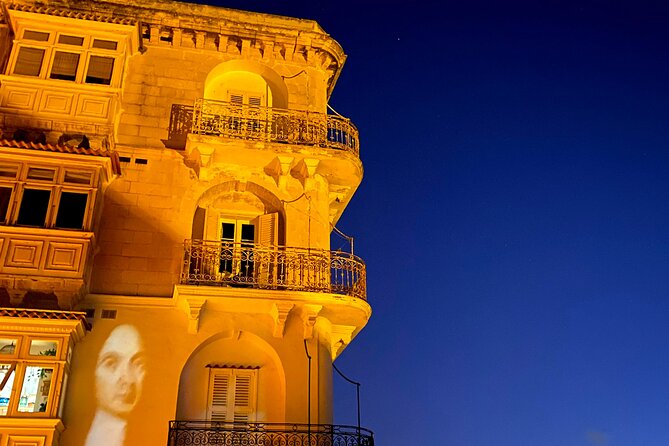
A ghost tour can go two ways: either it’s pure theatre with no map to where you are, or it’s a walk with enough structure that you remember what you saw. This one wins because it moves like a real outing—planned stops, real walking time, and a licensed guide who keeps the story flowing.
You’ll be on your feet for about 2 hours (approx.), in English, with a fully narrated route. The format also keeps the pace steady: meet, walk, stop, listen, then move again. If you only have a short window in Valletta, that matters. Two hours is long enough to feel like you did something, but short enough that you don’t burn your whole evening.
What makes it especially appealing is the mix of eras. The stories aren’t just modern creepiness. You get references stretching across the Knights of Malta period, the British reign, World War II, and then links to the present. That gives the tour a “past that refuses to stay past” feeling—without getting lost in confusing facts.
Meeting at St George Square: Where the Night Begins
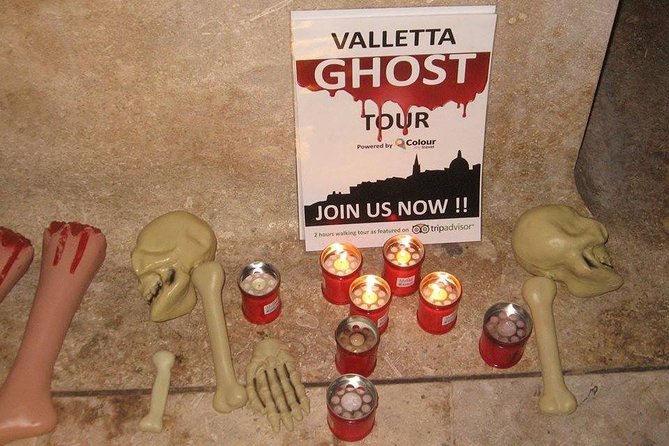
The tour starts at St George Square, where you meet your licensed guide. The exact start point is listed as the Sette Giugno Monument area on Archbishop Street, Valletta. That’s useful: it’s a concrete landmark, not a vague corner.
This first stretch sets the tone. You’re not thrown immediately into jump scares. Instead, you get the foundation—how the guide wants you to think about what comes next as you move from one spot to another. It’s a smart setup because the rest of the walk relies on you recognizing the places where the stories land.
Also, starting right in the center helps you adjust quickly. You’ll begin in daylight-friendly space and then gradually move into narrower, darker-feeling streets as the tour continues. That makes it easier to follow, especially if you’re watching the ground because the lanes can feel uneven.
Time at this start point is short—about 5 minutes—so you’ll want to arrive promptly and give yourself a few minutes to find the right spot and settle your group.
Strait Street: Spine-Chilling Stories on a Narrow Corridor
After the kickoff, you’ll head through Strait Street. This is one of those places that already feels “old city” before anyone mentions ghosts. The tour uses that built-in atmosphere well: you pass through and hear spine-chilling stories tied to what happened here.
The benefit of this stop is that it’s the first real “walk-and-listen” moment. You’re not just standing still waiting for a story to start—you’re moving, and the guide shapes your attention as the street opens and narrows around you.
This part lasts around 15 minutes. That’s long enough for the story to develop, but not so long you start to lose the thread or feel like you’re stuck in one spot while the rest of the group gets restless. It’s a good pacing choice for a nighttime theme.
A small practical note: this street area can feel busy depending on the time of night and the season. Since you’re in a group, you’ll want to keep your focus on the guide and be ready to shuffle forward when needed.
Teatru Manoel: The Haunted Box Seat Moment
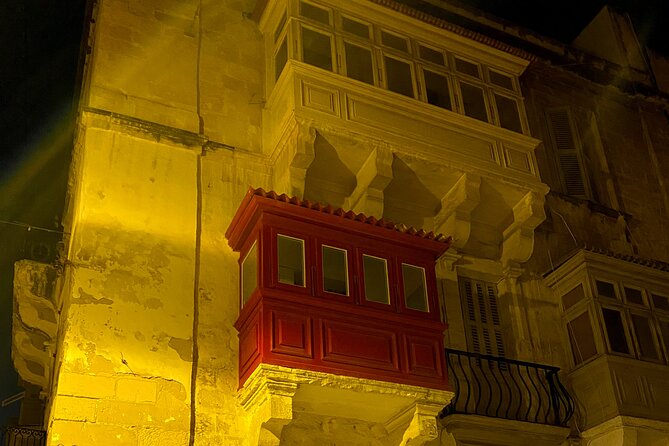
Next up is Teatru Manoel. The tour zeroes in on a specific question: which box is said to be haunted inside the theatre. That detail is what makes this stop more than a generic stop outside a famous building.
Theatre-related ghost stories often feel extra spooky because they blend performance with the idea of unseen presence. Here, the guide connects that spooky idea to place, so you leave knowing what to look for when you see the theatre later on your own.
This stop also runs about 15 minutes. It’s a perfect length for a landmark like this: you get the narrative point, you get oriented, and you don’t spend so much time that you miss the rest of the walk’s atmosphere.
If you like history that’s tied to human behavior—stage life, old rumors, fear moving through tight spaces—this is one of the moments you’ll likely remember most.
Marsamxett and Manuel Island: A Plague-Era Detail That Hits
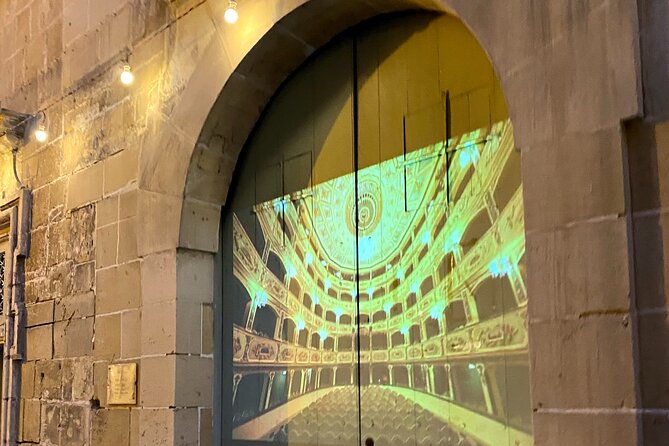
At Marsamxett, you get an eye-line toward Manuel Island. The story here is grim but fascinating: the island had a quarantine hospital built after an outbreak of plague.
This stop adds weight to the ghost theme because it brings the concept of fear down to real public health catastrophe. Instead of ghosts that exist only for entertainment, you’re looking at how societies responded to deadly illness—and how those places become legend over time.
The tour time here is about 15 minutes. It’s also listed with a note that admission is not included, which matters if you’re the type who assumes every stop involves entry somewhere. In practice, you should think of this segment as part of the narrative walk—orienting you to what’s visible and letting the guide supply the unsettling context.
If you’re coming to Valletta for both spooky fun and the kind of history that makes you look twice at the coastline and waterfront views, this stop is a highlight.
One Full Hour in the Narrow Streets of Valletta
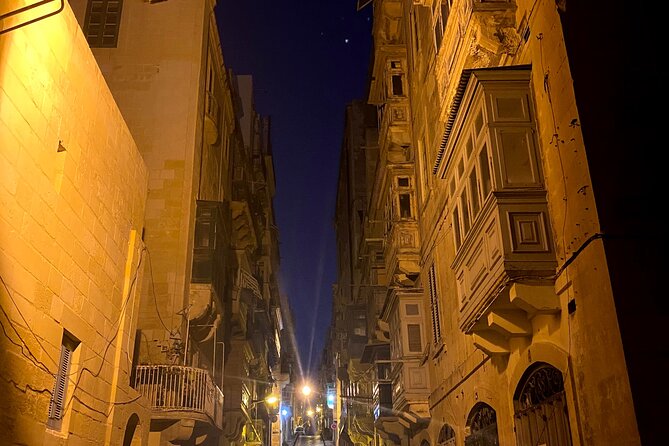
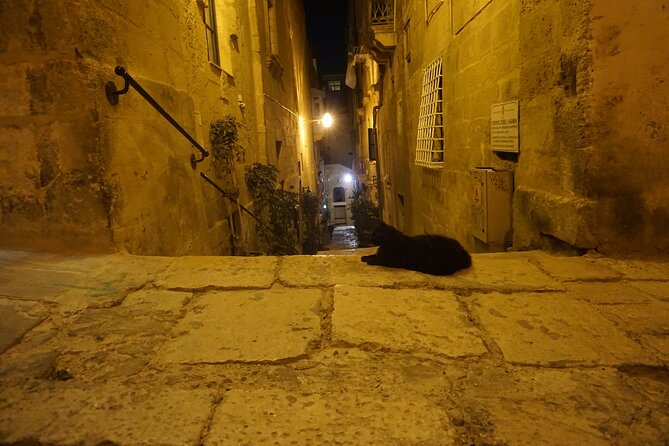
This is the stretch that turns a series of stops into an actual experience: about 1 hour walking through dark, narrow streets as the guide narrates horror stories of the past.
This segment is where the tour earns its name. The streets are the stage, and the pacing matters. You’re hearing stories while you’re inside the city’s tight geometry. That creates a feeling that the past is close—almost like the walls are listening too.
It’s also the part where your comfort matters most. Bring the things that keep you relaxed: comfortable shoes and a water bottle if you tend to get thirsty on evening walks. In one note from people who did this kind of outing, the advice was to pack water and dress for darker areas—so your focus stays on the story, not on your footing.
The best way to enjoy this hour is to slow down your own mind a bit. Follow the guide’s cues, look where they point, and let the setting do its job. If you try to read everything yourself or take constant detours for photos, you’ll lose the narrative thread.
Fort St Elmo Area and the National War Museum Finale
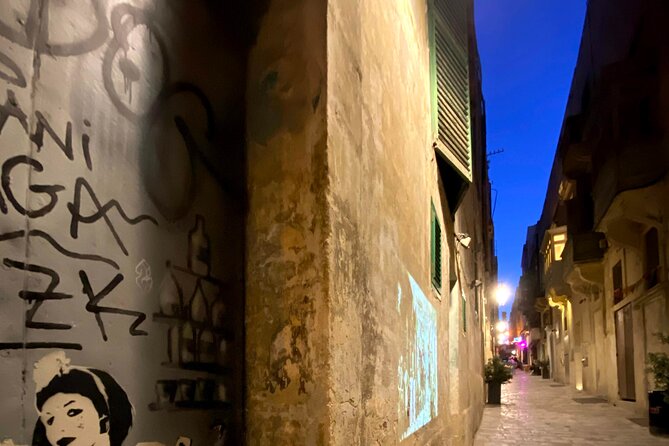
The tour finishes near Fort St Elmo and the National War Museum. The storytelling lands there with a question that lingers: what has happened there, and whether it is still happening in some form.
This ending matters because it shifts the tone from older legends to more recent, human-made horror. World War II history is specifically referenced in the tour’s broader storytelling arc, and ending near a war museum area makes sense. You get a last punch of seriousness before you go back into regular city life.
Time at the final stop is about 10 minutes. It’s short, but it’s a strong close because the walk already built a mood. You end while your brain is still in “watch and listen” mode, not when you’ve already mentally checked out.
If you want to keep going after the tour, this area gives you a natural next move. Even if you don’t go inside the museum, you’ll have a clearer idea of why this place is central to the stories you just heard.
What You Actually Get: Guide, Narration, and Small-Group Flow
Here’s what’s included: a professional guide who runs a fully narrated tour in English. The guide is licensed, and the format is designed for a manageable group size—up to 25 participants.
That small-group cap is more than a comfort detail. It affects how well you hear the story, how easily the guide can pause for questions, and how smoothly the group can move through tight lanes. In a bigger group, ghost tours often turn into a loud shuffle where you catch only half the narration. Here, the odds are better that you’ll keep up.
You also get a mobile ticket, and confirmation happens at booking time. There’s no hotel pickup or drop-off, so you should plan to get yourself to the meeting point near Sette Giugno Monument on Archbishop Street.
The tour also notes that service animals are allowed, and it’s near public transportation. That combination makes it easier if you’re juggling mobility needs or you’d rather keep your feet for the tour itself.
Who This Valletta Ghost Tour Suits Best
This is ideal if you want your night activity to be more than a random wander. You’ll enjoy it if you like:
- history connected to real streets and buildings, not just a spooky script
- a structured walking route where each stop has a reason
- a guide who ties stories to different time periods, from the Knights of Malta era and British reign through World War II
It also has a fun social side. One review described it as a team-building event, which makes sense: you’re doing something active together, you’re sharing reactions during the darker stretches, and you’re ending with stories you can talk about on the walk back.
If you’re easily spooked, pace yourself. This isn’t built around jump scares—more like guided storytelling with an atmosphere of dread. But it still has enough night-walk energy that you’ll want to stay alert, especially in darker sections.
FAQ
FAQ
How long is The Original Valletta Ghost Tour?
It runs for about 2 hours (approx.).
What language is the tour offered in?
The tour is offered in English.
Where do we meet for the tour?
You meet at Sette Giugno Monument, 111 Archbishop St, Valletta, Malta.
Where does the tour end?
The tour ends near Fort St Elmo and the National War Museum, at Mediterranean Street, Valletta.
Is hotel pickup or drop-off included?
No, hotel pickup and drop-off are not included.
Is the tour a small group?
Yes. It has a maximum of 25 travelers.
Can I cancel for a full refund?
Yes. You can cancel for a full refund if you cancel at least 24 hours before the experience starts.
Should You Book This Valletta Ghost Tour?
Yes, if you want a 2-hour night plan that’s structured, guided, and built around specific Valletta locations instead of vague folklore. This one is strong for people who like their fear mixed with real-world context—ranging from older eras to World War II—and who enjoy walking through the city while the story unfolds.
I’d skip it or plan carefully if you dislike walking at night or if you rely on hotel pickup. Since there’s no pickup, you’ll need to get to the meeting point near Sette Giugno Monument yourself, and some streets can feel dark and tight.
If that sounds like your kind of evening, book it. It’s the kind of tour that leaves you looking at Valletta differently long after you’ve finished the last stop near Fort St Elmo.