REVIEW · BIRMINGHAM
The Birmingham Ghost Walk – Hotels Churches and Riots Tour
Book on Viator →Operated by The Birmingham Historic Touring Company · Bookable on Viator
Ghosts share Birmingham’s sidewalks at night. This guided night walk lets you peer into eerie churches and historic hotels while learning the real downtown stories people usually skip. Two things I especially like: the sites are close together, so the walk feels manageable, and the guide ties hauntings to architecture and local context. One possible consideration: this is an outdoor experience in changing weather, so wear shoes you can trust and dress for the forecast.
You meet downtown at 285 20th St N at 8:00 pm, and you’re usually finished in about 1 hour 30 minutes to 2 hours. The group stays small (up to 30), which helps you hear the guide clearly and keeps the stops from feeling rushed. I also like that it uses a mobile ticket, so you’re not juggling paper while you’re trying to follow along.
The vibe is equal parts spooky and historical, with the guide pointing out details you’d miss if you walked past on your own. You’ll make stops at places tied to hotels, churches, and even a former jail/execution area that became the Downtown YMCA.
In This Review
- Key highlights you’ll feel right away
- From haunted shop to courthouse-era shadows: how the night flows
- Stop 1: the haunted shop, 13 Artifacts, and where the story begins
- Stop 2: Cathedral Church of the Advent and a graveyard you can miss in daylight
- Stop 3: Hampton Inn & Suites Birmingham-Downtown-Tutwiler and the knock story
- Stop 4: D. O. Whilldin office, old boarding-house seances, and eerie atmosphere
- Stop 5: the Redmont Hotel stop—and the chance to step inside
- Stop 6: First Presbyterian Church of Birmingham and the architecture-first fright
- Stop 7: Downtown YMCA and the Jefferson County Jail execution site history
- Price and value: what you get for $59
- Timing and weather: how to dress for a night walk
- Group size, guide style, and what to expect when you show up
- Who this tour fits best (and who might want a different night plan)
- Should you book the Birmingham Ghost Walk?
- FAQ
- What’s the start time and how long is the tour?
- How much does the Birmingham Ghost Walk cost?
- Where do I meet, and does the tour end nearby?
- Is transportation included?
- What languages is the tour offered in?
- Does the tour run in bad weather?
Key highlights you’ll feel right away
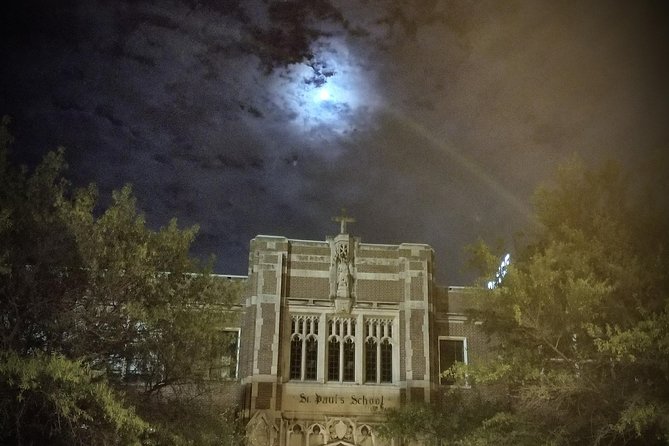
- A tight downtown route: short walks between stops, built for night wandering without long detours
- Real places, not set dressing: churches, hotels, offices, and a jail-site YMCA with story-based context
- Historic architecture in the spotlight: you’ll hear what the buildings were for, then why they became part of the lore
- Haunted hotel moments: stories tied to the Tutwiler and the hotel that’s now part of modern downtown life
- Small-group potential: on the Redmont Hotel stop, there’s a chance (with a small group) to step inside
- A guide who blends tone and facts: expect humor and history layered together, not just spooky sound effects
From haunted shop to courthouse-era shadows: how the night flows
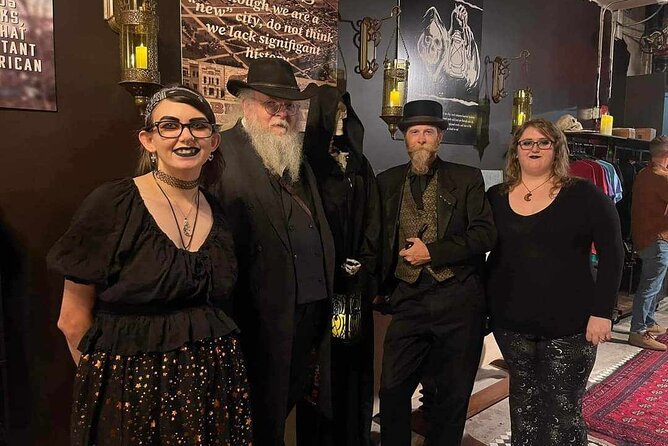
This is a walking tour designed for downtown. You start at a specific meeting point at 8:00 pm, and the guide brings you to a sequence of stops that you can actually connect in your head. The pacing matters here: you’re not sprinting across Birmingham. You’re taking short breaks to look at buildings, then listening for the story behind them.
The tour also leans into a particular kind of atmosphere: churches after dark, old hotel sites, and institutional buildings that carry an extra weight even in daylight. It’s not only about fear. It’s about why these places became stories in the first place—who lived there, who worked there, and what events marked the city.
You can also read our reviews of more tours and experiences in Birmingham.


Stop 1: the haunted shop, 13 Artifacts, and where the story begins
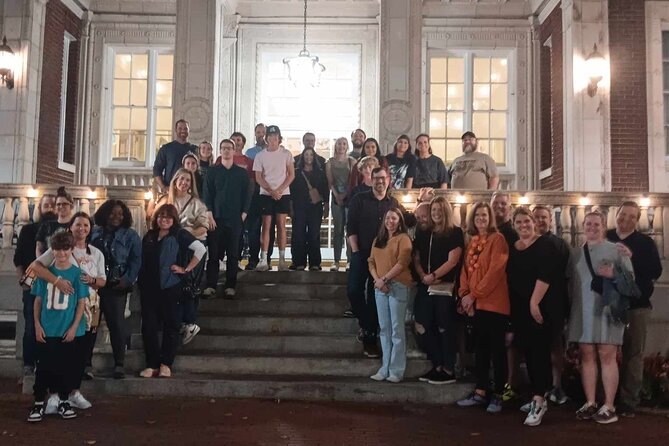
You kick things off in the tour’s shop at 285 20th St N, a historic haunted place where the evening gets going fast. This first stop sets the tone with some creepy background and a key story connected to one of the 13 Artifacts from the show of the same name.
Practically, this is a smart starting move. It warms you up with the rules of how the guide tells the stories—what to watch for, what details matter, and how the hauntings connect to real people and real buildings. If you’re the type who wants a little context before you get spooked, this opening helps.
Stop 2: Cathedral Church of the Advent and a graveyard you can miss in daylight
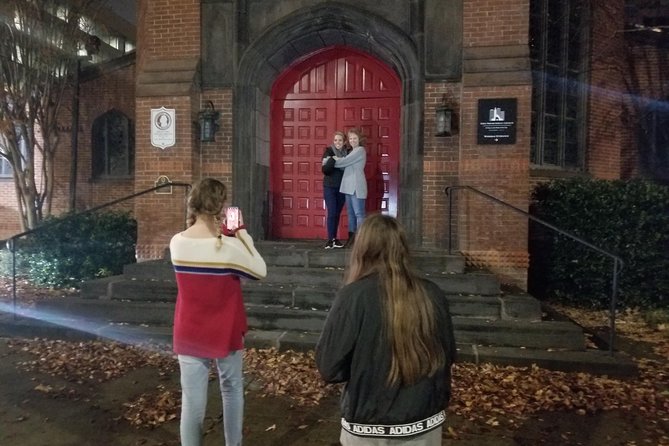
Next you head to Cathedral Church of the Advent, with stops nearby that help you orient the history of downtown. The guide works in the Clark Building and the original location of the Tutwiler Hotel, so you’re not just hearing names—you’re seeing where the story footprint begins.
Then comes the church itself, described as a historic haunted church with a hidden graveyard. This is where the tour often feels most grounded. Churches are built to endure, and cemeteries and burial places naturally carry an old-city presence. Even if you don’t consider yourself a ghost-tour person, you’ll probably appreciate the way the guide points out what the space was for and why it becomes part of the lore.
What to watch for: take your time at the edges of the church grounds. The “hidden graveyard” detail is the kind of thing you can overlook when you rush by.
Stop 3: Hampton Inn & Suites Birmingham-Downtown-Tutwiler and the knock story
From the church area, the tour moves to the Hampton Inn & Suites Birmingham-Downtown-Tutwiler. Here you get a chance to connect the past hotel world to a modern downtown address—because the Tutwiler name lives on even after the building’s purpose has changed over time.
This stop focuses on the historic haunted hotel idea, including a story about a little girl that knocks. Whether you take the haunting literally or treat it as folklore, this kind of story does two useful things: it puts a human character into the building’s timeline, and it turns an ordinary hotel exterior into something you’ll remember.
Small advantage: the hotel stop is relatively short, so you won’t feel trapped in one place too long. It works as a momentum point before you head toward more “institutional” locations.
Stop 4: D. O. Whilldin office, old boarding-house seances, and eerie atmosphere
Now you’re at the D. O. Whilldin office, an interesting building stop where the guide brings in the seances held at the boarding house that was here before. This is a different flavor of haunting than a hotel or a church. It’s more about the strange human practices that can grow around a location—belief, fear, and stories passed along until they harden into tradition.
In my opinion, this stop is a good reminder of how ghost stories spread. It usually isn’t one event. It’s repeated telling, plus a physical place that makes the story feel believable.
If you’re sensitive to heavy topics, this is the stop where you might want to mentally dial in your preferred level of spooky. The tour stays storytelling-focused, but seance history tends to feel darker than simple “mystery noises” tales.
Stop 5: the Redmont Hotel stop—and the chance to step inside
Next up is the Redmont Hotel Birmingham, Curio Collection by Hilton. The guide gives you its storied history and hauntings, and there’s also a possible bonus: with a very small group, there’s the chance to step inside.
That matters. Looking at a building from the sidewalk is one thing. Being able to see parts of the interior (when it happens) makes the story feel less theoretical. Even a brief interior moment can change how you picture the past—hallways, entrances, and the way people would have moved through the space.
Keep your expectations flexible. Not every group will get an indoor peek, so treat the exterior experience as the main event. Still, it’s a nice perk if it works out.
Stop 6: First Presbyterian Church of Birmingham and the architecture-first fright
At First Presbyterian Church of Birmingham, the focus shifts to an architectural and haunted historic marvel. This is another stop where the building itself becomes part of the story, not just a backdrop.
Church architecture tends to carry built-in drama: solid stone, pointed shapes, and spaces that amplify echoes. That’s a perfect setting for a guide who wants you to notice details. You’ll likely come away remembering specific features because the guide connects them back to how people used the space and what happened in or around it.
Short version: this is the “look closer” stop. Don’t treat it like a quick photo stop. Pause, listen, and let the guide point out what to observe.
Stop 7: Downtown YMCA and the Jefferson County Jail execution site history
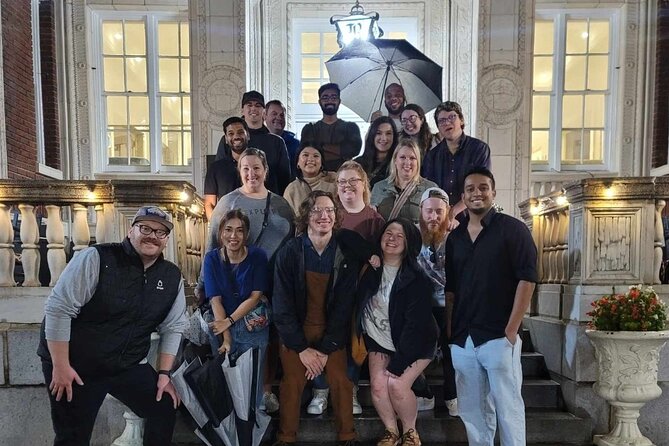
The final stop takes you to the Downtown YMCA, built on the former site of the Jefferson County Jail. This is the part of the tour with the clearest historical seriousness: the site was used for county executions until 1925.
This is also the stop that most strongly changes how you think about downtown. A YMCA is filled with everyday energy and routines, but it’s sitting where something brutal and final once happened. That contrast is part of what makes the story stick.
If you want one “take-home” moment from the tour, this could be it. You’ll likely leave remembering that the downtown you move through now has a past you can’t see unless someone shows you where to look.
Price and value: what you get for $59
At $59 per person, you’re paying for a timed, guided walk with a professional guide and access to the story-focused stops. You’re also paying for convenience: the stops are close enough that the route stays walkable, instead of turning the evening into a series of rides and detours.
A big value factor is the structure. This isn’t a generic ghost walk where every stop feels identical. It’s built around specific kinds of places—churches, hotels, and the old jail/justice footprint. That variety can make the whole evening feel less repetitive and more like a real introduction to Birmingham.
I also like that the stops list free admission tickets for the sites you visit. It’s not about “saving money on entry,” but it does help you avoid getting derailed by fees or complicated access questions while you’re already on the clock.
Timing and weather: how to dress for a night walk
The tour runs at 8:00 pm and stays out long enough that you’ll feel the temperature shift. The experience operates in all weather conditions, so dress appropriately. That means more than just “bring a jacket.” It means wear layers you can move in and shoes with decent grip.
Here’s what I’d do: bring a rain shell or an umbrella substitute, and plan to keep your hands free (phone charged, mobile ticket ready). The stops require you to stand and listen, often with limited time to warm up between locations.
If it’s hot or humid, the same rule applies. Walking downtown for up to 2 hours at night is still walking—aim for breathable clothes.
Group size, guide style, and what to expect when you show up
With a maximum of 30 people, you usually get a more controlled soundscape than big-city tours. Smaller groups mean the guide can move you between stops with fewer slowdowns and keep your attention from drifting.
Guide style seems to vary, but the consistent theme is storytelling that blends humor with place-based detail. Names that show up in people’s experiences include Erica, David, Danielle/Daniella, and Dani/Danni. That’s useful because you can infer what kind of energy different guides bring—some emphasize humor and photos, others balance history with spooky beats.
One practical tip: arrive a little early and be ready to start on time. Night tours are easy to miss if you show up late, because parking and downtown walking can eat minutes quickly.
Who this tour fits best (and who might want a different night plan)
This is a strong fit if you want:
- a first-time introduction to downtown Birmingham that doesn’t feel like a textbook
- a spooky-but-meaningful night out where the guide connects stories to buildings
- an easy walking plan that stays under about 2 hours
It may not be ideal if you want an experience built around heavy special effects or lots of jump scares. This tour’s strength is the places and the storytelling, including architecture and historic context.
Should you book the Birmingham Ghost Walk?
Yes, I’d book it if you like your ghosts attached to real streets and real architecture. For $59, you’re getting a compact downtown route with a professional guide, plus a mix of haunted churches, old hotel lore, and a serious look at the jail-site history beneath today’s YMCA.
My advice for making the most of it: wear comfortable shoes, keep your phone charged for the mobile ticket experience, and come with a curious mindset. Even if you don’t fully buy into hauntings, the walk-and-listen format makes downtown feel personal in a way a drive-by never does.
If you want a fun, spooky night with actual Birmingham context baked in, this one is an easy yes.
FAQ
What’s the start time and how long is the tour?
The tour starts at 8:00 pm and typically runs about 1 hour 30 minutes to 2 hours.
How much does the Birmingham Ghost Walk cost?
It costs $59.00 per person.
Where do I meet, and does the tour end nearby?
You meet at 285 20th St N, Birmingham, AL 35203, and the tour ends back at the meeting point.
Is transportation included?
No. Transportation to and from the attractions is not included.
What languages is the tour offered in?
The tour is offered in English.
Does the tour run in bad weather?
It operates in all weather conditions, and you should dress appropriately. If it’s canceled due to poor weather, you’ll be offered a different date or a full refund.
If you want, tell me your travel dates and whether you’re visiting in cold rain or warm weather—I’ll help you plan what to wear and how to structure your evening around the 8:00 pm start.