REVIEW · PROVIDENCE
Providence Ghost Tours: Phantoms, Poltergeists, & Pestilence
Book on Viator →Operated by Ghosts of Providence By Us Ghost Adventures · Bookable on Viator
Providence feels different after dark. This guided ghost-and-history walk strings together major landmarks, from the Rhode Island Holocaust Memorial to a Lovecraft-related house on Benefit Street. I love how the stories tie into real places you can see and stand beside, and I also like the pacing of a one-hour route that still covers a lot of ground. One possible drawback: the spook factor can run more literary-history than full-on jump-scare horror.
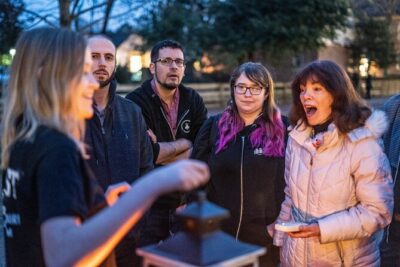
Guides matter here. On my favorite versions of this tour, people like Riley, Zee, and Nicole bring the night to life with sharp storytelling and good crowd control, so it feels like a thoughtful walk—not just “point and go.” Still, keep your expectations grounded: you’ll get plenty of atmosphere and eerie lore, but the mix depends on the guide and the night.
In This Review
- Key highlights worth knowing
- Providence Ghost Tours: What the $32 Ticket Really Buys
- The Walk Itself: Hills, Pace, and How One Hour Adds Up
- Stop-by-Stop: Holocaust Memorial Shadows to Lovecraft on Benefit Street
- Stop 1: Rhode Island Holocaust Memorial Park
- Stop 2: Providence Athenaeum
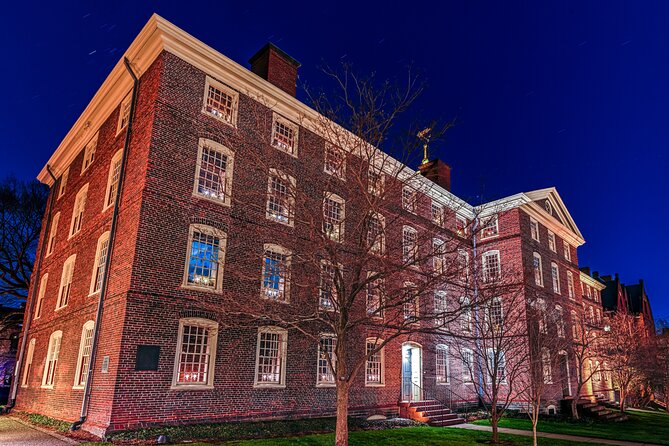
- Stop 3: University Hall at Brown University (built 1770)
- Stop 4: Lippitt House Museum (Edward Dexter House)
- Stop 5: Roger Williams National Memorial and the Tree Root Incident
- Stop 6: 135 Benefit St and Lovecraft’s The Shunned House
- Stop 7: Fleur-de-lys Studio (built 1885)
- How the Stories Are Built: Literature, Lore, and Historic Weight
- Who Should Book This Tour (and Who Might Want a Different Night Plan)
- Practical Tips to Get More Fright per Step
- Should You Book Providence Ghost Tours?
- FAQ
- How long is Providence Ghost Tours?
- Where does the tour start and end?
- What’s included in the ticket price?
- Do I need to pay admission fees at the stops?
- What language is the tour offered in?
- Is there a mobile ticket?
- Are service animals allowed?
- Is the tour wheelchair-friendly?
- Is the tour a good fit if I want lots of scary moments?
- How far in advance should I book?
Key highlights worth knowing
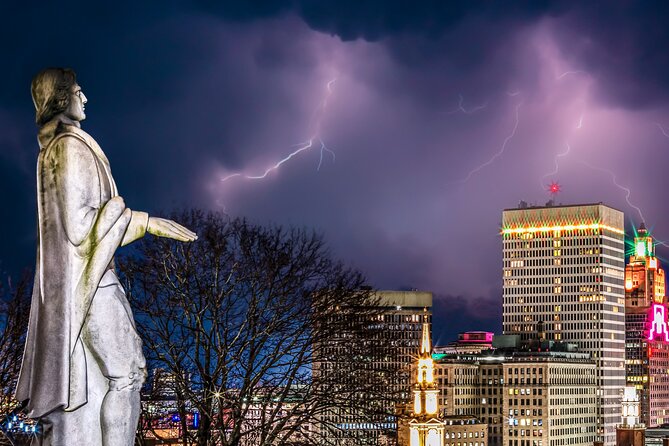
- Real locations, real context: Holocaust Memorial, Providence Athenaeum, Brown University, and more
- Free entry at each stop: you’re not paying separate admissions to see the sights included
- Literature-heavy eerie tales: names like Sarah Helen Whitman, Edgar Allan Poe, and Lovecraft show up
- Short tour, big variety: about an hour, ending at Fleur-de-lys Studio on Thomas St
- Small group size: capped at 35 people
- Bring good walking shoes: the route includes hills and uneven pavement
Providence Ghost Tours: What the $32 Ticket Really Buys
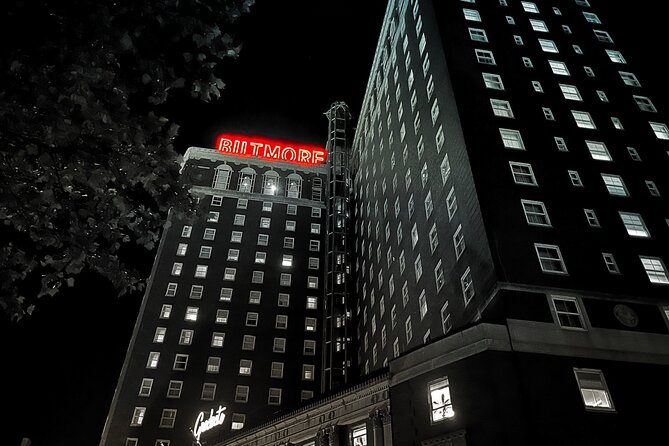
At $32 per person for about an hour, you’re paying mostly for two things: a local guide who links scary stories to specific buildings, and a route that hits multiple “you can’t miss this” stops in Providence’s historic core.
A nice value detail is that the tour format includes free admission tickets for the listed sights. That matters because many tours look cheap until you add entry fees. Here, you can focus on walking, listening, and soaking up the night vibe without surprise costs at the gate.
It’s also a practical ticket for groups and repeat visitors. Providence is compact, so a one-hour evening walk can be a perfect second activity after dinner—or a first step if you want to get your bearings fast before you explore more on your own.
You can also read our reviews of more tours and experiences in Providence.


The Walk Itself: Hills, Pace, and How One Hour Adds Up
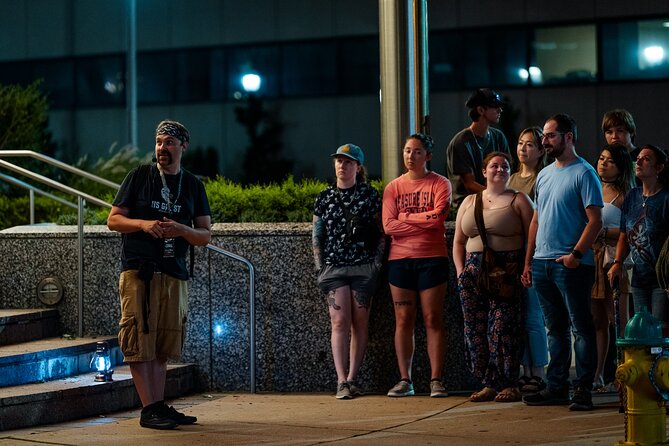
This is a moderate physical fitness kind of walk, and you should expect hills—some nights feel steeper than others, but the terrain is part of the deal. Several stops sit around the Providence historic districts and College Hill area, where slopes and curbs show up more than you’d want on a lazy evening.
The operator lists the tour as wheelchair-friendly, but I’d treat that as “confirm the specifics” if mobility is a concern. The route includes up-and-down streets and uneven sidewalks, and even people in decent shape can feel the burn on a fast-moving group schedule. If you or someone in your group uses a mobility device, ask ahead how the guide handles pace and turning points.
A small tip that I think really helps: bring a flashlight if you’re comfortable doing so. Uneven pavement and dark corners make it easier to keep your footing and stay oriented.
Stop-by-Stop: Holocaust Memorial Shadows to Lovecraft on Benefit Street
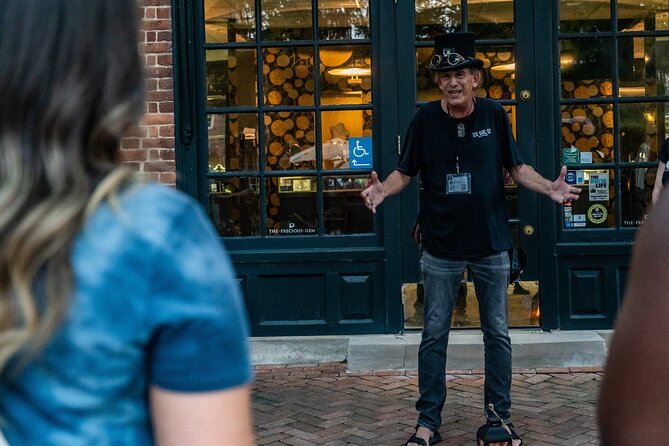
You start at the Rhode Island Holocaust Memorial Park on S Main St. From there, the tour moves stop to stop, each location layered with history and a thread of the eerie. The final stop is the Fleur-de-lys Studio at 7 Thomas St, where the guide finishes the story set before turning you loose.
Stop 1: Rhode Island Holocaust Memorial Park
This is where the tone sets itself. Dedicated in 2015, the memorial honors the six million Jews and countless other victims of the Holocaust. It’s a place for reflection first, which makes the reported eerie encounters—shadowy figures, faint whispers—feel especially delicate rather than sensational.
What I like about this stop is that it grounds the tour’s “dark side” theme in something real and human. If your goal is a spooky walk with substance, this is the anchor point.
Practical note: even though the tour includes free admission here, plan to move carefully and respectfully. This site isn’t really meant to feel like a theater.
Stop 2: Providence Athenaeum
Next up is the Providence Athenaeum, founded in 1836. It’s one of America’s oldest libraries, and it shows in both the age and the architecture. The eerie stories connected to the building center on poet Sarah Helen Whitman, along with other unexplained phenomena people associate with the library.
For me, this stop is the sweet spot if you want ghost stories with a literary backbone. You’re not only hearing about hauntings—you’re standing in a place built for reading, research, and imagination. That contrast makes the spooky element feel more believable than cheesy.
If you’re expecting purely “creepy screaming in the dark,” temper that. This is more mood, story, and symbolism than a constant barrage of paranormal claims.
Stop 3: University Hall at Brown University (built 1770)
University Hall at Brown University, built in 1770, brings Revolutionary War history into the mix. The building served as barracks and a hospital, which alone gives it heavy weight.
The haunting lore you’ll hear includes reports of ghostly activity and unexplained footsteps, with a specific focus on a rumored British soldier spirit.
I like this stop because the story has built-in realism: when you’re told about a building that once held soldiers and patients, your mind naturally fills in the rest. The tour uses that historical gravity to make the eerie claims land harder.
Stop 4: Lippitt House Museum (Edward Dexter House)
At the Lippitt House Museum, you step into a Federal-style home with a reputation for cold spots and appearances. The most famous legend here involves a forlorn woman in period clothing, described as a lingering spirit connected to the house’s past.
This is a good stop if you want the “ghost-tour” part to show up more clearly. The images people form in their heads—old furniture, dim rooms, the feel of waiting—match the kind of story that works at night.
A consideration: because the tour is only about an hour, you may not get a long look at every corner. You’ll hear the legend and move on.
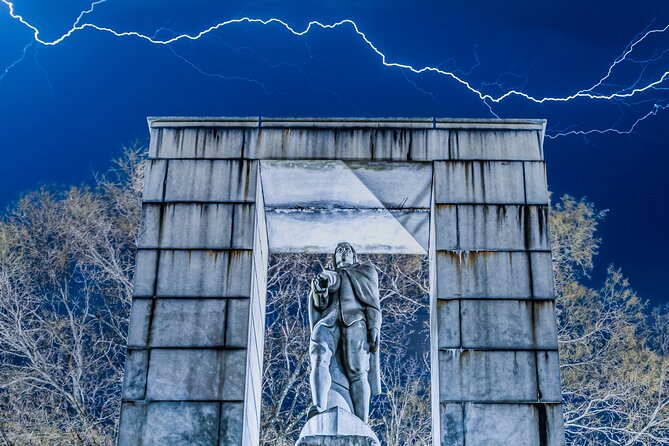
Stop 5: Roger Williams National Memorial and the Tree Root Incident
The Roger Williams National Memorial adds a local-history chill. The big creepy detail is the so-called Tree Root Incident, where Williams’ remains were allegedly replaced by tree roots shaped like a human figure.
People also report unusual stillness, ghostly apparitions, and cold spots at this landmark. Whether you believe every paranormal claim or not, the idea is effective in person because the place invites quiet.
This stop is especially worth it if you care about Providence’s identity beyond “the spooky neighborhood.” Roger Williams is a key figure, and the tour connects that significance to unsettling folklore.
Stop 6: 135 Benefit St and Lovecraft’s The Shunned House
Then comes the literary pop culture link. At 135 Benefit St, the tour points to Providence’s connection to early 18th-century dwelling lore that became famous through H. P. Lovecraft’s 1937 novella, The Shunned House.
Here’s the nuance that matters: the building’s reputation is intertwined with Lovecraft’s fictional narrative. Still, you’ll hear local legends about eerie noises and ghostly apparitions that keep the mystery alive.
If you’re a Lovecraft fan, this stop may be your favorite. If you want purely “real-world hauntings,” you’ll still get the atmosphere—but the story is partly about how fiction influenced local belief.
Stop 7: Fleur-de-lys Studio (built 1885)
Your tour ends at Fleur-de-lys Studio on Thomas St, built in 1885 by artist Sydney Richmond Burleigh. The architecture is Arts and Crafts, and the studio’s role as an arts hub gives it a creative energy even when you’re talking ghosts.
The haunting lore here centers on reports of strange sounds and eerie sensations, plus a spirit tied to the artist’s tragic end.
I like ending here because it leaves you with a feeling of place, not just a punchline. You’re finishing in an art space, which makes the whole experience feel more like Providence culture than a one-note paranormal sprint.
How the Stories Are Built: Literature, Lore, and Historic Weight
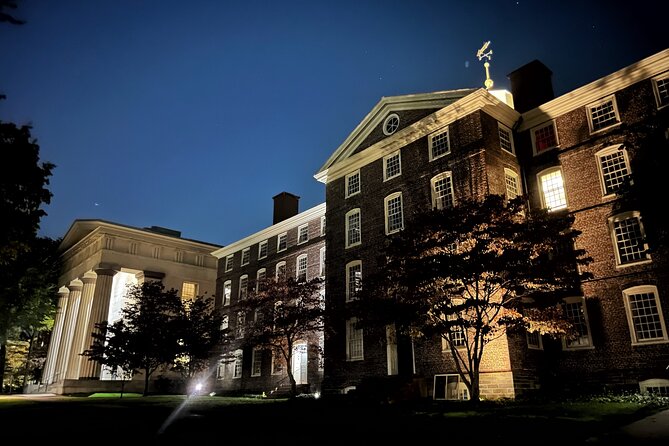
This tour isn’t just spooky narration. It’s a storytelling structure that leans on three ingredients:
- Historic buildings with real past roles
University Hall’s Revolutionary War use and the Holocaust Memorial’s purpose give the stories a foundation.
- Provincial literary connections
Sarah Helen Whitman at the Athenaeum, plus the tour’s recurring attention to Edgar Allan Poe and Lovecraft, means you’re often hearing about writers who made Providence part of their work or reputation.
- Local folklore details
Cold spots, whispers, unexplained footsteps—these phrases repeat at multiple sites. Even when you’re skeptical, they create a consistent mood.
That said, balance is the big variable. Some people want the tour to be heavier on direct ghost stories all the way through. Others love the way the guide mixes “who lived here, what happened here, why it became a story” with the eerie part. The best guides—like Riley, Brian, Zee, and Ryan—tend to make that blend feel intentional, funny, and easy to follow.
Who Should Book This Tour (and Who Might Want a Different Night Plan)
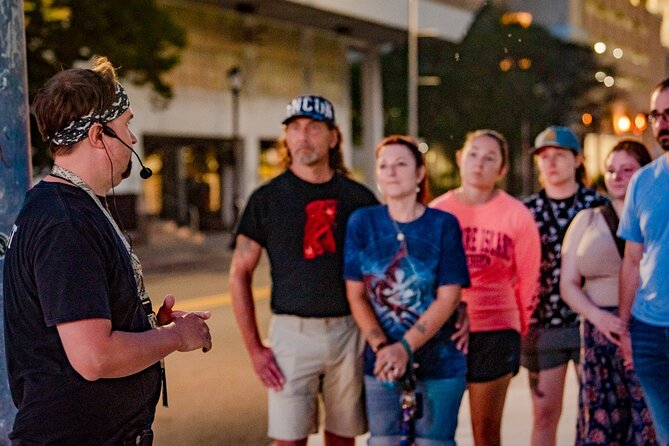
I’d book this if you want:
- a one-hour evening activity in a walkable, historic part of Providence
- horror-adjacent stories with a strong literary thread
- an easy way to see multiple landmarks without hiring a car or juggling schedules
I’d think twice if you’re expecting:
- nonstop paranormal action from start to finish
- a slow, stop-and-stare walking pace where every location gets a long quiet moment
It also helps if your group likes stories more than scares. The tour can be “spooky” without being aggressive, and that makes it easier for mixed-age groups.
If you’re traveling with mobility needs, go in knowing the route includes hills and uneven pavement. The tour is listed as wheelchair-friendly, but the physical terrain can be the deciding factor—so plan to confirm what “wheelchair-friendly” means in your specific case.
Practical Tips to Get More Fright per Step
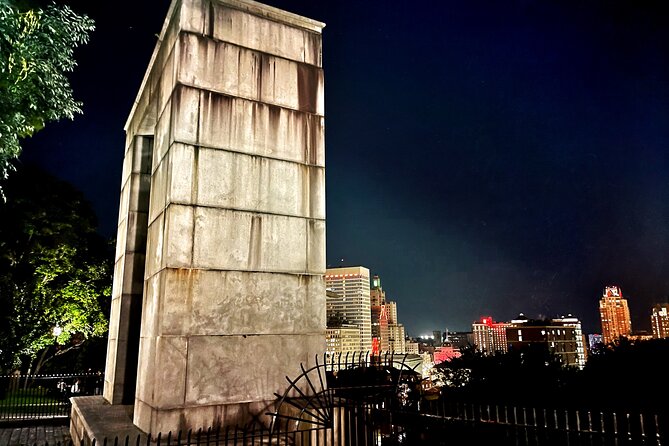
- Wear good walking shoes. Uneven pavement shows up on an evening hike.
- Bring a flashlight if you want extra footing and comfort.
- If your group wants more ghost lore, ask the guide early what percentage of the night will lean paranormal vs. literature. You’ll get a better fit faster.
- Keep your phone charged. Even with the guide speaking, it’s handy for orienting yourself and snapping quick location shots between stops.
- Dress for a cool walk. You’ll spend most of the hour outdoors, and Rhode Island nights can shift quickly.
Should You Book Providence Ghost Tours?
If you like Providence’s historic fabric and you enjoy ghost stories that connect to authors, politics, and real buildings, yes, this tour is worth booking. For $32 and about an hour, you get a lot of atmosphere plus a strong sense of place—especially if you end up with a guide like Riley or Zee who knows how to make the night flow.
If you only want maximum-creep chaos, you might feel underwhelmed by how often the stories touch literature and local history first. Still, even then, the sites themselves—Holocaust Memorial, Athenaeum, Brown’s University Hall, and the Lovecraft connection on Benefit Street—make the walk a meaningful use of an evening.
FAQ
How long is Providence Ghost Tours?
The tour runs about 1 hour (approx.).
Where does the tour start and end?
It starts at the Rhode Island Holocaust Memorial Park on S Main St, Providence, RI 02903, and ends at Fleur-de-lys Studio at 7 Thomas St, Providence, RI 02903.
What’s included in the ticket price?
You get a professional local guide, thoroughly researched history, and authentic local ghost stories. No transportation or food/drink is included.
Do I need to pay admission fees at the stops?
The information provided lists admission ticket free at each of the included stops.
What language is the tour offered in?
The tour is offered in English.
Is there a mobile ticket?
Yes, the tour uses a mobile ticket.
Are service animals allowed?
Yes, service animals are allowed.
Is the tour wheelchair-friendly?
The tour is listed as wheelchair-friendly, and it also asks for travelers with a moderate physical fitness level, so if you’re relying on wheelchair access, it’s smart to plan with the operator in mind.
Is the tour a good fit if I want lots of scary moments?
The tour blends eerie stories with literature and historic context, so it can be spooky, but it may not match everyone’s expectation for constant ghost action.
How far in advance should I book?
On average, this tour is booked about 10 days in advance.