REVIEW · WILMINGTON
Wraiths & Wicked Whispers: Wilmington Ghost Tour
Book on Viator →Operated by Wilmington Ghosts · Bookable on Viator
Ghosts with a side of Wilmington history.
This one-hour night walk strings together theater, commerce, and maritime legends, all with a tight route and stops like Thalian Hall and Latimer House. I especially like how guides such as Andy and Phil blend supernatural storytelling with real local facts, so it feels more than just spooky theatrics. The one catch: in hot weather, the pauses between stories can feel a bit long, and you’ll want to plan for standing outdoors.
You’re moving through a very “real city” version of spooky. Expect a small group (up to 35), an English-speaking guide, and a lot of atmosphere—some nights are foggy, some are stormy, and the mood changes fast.
In This Review
- Quick Hits Before You Go
- Thalian Hall Start: Theater Seats and Backstage Whispers
- Cotton Exchange Shadows: From Trade Floors to Dark Sounds
- Water Street Retreats on a Battleship: Sailor Spirits in Old Quarters
- The Wilmington Riverwalk at Night: Warehouses, Bridges, and Uneasy Air
- Michael’s on the Waterfront: Dinner Views with Flickering Lights
- Museum of the Bizarre: Oddities and Exhibit-Stage Frights
- Lula’s A Pub and Latimer House: Pub Corners to Victorian Ghost Rooms
- How the Guides Shape the Spook: Phil, Andy, Joy, and More
- Timing, Walking, and What to Wear for This One-Hour Route
- Value and Logistics: Free Stop Entry and a Small Group Feeling
- Who Should Book This Wilmington Ghost Tour?
- Should You Book It? My Practical Take
- FAQ
- How long is the Wilmington Ghost Tour?
- Where does the tour start?
- Where does the tour end?
- What language is the tour offered in?
- Do I get a mobile ticket?
- How large is the group?
- Are admission tickets included for the stops?
- Are service animals allowed?
- Is the meeting point near public transportation?
- What is the cancellation policy?
Quick Hits Before You Go
- Eight stops in about an hour with the tour ending at Latimer House.
- A mix of haunted settings: a grand theater, a cotton-trade building, a battleship, a riverwalk, and more.
- Storytelling that often comes with strong historical context, praised especially in guides like Andy, Phil, and Joy.
- You can actually hear the guide when you pick a favorite guide style, with Phil and Joy specifically called out for volume and clarity.
- Entry at the stops is listed as free, so you’re mostly paying for the guide and the route experience.
Thalian Hall Start: Theater Seats and Backstage Whispers
The tour begins at Thalian Hall Center for the Performing Arts (310 Chestnut St), a big, classic Wilmington theater with roots reaching back to the 1850s. You’ll start with the kind of haunting that feels tailor-made for a stage: reports of ghostly figures seated in the audience and odd noises backstage that don’t match anything you can explain.
This opening stop matters. It sets the tone that the stories won’t be random. They’re tied to how a place worked back then—performances, staff routines, and the tension of being in a building built for lights and silence.
Cotton Exchange Shadows: From Trade Floors to Dark Sounds
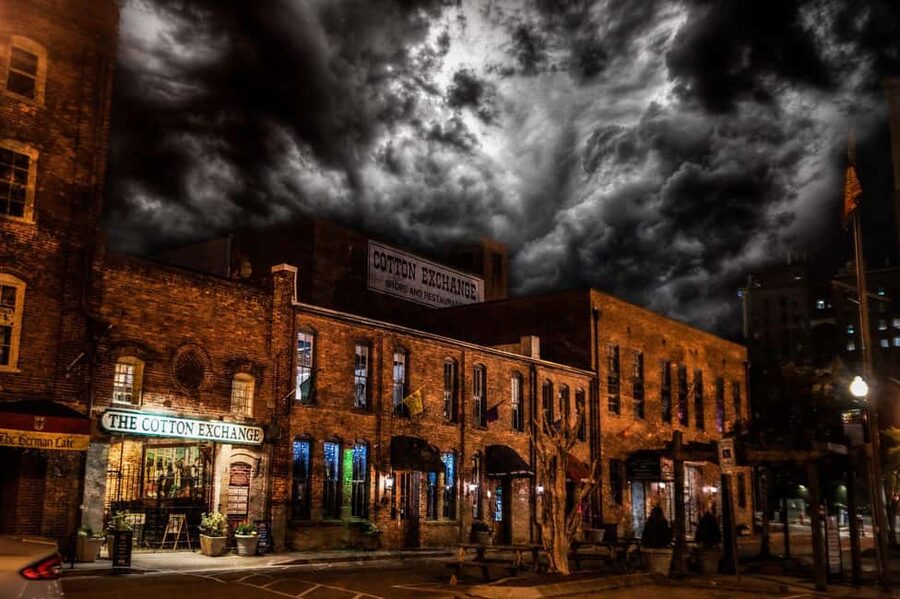
Next up is the Cotton Exchange, once a busy hub for the cotton trade. The atmosphere here leans commercial rather than theatrical, which is part of why the tour stays fresh as you walk. The reports are shadowy figures and mysterious sounds echoing through old trading rooms—an eerier twist when you think about all the footsteps and deals that once filled the same space.
Even if you’re not a history buff, this stop gives you a simple connection: Wilmington was made by work and movement, and those patterns can be part of a building’s “memory” in the way a guide frames it. It’s not just spooky talk; it’s spooky talk with a place-based reason.
Water Street Retreats on a Battleship: Sailor Spirits in Old Quarters
At Water Street Retreats, you step into maritime territory. The building sits inside a historic battleship, and the hauntings lean sailor-focused—spirits of sailors said to have served aboard the ship. The reported activity is the kind that fits the setting: ghostly apparitions and unexplained noises, especially in the ship’s older quarters.
This stop is where the tour often feels most different from the usual “stand on a sidewalk and tell a ghost story” version. A battleship has natural claustrophobia built in. Narrow areas and old corridors can make any story land harder, and that physical feeling supports the guide’s pacing.
The Wilmington Riverwalk at Night: Warehouses, Bridges, and Uneasy Air
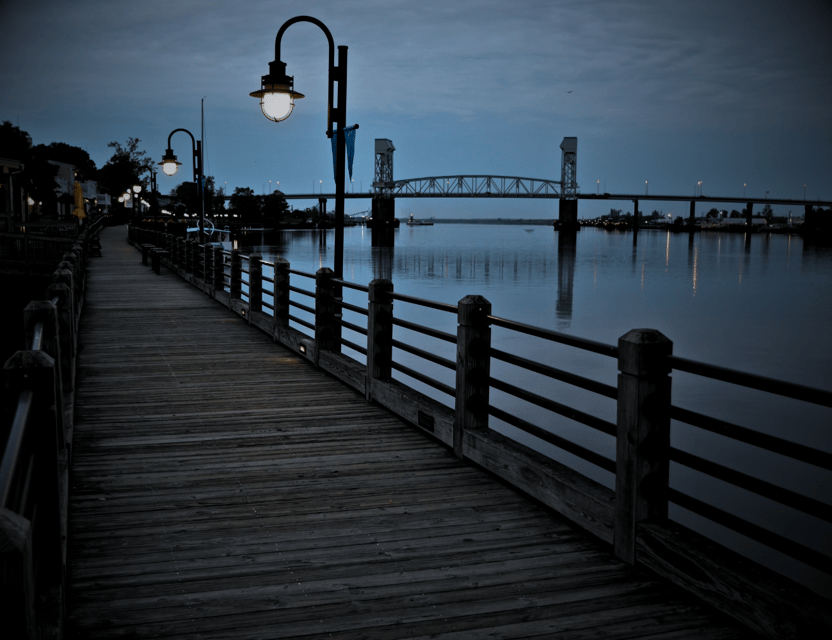
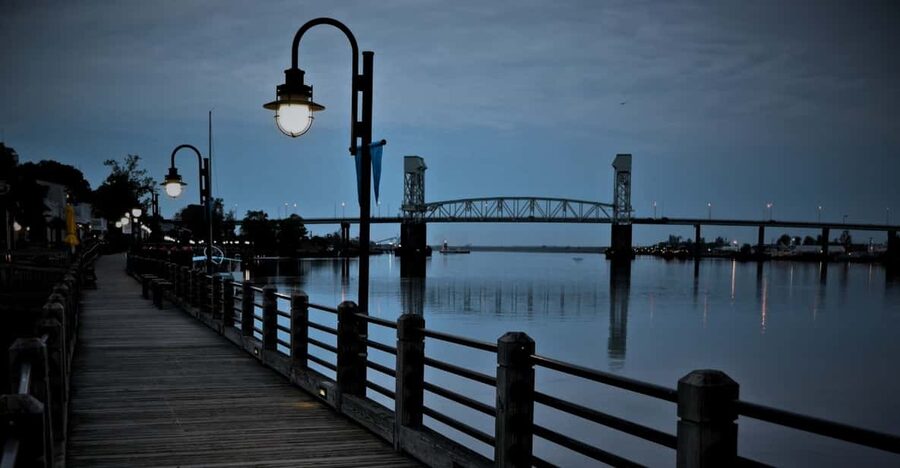
The tour then shifts from heavy buildings to an outdoor stretch along the Wilmington Riverwalk. This part is a scenic path by the water, but the stories keep it unsettling. You’ll hear about apparitions and an unsettling presence near historic warehouses and bridges, with the backdrop blending historic structures and modern waterfront life.
I like this segment because it gives your brain a break from walls and corners. After the theater, trade rooms, and ship spaces, the open air makes the next indoor stops feel even sharper when you circle back into them. Also, conditions can help the mood—fog and storms came up in reviews as big atmosphere-makers.
Michael’s on the Waterfront: Dinner Views with Flickering Lights
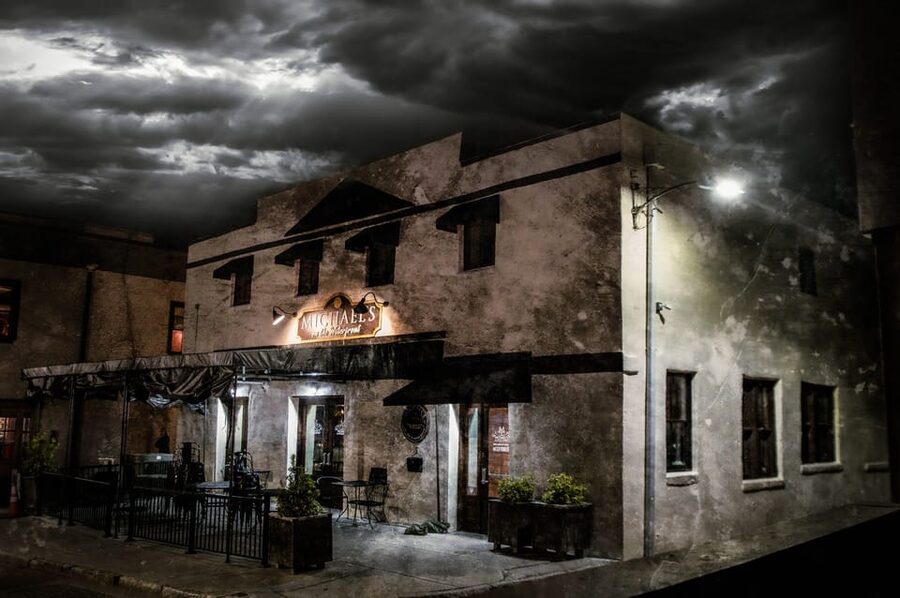
Michael’s on the Waterfront brings the haunting right into a place people go to eat and relax. The reports here include ghostly figures and weird occurrences like flickering lights and unexplained sounds tied to the restaurant’s past.
This stop works especially well if you like contrast. A haunted building in the middle of an active dining scene feels different than an empty museum or abandoned-looking spot. It’s not “leave it for the night and hope nobody notices.” It’s more like the past has a habit of showing up during normal life.
Museum of the Bizarre: Oddities and Exhibit-Stage Frights
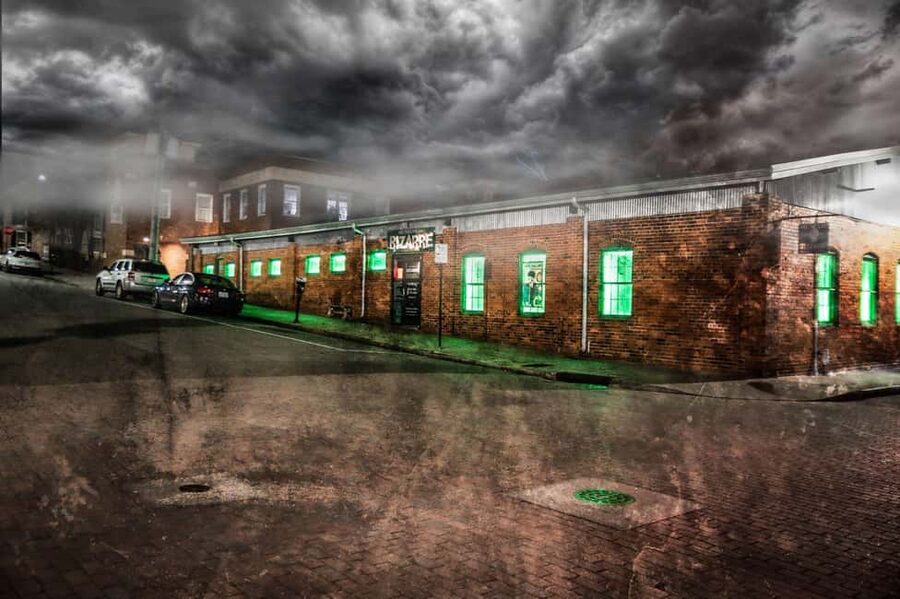
Then you’re at the Museum of the Bizarre, known for oddities and curiosities. The paranormal angle here is less about towering architecture and more about the feeling of being surrounded by strange objects. You’ll hear reports of strange apparitions and eerie sensations while you’re among the exhibits.
If you like quirky, offbeat attractions, this is the stop that often feels like a natural match. The stories don’t have to compete with the setting; the setting already feels odd and slightly unreal, so the guide’s spooky layer blends in.
Lula’s A Pub and Latimer House: Pub Corners to Victorian Ghost Rooms
The tour closes strong by moving into two very different “home base” spaces.
At Lula’s A Pub, the hauntings are cozy and close-range. The stories point to former patrons and staff, with reports of ghostly figures and unexplained noises in quieter corners of the pub. It’s the kind of stop that makes you lower your voice just because the setting feels small enough for secrets.
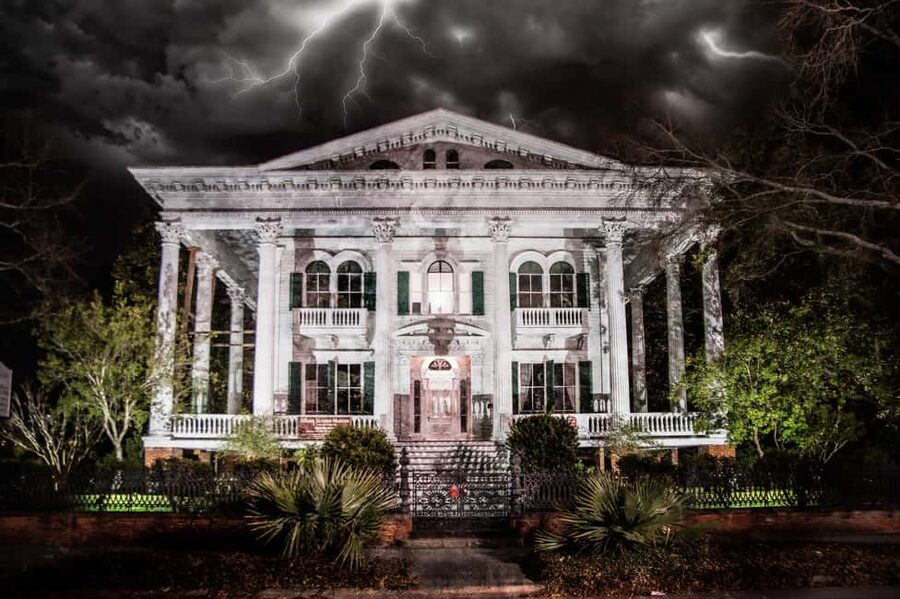
Then the final destination is Latimer House (126 S 3rd St), a historic Victorian residence. This is where the haunting reports become more domestic: people describe apparitions and an eerie presence inside beautifully preserved rooms. The tour ends here, with your guide recounting extra eerie tales before sending you on your way.
I like that ending because it completes the “past is everywhere” theme. The tour starts at a stage built for public spectacle, then works through work, travel, commerce, and public nightlife, and ends in a private home space. That shift makes the last stop feel like a full-circle moment.
How the Guides Shape the Spook: Phil, Andy, Joy, and More
The included part isn’t just that you get ghost stories. You get a local guide, and the quality of the guide is the biggest factor in your night.
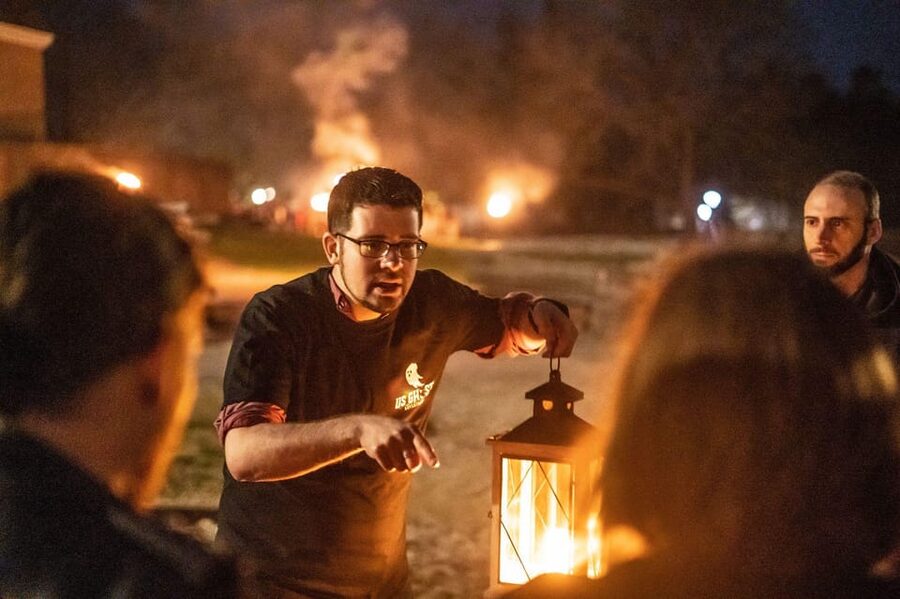
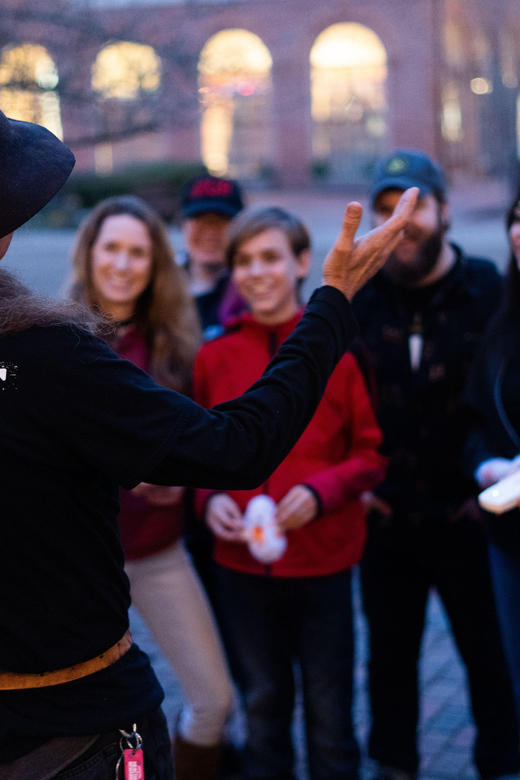
In reviews, specific guides got repeat praise for blending history and paranormal in a way that feels smooth and engaging. Andy was noted for combining deep local knowledge with supernatural tales that stretched from the 1700s to modern times. Phil earned compliments for being fun, informative, and easy to hear—one person even mentioned he pointed out film locations for TV shows along the route.
Joy and Grace also stood out for clarity and energy. Stormy was highlighted as knowledgeable and personable, and Jeff and Jeffrey B received praise for mixing history with ghostly storytelling. Richard was praised for making stories both fascinating and eerie at the same time.
Now for the honest part: a few negative reviews complained about scripted delivery, guides talking while walking away from the group, or spending too long on certain stops. One review described a guide staying on the same topic and keeping the group standing in intense heat. Another flagged that the tour felt less focused on older hauntings and more on modern possibilities.
So, here’s the practical takeaway: if you’re hoping for a lot of active storytelling where the whole group hears everything clearly, you’ll want a guide who works the crowd. And if you’re going in summer heat, treat the outdoor standing time as real—even if the overall tour is about an hour.
Timing, Walking, and What to Wear for This One-Hour Route
This tour lasts about one hour, but that doesn’t mean it’s “barely any walking.” The route includes multiple stops and an outdoor riverwalk segment, and several reviews specifically mention preparation for walking.
My rule for tours like this: wear shoes you can move in comfortably for at least an hour at night, and plan for standing. Stormy’s guide tip was clear—bring walking shoes. One family review praised that the walk was not too much for most people, while another warned it can feel like a lot if you’re not used to city walking.
Weather is also a real factor. Rain and wind came up in a positive review as something the guide handled well, and fog was mentioned as making the atmosphere perfect. On the flip side, one review described a 95-degree night and long standing pauses that ruined the mood.
So if you’re visiting in warmer months, aim for cooler nighttime hours when possible, bring water, and accept that you may be standing still while the guide sets up the next story.
Value and Logistics: Free Stop Entry and a Small Group Feeling
The value here is surprisingly practical: each stop is listed with admission ticket free, meaning you’re not paying separate entry fees just to experience the settings the guide is talking about. You’re effectively paying for the route, the pacing, and the guide’s ability to connect place, time, and legend.
You also get a limited group size, with a maximum of 35 travelers. In a ghost tour, that matters. Smaller groups usually make it easier to hear the guide and keep the story moving instead of turning into a crowd shuffle.
Other useful bits: you’ll get a mobile ticket, the tour runs in English, service animals are allowed, and the meeting area is near public transportation. Also, confirmation is received within 48 hours of booking, subject to availability.
And yes, gratuity isn’t included—so if you feel the guide earned it, tip as you normally would. If you don’t, you’re still not “punished” by an added fee for the basics.
Who Should Book This Wilmington Ghost Tour?
This is a strong match if you want a nighttime walk that feels local, not just a generic ghost circuit. It’s especially good for first-time visitors who want a quick orientation to downtown Wilmington through stories tied to real buildings and real time periods.
It also suits date-night energy. One review even called it laid-back and suggested it works well as a calm evening outing. Families can do it too—Grace was praised for being good with kids, and the pace seemed manageable for many groups.
Where it may not fit perfectly: if you’re looking for the scariest possible experience or expect nonstop “in the dark” ghost encounters in house interiors only, you might leave wanting more jump-scare energy. Some reviews asked for more ghost stories around the houses or wished the tour were more intense.
Should You Book It? My Practical Take
Book this tour if you like your spooky with context—when history and setting do the heavy lifting, and the guide can connect the dots. The stop mix is smart: theater (Thalian Hall), trade (Cotton Exchange), ship (Water Street Retreats), water (Riverwalk), everyday life (Michael’s), strange collections (Museum of the Bizarre), a pub vibe (Lula’s), and a Victorian home finale (Latimer House).
Skip it or adjust your expectations if you hate standing outdoors in extreme heat, dislike scripted narration, or want a more intense horror angle. A few reviews were blunt about those issues, so it’s worth factoring that into your decision.
A helpful move: if you have the option to choose your guide, several people specifically recommended asking for Phil when possible. Even without that option, look for the guide style that prioritizes clear audio and audience engagement, since that’s what most strongly shaped the experience.
FAQ
How long is the Wilmington Ghost Tour?
The tour is about 1 hour.
Where does the tour start?
It starts at Thalian Hall Center for the Performing Arts, 310 Chestnut St, Wilmington, NC 28401.
Where does the tour end?
It ends at Latimer House, 126 S 3rd St, Wilmington, NC 28401.
What language is the tour offered in?
The tour is offered in English.
Do I get a mobile ticket?
Yes, it uses a mobile ticket.
How large is the group?
The tour has a maximum of 35 travelers.
Are admission tickets included for the stops?
The stop locations are listed with admission ticket free.
Are service animals allowed?
Yes, service animals are allowed.
Is the meeting point near public transportation?
Yes, it’s near public transportation.
What is the cancellation policy?
You can cancel for a full refund up to 24 hours before the experience. If you cancel less than 24 hours before, the amount paid is not refunded.