REVIEW · SALT LAKE CITY
Salt Lake Ghost Tour: Salt, Spooks, & Shadows
Book on Viator →Operated by Salt Lake City Ghosts By Us Ghost Adventures · Bookable on Viator
A haunted tour in Salt Lake can be weirdly fun. You’ll walk a tight loop of downtown landmarks tied to dark legends and old buildings. I especially like the blend of history and paranormal talk, and I also like that you’re mostly outside, so you can keep moving and keep your night simple.
One thing to consider: it can run late or have communication hiccups, so plan a buffer if you’re catching later plans or rides.
You’ll start at 239 S Main St and finish at the Judge Building area, which makes it easy to do as a stand-alone outing. The stories center on specific names and places, like the Capitol Theatre ghost lore and the Judge Building case of Steven Christensen. I do think the value depends on what you want: you’re here for chilling storytelling more than for full-on indoor access.
In This Review
- Key things to know before you go
- A haunted walk that works as a quick Salt Lake City night
- Price and logistics: where it fits in your itinerary
- Frank E. Moss United States Courthouse: 1905, stern judges, and cold echoes
- Holiday Inn Express Downtown: the unsettling past behind a familiar facade
- Capitol Theatre: the ghost of Dickie Duffin and stories from below
- Walker Center at 19 E 200 S: the weather-tower past
- Judge Building: where the story turns tragic with Steven Christensen
- Whiskey Street: taverns, saloons, and the most haunted vibe
- How the guide’s storytelling style shapes the night
- EMF meters, smoke, and small comfort issues to plan for
- What you’ll actually experience: outside stops, not indoor access
- Who this tour suits best
- Should you book Salt, Spooks, & Shadows?
Key things to know before you go
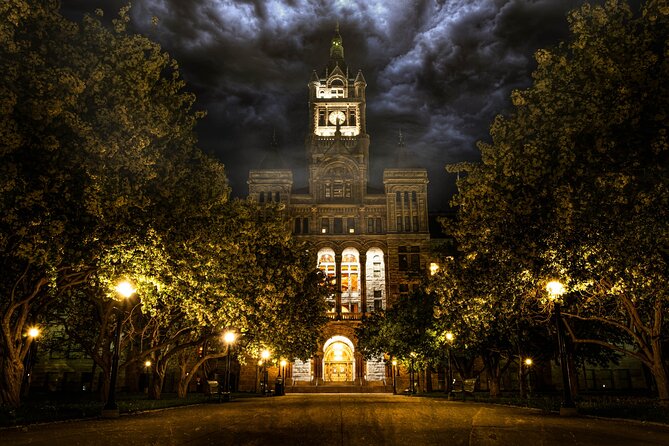
- Downtown, walk-and-listen format: you’ll be outside at each stop and moving along short distances
- Strong story potential: the night can feel excellent when the guide’s pacing clicks
- Famous local legends: you’ll hear about spots like the Capitol Theatre and Whiskey Street
- Different start and end point: your route finishes at the Judge Building, not back at the start
- Some extras may appear: a few people report EMF meters being used during the walk
A haunted walk that works as a quick Salt Lake City night
This tour is designed for people who want something spooky without giving up the basics of a good city stroll. Think downtown blocks, landmark exteriors, and a guide who stitches together the city’s past with paranormal claims.
The practical upside is the time. At about one hour, you can fit it between dinner and drinks without losing your whole evening. And because the stops are concentrated, it’s also a solid option if you’re not trying to crisscross the city in the dark.
You can also read our reviews of more tours and experiences in Salt Lake City.

Price and logistics: where it fits in your itinerary
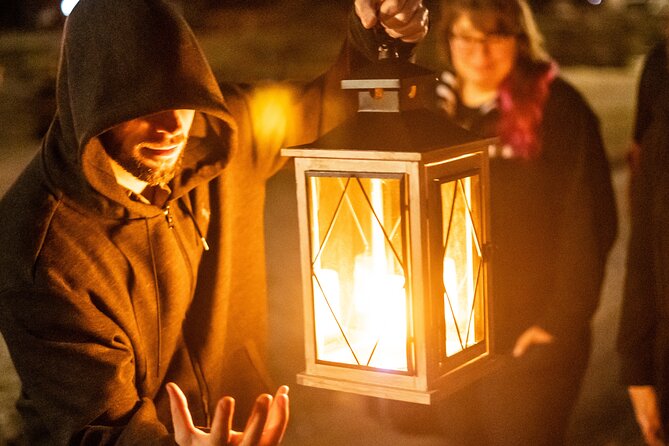
At $32 per person, this is priced like a mid-range walking tour. For the money, you’re paying for guided storytelling, a focused route, and the convenience of a mobile ticket. It also helps that the group size caps at 35 travelers, which usually keeps things from turning into a moving crowd.
One logistics detail matters: the tour starts at 239 S Main St and ends near the Judge Building at 8 E 300 S. That means you may need to walk back on your own depending on where you parked or how you’re getting around. If you’re doing this with kids, going solo at night, or you’re sensitive about how the walk feels at the end, I’d plan your pickup or parking location accordingly.
Frank E. Moss United States Courthouse: 1905, stern judges, and cold echoes
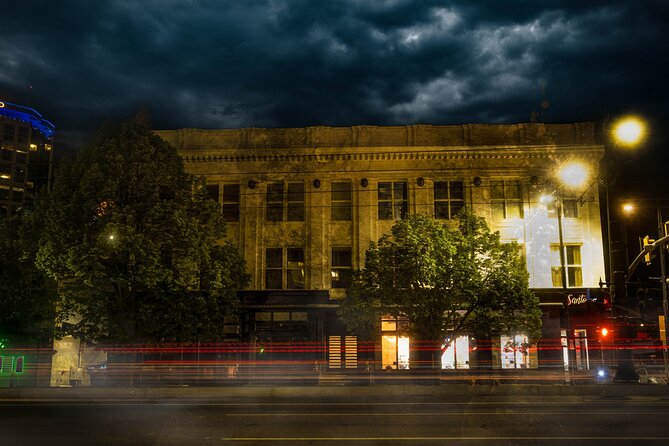
The first stop sets the tone fast. The Frank E. Moss Federal Courthouse (completed in 1905) started life as a post office and courthouse, so it’s the kind of building that already carries weight just from its design and purpose.
The ghost story angle centers on a stern judge, Judge Ritter, and the idea that the building’s atmosphere hasn’t fully faded. Even if you don’t buy the paranormal part, this stop works because it anchors the night in real civic history: courts, decisions, and the human drama that always sits behind legal buildings.
What to watch for: early in the tour, you’re still calibrating to how the guide tells the stories. If you’re hoping for maximum spookiness, this is where you’ll decide if the guide’s style matches your taste.
Holiday Inn Express Downtown: the unsettling past behind a familiar facade
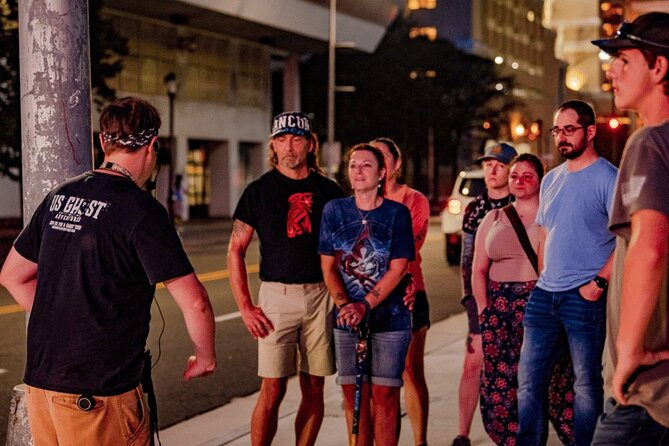
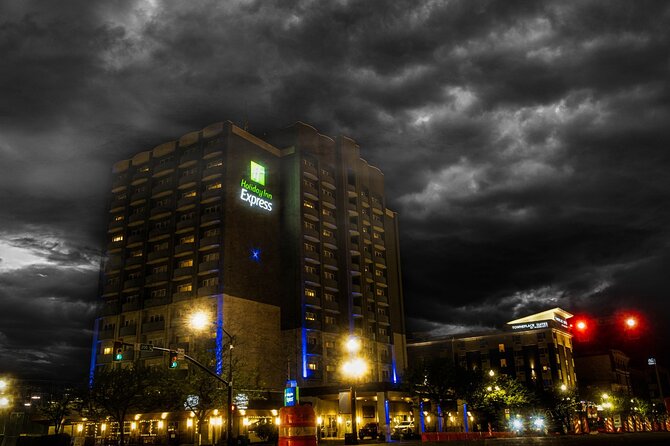
Next comes the Holiday Inn Express in downtown Salt Lake City. On the street, it reads as a normal hotel: bright, modern-ish, easy to miss. But the story framework flips that. You’ll hear about a darker past tied to Utah’s history, plus rumors of paranormal activity that linger despite remodels.
This stop is one of the more interesting contrasts on the walk. Hotels are where people relax, sleep, and move on with their day. So when the story suggests a past underneath the welcome facade, it adds a specific kind of discomfort.
A consideration: if you’re the type who wants clear, step-by-step tales of hauntings, this stop may feel more rumor-based than evidence-based. The goal here is mood and legend, not proof.
Capitol Theatre: the ghost of Dickie Duffin and stories from below
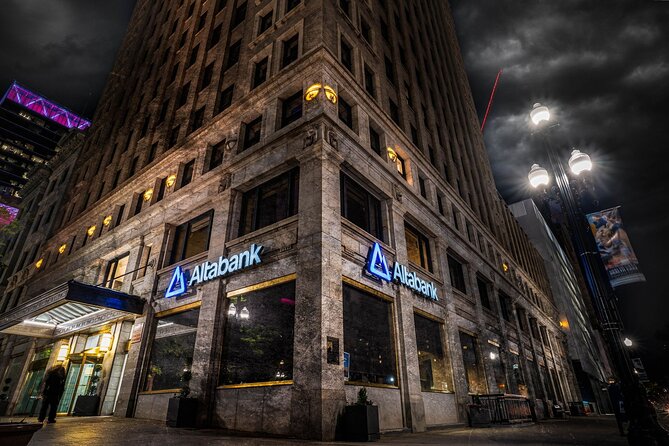
The Capitol Theatre (constructed in 1913, originally known as The Orpheum Theater) is a great choice for a ghost tour because it was built for crowds and performance. That’s a perfect recipe for legend—people come, lights glow, and old places keep secrets.
You’ll focus on paranormal lore around Dickie Duffin. This is also the stop where the basement story energy shows up strongly in the tour vibe. Even when you’re not going inside, the guide’s talk about what’s supposedly happening off-limits or out of sight can land surprisingly well.
If you want a “pin-your-eyes-open” moment of the evening, aim your attention here. This tends to be a highlight because it feels theatrical, and because the legend has a clear name attached to it.
Walker Center at 19 E 200 S: the weather-tower past
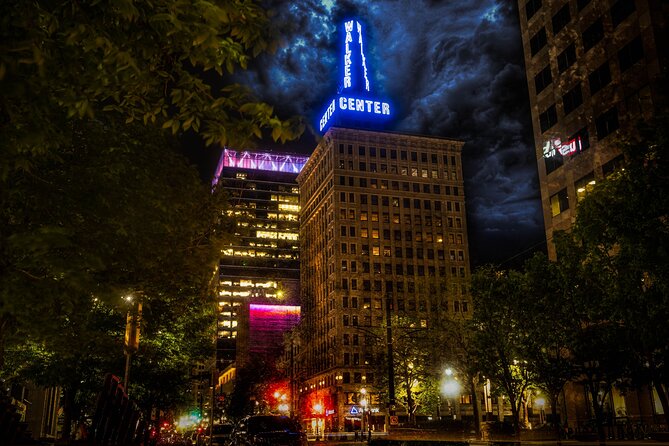
At 19 E 200 S, the mood shifts to architecture with layers. The Walker Center is tied to the Walker family legacy and has served multiple functions over time, including being a bank and a radio transmitting station. It’s also described as having ties to a weather tower.
That multi-use backstory matters. Buildings that keep changing roles tend to accumulate myths. Different owners, different tech, different purposes—each era adds new “why would anyone build this here?” angles.
What you’ll get on the ground: a stop that feels more mysterious than jump-scare scary. If you like your ghost stories mixed with how cities grow and reuse space, this is a good one to enjoy slowly.
Judge Building: where the story turns tragic with Steven Christensen
The Judge Building is the emotional anchor of the walk. The discussion centers on the tragic death of Steven Christensen, a high-profile case that casts a long shadow over the building.
Compared with the more old-world legends, this part feels different. It leans into real-world tragedy, which can make the ghost lore feel heavier and less like campfire fantasy. Some people love that contrast. Others want purely spooky ghosts with less human suffering.
My advice: treat this stop as a “dark story” moment. If you’re bringing kids, you might want to mentally brace for serious subject matter, even if the tone stays guide-led and conversational.
Whiskey Street: taverns, saloons, and the most haunted vibe
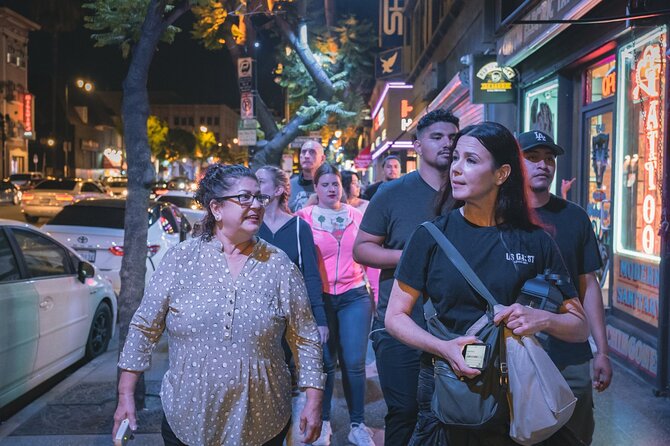
This is where the tour gets its nightlife energy. Whiskey Street is named for the late 1800s era when the area had plenty of taverns, saloons, and breweries. Today, it’s represented by Whiskey Street’s dining and cocktail scene, but the label stays: historically lively, and also rumored to be one of the more haunted sections of downtown.
The stories connect paranormal activity with both patrons and staff, which makes the hauntings feel more personal. Unlike a courtroom or theatre, this is an area where people actively gather—so the idea of lingering presence feels tied to everyday life.
Practical note: this end-of-tour area can feel like real downtown going-on, not a quiet museum setting. If you’re sensitive about crowds or want a comfortable exit, plan where you’re going next before you finish.
How the guide’s storytelling style shapes the night
On tours like this, the guide is half the experience. In Salt Lake City Ghosts By Us guides you’ll hear a lot of the same building names, but the pacing can be totally different from night to night.
People highlight guides like Andy for loving the stories and mixing city history with spooky details. Others call out Cory and Cody for knowledge and good storytelling flow. David gets mentioned for enthusiasm and for making a birthday moment special for at least one group. You’ll also see Isabella noted for lots of information and energy, and Brian praised for being personable and helpful.
If you’re booking for maximum fun, I’d go in with flexibility. You want a guide who can hold attention. When that clicks, the tour feels easy and entertaining from stop to stop.
EMF meters, smoke, and small comfort issues to plan for
Some participants describe EMF meters being used or demonstrated during the walk. If that’s the part you’re most curious about, bring a practical expectation: availability and how it’s used may vary by guide and group setup.
One comfort issue came up in a negative way: cigar or cigarette smoke during the tour. If you have asthma or respiratory sensitivity, you’ll be safer choosing a tour time when you can move away from the smoking cluster, and it’s worth speaking up if smoking starts close to you.
Also keep an eye on street conditions. One note warns about scooter traffic, which is a fair reminder that downtown sidewalks aren’t always peaceful. Wear shoes you trust, and keep your head on a swivel.
What you’ll actually experience: outside stops, not indoor access
A key expectation to set: you should assume a walk-and-stand experience. Even though the stories are tied to major buildings, you’re generally not going to be stepping inside during the talk.
That makes the tour more flexible, but it changes the “wow” factor. If you’re expecting to tour basements, walk hallways, or go into the places being discussed, this tour likely won’t match that wish. The value comes from the guide’s narration plus the atmosphere of the street.
Who this tour suits best
This is a good fit if you:
- Want a short, concentrated downtown ghost experience
- Prefer history + legend rather than a full investigation session
- Like landmarks tied to specific local names and tragedies
- Are okay with a mostly outdoor format
It can also work for families, including teens who like spooky stories. Just remember that at least one stop centers on a tragic death, so you’ll want to gauge what your group is comfortable hearing.
If you’re the kind of person who needs proof and physical investigation, you may leave wanting more. This is guided storytelling first.
Should you book Salt, Spooks, & Shadows?
I’d book it if you want a fun one-hour way to see downtown Salt Lake City while getting a guided mix of architecture stories and paranormal legends. It’s a strong choice for people who like theatre-like storytelling and for nights when you don’t want to commit to a long tour.
I’d be cautious if any of these are your dealbreakers:
- You need guaranteed punctual timing with tight plans right after
- Indoor access is important to you
- You’re very sensitive to smoke or to sidewalk crowding near the route end
If you go in with the right expectations—outside stops, guided legends, and a focus on story tone—this tour has the ingredients to make your evening feel different in a good way.