REVIEW · MADRID
Madrid Oscuro: Torture, Ghosts, Crimes and Legends
Book on Viator →Operated by Tours Madrid | TOURSTILLA · Bookable on Viator
Madrid has a dark side worth walking. This tour threads together crime, ghosts, and folklore across central streets, using a live guide and simple materials so the stories make sense as you move. I like that it’s built around real city corners, not jump-scare nonsense, and that the mood stays fun even when the tales go grim.
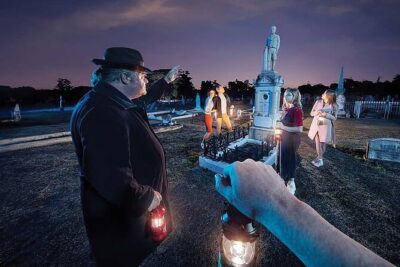
I also like how interactive the guiding can be. From theater-style character acting (I’ve heard guides like David Onion and Jose Genius bring stories to life) to guides who keep the group engaged, you’re not just standing still reading plaques.
One drawback to plan for: some parts deal with spooky and dark themes, so if you’re expecting a light, fairy-tale stroll, this isn’t that. Also, it’s a walking tour, so comfy shoes matter.
In This Review
- Key highlights you’ll actually feel
- Why This Madrid Dark-Legends Walk Works So Well
- Plaza Mayor: The Start With Instant Context
- Iglesia de Santa Cruz: A Cursed Church Stop
- Pasadizo del Panecillo: The Alley of Hunger
- Plaza del Conde de Miranda: Raimundita’s Ghost
- Accidente Aereo and Calle Mayor: Fallen Angel and Ritual Talk
- Real Iglesia Parroquial de Santiago y San Juan Bautista: Captain Sanchez’s Crime
- Plaza de Oriente: Vallecas File and Madrid’s First Cemetery
- Who Leads the Stories (and Why That’s Not Small Stuff)
- Price and Value: $3.62 Per Group for a Real Walk
- What’s Included, What’s Not, and What You’ll Feel
- Practical Tips: How to Enjoy It Without Losing the Mood
- Should You Book Madrid Oscuro?
- FAQ
- How long is Madrid Oscuro?
- Where does the tour start and end?
- Is there an admission fee to the stops?
- What’s the tour language?
- How much does it cost?
- What’s included in the price?
- What’s not included?
- How many people are in a group?
- Is a mobile ticket used?
- Is there free cancellation?
Key highlights you’ll actually feel
- Real Madrid landmarks each tied to a story, so you build a mental map fast
- Short stops that move you along at a pace that keeps attention from dropping
- English mobile ticket plus printed teaching tools to follow the plot
- Character-driven storytelling, with guides known to act out scenes
- Free-to-walk sites along the route, with entrance fees not required
- Small group feel with a max size of 26, so questions don’t vanish
Why This Madrid Dark-Legends Walk Works So Well
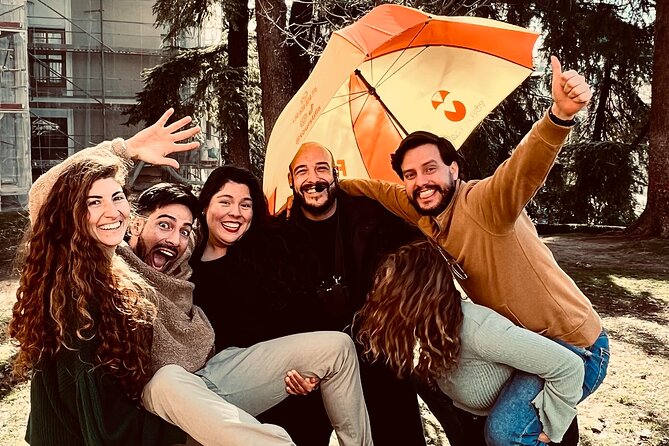
This isn’t a museum tour where the setting does all the work. It’s a moving story. You step from plaza to church door to narrow lane, and each place becomes a clue. The themes lean toward the Spanish Inquisition, fallen angels, satanic rites, crimes, and ghosts—presented with enough history and reasoning to keep it grounded.
For you, the payoff is twofold. First, you get a fast, practical way to learn the center of Madrid without doing extra studying. Second, you leave with stories you can retell, because the guide ties each legend to something visible right in front of you—stone, street layout, and place names you’ll recognize later.
The route is also tightly timed at about 2 hours 25 minutes, with short walking bursts and brief stops. That keeps it from turning into a long slog. It’s ideal if you want a spooky angle on Madrid while still seeing a real cross-section of old streets.
You can also read our reviews of more tours and experiences in Madrid.
Plaza Mayor: The Start With Instant Context
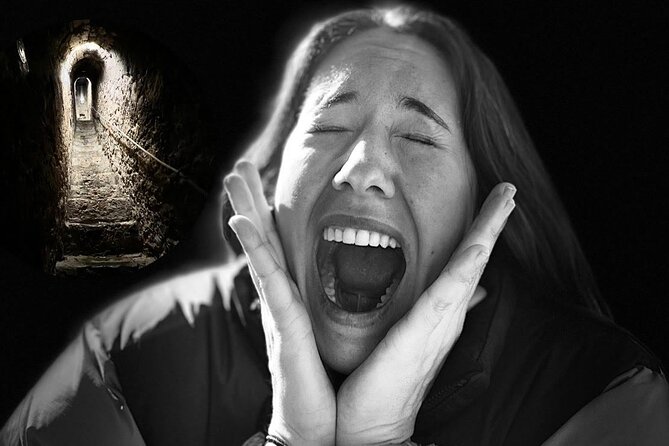
You begin at Plaza Mayor in Centro. It’s a smart opening choice because the square gives you an immediate sense of how Madrid gathers people. Even if you’ve never been here, it’s easy to orient yourself, and your guide can set the rules of the night: what to watch for, which details matter, and where the stories connect.
This first stop is also where you learn how the tour will “read” the city. You’re not just hearing random scary tales. You’re getting a thread—ghosts, crimes, curses, and the darker side of religious and legal power—mapped onto locations you can later find again.
Plaza Mayor is also convenient for meeting logistics. Your tour ends later near Plaza de Oriente, so you’re basically walking a loop through classic Madrid rather than disappearing into nowhere-land. If you like tours that help you form a usable mental map, this structure is a win.
Iglesia de Santa Cruz: A Cursed Church Stop
Next comes Iglesia de Santa Cruz, described as the cursed church. Churches in Madrid are rarely just architecture. They’re memories made of stone: political history, family influence, and community identity. In this stop, you’ll see how the tour blends that backdrop with dark legend.
This is the kind of place where the story works best if you slow down for a moment and look at the façade and surroundings rather than rushing your photos. The guide’s job here is to connect the “cursed” label to something you can understand—whether that’s the symbolism of the site, the way legends spread through time, or the eerie contrast between peaceful buildings and grim tales tied to them.
Because it’s a short stop, you don’t get stuck standing under cold wind wondering when the next move starts. You get just enough to plant the idea in your head, then you move on while the mood stays crisp.
Pasadizo del Panecillo: The Alley of Hunger

Then you hit Pasadizo del Panecillo, known as the Alley of Hunger. An alley tour is always different from a plaza tour, because you physically feel the city narrowing. That matters here. “Hunger” as a theme fits the sense of a tight passage where stories can spiral—lost people, desperation, rumor, and crime becoming the only way to explain what happened.
This is one of the stops where you’ll probably start noticing how place names are doing narrative work. In a narrow lane, a name like this becomes more than a label. It turns into a hint for what the guide is building toward.
The practical upside: you’re changing scenery every few minutes, so your attention stays on the story instead of on your phone battery. For a 2-plus hour walk, this pacing is exactly what you want.
Plaza del Conde de Miranda: Raimundita’s Ghost

At Plaza del Conde de Miranda, the focus shifts to Raimundita’s ghost and an Apostolic Nuncio. This stop is where the tour feels most like a blend of spooky and political history. Ghost legends often attach to power structures, and the nudge toward the Apostolic Nuncio theme gives the story more weight than plain campfire horror.
What I like about this kind of stop is the balance. You’re not only hearing about haunting. You’re also hearing about authority—who had influence, who could investigate, and how rumors could spread when official stories were incomplete.
Again, the stop is brief, so it stays lively. You get the legend, you get the place-name context, and then you’re moving before the atmosphere cools off.
Accidente Aereo and Calle Mayor: Fallen Angel and Ritual Talk

Two closely linked stops follow: Accidente Aereo and then Calle Mayor. Themes include fallen angel stories and satanic rites in Madrid, plus a continuation of those ideas on Calle Mayor.
This is where the tour leans most into the darker supernatural framing. If you’re into horror with a historical spine, these are strong stops. If you prefer strictly “true crime” over the paranormal angle, you may want to treat these as legends that reflect fear, culture, and moral panic more than literal evidence.
For practical enjoyment, listen for how the guide explains cause-and-effect in the stories. The best spooky tours don’t just say what’s scary. They explain why people believed it. In these segments, you’ll likely hear the story logic behind accusations and the way communities can interpret unusual events through religious frameworks.
Also, because this is on major streets, it helps the tour maintain momentum. You’re not getting trapped in one small pocket. You’re walking through the city’s flow while the guide keeps the tone steady.
Real Iglesia Parroquial de Santiago y San Juan Bautista: Captain Sanchez’s Crime
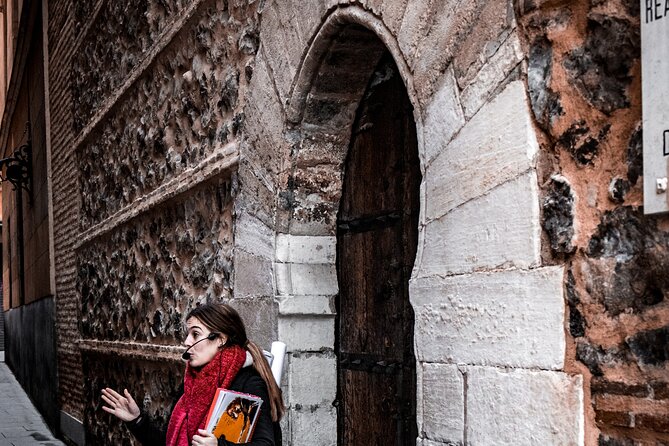
Next is the Real Iglesia Parroquial de Santiago y San Juan Bautista, tied to the Crime of Captain Sanchez. This shift—from ritual talk and supernatural framing into a crime story—is a key part of why the tour stays interesting.
Crime legends often work better once you’ve already visited the earlier eerie stops, because you understand the tour’s world now: power, fear, rumor, and consequences. A church associated with a crime story feels particularly sharp, since churches are usually symbols of order and refuge. Turning that around makes the story stick in your head.
If you like tours where the guide connects legend to real social stakes, this stop is a good one. And since it’s only about ten minutes, you get the story without losing the pacing that keeps the whole experience fun.
Plaza de Oriente: Vallecas File and Madrid’s First Cemetery
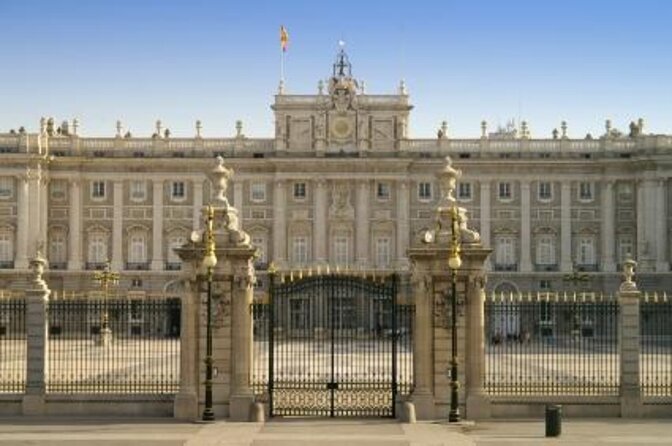
You end at Plaza de Oriente, near the Royal Palace area. The theme here is the Vallecas file and a nod to the first cemetery in Madrid.
Ending near one of the city’s grander zones gives you a satisfying “bookend” effect. You start at a central heart—Plaza Mayor—and you finish in the larger royal orbit. The guide ties the legend threads into a final location that feels important and symbolic, so the last minutes don’t feel rushed.
The cemetery angle matters because it grounds the ghosts-and-crime mood in the reality of the city’s past. You’re not only hearing about scary things. You’re seeing how Madrid has layered memory on top of daily life—streets, plazas, and monuments that still carry older meanings.
If you want to make the most of the ending, pause for a moment after the tour and look around the area. It’s a nice way to let the stories settle into the actual geography.
Who Leads the Stories (and Why That’s Not Small Stuff)
A big part of why this tour gets such a high rating is the guiding style. I’ve seen names linked with performances: David Onion, Jose Genius, Paul, Jacquelyn, Lidia, Íñigo, Adrian, Jaqueline, and Javier. That variety matters because each guide can bring a slightly different flavor—more acting, more humor, more direct history, or more interactive moments.
Several guides are described as engaging in a way that gets the whole group involved. Some even use reenactment-style character acting. If you’re someone who worries you’ll get bored on walking tours, this is one place where that risk drops, because the guide can steer the energy.
For you, the takeaway is simple: if you’re booking close to another plan, don’t schedule something that requires silence right after. You’ll probably walk away wanting to talk about what you just heard.
Price and Value: $3.62 Per Group for a Real Walk
The price is listed as $3.62 per group (up to 15), and the tour runs about 2 hours 25 minutes. Even if you’re skeptical at first because that number looks low, the value comes from the structure: a local guide, story-linked stops across central Madrid, and teaching tools that help the experience “click.”
Also, it’s not a museum entry-fee situation. Sites along the way are free to access and entrance fees are not required. That means the price stays predictable.
If you’re weighing cost against other paid “dark history” experiences, this is strong for two reasons. You’re paying for a guided walking narrative, and you’re doing it in a compact time window. In one afternoon or evening block, you get both atmosphere and orientation.
One note: the tour price doesn’t include your tip. Your guide receives a tip at the end. If you want this to feel fair and rewarding, plan a little cash or an easy payment method so you’re not scrambling after the story fades.
What’s Included, What’s Not, and What You’ll Feel
What you get:
- A local guide
- Printed material and teaching tools during the route
- A link for personalized recommendations about what to do in Madrid
- Personalized attention from your guide after the tour, which can help you keep the momentum going
What you don’t get:
- Tip to the guide (given at the end)
- Food or drink
- Any entrance fees to the sites (since they are not required)
This package is designed for a specific kind of traveler: the person who wants a story-driven walk but also wants something practical to take home. Those printed tools and follow-up suggestions help you turn spooky entertainment into a better plan for the rest of your trip.
You might also notice the tour uses a mobile ticket. That means you should be sure your phone is charged enough to show it.
Practical Tips: How to Enjoy It Without Losing the Mood
This is a walking tour, so think comfort first. Bring layered clothing, especially if you’re doing it in cooler seasons. Some guides do great work even with wind, but you still feel it on open streets.
You’ll also be on your feet through multiple central stops, so wear shoes you can stand in for two-plus hours. The pacing is tight, but the route still demands real walking.
If you don’t love dark themes, you can still do this tour with the right mindset. Treat it like folklore plus urban mystery. You don’t have to be spooked to enjoy it. In fact, many people find the humor and theater-style acting turns the darkness into entertainment rather than anxiety.
Finally, aim to arrive a few minutes early at Plaza Mayor so you can start calmly. A tour like this works best when you’re not rushing into the first story.
Should You Book Madrid Oscuro?
Yes, if you want a Madrid experience that feels off-beat without being random. I’d book it if you like walking tours that teach you the city through stories, and if you’re okay with ghosts, crimes, and religious-themed legends. The 2-hour 25-minute length is a sweet spot, and the included printed materials plus guide follow-up make it feel more like a guided experience than a quick scare route.
I would skip it only if you strongly prefer daytime, bright sightseeing, or if dark themes aren’t your thing. Also, if you hate walking or hate being outside in the wind, you’ll enjoy it less.
If you’re looking for a fun way to learn central Madrid while hearing darker tales—this one deserves a spot on your list.
FAQ
How long is Madrid Oscuro?
The tour lasts about 2 hours 25 minutes.
Where does the tour start and end?
It starts at Plaza Mayor, Centro, Madrid, Spain, and ends at Plaza de Oriente, Centro, 28013 Madrid, near the Royal Palace.
Is there an admission fee to the stops?
Entrance fees are not included, and the sites along the route are listed as free or not required.
What’s the tour language?
The tour is offered in English.
How much does it cost?
Pricing is listed as $3.62 per group (up to 15).
What’s included in the price?
Included are a local guide, printed material and teaching tools throughout the route, and a link for personalized recommendations. You also receive personalized attention from your guide after the tour.
What’s not included?
Tips to the guide are not included (given at the end). Food and drink are also not included.
How many people are in a group?
The tour has a maximum of 26 travelers.
Is a mobile ticket used?
Yes, the tour uses a mobile ticket.
Is there free cancellation?
Yes. You can cancel up to 24 hours in advance for a full refund. If you cancel less than 24 hours before the start time, the amount paid is not refunded.