REVIEW · DETROIT
Macabre, Murder, & Mayhem in Motor City : Detroit Ghost Tour
Book on Viator →Operated by Detroit Ghosts · Bookable on Viator
Detroit at night has a way of sticking.
This Detroit ghost tour turns landmark sightings into chilling stories and dark Detroit history as you walk between stops. It’s built for folks who love local legends, architecture with a backstory, and that low-grade feeling that something is watching.
I like two things most. First, the route is packed with stops that feel tied to real Detroit character, from temple buildings to performance halls. Second, the price-to-time ratio feels fair for a guided experience with planned story beats at each location.
The main thing to keep in mind: this is mostly an outside-only walk. If you’re expecting to go inside haunted sites or linger in interiors, you may feel shortchanged.
In This Review
- Key highlights to know before you go
- Is This a Ghost Tour or a History Walk?
- Route Reality Check: Start at 100 Temple St, End at DMC
- Stop-by-Stop: From Alhambra Whispers to DMC Apparitions
- Stop 1: 100 Temple St and the Alhambra Building whispers
- Stop 2: Masonic Temple and the labyrinth legend
- Stop 3: The James Scott Mansion and a millionaire’s spite
- Stop 4: Grey Ghost Detroit and speakeasy shadows
- Stop 5: Orchestra Hall and ghostly musician sounds
- Stop 6: The Majestic Theatre and final-act hauntings
- Stop 7: The Whitney and a staircase apparition
- Stop 8: DMC Detroit Receiving Hospital and the history of life and death
- Guides Matter: What Makes the Best Tours Feel Fun
- Price and Value: Is $32 Actually Fair?
- Getting the Most from the Walk (Without Missing the Spooky Bits)
- Who Should Book This Detroit Ghost Tour?
- Should You Book Macabre, Murder, & Mayhem in Motor City?
- FAQ
- How much does the Detroit Ghost Tour cost?
- How long is the tour?
- Where does the tour start and where does it end?
- Is this tour in English?
- Do I get a mobile ticket?
- What’s included in the price?
- Does the tour enter the historic buildings?
- How big is the group?
- Are service animals allowed?
- What are my cancellation options?
Key highlights to know before you go
- Outside viewing, guided storytelling: you’ll hear the spooky claims and the history without touring the interiors
- Small group vibe: capped at 35 travelers, which helps the guide keep momentum
- Long-running legends at major landmarks: Masonic Temple, Orchestra Hall, Majestic Theatre, and more
- Prohibition-era speakeasy lore: Grey Ghost Detroit gets special attention
- Ends at DMC Central Campus: plan your logistics around a different start and finish point
- Your guide can make or break it: some guides are especially fun and lively, others are more history-forward
Is This a Ghost Tour or a History Walk?
The title leans hard into murder-and-mayhem, and the tour absolutely has ghost material. But the real structure is a blend: you get spooky tales plus solid local context tied to each location. That combination is exactly why it can work well for first-timers. You’re not just collecting scary anecdotes—you’re learning why these buildings matter in Detroit’s timeline.
One good sign: the stops are the kinds of places where legends naturally grow. Temples, mansions, orchestras, and old theaters already carry drama just by existing. The guide’s job is to connect that drama to the stories—ghostly whispers, apparitions, and “why does this place feel off?” moments. If you want a strictly jump-scare, actors-in-corners style experience, this isn’t that. If you want a thoughtful haunted walk with a bit of theatrical storytelling, you’ll likely enjoy it.
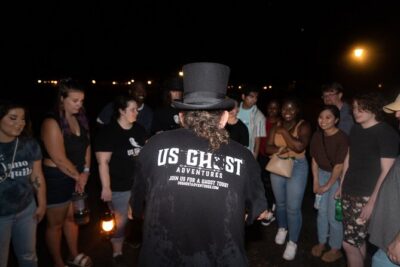
In practice, the tour’s feel depends a lot on the person leading it. Some guides bring an upbeat energy and really punch up the stories. When the guide is on, the walk feels lively and even a bit mischievous.
Route Reality Check: Start at 100 Temple St, End at DMC
This one starts at 100 Temple St and ends at the Detroit Medical Center Central Campus (4201 St. Antoine St). That means you’re not returning to your exact starting point. It’s a straight shot in spirit—walk forward through a string of stops—but it matters if you drove and left a car nearby.
You’re also walking between sites at a steady pace. The tour is listed around 1 hour, and each location gets only a short window. Plan your expectations accordingly: you’ll hear a full story at each stop, but you won’t get long photo sessions or lots of time to roam.
Another practical note: the route includes major downtown-ish landmarks plus nearby areas. Even if you know Detroit well, it helps to show up on time, get your bearings fast, and let the guide lead. Small-group tours move quickly, and arriving late can throw off your whole line of sight.
Stop-by-Stop: From Alhambra Whispers to DMC Apparitions
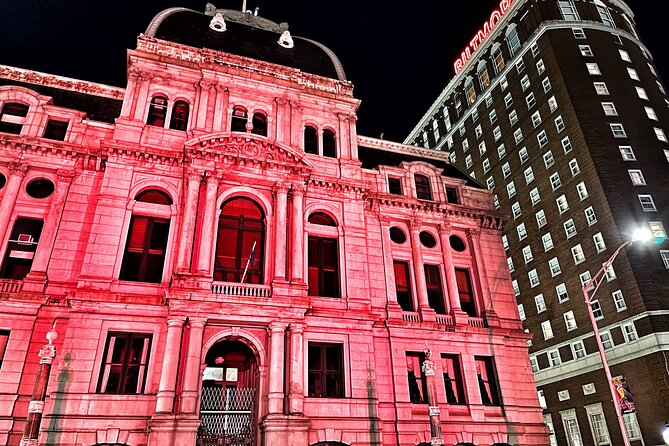
Here’s what the walk focuses on, and what you should look for at each stop.
Stop 1: 100 Temple St and the Alhambra Building whispers
You kick things off at 100 Temple St, the Alhambra Building. The story tone here is early and atmospheric: ghostly whispers are said to echo through the night. Even if you don’t buy the supernatural claims, the opening is smart because it sets the “listen closely” mood right away.
What I like: this is a dramatic way to start. The building’s reputation makes people lean in, and the guide can use that attention to set up the rest of the route.
Possible drawback: because the tour is short, the first stop can feel like a quick introduction before the real sweep of locations hits.
Stop 2: Masonic Temple and the labyrinth legend
Next is the Masonic Temple, known for intimidating architecture and a history full of mystery. The tale centers on secret rooms and corridors, plus the rumor that the ghost of its architect haunts the building after taking his own life there.
What to watch for: use this stop to pay attention to how the guide frames power and secrecy. Buildings like this tend to inspire legends because they look built for ceremony, not casual visits.
Why it fits a ghost tour: Masonic mythos is already steeped in symbols and ritual, and that works well with the idea of “something hidden in plain sight.”
Stop 3: The James Scott Mansion and a millionaire’s spite
Then you’re at the James Scott Mansion, described as decayed now but legendary in the way it’s remembered. Locals believe James Scott’s vengeful spirit still roams the grounds, clinging to a legacy of spite and mischief.
This stop is a nice shift from institutional buildings to something more personal and personal-feeling. Mansions tend to create a different kind of spooky: not secret hallways, but the sensation of a place still tied to one person’s emotions.
Stop 4: Grey Ghost Detroit and speakeasy shadows
The Grey Ghost Detroit stop leans into Prohibition-era drama. The name itself suggests an elusive presence, and the story ties haunting to long-lost patrons. It’s also framed as a speakeasy hidden in plain sight.
If you love Detroit history, this one matters. Prohibition-era lore is one of the most reliable sources for “ghost stories,” because it’s already built on secrecy, aliases, and nightlife that disappeared fast. Even without supernatural proof, you get the feeling of a time that shouldn’t be reachable anymore.
Stop 5: Orchestra Hall and ghostly musician sounds
At Orchestra Hall, the tour treats the venue as more than a concert space. You’ll hear about strange sounds and ghostly apparitions tied to musicians from past eras—spirits still drawn to the music that once filled the halls.
Practical tip from the tour’s logic: when a story references sound, be ready for quiet moments. The guide’s pacing here can make the “did I hear that?” feeling stronger.
This is one of the stops that can feel most cinematic, because the building’s purpose is art. Stories about artists lingering after life are a natural fit.
Stop 6: The Majestic Theatre and final-act hauntings
The Majestic Theatre stop focuses on the stage-and-audience cycle. The legends say ghostly figures appear in the shadows—former performers and patrons reliving the end of their final acts.
I like this stop because theater haunting is easier to visualize than, say, a random street legend. Even if you’re skeptical, you can imagine why a theater would become a “memory machine” for stories.
Stop 7: The Whitney and a staircase apparition
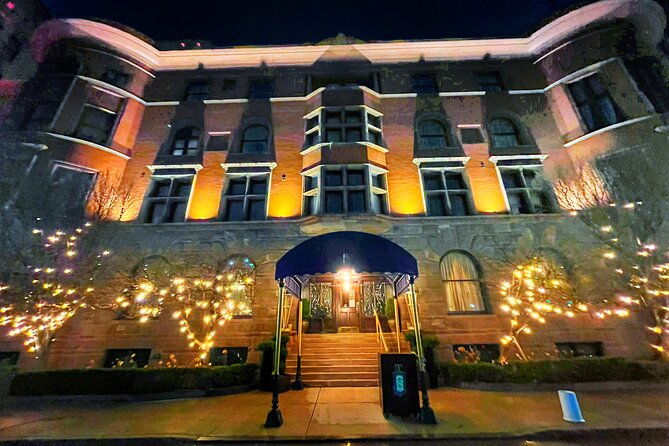
Next is The Whitney, once a private residence and now described as one of Detroit’s haunted landmarks. The core claim: the original owner, David Whitney Jr., is rumored to linger in the halls, with sightings of a spectral figure on the grand staircase.
This one works well for photo time, if your guide gives you a moment and you keep it respectful. Staircases are already dramatic architecture. Add the rumor of an apparition, and you’ve got instant legend territory.
Stop 8: DMC Detroit Receiving Hospital and the history of life and death
You end at the Detroit Medical Center Central Campus (with the tour concluding on the DMC campus). The story here ties directly to life and death, plus reports of unsettling encounters—apparitions believed to be souls of patients who never left.
This is a heavier note to end on, and it changes the tone from spooky-to-sad. It’s also why the ending location makes sense: a hospital doesn’t just hold stories; it holds real human stakes, and that’s the kind of backstory that lingers.
Guides Matter: What Makes the Best Tours Feel Fun
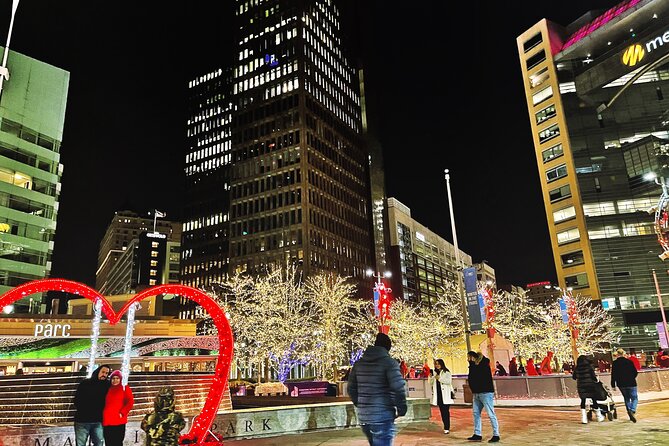
One theme that really comes through is that the guide’s energy and delivery shape the experience. When you get a strong storyteller, the walk stops feeling like a list of spooky names and becomes a connected story arc.
Some names to look out for include Andrew and Michael. Both are described as enthusiastic and knowledgeable in the way that matters on a walking tour: they keep the pace, answer questions when they can, and bring real affection for Detroit. A guide like that can make the outdoor-only format feel like a feature, not a limitation.
On the flip side, there’s also the reality that this tour is short and fast-moving. If your guide’s delivery is flat, the route can feel like quick stops with downtime between them. That’s the biggest risk for anyone who wants lots of spooky theater rather than story-driven history.
Price and Value: Is $32 Actually Fair?
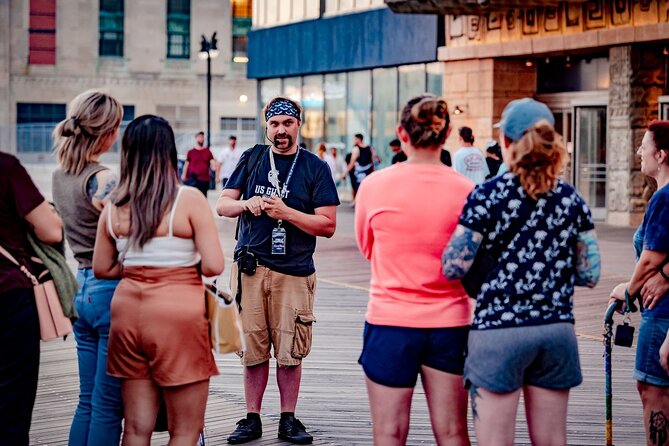
For $32 per person, you’re paying for three things: a guided route, planned stopping points, and stories that are meant to be entertaining and grounded in local context. With a group cap of 35, the format suggests you’re not getting a crowd crush.
The value is best if you want an efficient night activity. You’re paying less than most “bigger production” ghost experiences, and you’re getting a compact tour length that fits a simple Detroit evening plan.
Where the value can feel weaker is if your expectations are interior access or longer time in each location. This isn’t a tour where you wander inside buildings or spend extra time at each haunted claim. If that’s what you want, you might feel disappointed even if the guide is good.
Getting the Most from the Walk (Without Missing the Spooky Bits)
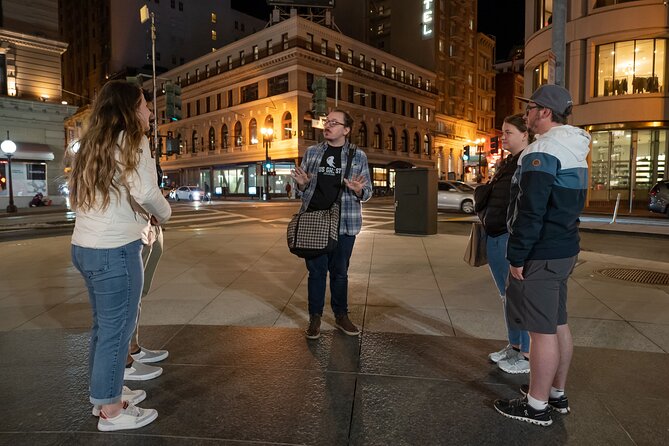
Since the tour is outside-only, your best strategy is mindset. Come ready to look, not just listen. Make quick mental snapshots: the facade, the vibe around the block, the way each building sits in its neighborhood.
You’ll also benefit from showing up a few minutes early at 100 Temple St, because once the group starts moving, there isn’t much room for delays. The route is designed to keep momentum, and stopping to wrangle logistics can slow the whole line.
Also, think about your end point. Because the tour ends at DMC Central Campus, you may want to plan pickup or rideshare timing ahead of the last story. It’s easier than figuring it out when everyone’s already in “wrap-up mode.”
Finally, bring basic patience for a guide-led pace. Short stops can feel like a speedrun if you want long answers. If you’re okay with punchy storytelling, you’ll likely enjoy it more.
Who Should Book This Detroit Ghost Tour?

This tour is a strong fit if you:
- Love urban legends tied to real buildings and eras
- Want a low-cost night activity that covers multiple landmark types
- Enjoy morbid history more than staged scares
- Are meeting Detroit for the first time and want a route that helps you learn the city faster
It may be less ideal if you:
- Expect to go inside the haunted sites
- Want a super spooky, immersive format with lots of extra theatrical elements
- Need a slower pace with deeper Q&A at each stop
- Plan on returning to the exact starting spot without any walking or transit changes
Should You Book Macabre, Murder, & Mayhem in Motor City?
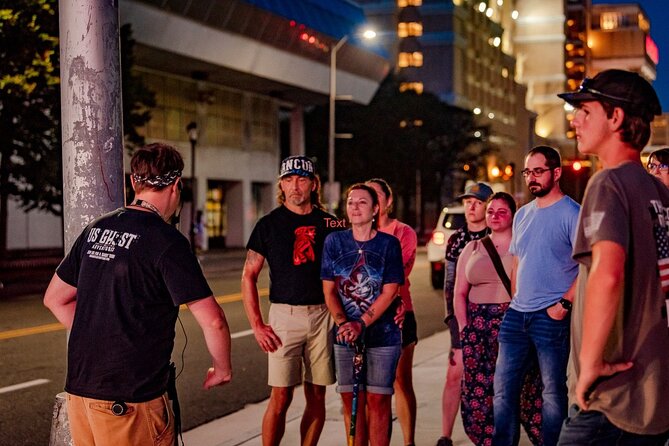
I’d book it if you want a fun, story-driven night walk that mixes ghost legends with Detroit history—especially if you like building-based lore more than jump scares. The $32 price makes sense for an hour-ish guided route, and the stop list hits a range that feels authentically Detroit, from temples to theaters to Prohibition-era whispers.
I would not book it if your top priority is interior access or a fully haunted, theatrical experience. The format is built around seeing the buildings and hearing the stories from the sidewalk, and the pacing is tight.
If you’re the kind of traveler who enjoys learning a city through its legends, you’ll probably come away entertained and better oriented for the rest of your Detroit time.
FAQ
How much does the Detroit Ghost Tour cost?
It costs $32.00 per person.
How long is the tour?
The tour is listed as about 1 hour.
Where does the tour start and where does it end?
It starts at 100 Temple St, Detroit, MI 48201, and ends at the Detroit Medical Center Central Campus, 4201 St. Antoine St, Detroit, MI 48201.
Is this tour in English?
Yes. The tour is offered in English.
Do I get a mobile ticket?
Yes. The tour includes a mobile ticket.
What’s included in the price?
The included features are chilling tales, a local guide, and well-researched history. Gratuity for the guide is not included.
Does the tour enter the historic buildings?
The tour is described as a walking experience with stops at locations, so you should expect to stay outside rather than go inside the buildings.
How big is the group?
The tour has a maximum of 35 travelers.
Are service animals allowed?
Yes, service animals are allowed.
What are my cancellation options?
You can cancel for a full refund up to 24 hours in advance. If you cancel less than 24 hours before the start time, the amount you paid is not refunded.