REVIEW · VICTORIA AUSTRALIA
Grampians: J Ward Lunatic Asylum Night Ghost Tour
Book on GetYourGuide →Operated by Lantern Ghost Tours · Bookable on GetYourGuide
Nighttime at J Ward feels way too real. This J Ward Lunatic Asylum night tour turns Victoria’s criminal past into a paced, story-led walk through cold bluestone rooms, with a museum-first start that sets the tone fast. I love how the guide brings the place to life with names you recognize from Australian true-crime history, and I especially liked the energy of guide Lithium, who keeps things engaging and interactive.
My second favorite part is the access you do not usually get: the museum area plus buildings and rooms tied to the asylum’s day-to-day life, not just a quick pass through a corridor. One thing to think about: the “ghost” side is not guaranteed to be constant. Some people walk away saying it can feel more history-heavy than nonstop paranormal action.
Plan on a slow, mostly indoor route for about two hours, with some steps and moderate walking. If dark stories hit you hard, go with the right mindset and good shoes.
In This Review
- Key moments you should know
- Why Ararat’s J Ward hits differently after dark
- Museum kickoff: what you’ll do before the spooky walk
- The ghost tour route: bathrooms, gallows, and the kitchen-shower block
- West Wing, the J Ward Block, and the emotional weight of unmarked soil
- How the hosts shape the night (especially Lithium)
- Price and value: is $29 worth two hours in bluestone?
- Practicalities that can make or break your night
- Who should book this J Ward night ghost tour
- Should you book this tour?
- FAQ
- How long is the J Ward Lunatic Asylum night ghost tour?
- Where do I meet for the tour?
- Is hotel pick-up or drop-off included?
- What age is the tour suitable for?
- Is the tour accessible for people with mobility restrictions?
- Is the tour indoors or outdoors?
- How do I get there from Melbourne?
- What is the cancellation policy?
Key moments you should know
- Museum access first sets context before you step into the original asylum spaces
- Real rooms tied to prisoners’ daily life, including bathrooms, kitchen, and shower blocks
- Hangman’s gallows and governor-linked rooms put scary history front and center
- West Wing and the J Ward Block keep the atmosphere tight and ominous
- Exercise yards and grave-site areas add an extra layer of unease
- Lithium (and other hosts) run the tour with lots of factual, story-focused detail
Why Ararat’s J Ward hits differently after dark
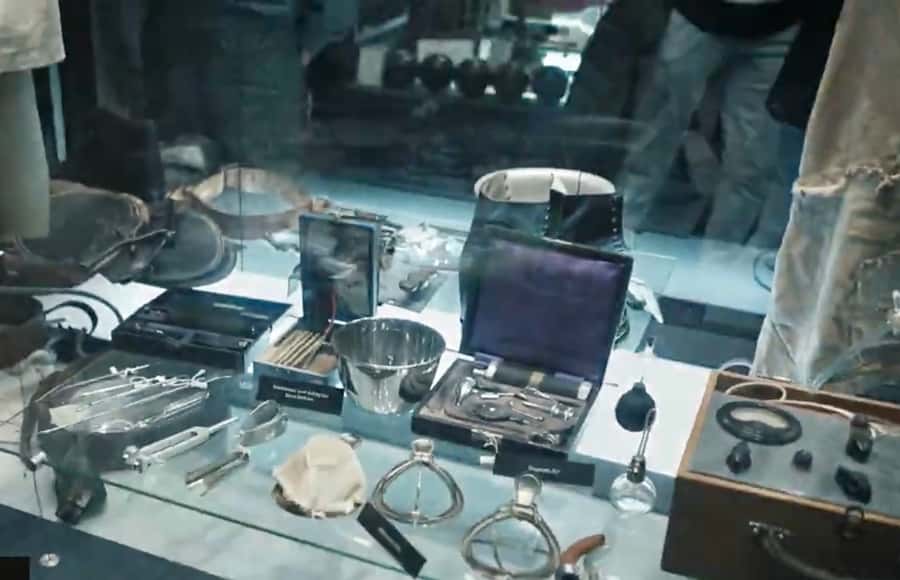
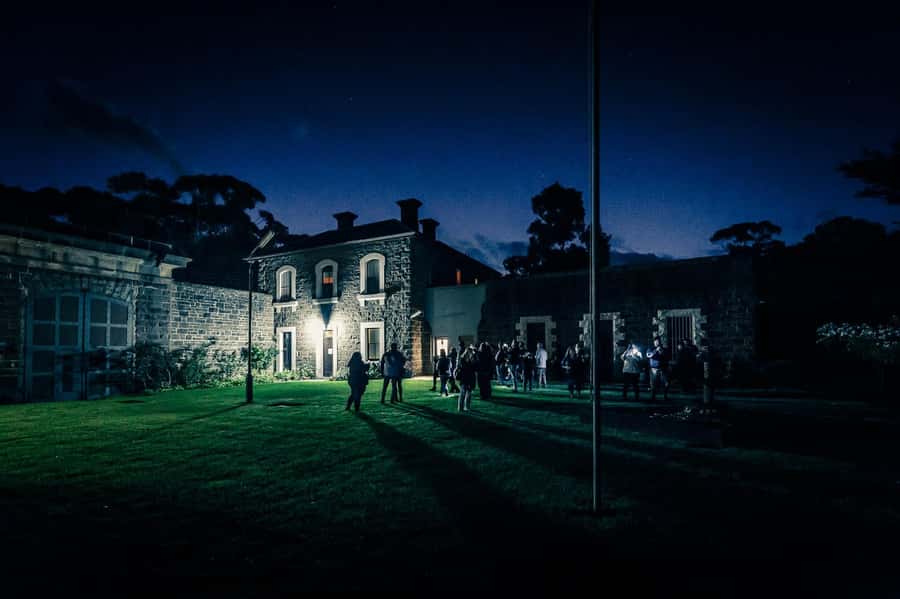
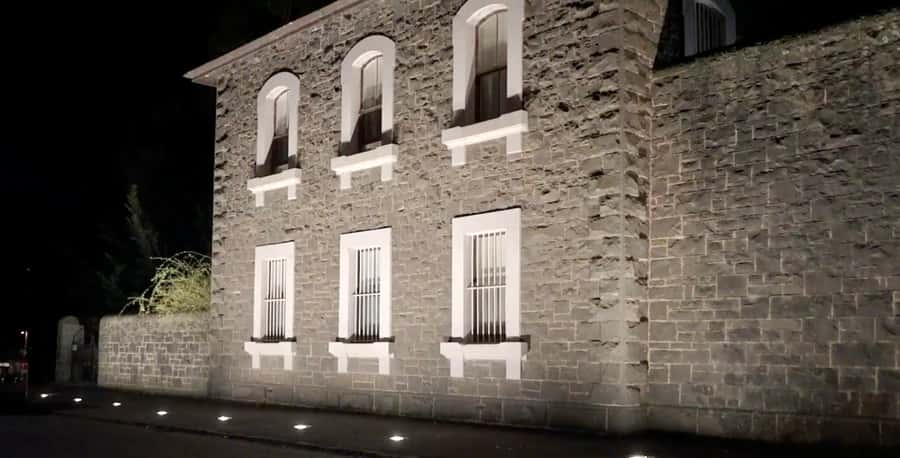
Ararat is not a big city, and that helps. When you drive in for an evening tour, the town feels quieter, and the asylum’s bluestone buildings feel even more cut off from everyday life. That isolation is part of the point: you’re not just sightseeing. You’re being guided through a real, functioning institutional site that once held some of Victoria’s most notorious men.
The big draw here is the angle. This is a night walk built around a specific place: J Ward, once Victoria’s criminal asylum. You’re told the names tied to the site, including Chopper Read, Gary Webb, and William Wallace, and the story doesn’t float around vague “haunting” claims. It’s anchored to the building’s layout and the way the asylum worked.
Marketing calls the paranormal side very high, but the better way to think about it is this: you’re going to feel primed for it. The tour uses pacing, room access, and guided storytelling so your brain keeps scanning for meaning in every shadow and corner.
Museum kickoff: what you’ll do before the spooky walk
The tour starts with museum time, and it matters. You get a chance to look at the asylum context before you’re marched through the scariest-looking rooms. That “museum-first” rhythm keeps the night from feeling like a random series of stops. It also helps you understand why certain areas are singled out later during the ghost tour.
In the museum, expect a more structured presentation of the asylum’s past and the people connected to it. Then, once you’re ready, the guide transitions you from learning to walking. The result is that the later stops feel less like horror décor and more like a guided tour of an actual institutional system.
If you’re the type who gets bored by tours that never explain anything, this format is a win. And if you’re more into the fear factor, the museum still works because it gives you names, roles, and details to latch onto before you step into the original spaces.
The ghost tour route: bathrooms, gallows, and the kitchen-shower block

Once the walk starts, the tour leans hard into physical place details—the kind that make you look around without trying. You’ll move through key areas tied to the asylum’s routines, including the governor’s private bathroom. Even without any special effects, the idea of a private “official” space inside a criminal asylum turns the atmosphere sour fast.
Next comes some of the most intense imagery on the route: the hangman’s gallows. It’s the sort of stop that doesn’t require theatrics. The location and the story behind it do the work, and you’ll feel how the guide frames justice, punishment, and control as part of daily life there.
The tour also highlights the asylum’s original kitchen and shower block—places that feel ordinary in concept, but chilling in context. The kitchen is often where the tour’s energy peaks. It’s hard to shake the thought that real meals and real routines happened in rooms that now exist mainly as memory.
Then you’ll get the sense of how the asylum’s systems were built to manage people: confinement, rules, and constant oversight. That’s when the night shifts from “spooky story tour” to “how could this exist?” mode.
West Wing, the J Ward Block, and the emotional weight of unmarked soil
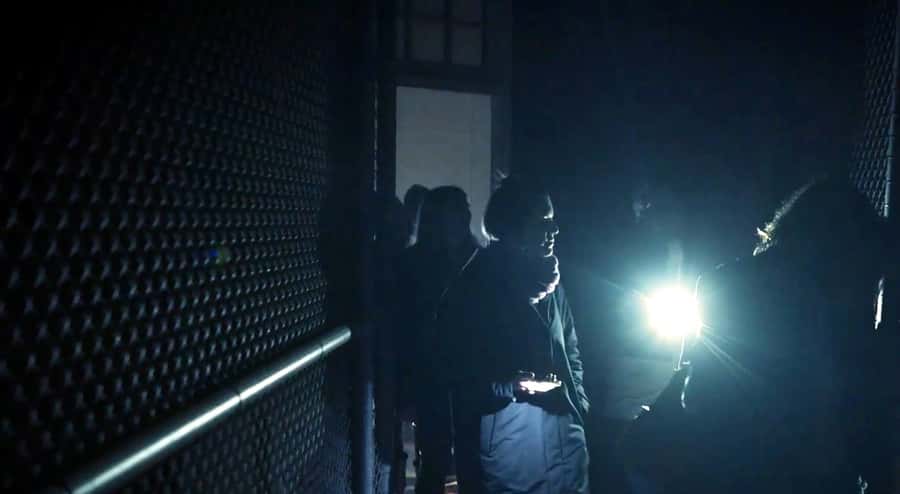
As you move deeper into the experience, the route shifts from iconic stopping points to longer, darker stretches where the guide’s storytelling fills the air. The haunted West Wing and the J Ward Block are key parts of that. These sections help you understand how the institution moved people through space—where prisoners could be seen, where they could be kept apart, and where the building itself reinforced power.
You’ll also pass through abandoned exercise yards. These are the kinds of places that feel empty in a way that’s hard to explain. It’s not just an empty courtyard; it’s an empty room built for movement under control. If you like tours that feel grounded in what people actually faced, those yards land well.
One of the strongest emotional moments on the route involves grave-site areas. The tour points out that prisoners were buried beneath unmarked soil. Even if you’re not chasing paranormal thrills, that detail makes the night heavier, because it turns fear into respect. It also explains why some rooms feel less like “set dressing” and more like a living memorial to what happened there.
How the hosts shape the night (especially Lithium)
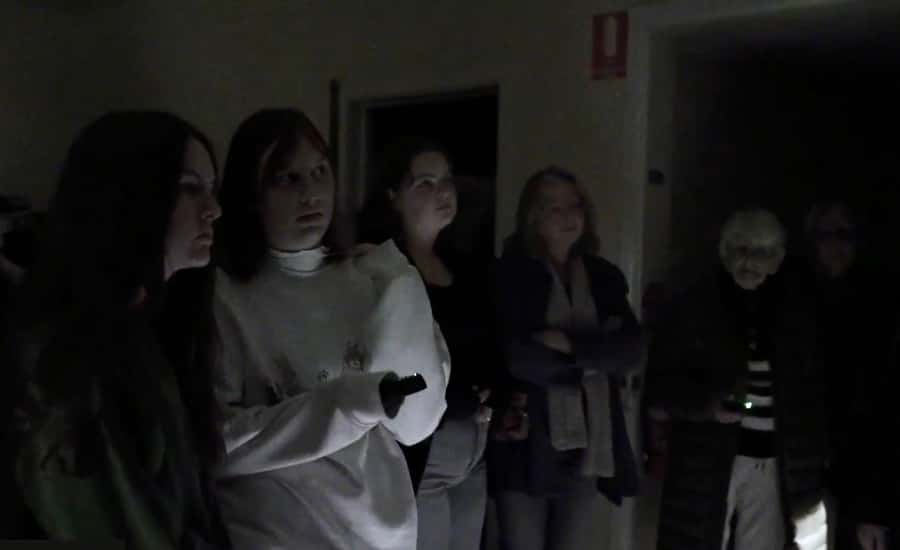
A tour like this lives or dies on the guide. Here, the guiding is a clear strength. People have called out guides for being very informative, engaging, and good at making the stories interactive, and Lithium gets specific praise for staying sharp and personable.
What you should expect from a strong host is structure: a clear explanation of who was involved, what the rooms were used for, and why certain stops matter. The guide also shapes the pace. When the pacing is right, you feel tension building naturally—rather than being rushed from one scary item to another.
That matters even for the skeptics. Even when paranormal moments vary night to night, a good host keeps the experience meaningful by focusing on the site’s human reality: punishment, confinement, and the way the institution operated.
Price and value: is $29 worth two hours in bluestone?
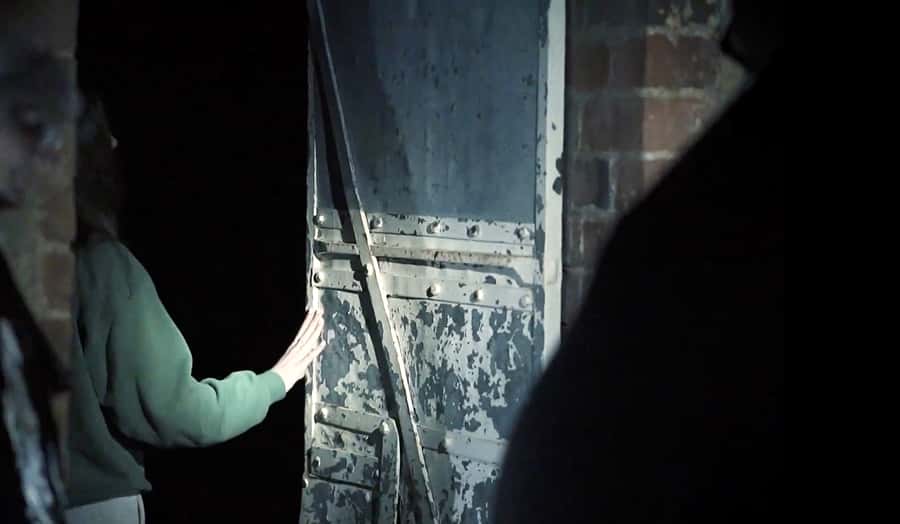
At $29 per person for about two hours, the math is simple: you’re paying for a guided museum start plus a structured night walk with access to areas not typically open for a casual visit. Even without relying on paranormal claims, the core value is access + storytelling in a real historic site.
The biggest “value factor” here is not the ticket price. It’s that you’re getting more than a pass-through. You’re getting guided context, room-specific stops, and time to process what you’re seeing. That’s why the tour works well as a stop for people who enjoy true-crime atmosphere and want something different from standard history sightseeing.
The cost also starts to make sense if you’re coming from Melbourne. It’s a roughly 2.5-hour drive, so you want one paid activity that justifies the trip. This is one of the clearer choices in that category because it’s timed for night and built around a single unforgettable setting.
Practicalities that can make or break your night
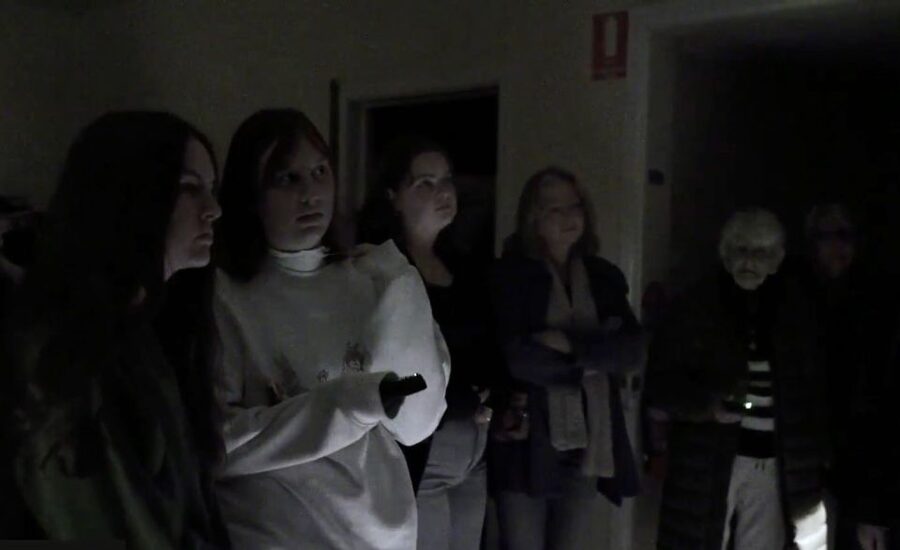
This is mainly indoors, but it is not “sit the whole time.” You’ll do moderate walking and some steps, and the tour runs as a slow, paced experience for up to the full two hours. That means good shoes matter. Also, dress for cooler indoor spaces; old buildings can feel chilly even when it’s warm outside.
If you have mobility restrictions, note that not all areas are accessible due to steps. The tour is designed around walking and room-to-room movement, so plan accordingly.
There’s also an age consideration. The tour requires children to be 12+. The subject matter and the way it’s presented are intense enough that younger kids aren’t the target audience.
Finally, consider your comfort level with dark stories. You don’t have to be a horror fan to enjoy this, but you should be ready for a night that emphasizes crime, punishment, and the human cost.
Who should book this J Ward night ghost tour
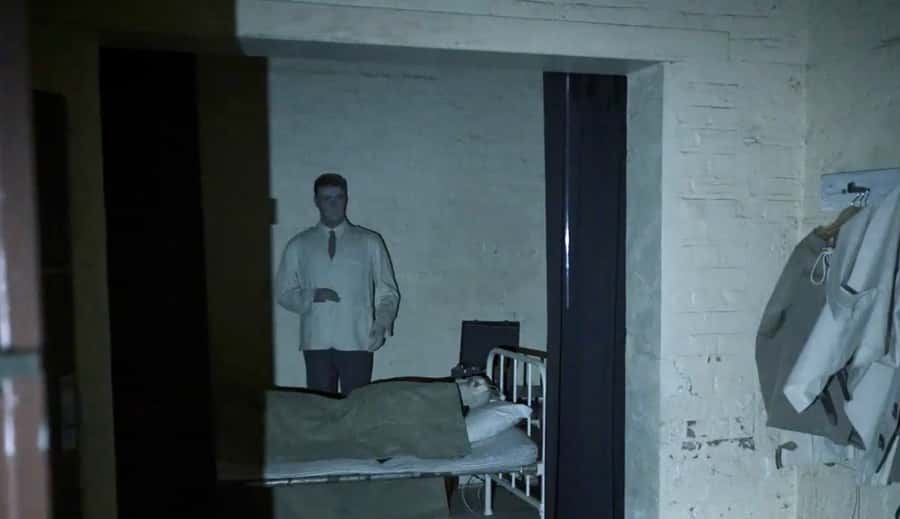
Book it if you want one of the more specific, place-based “ghost tour” styles in Victoria. This isn’t generic “haunted building” talk. It’s about J Ward as an institution—its rooms, its routines, and its punishment system—fed through a guided story format at night.
It’s also a great fit if you:
- Like guided history that doesn’t feel like a lecture
- Prefer tours where you can picture the building’s layout
- Want a night activity that’s different from bars, cinemas, and standard galleries
It might not be the best fit if you expect constant paranormal action. A couple of experiences lean more toward history and atmosphere than obvious ghost activity. You’ll still learn a lot and see a lot, but you should go expecting mood and meaning first.
Should you book this tour?
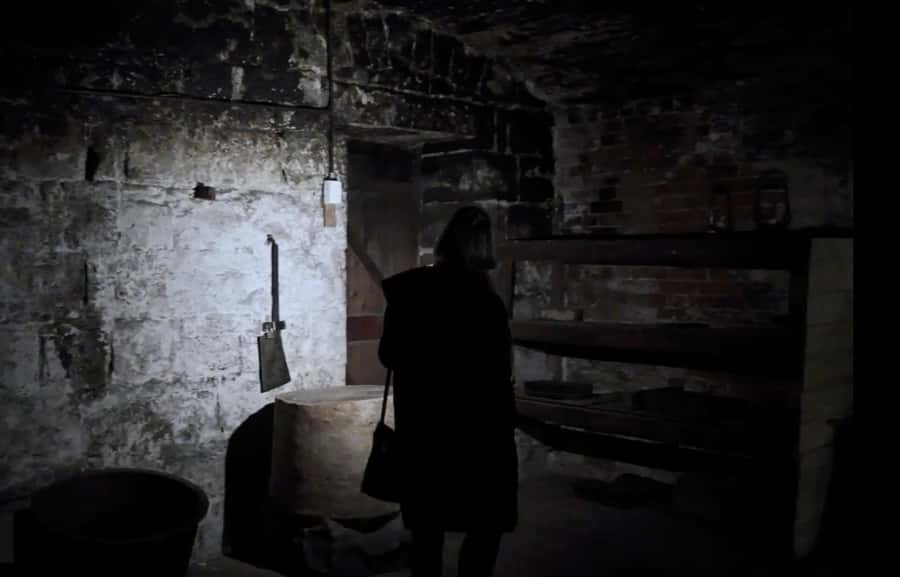
Yes, if your idea of a good night out is walking through a real site tied to Australian true crime, learning as you go, and letting the building do the scaring. The museum start and the room-specific route are strong reasons by themselves.
Skip it or rethink timing if you’re only interested in frequent paranormal events. Go in knowing this is a story-led, respectful night in a difficult place—less about guaranteed sightings and more about understanding the institution from the inside out.
Also, if you’re driving in from Melbourne, this is a solid single-ticket “anchor” activity for the trip. Two hours at night at a site like J Ward gives the weekend a focus you won’t get from half-day sightseeing.
FAQ
How long is the J Ward Lunatic Asylum night ghost tour?
It runs for approximately 2 hours.
Where do I meet for the tour?
You meet at J Ward, Girdlestone Street, Ararat 3377.
Is hotel pick-up or drop-off included?
No, hotel pick-up/drop-off is not included.
What age is the tour suitable for?
Children must be 12+ for the J Ward tour.
Is the tour accessible for people with mobility restrictions?
There are steps, so unfortunately people with mobility restrictions will not be able to access all areas.
Is the tour indoors or outdoors?
It is mainly indoors, with some moderate walking and steps.
How do I get there from Melbourne?
J Ward is about a 2.5-hour drive from Melbourne. There is free street car parking.
What is the cancellation policy?
You can cancel up to 24 hours in advance for a full refund.